

With the rise of at-home DNA testing, understanding your genetic makeup has never been easier. But not all genetic tests are created equal. Two of the most commonly used approaches—SNP-based mapping and Whole Genome Sequencing (WGS)—offer very different levels of insight.
If you're trying to decide which test suits your needs, it’s important to understand how they differ in scope, purpose, and outcomes.
What is SNP-Based Mapping?
SNP-based mapping focuses on analyzing hundreds of thousands of Single Nucleotide Polymorphisms (SNPs)—small variations in your DNA that act as genetic markers.
These markers are highly informative for:
- Ethnicity and ancestry composition
- Population-level comparisons
- Migration pattern analysis
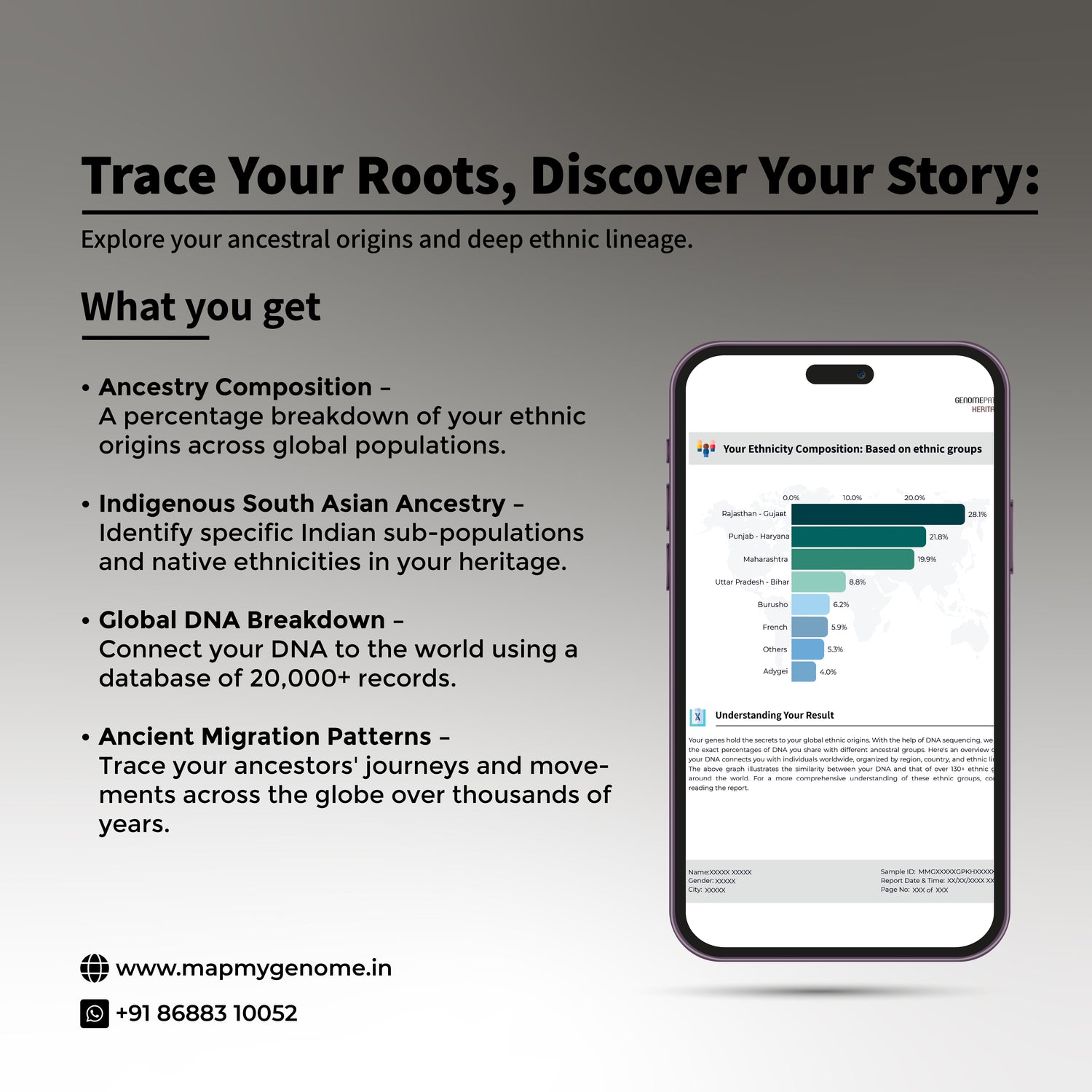
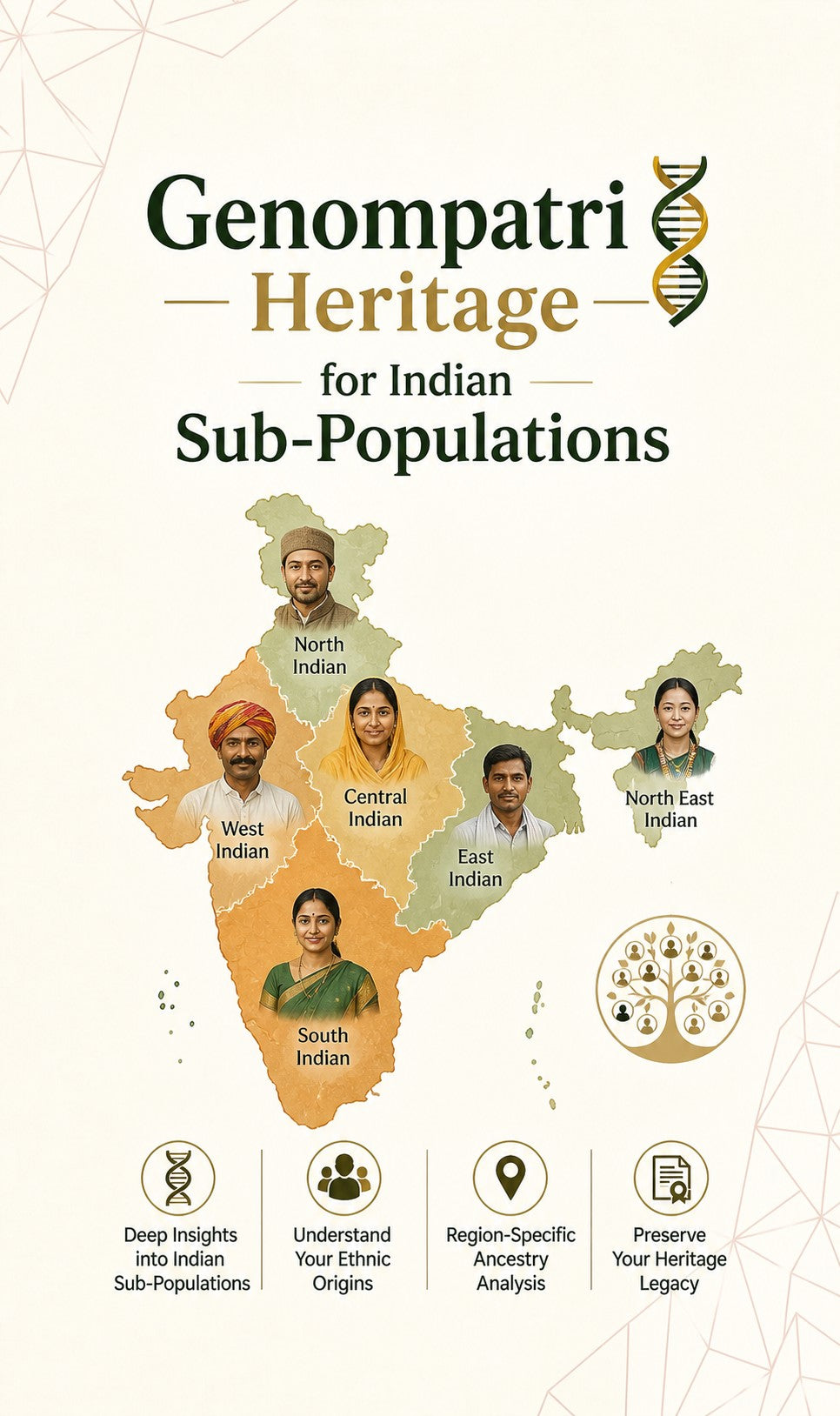
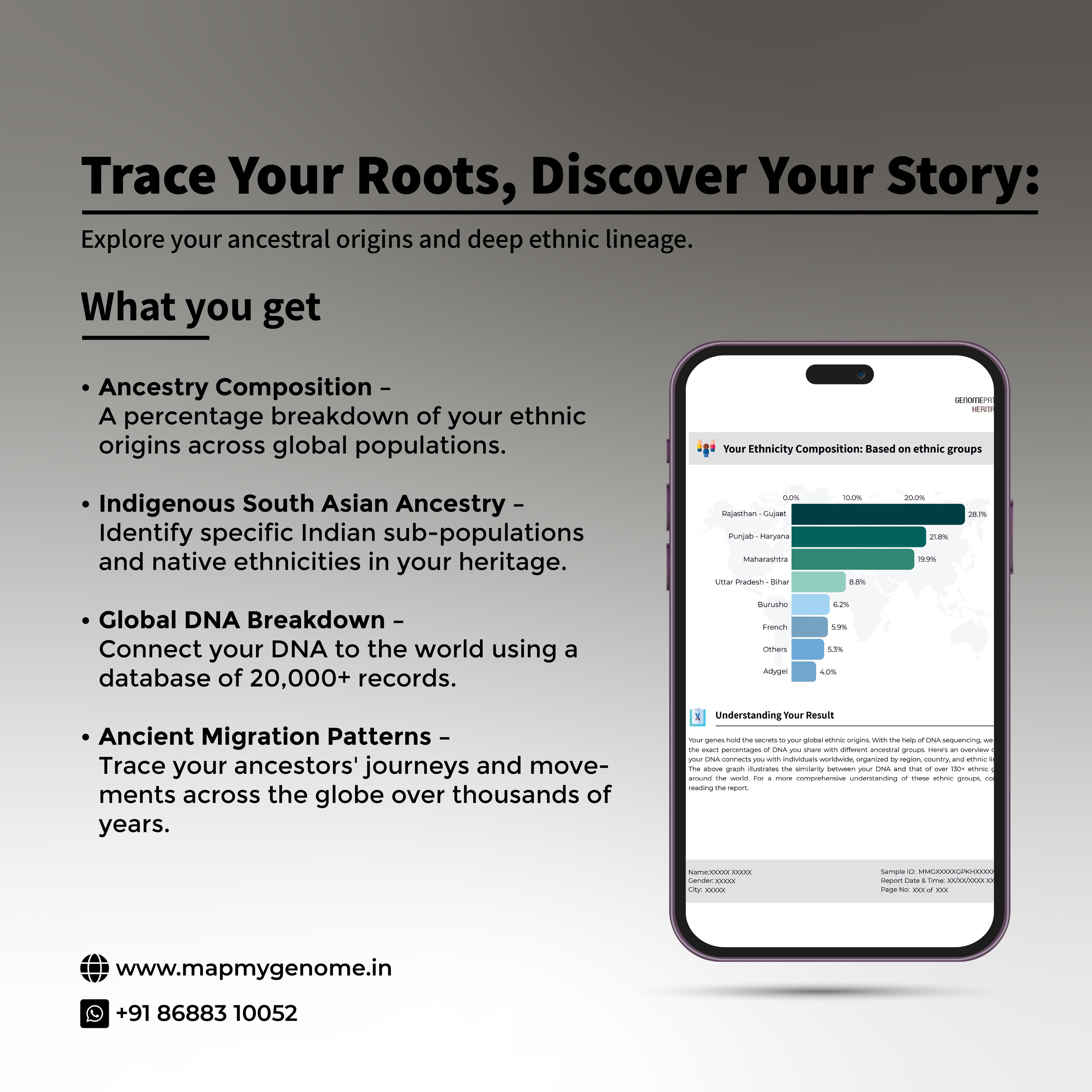
Tests like Genomepatri Heritage use SNP-based mapping combined with an India-first reference database to deliver highly accurate sub-population insights
What is Whole Genome Sequencing (WGS)?
Whole Genome Sequencing (WGS) is the most comprehensive form of genetic testing. Instead of sampling specific markers, it reads your entire DNA sequence—all 3 billion base pairs.
This allows WGS to provide:
- Deep ancestry insights
- Detailed health and disease risk analysis
- Carrier status for genetic conditions
- Advanced genetic trait interpretation
SNP-Based Mapping vs WGS: Key Differences

1. Analysis Scope
SNP-based mapping examines selected genetic markers across your DNA, while WGS decodes your entire genome for a complete genetic picture.
2. Primary Purpose
SNP-based tests are optimized for ancestry and ethnicity mapping. In contrast, WGS provides a comprehensive genetic profile that includes both ancestry and health-related insights.
3. Family History Insights
SNP-based mapping reveals ancestral migration patterns and shared DNA with populations worldwide. WGS goes a step further by enabling deeper lineage analysis and even family tree construction.
4. Health Information
SNP-based tests typically focus on ancestry and do not cover disease risks in depth. WGS includes carrier screening and detailed health predisposition insights.
5. Migration Analysis
While SNP-based mapping provides a broad overview of human migration over thousands of years, WGS offers more detailed and refined migration analysis.
Which One Should You Choose?
Choosing between SNP-based mapping and Whole Genome Sequencing depends on your goals:
-
Choose SNP-Based Mapping if you want:
- A cost-effective ancestry test
- Detailed ethnicity and sub-population insights
- A focused understanding of your roots
-
Choose Whole Genome Sequencing if you want:
- A complete genetic profile
- Health, disease, and carrier status insights
- The most comprehensive DNA analysis available
Both SNP-based mapping and Whole Genome Sequencing serve important but distinct purposes. While SNP-based tests are ideal for exploring your ancestry and ethnic roots, WGS is designed for those who want a deeper, all-encompassing understanding of their genetics.
If you're just starting your genetic journey, SNP-based mapping is a powerful and accessible first step. For those seeking the full picture, Whole Genome Sequencing unlocks the deepest level of genetic insight available today.