

3 Reasons Cancer Seems to Be on the Rise — and What You Can Do About It (Part 2 of 2)
Before we dive in — have you read Part 1 of this series, which covers the reasons why cancer seems to be on the rise? Catch up first, then come back!
The Good News
The increase in lifetime cancer risk hasn’t taken place overnight — it’s been a slow and gradual rise, following the same trend as average life expectancy. More importantly, cancer survival rates have followed the same pattern. The 10-year life expectancy of cancer survivors has doubled in the last 40 years (from 25% to 50%), with recent statistics pointing towards this percentage touching the 80s within the next decade.
The reasons include improved diagnostic tests and preventive screening, constantly improving cancer treatments and therapies, improved medical infrastructure, introduction of HPV vaccination, and more funds being pumped into cancer research. But the most amazing change has been at an individual level — people have taken more charge of their personal desire to stay cancer-free.
How Can Personal Genomics Help?
Cancer is superbly complex in nature, with numerous mechanisms, genes, and inheritance patterns associated with its onset and progression. Personal genomics has brought a revolution in cancer management:
Risk assessment — Genomepatri screens for the presence or absence of cancer-risk variants in your DNA. This predictive screen needs to be taken only once and can help identify at-risk individuals for early detection and proper management
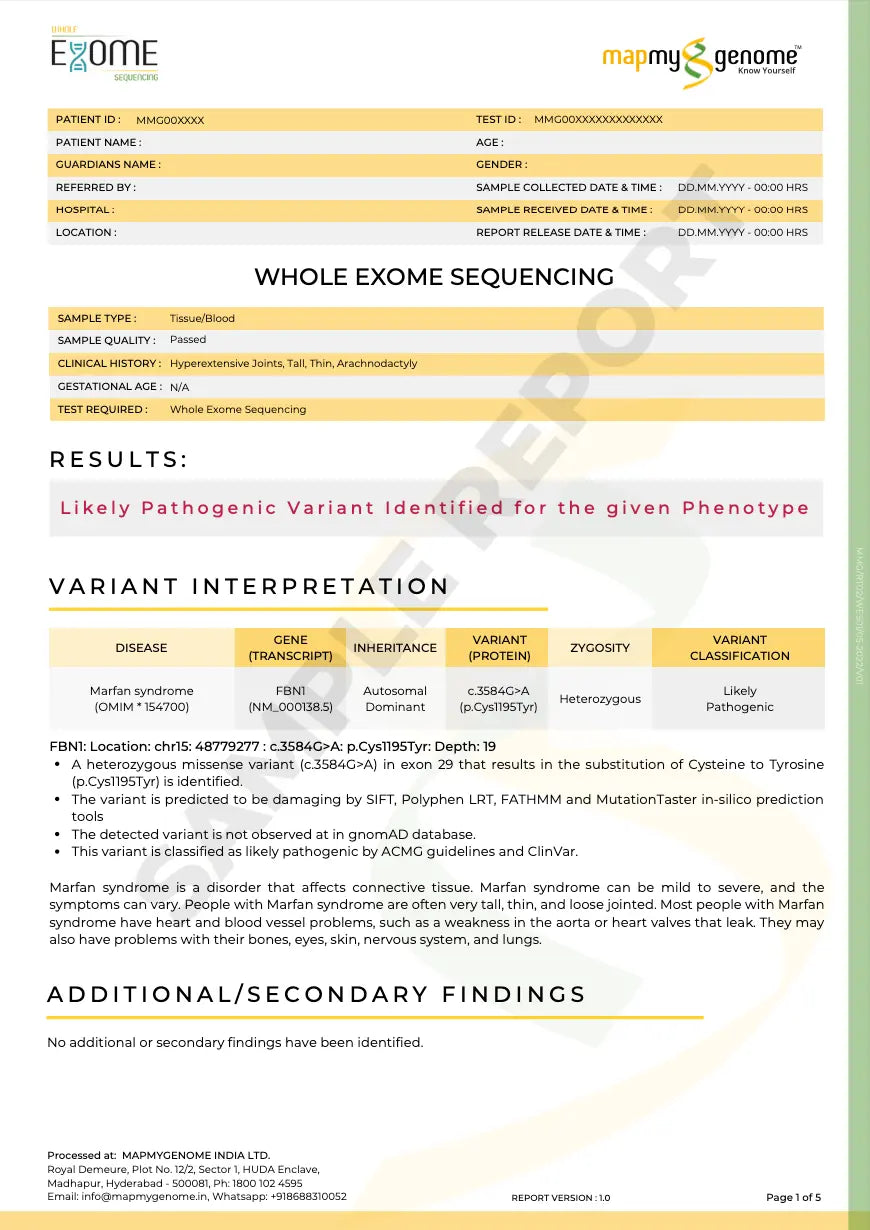
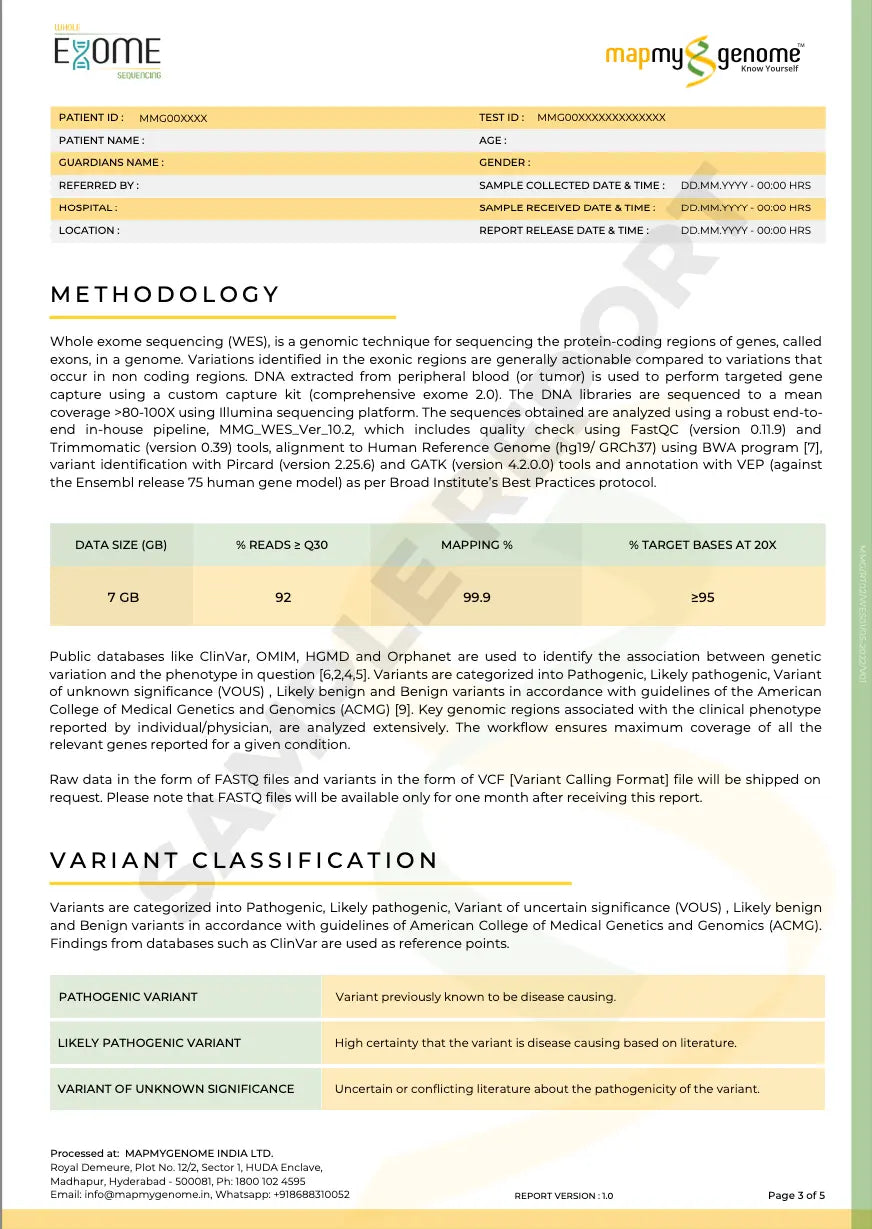
Confirming diagnosis and targeted therapy — clinical confirmation for hereditary cancer syndromes can be obtained by analysing DNA on a panel of genes. Testing can be done via Clinical Exome Sequencing, Whole Exome Sequencing (~20,000 genes), or Whole Genome Sequencing
Personalised medicine / pharmacogenomics — due to DNA sequence variations, anticancer drugs may not elicit a positive clinical response from a patient, or may cause serious adverse effects. Medicamap analyses a patient’s drug-response profile to help physicians choose the right drug and the right dosage
“By finding the right space for DNA testing in the healthcare paradigm, a radical change can be witnessed in cancer management.”
Stack the Odds in Your Favour — Know Your Cancer Risk
Genomepatri screens for 20+ cancer types from a simple saliva swab. Oncomap offers a comprehensive hereditary cancer risk panel. Medicamap analyses your drug response profile. All include certified genetic counselling.