

Heart health is often associated with older adults, but alarming trends reveal that cardiovascular problems are increasingly affecting younger populations. Understanding the causes is crucial for prevention. Here are five major factors contributing to heart health issues in young people — and what you can do about them.
1. Unhealthy Diets
Modern diets rich in processed foods, high sugar, trans fats, and excessive sodium significantly contribute to heart health problems. Fast food and sugary drinks lead to obesity, high blood pressure, and elevated cholesterol. The fix: whole foods — fruits, vegetables, lean proteins, whole grains, and heart-healthy fats like those in avocados and nuts.
2. Lack of Physical Activity
The rise of sedentary lifestyles driven by desk jobs and screen time is a major factor in deteriorating heart health among young people. Lack of exercise leads to weight gain, high blood pressure, and increased cholesterol. Even moderate activity — walking, cycling, or joining a sports team — significantly reduces heart disease risk.
3. Stress and Mental Health
Chronic stress triggers cortisol and adrenaline release, increasing heart rate and blood pressure over time. Mental health conditions like anxiety and depression are also linked to increased cardiovascular risk, often through poor lifestyle choices (smoking, poor diet, inactivity). Mindfulness, meditation, yoga, and professional support are essential tools.
4. Genetic Predisposition
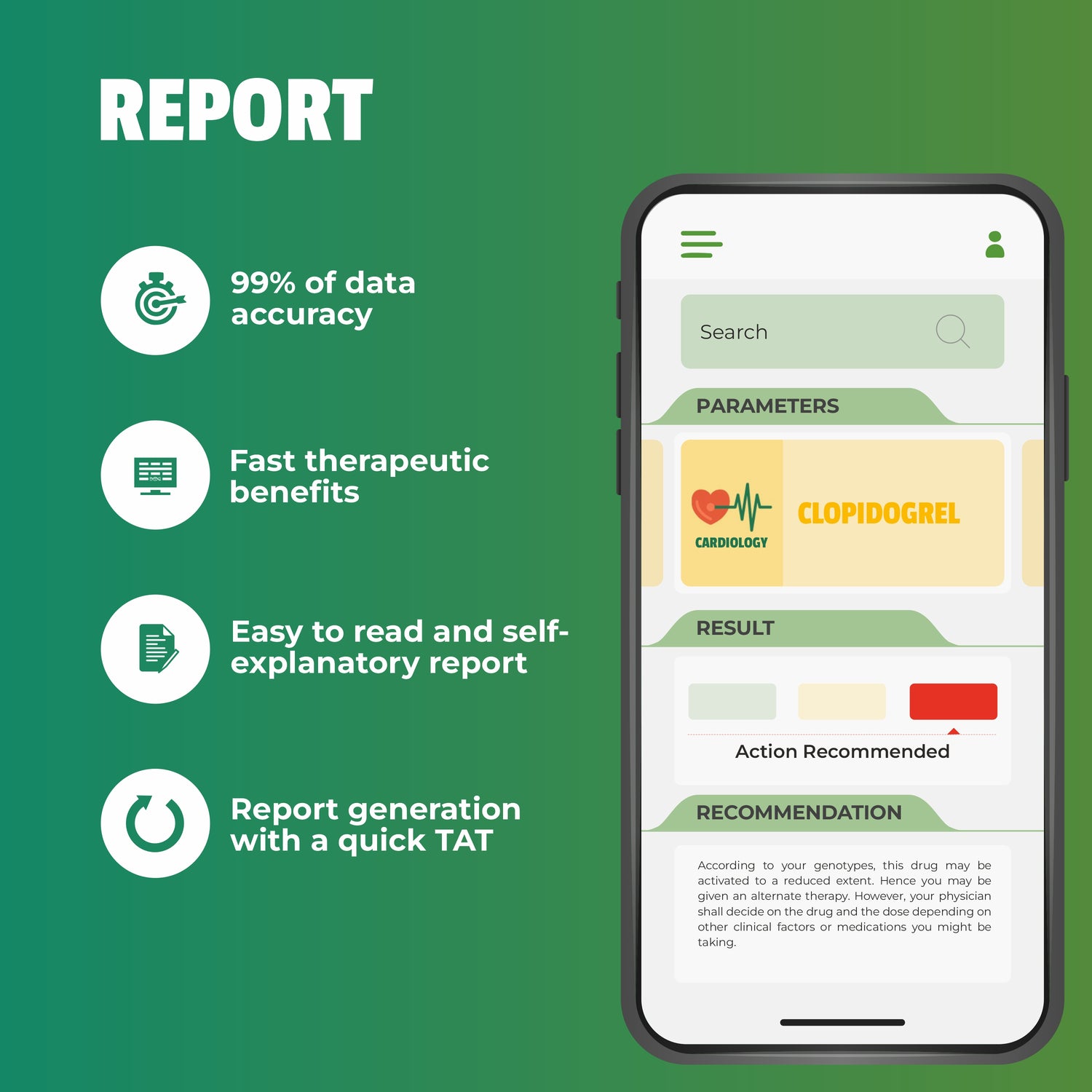
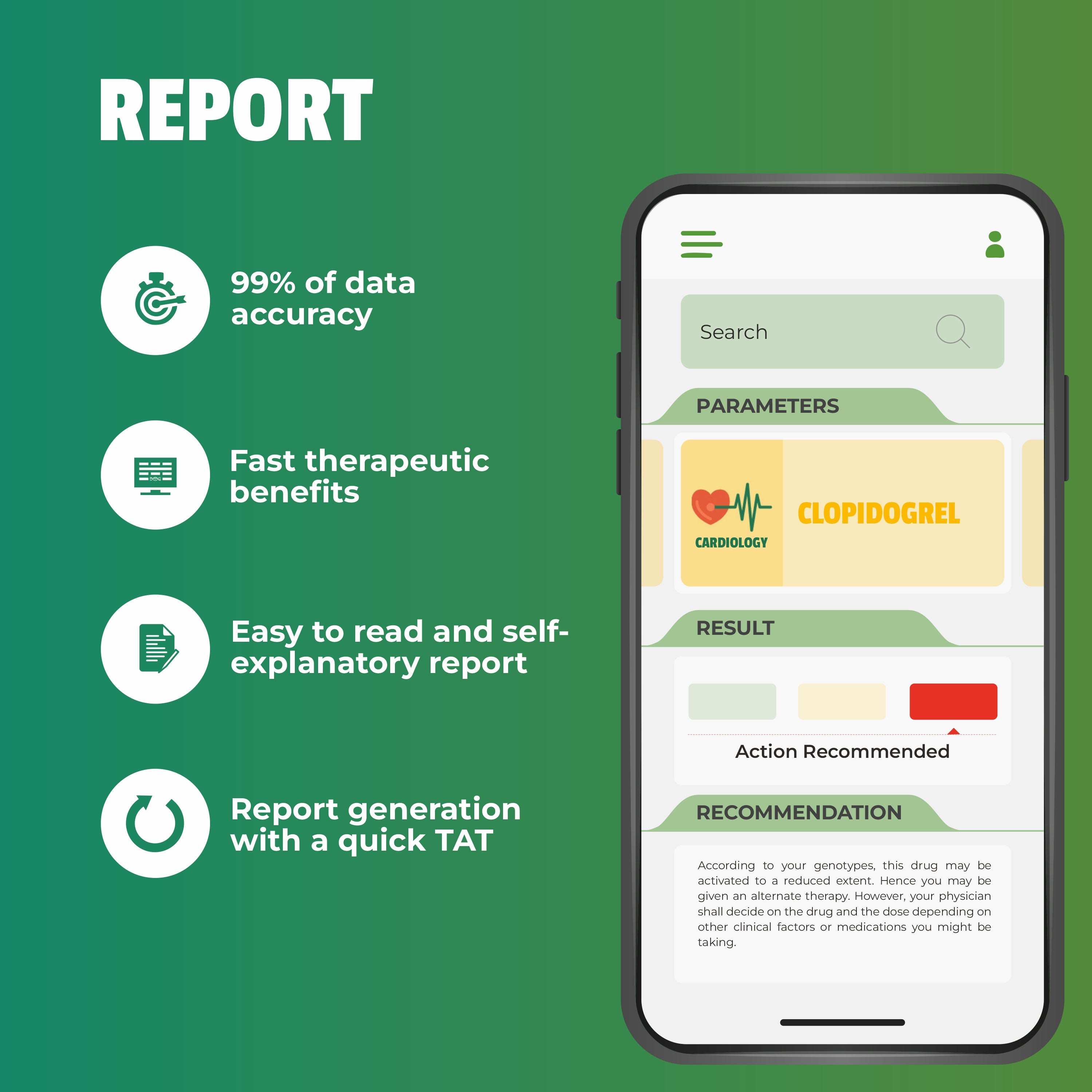
Genetics play a significant role in heart health. Conditions such as high cholesterol, high blood pressure, and diabetes can be inherited, increasing risk even in young, otherwise healthy individuals. Genetic testing can identify inherited risk factors early, enabling personalized prevention strategies before symptoms appear.
5. Substance Abuse
Smoking damages artery linings, raises blood pressure, reduces blood oxygen, and increases clot risk. Excessive alcohol and drug use lead to high blood pressure, irregular heartbeats, and weakened heart muscles. Quitting smoking and limiting alcohol are among the most impactful steps you can take for your heart.
The Critical Role of Early Detection
Early detection of heart health issues significantly improves outcomes. Regular check-ups, heart screenings, and genetic testing help identify problems before they become severe. For those with a family history of heart disease, this is especially important.
Know Your Heart Risk — Even in Your 20s and 30s
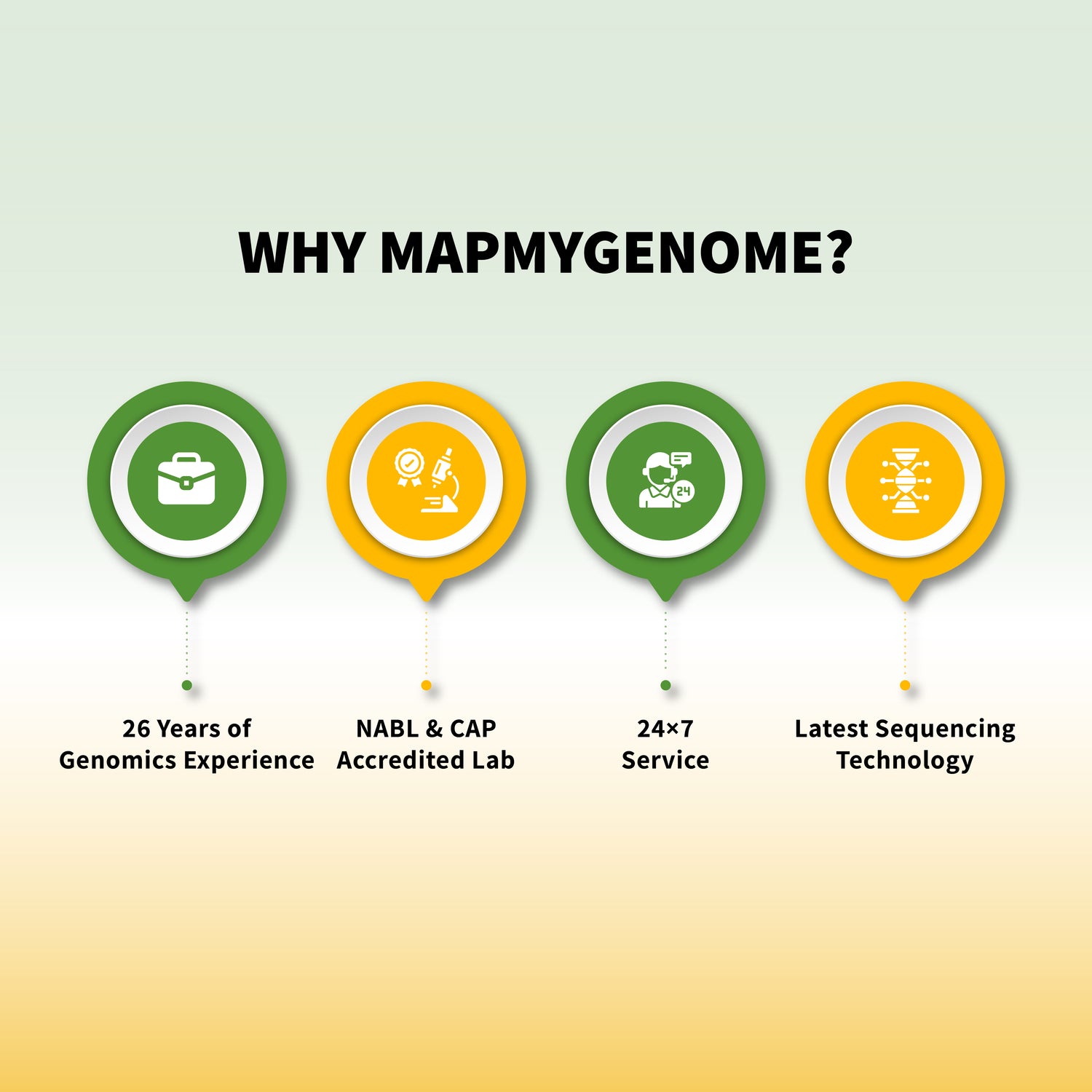
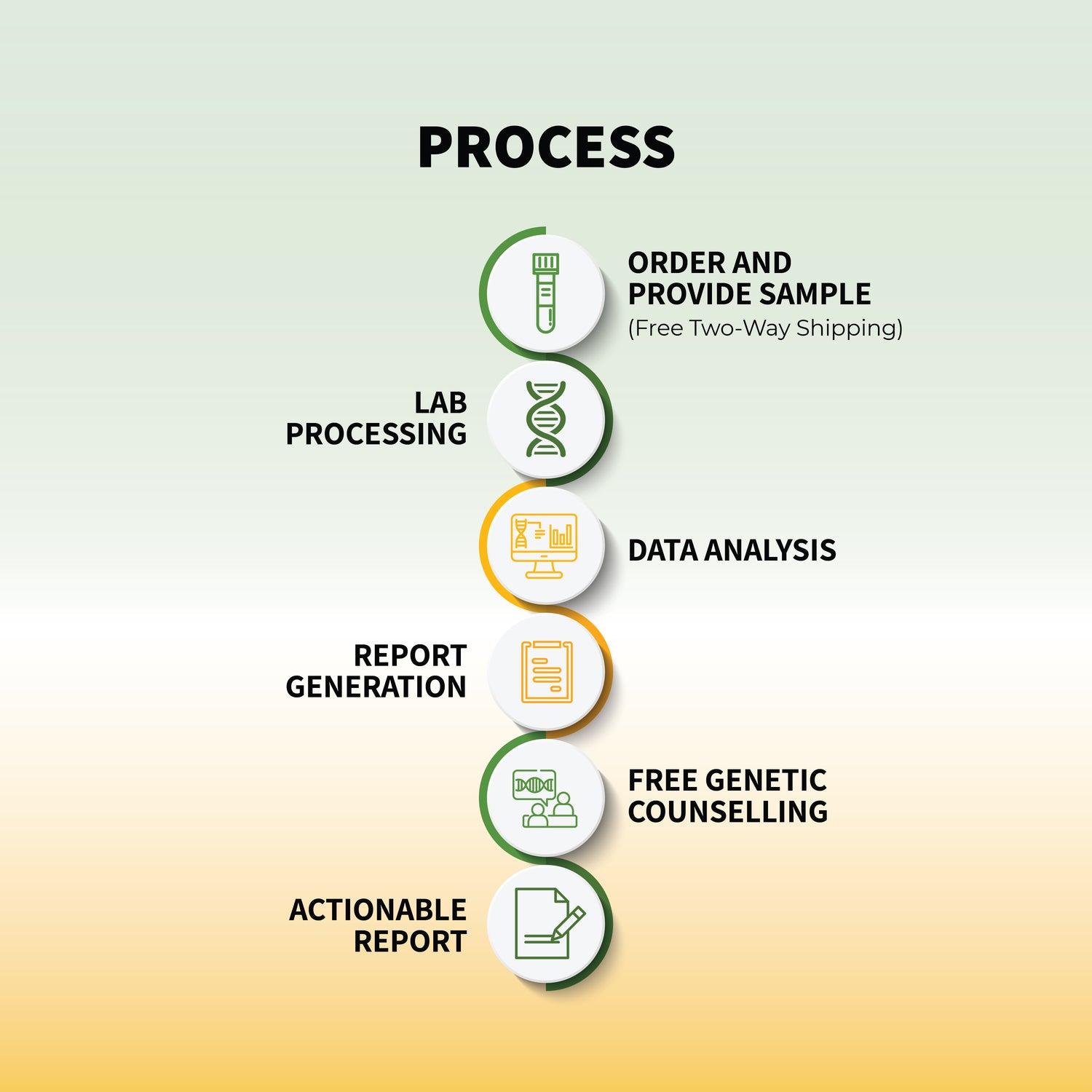
CardioMap by MapmyGenome reveals your genetic predisposition to coronary artery disease, hypertension, cholesterol disorders, and more — with a personalized prevention plan and expert genetic counselor consultation.