

How to Lose Belly Fat
Losing belly fat is a common goal for many people seeking a healthier and more toned physique. While it may seem challenging, incorporating certain daily habits can significantly accelerate your progress. Here are seven daily habits that can help you shed belly fat — practical, sustainable, and effective.
1. Start Your Day with a Protein-Rich Breakfast
A nutritious breakfast sets the tone for your entire day. Opt for a protein-rich meal to keep you full and satisfied longer, reducing the likelihood of unhealthy snacking later. Protein also boosts metabolism, aiding in fat loss.
Suggestions:
- Greek yogurt with berries and nuts
- Scrambled eggs with spinach and tomatoes
- Protein smoothie with spinach, almond milk, and a scoop of protein powder
2. Stay Hydrated
Drinking plenty of water throughout the day is crucial for overall health and weight loss. Water helps to flush out toxins, keeps you hydrated, and can reduce feelings of hunger by filling your stomach.
Tips:
- Drink a glass of water before each meal
- Carry a reusable water bottle with you
- Infuse your water with lemon or cucumber for added flavour
3. Incorporate High-Intensity Interval Training (HIIT)
HIIT workouts are known for their efficiency in burning fat, including stubborn belly fat. These workouts involve short bursts of intense exercise followed by brief rest periods, keeping your heart rate up and your metabolism revved.
Examples:
- 20 seconds of sprinting followed by 40 seconds of walking, repeated for 20 minutes
- 30 seconds of jump squats followed by 30 seconds of rest, repeated for 15 minutes
- A circuit of burpees, mountain climbers, and high knees
4. Eat More Fibre-Rich Foods
Fibre helps to promote satiety, keeping you full longer and aiding in digestion. Soluble fibre, in particular, is effective in targeting belly fat by slowing the passage of food through your digestive system and reducing appetite.
Good sources:
- Oats, lentils, and legumes
- Fruits like apples, pears, and bananas
- Vegetables like broccoli, carrots, and sweet potatoes
5. Prioritise Quality Sleep
Poor sleep is strongly linked to weight gain and increased belly fat. When you’re sleep-deprived, your body produces more ghrelin (the hunger hormone) and less leptin (the satiety hormone), leading to increased appetite and cravings for high-calorie foods.
Tips for better sleep:
- Aim for 7–9 hours of quality sleep per night
- Maintain a consistent sleep schedule, even on weekends
- Avoid screens for at least an hour before bed
6. Manage Stress Effectively
Chronic stress triggers the release of cortisol, a hormone that promotes fat storage — particularly around the abdomen. Managing stress is therefore a critical component of any belly fat reduction strategy.
Stress management techniques:
- Mindfulness meditation and deep breathing exercises
- Regular physical activity
- Spending time in nature or with loved ones
7. Monitor Your Caloric Intake
While it’s not necessary to obsessively count calories, being mindful of what you eat is important. Focus on nutrient-dense foods and avoid empty calories from sugary drinks, processed snacks, and fast food.
Practical tips:
- Use a food diary or app to track your meals
- Practice mindful eating — eat slowly and without distractions
- Plan your meals in advance to avoid impulsive food choices
The Genetic Factor: Why Your DNA Matters for Weight Loss
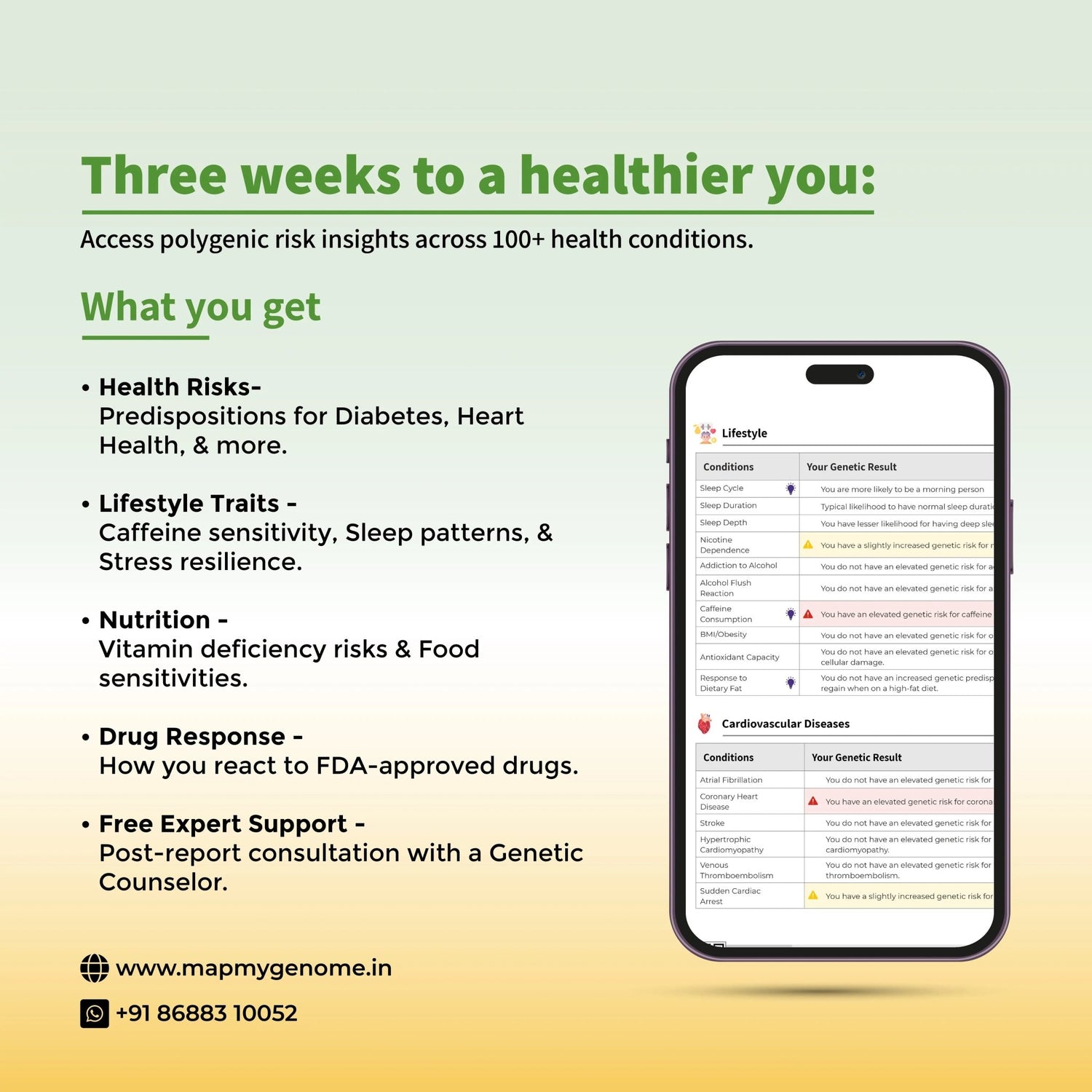
Not everyone responds to diet and exercise the same way — and genetics is a major reason why. Your genes influence your metabolic rate, fat storage patterns, appetite regulation, and how your body responds to different types of exercise. Understanding your genetic profile can help you personalise your approach to belly fat loss rather than following a generic plan.
Your Belly Fat Battle Has a Genetic Component
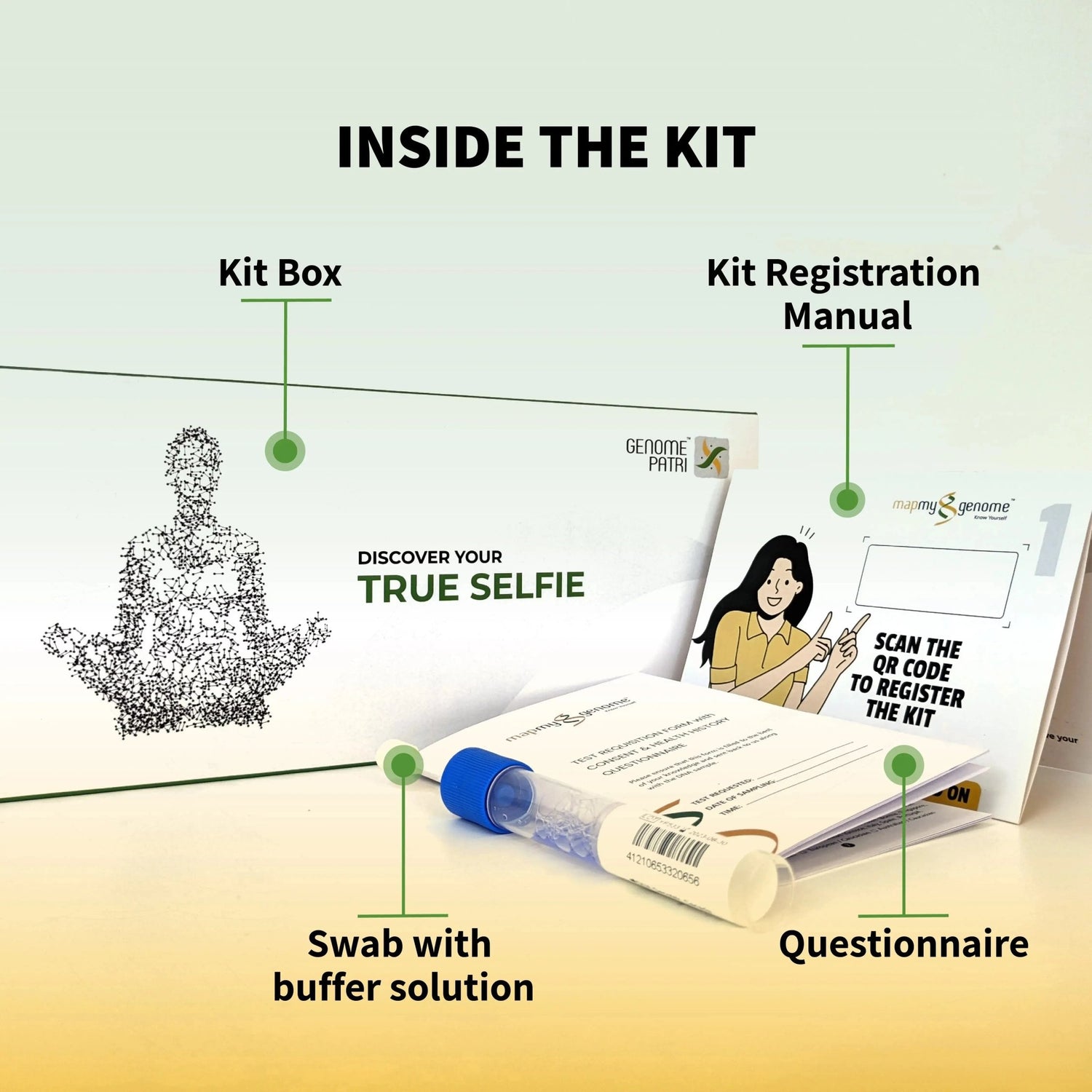
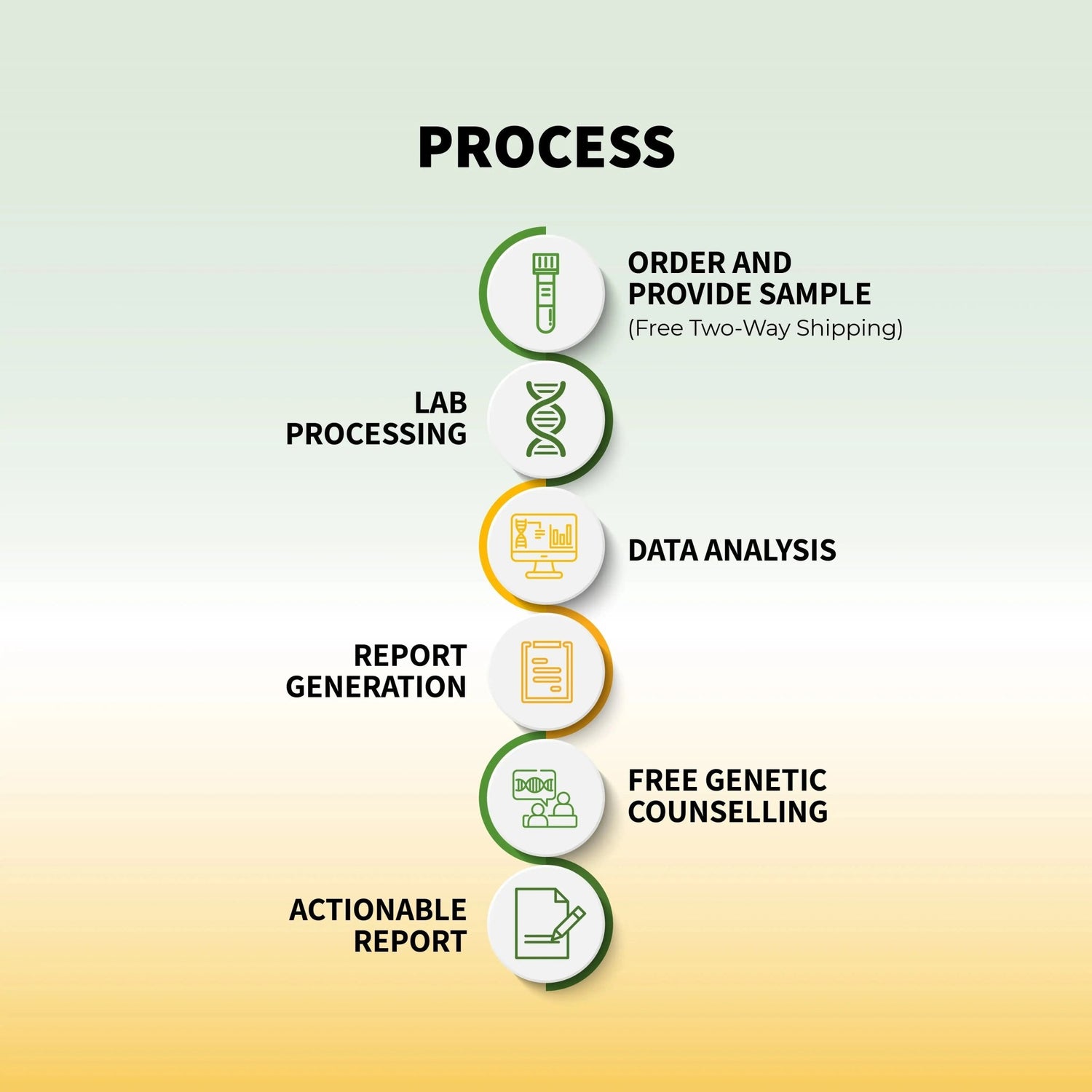
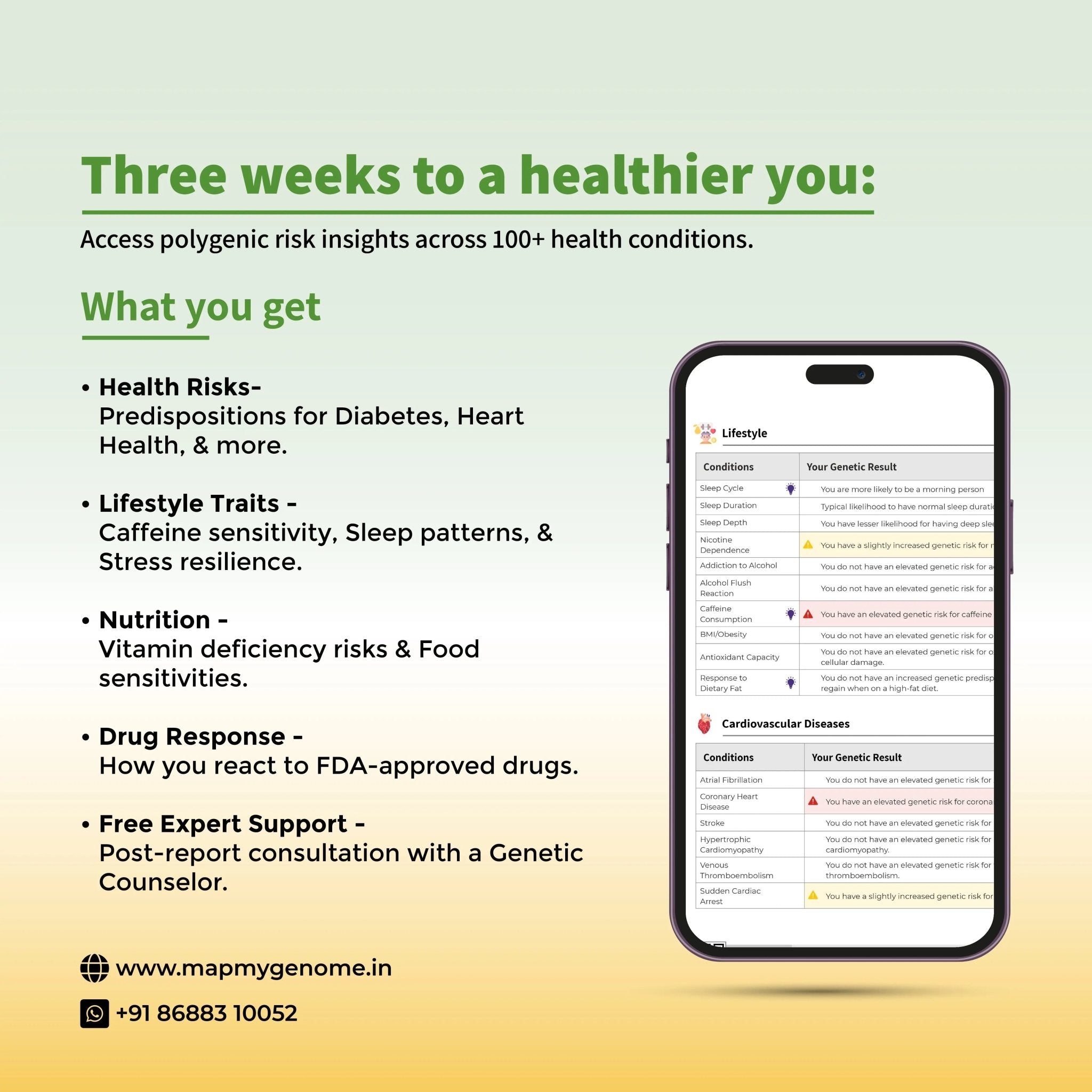
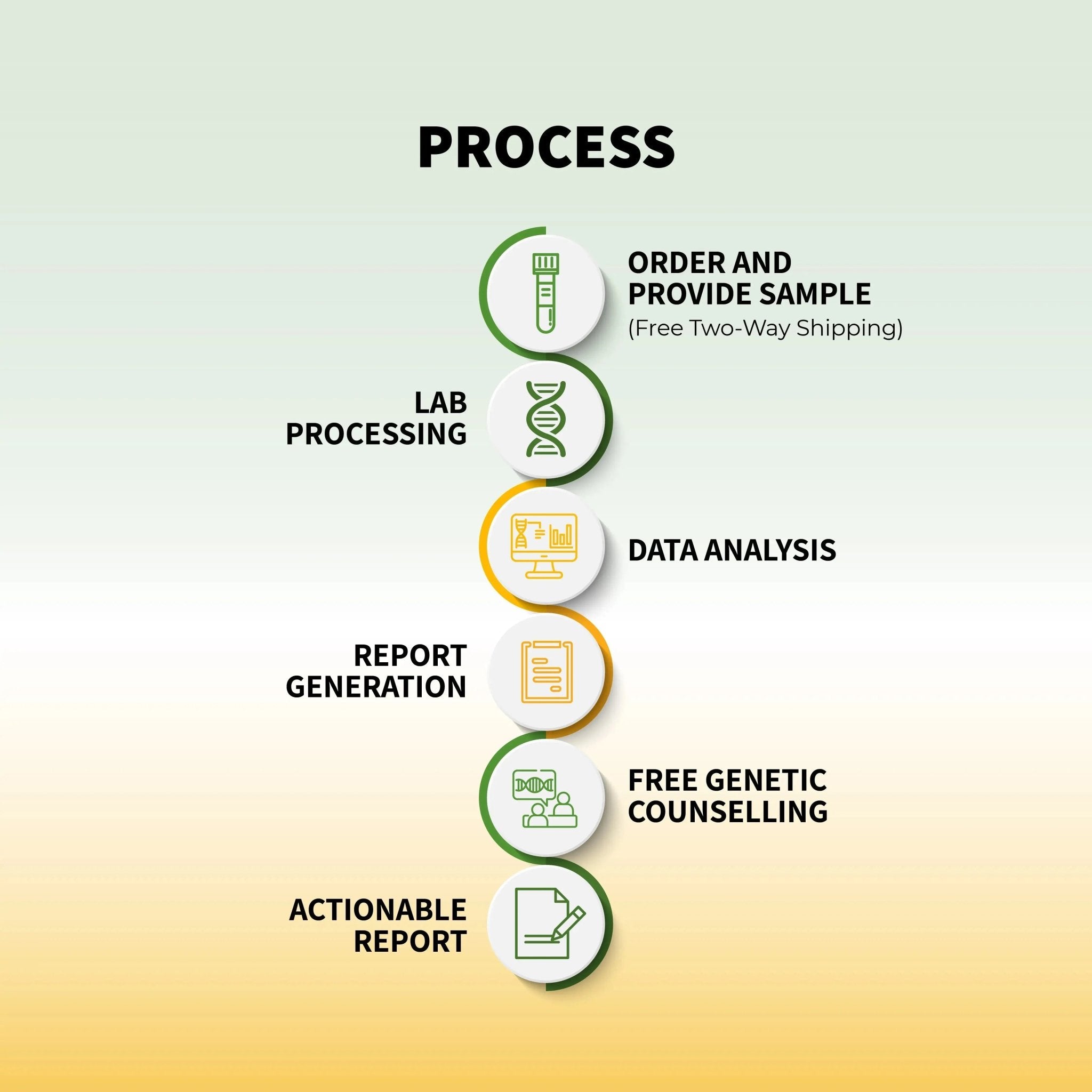
Genomepatri and MyFitGene by MapmyGenome reveal your genetic predisposition to obesity, metabolic efficiency, fat metabolism, and optimal exercise response — so you can build a weight loss plan that actually works for your biology.