

A Tale of the Birds and the Bees… and Genetics!
What Is Infertility?
Infertility is a complex condition of the reproductive system, defined as the inability to achieve pregnancy after one year (or longer) of unprotected sex. Infertility is equally attributed to men and women — and is not uncommon. Nearly 15% of all couples planning a pregnancy experience infertility.
Infertility Can Have a Genetic Cause
Approximately 10% of couples experiencing infertility have an underlying genetic cause. In the absence of a genetic evaluation, couples are routinely subjected to a battery of physical tests that are not only expensive and time-consuming, but can also cause significant psychological distress. Identifying the exact cause of infertility facilitates more well-informed medical decisions, can help parents-to-be understand any potential risks for their future children, and can guide appropriate treatment.
The use of intracytoplasmic sperm injection (ICSI) in the treatment of infertility has raised major concerns about risks to the offspring, as it bypasses the natural physiological mechanisms that lead to fertilisation. While natural selection prevents the transmission of mutations causing infertility, this protective mechanism is overcome by assisted reproduction techniques (ART). Consequently, the risk of a genetic cause of infertility increases in future generations — making genetic evaluation good practice for the appropriate management of the infertile couple.
Common Genetic Causes of Infertility
Chromosomal abnormalities — including Klinefelter syndrome (XXY) in men and Turner syndrome (XO) in women
Y chromosome microdeletions — a common genetic cause of male infertility, affecting sperm production
CFTR mutations — mutations in the cystic fibrosis gene can cause congenital absence of the vas deferens (CAVD) in men, leading to obstructive azoospermia
Fragile X premutation — associated with premature ovarian insufficiency (POI) in women
Single gene disorders — mutations in genes regulating hormone production, sperm function, or egg development
The Role of Genetic Counselling
A genetic counsellor can help couples understand the genetic basis of their infertility, the implications for their children, and the options available to them — including preimplantation genetic testing (PGT), prenatal diagnosis, donor gametes, and adoption.
Genetic Evaluation for Infertility
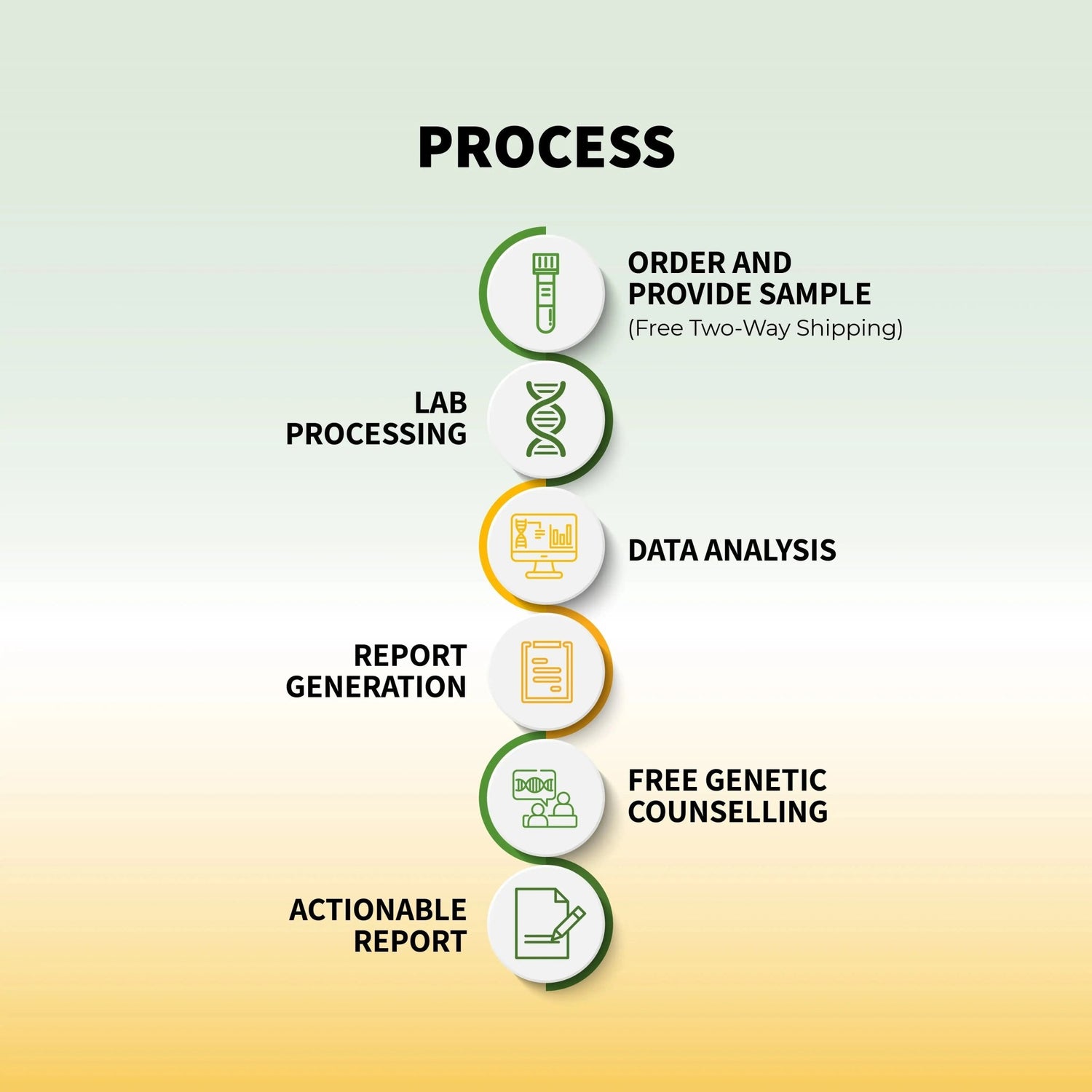
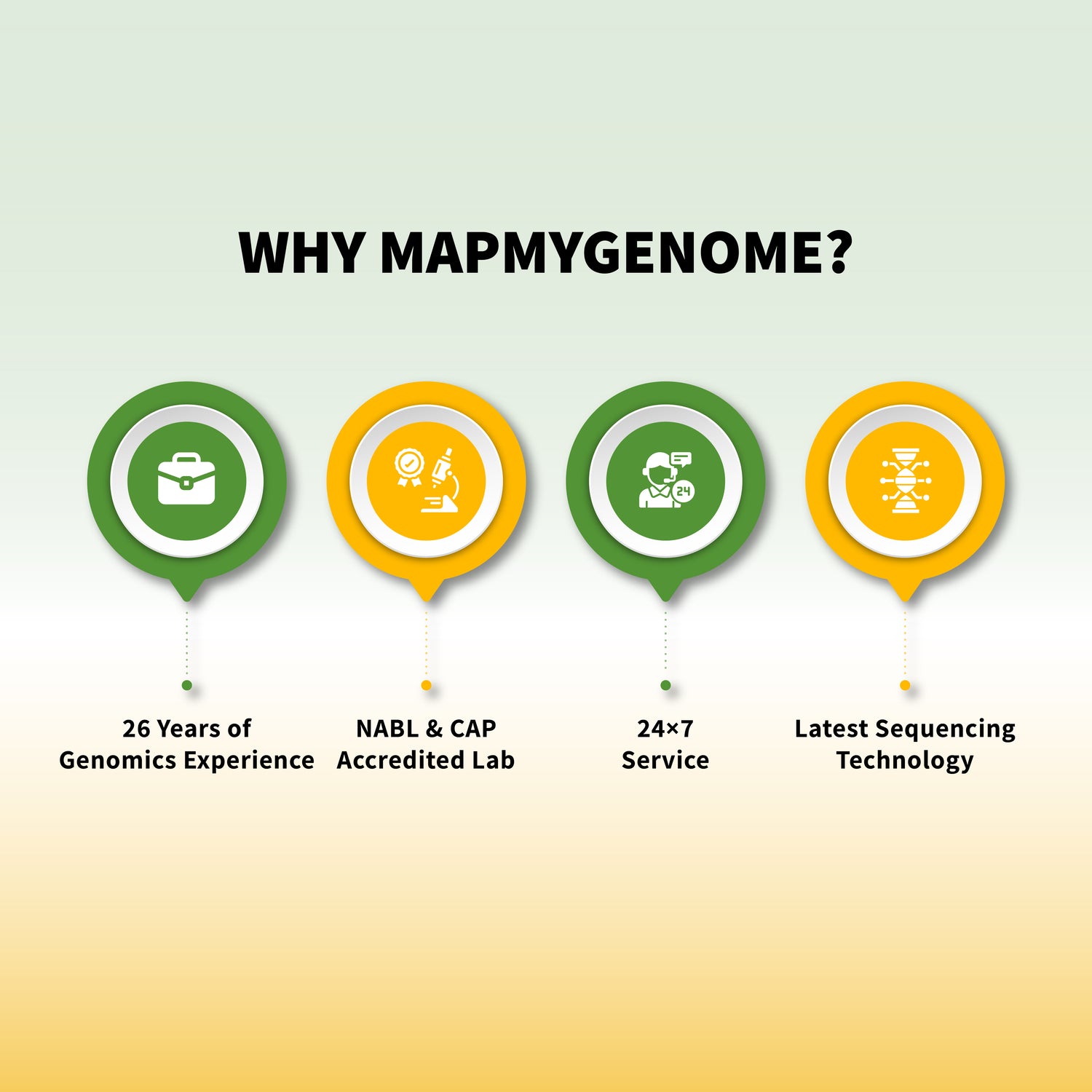
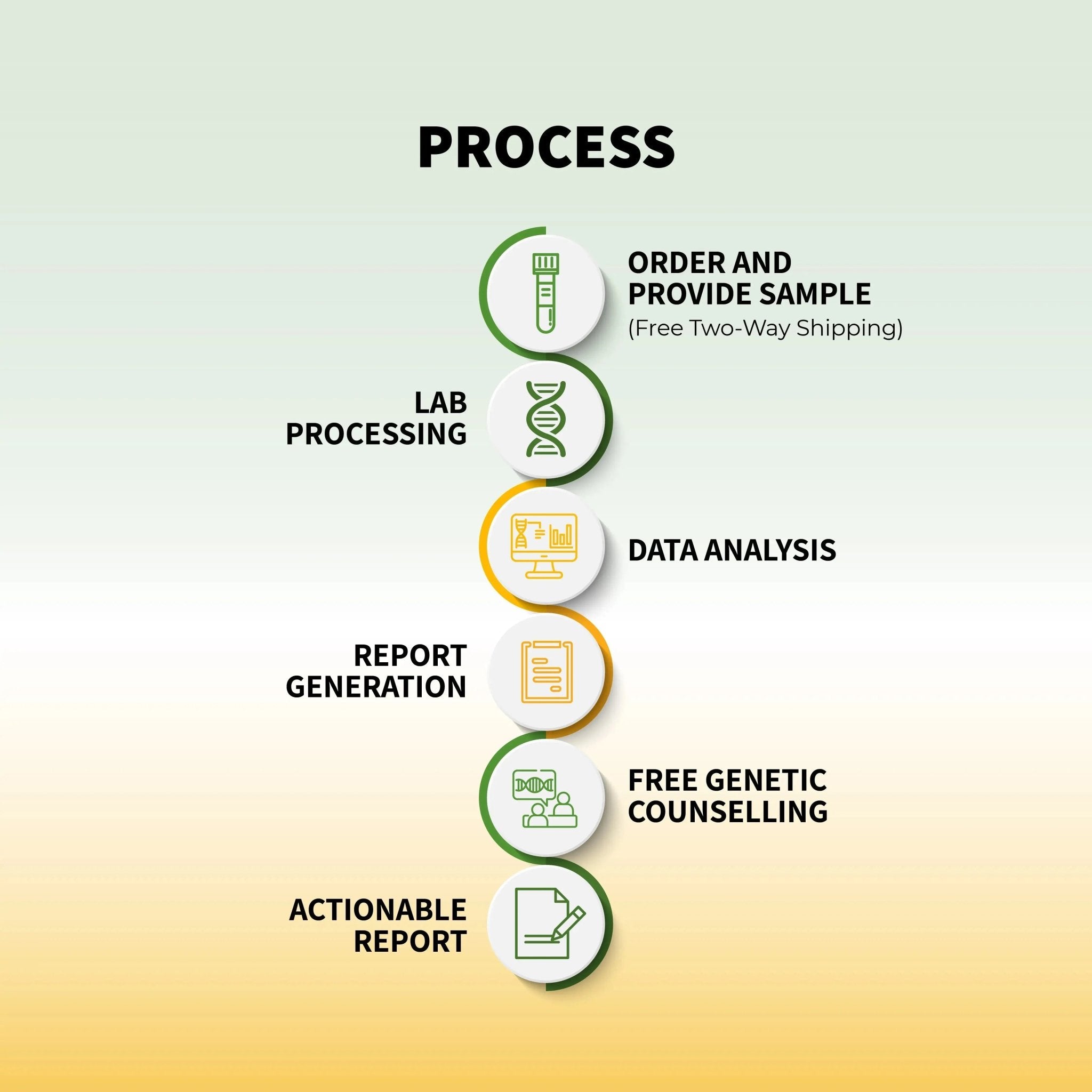
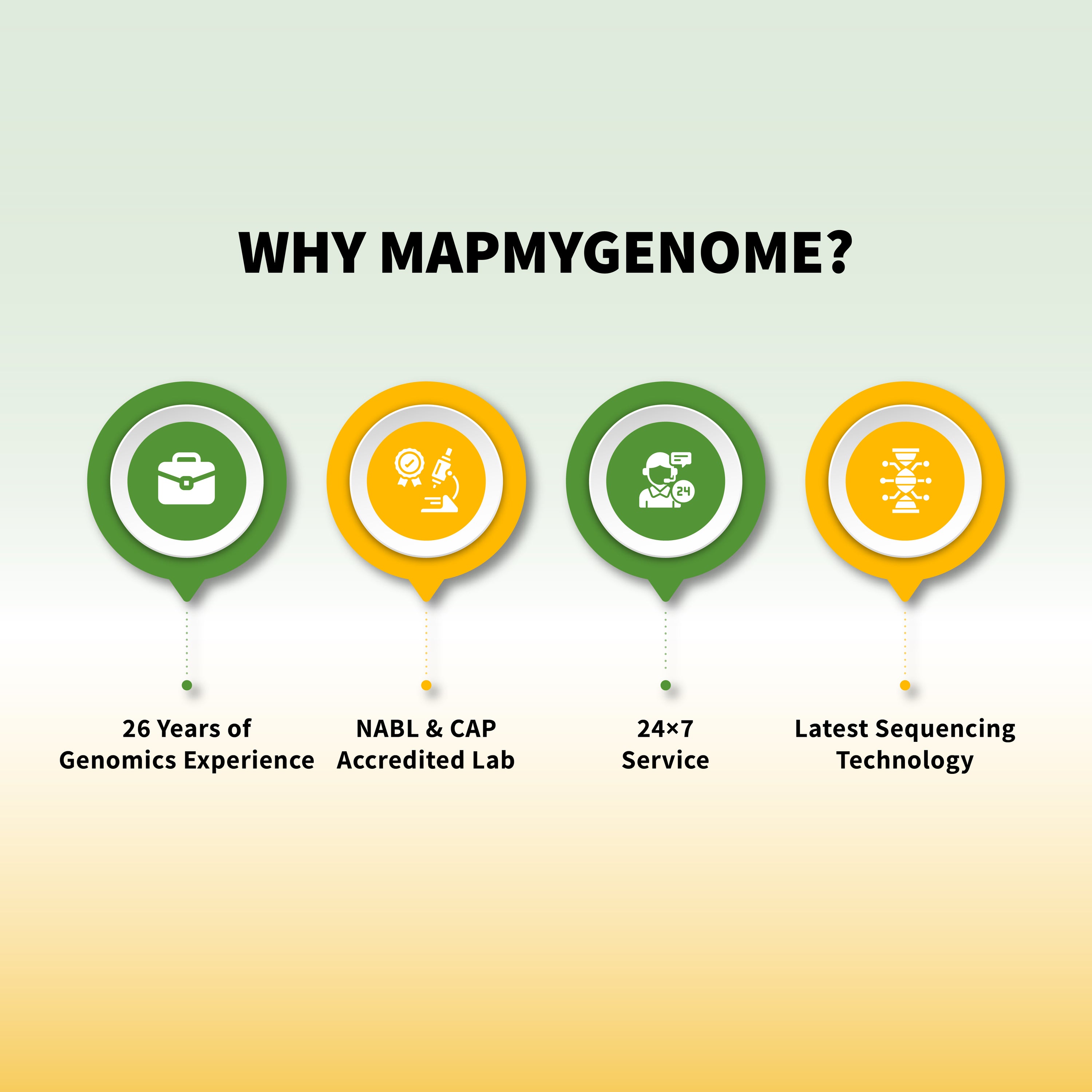
MapmyGenome offers genetic testing and certified genetic counselling for couples experiencing infertility — including chromosomal analysis, Y chromosome microdeletion testing, carrier screening, and Whole Exome Sequencing. CAP & NABL-accredited laboratory.