Turning 50 is a milestone — and so is taking your preventive health seriously. The screenings you prioritize in your 50s and beyond can detect conditions early, when they're most treatable, and help you maintain the quality of life you've worked hard to build.
Why Preventive Screenings Matter After 50
Many of the most serious health conditions — cardiovascular disease, cancer, diabetes, osteoporosis — develop silently over years before symptoms appear. Regular screenings catch these conditions at their earliest, most manageable stages. Combined with genetic insights into your personal risk profile, preventive screenings become even more powerful.
Essential Screenings for Adults 50+
1. Cardiovascular Risk Panel
Includes blood pressure measurement, fasting lipid profile (total cholesterol, LDL, HDL, triglycerides), fasting blood glucose, and hs-CRP (high-sensitivity C-reactive protein for inflammation). Recommended annually or as advised by your doctor.
2. Colorectal Cancer Screening
Colonoscopy is the gold standard, recommended every 10 years from age 50 (or earlier with a family history). Stool-based tests (FIT, FOBT) can be done annually as an alternative. Colorectal cancer is highly treatable when caught early.
3. Blood Sugar and Diabetes Screening
Fasting blood glucose and HbA1c (3-month average blood sugar) should be checked annually. Type 2 diabetes risk increases significantly after 45, and pre-diabetes is often reversible with lifestyle changes if caught early.
4. Bone Density Scan (DEXA)
Recommended for women from age 50 (or at menopause) and men from age 70. Osteoporosis is often silent until a fracture occurs. Early detection allows for preventive treatment and lifestyle modifications.
5. Cancer Screenings
- Breast cancer: Mammogram every 1–2 years for women 50+
- Cervical cancer: Pap smear every 3–5 years (or as advised)
- Prostate cancer: PSA test discussion with your doctor from age 50 (or 45 with family history)
- Lung cancer: Low-dose CT scan for high-risk individuals (heavy smokers aged 50–80)
6. Eye and Hearing Examinations
Glaucoma, macular degeneration, and age-related hearing loss often develop gradually. Annual eye exams and hearing assessments from age 50 allow for early intervention.
7. Thyroid Function Test
TSH (thyroid-stimulating hormone) levels should be checked every 3–5 years, or more frequently if you have symptoms or a family history of thyroid disease. Thyroid disorders are common after 50 and significantly affect energy, weight, and mood.
8. Genetic Risk Assessment
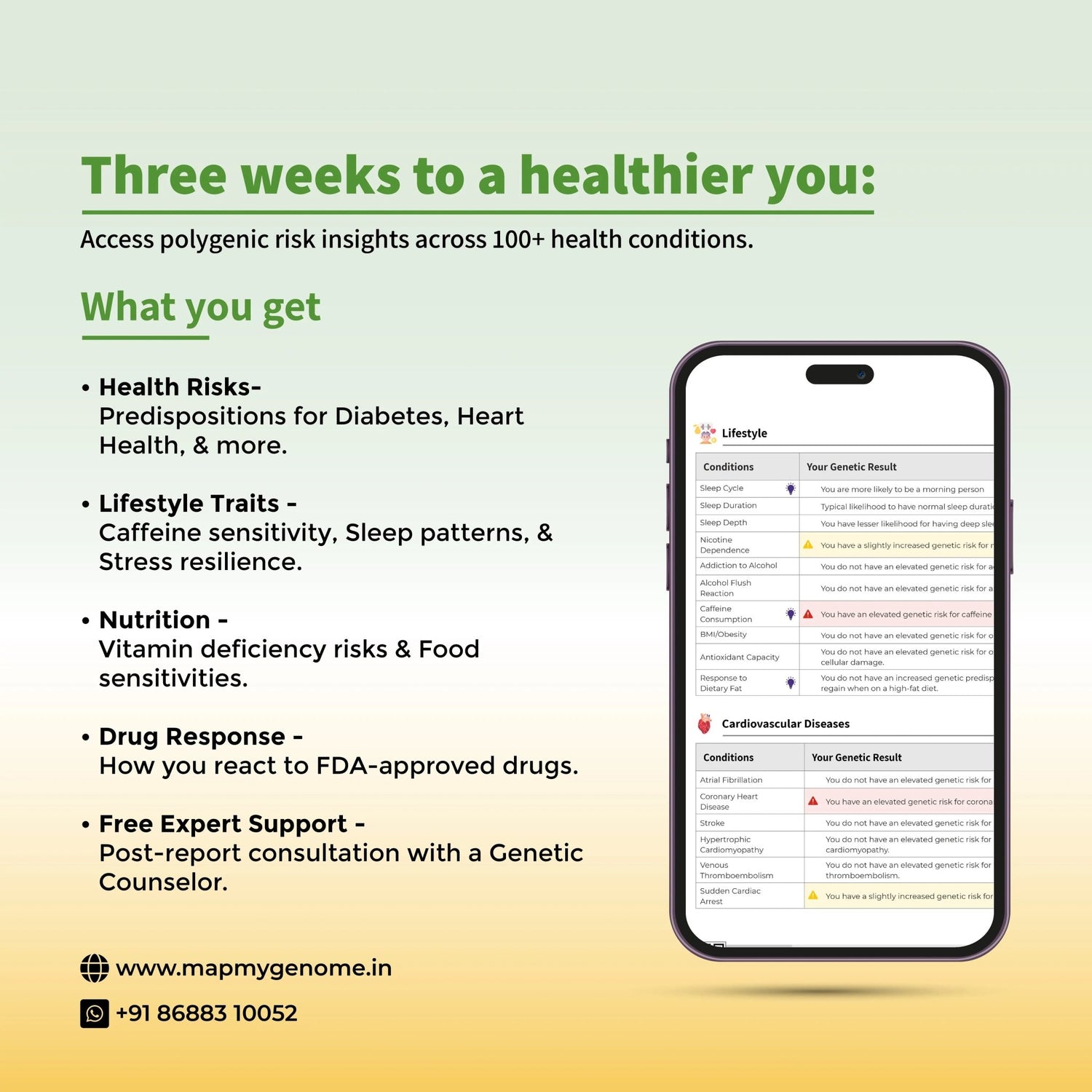
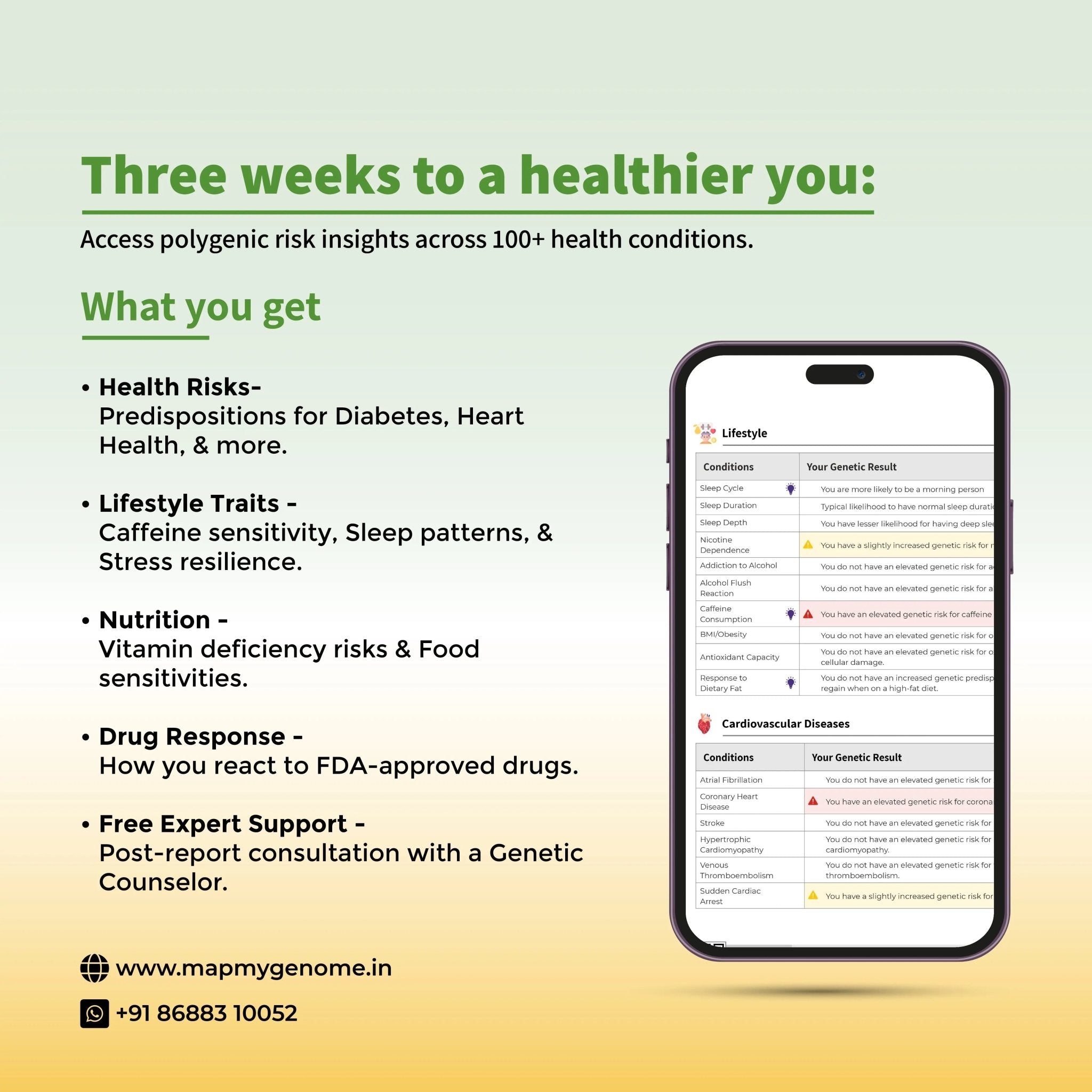
If you haven't already, a comprehensive genetic health test can identify your inherited risk for conditions like hereditary cancers, cardiovascular disease, and metabolic disorders — allowing you to prioritize the screenings most relevant to your personal risk profile.
Building Your Preventive Health Plan
The most effective approach combines regular clinical screenings with an understanding of your genetic risk profile. Knowing which conditions you're genetically predisposed to allows you to screen more frequently for those specific risks and take targeted preventive action.
FAQs
How often should I get a full health check-up after 50?
A comprehensive annual health check-up is recommended. Specific screenings may be more or less frequent depending on your personal and family history.
Are genetic tests useful for people over 50?
Absolutely. Genetic testing at any age provides valuable insights into your inherited risk profile and can guide which screenings to prioritize and how frequently.
Know Your Genetic Risk — Prioritize the Right Screenings
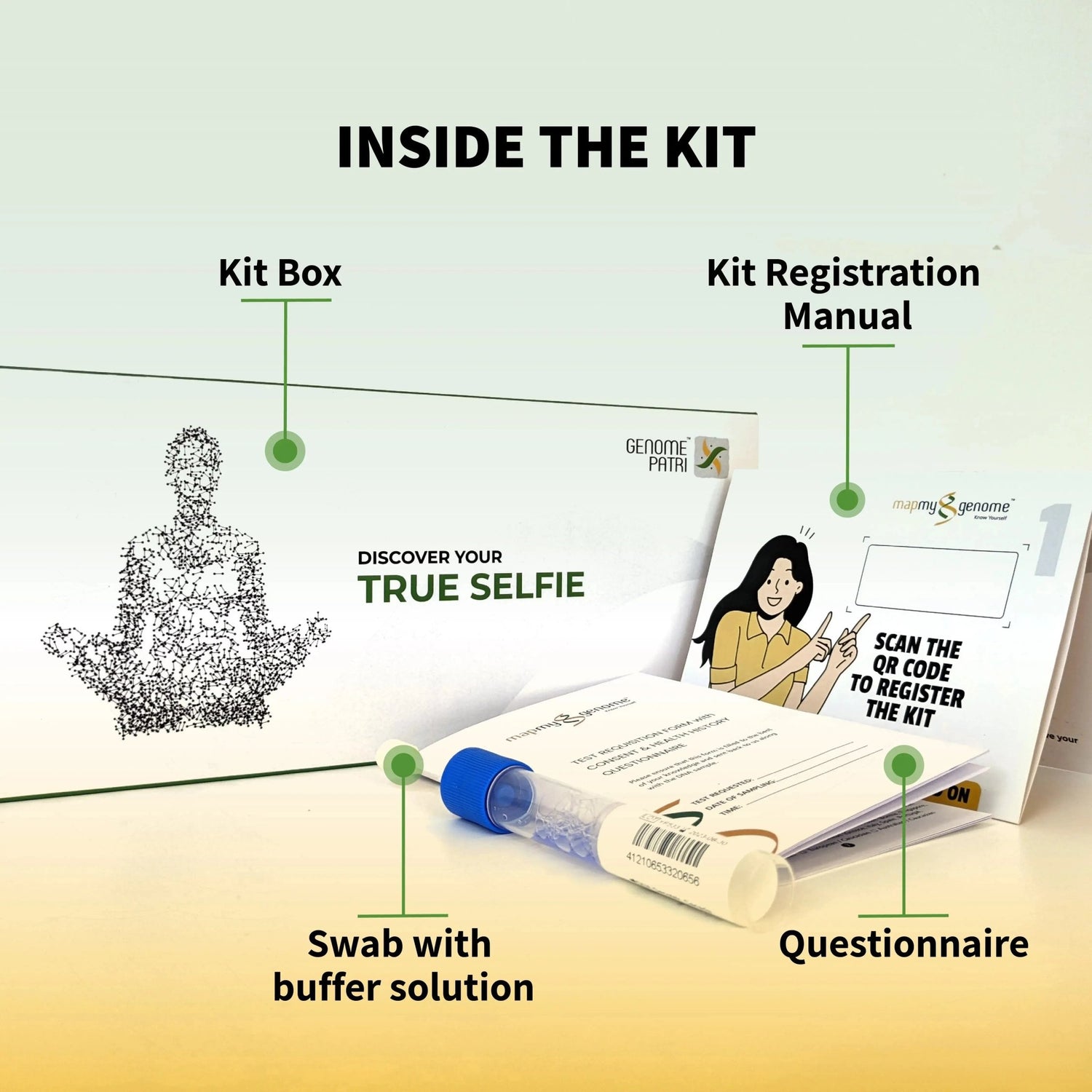
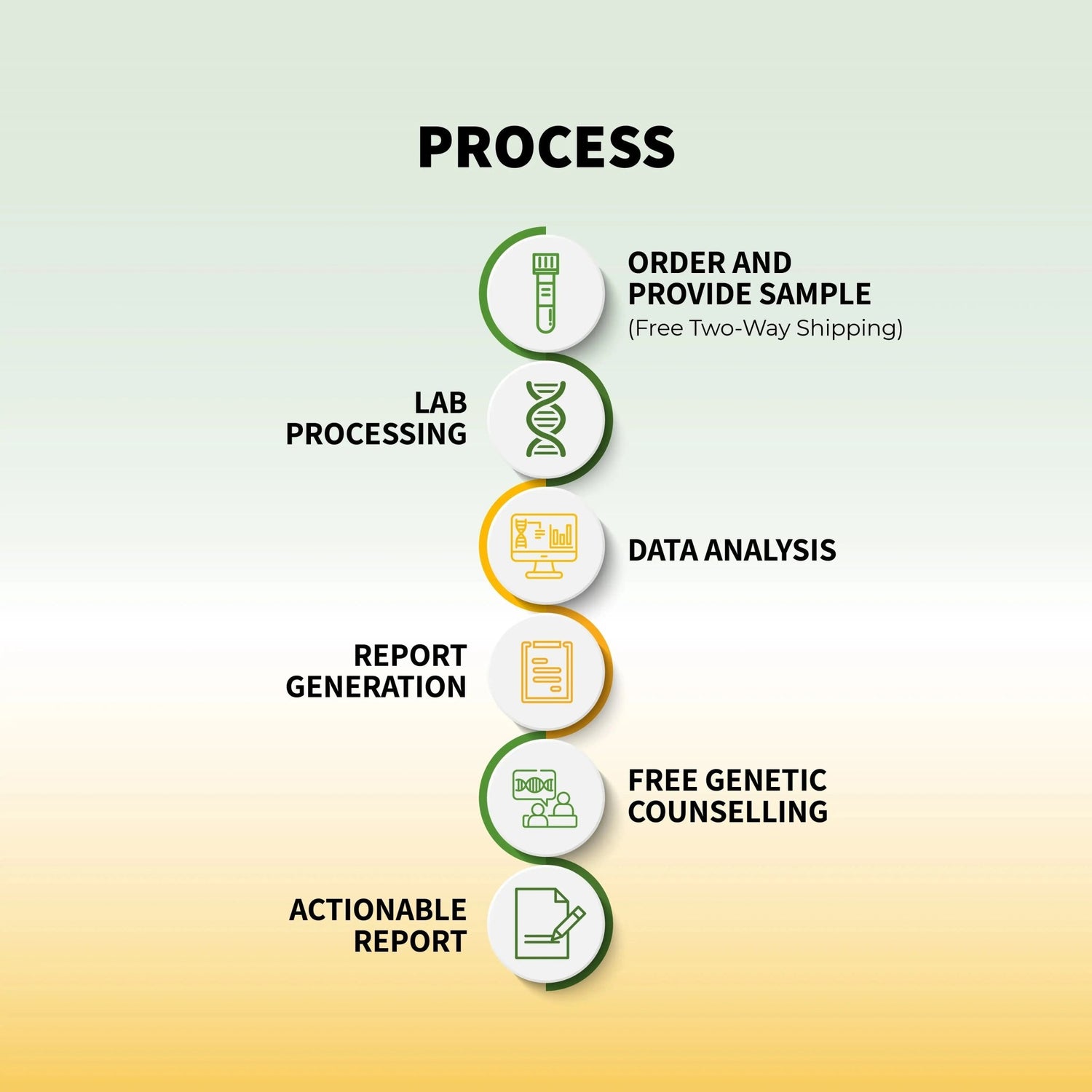
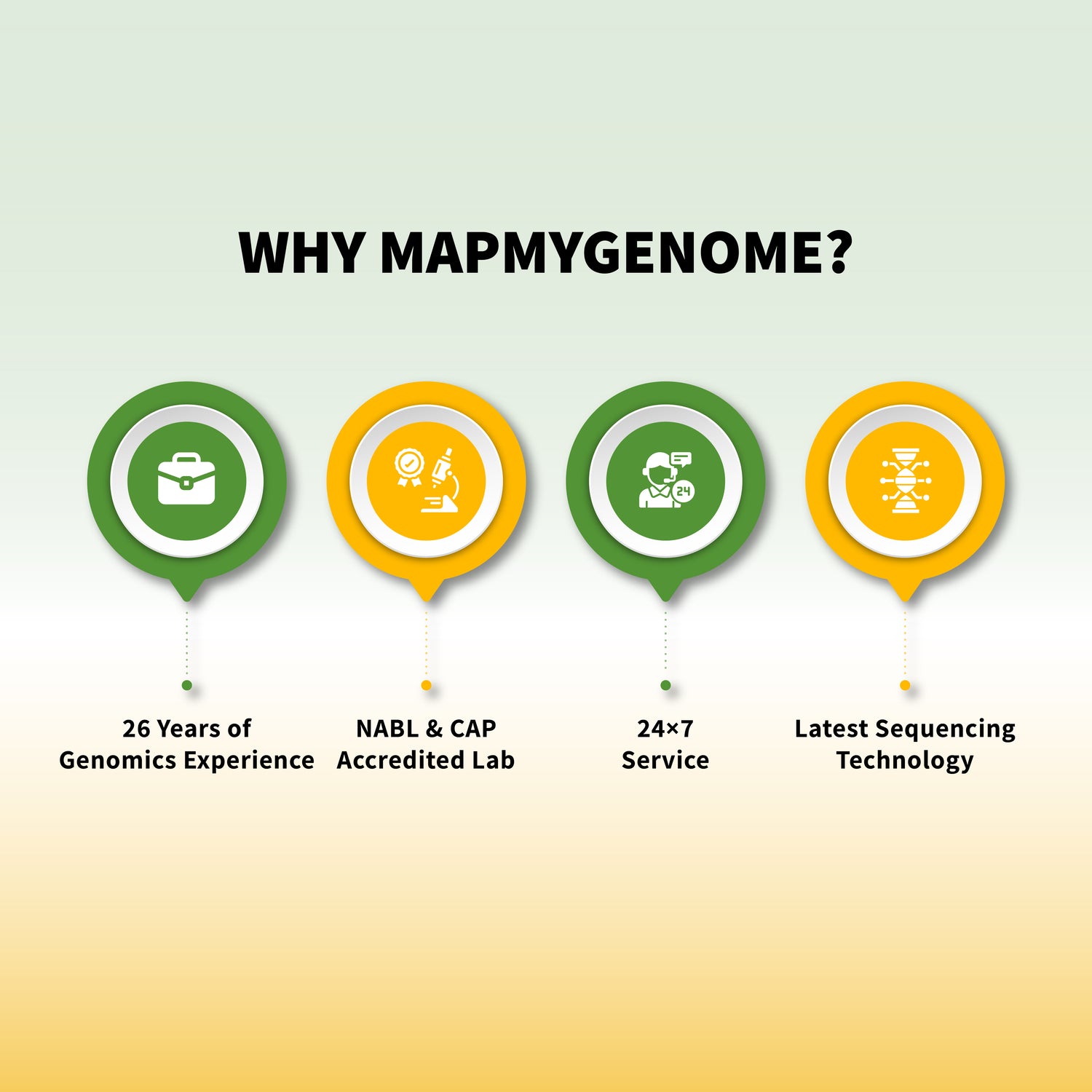
Genomepatri by MapmyGenome assesses your genetic predisposition to 100+ health conditions — helping you and your doctor prioritize the screenings most relevant to your personal risk profile. Backed by NABL-certified labs and expert genetic counsellors.