

We know that diet, exercise, and sleep affect gut health. But there's a less obvious factor that science is increasingly recognizing: your social life. The people you spend time with — your friends, family, and community — may be shaping your gut microbiome in ways you've never considered.
The Social Microbiome: How Relationships Influence Your Gut
Research in social microbiology has found that people who live together, spend significant time together, or have close physical contact tend to share more similar gut microbiomes than strangers. This microbial sharing happens through shared environments, shared food, and even physical contact — handshakes, hugs, and shared spaces all facilitate microbial transfer.
A landmark study found that social network structure — how connected you are to others — is a significant predictor of gut microbiome diversity. More socially connected individuals tend to have more diverse, resilient gut microbiomes.
The Gut-Brain-Social Axis
The gut-brain axis is well established: your gut communicates directly with your brain via the vagus nerve, influencing mood, stress response, and cognition. But this connection runs in both directions. Social stress — loneliness, conflict, social isolation — activates the body's stress response, elevating cortisol and directly disrupting gut microbiome balance.
Conversely, positive social connections reduce cortisol, boost oxytocin, and create conditions in which beneficial gut bacteria thrive. Strong friendships and community bonds may literally be good for your gut.
Cohabitation and Microbial Sharing
People who live together — partners, families, housemates — share a significant proportion of their gut microbiome. This sharing is bidirectional: you influence your housemates' microbiomes and they influence yours. Pets also contribute to household microbial diversity, which is associated with reduced allergy risk and improved immune function.
Emotional Connections and Gut Health
Chronic loneliness is associated with increased systemic inflammation, disrupted sleep, and altered gut microbiome composition — all of which compound each other. Social connection, on the other hand, is one of the strongest predictors of long-term physical and mental health — including gut health.
Practical Implications
- Prioritize in-person social connection — shared meals are particularly powerful for both social bonding and microbiome sharing
- Manage social stress actively — chronic relationship conflict elevates cortisol and disrupts gut balance
- Consider the microbiome impact of your household environment — diverse, nature-rich environments support microbial diversity
- Understand that your gut health is not just individual — it's shaped by your social ecosystem
FAQs
Can spending time with healthy people improve my gut health?
Indirectly, yes. Shared environments, shared food, and physical contact facilitate microbial transfer. People with healthy, diverse microbiomes may positively influence the microbiomes of those around them.
Does loneliness really affect gut health?
Yes. Research consistently links chronic loneliness to increased inflammation, disrupted cortisol rhythms, and reduced gut microbiome diversity — all of which have downstream effects on physical and mental health.
Understand What’s Really Shaping Your Gut
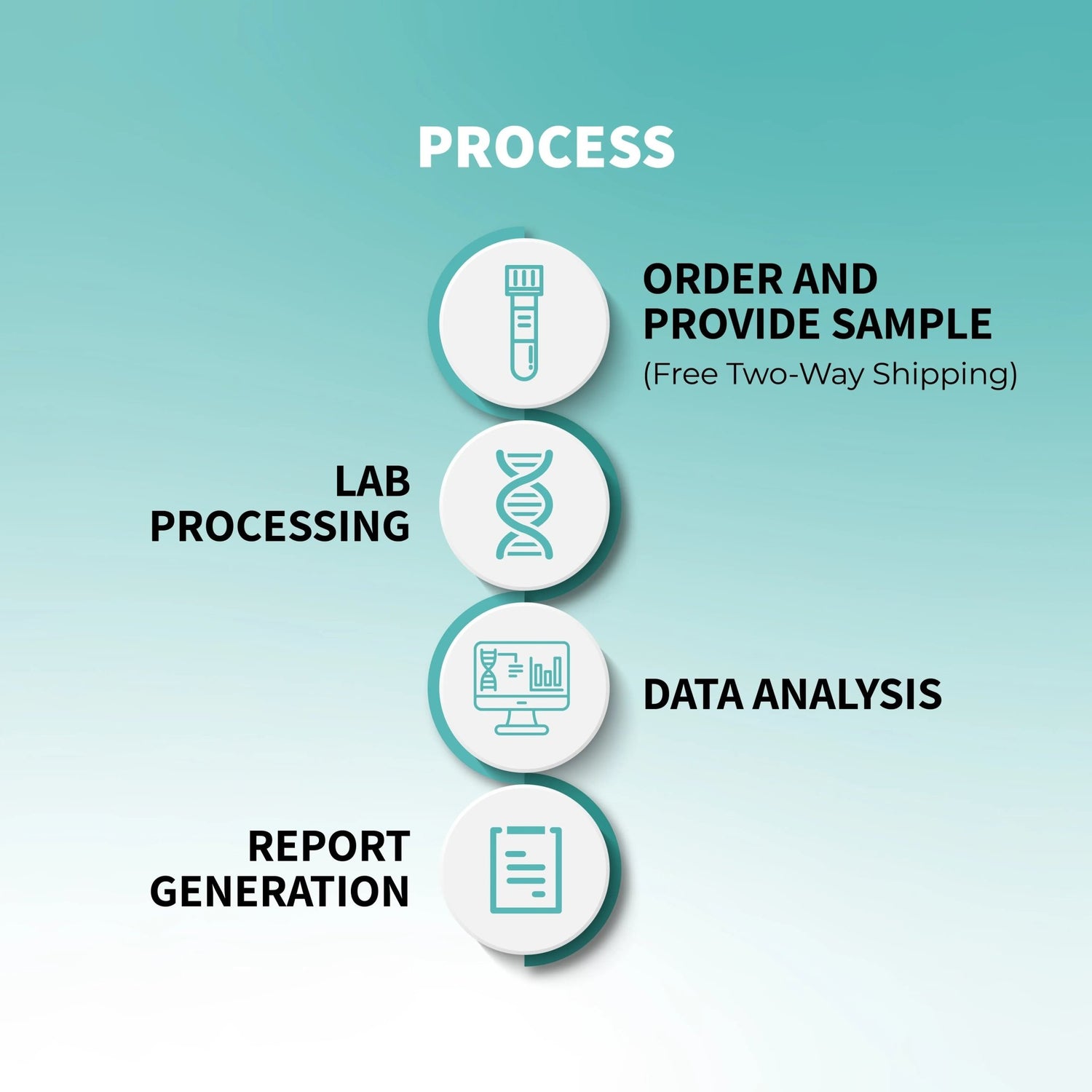
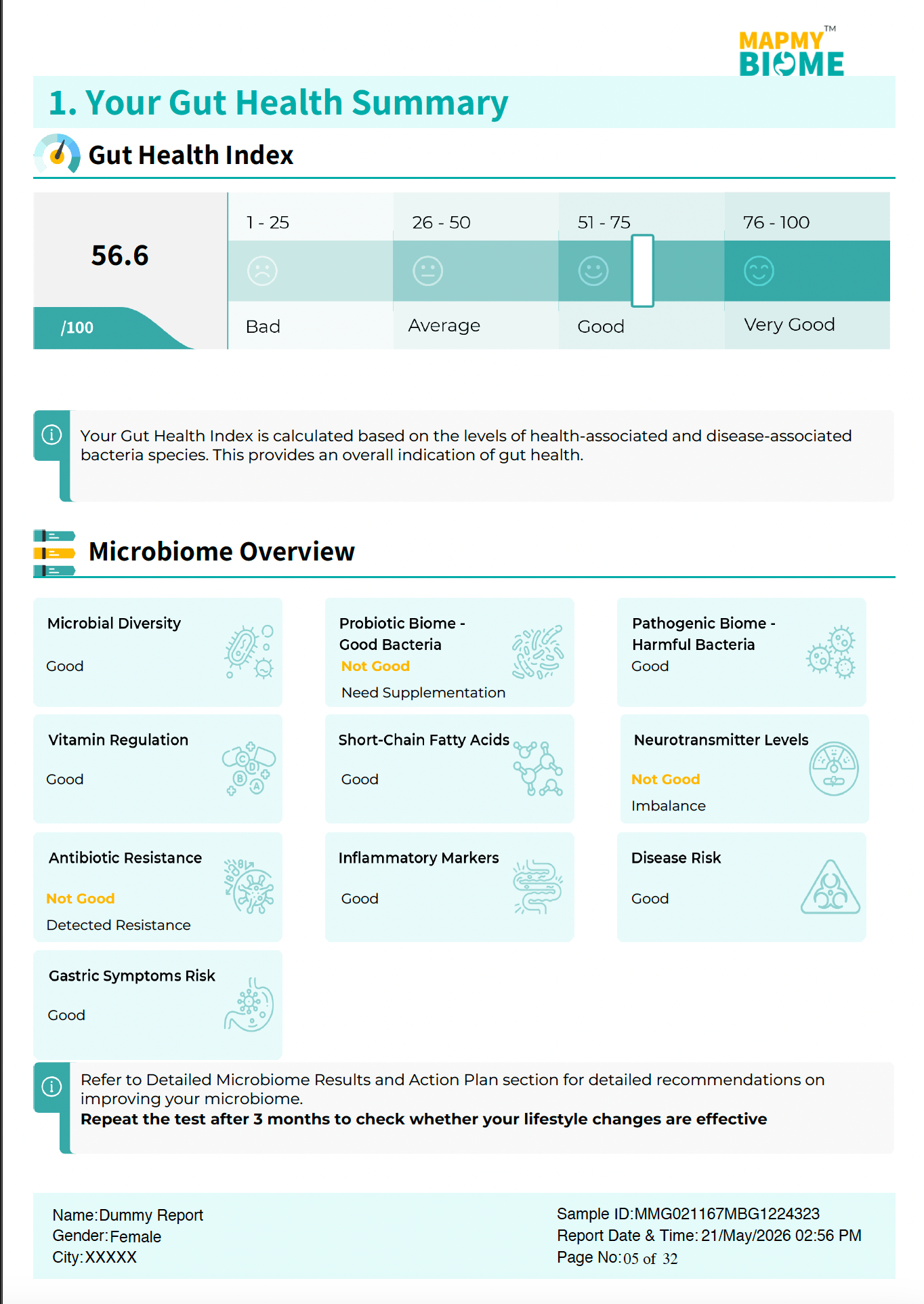
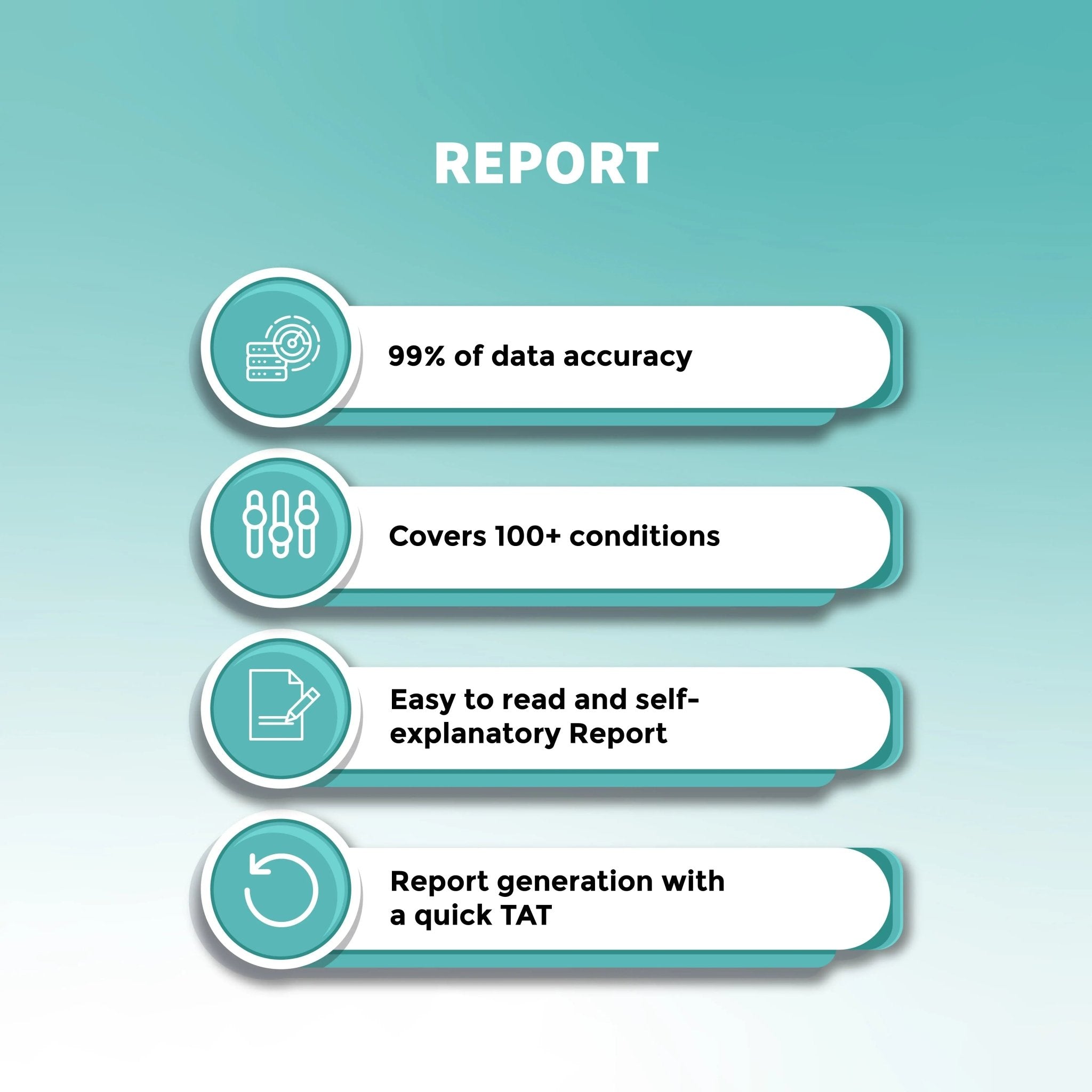
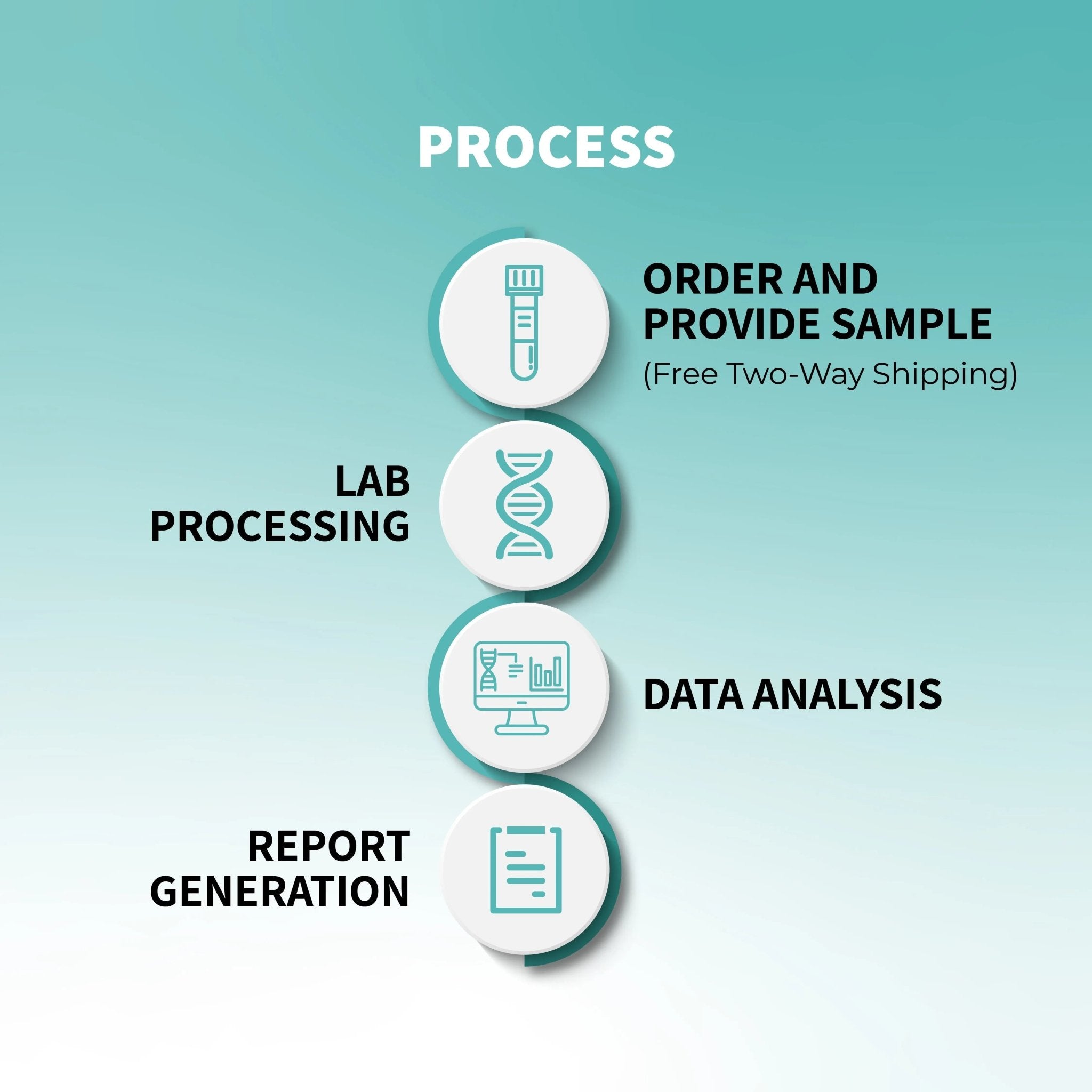
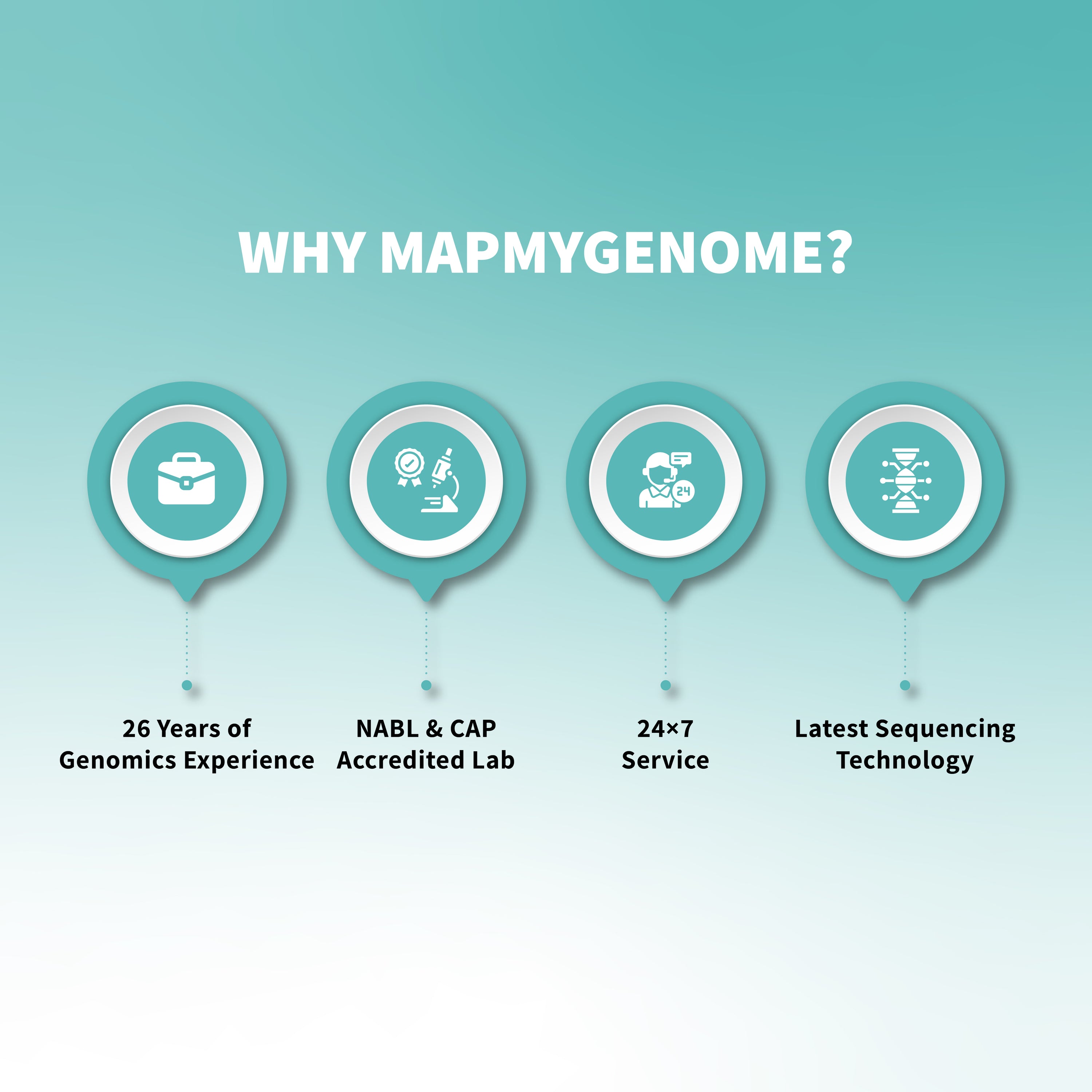
MapmyBiome uses advanced shotgun sequencing to map your unique gut microbiome — revealing the bacterial communities that influence your mood, immunity, and overall health, and giving you personalised recommendations to restore balance.