Prenatal Nutrition: Are You Eating for Two?
Our diet and lifestyle demand changes once the biological clock starts ticking. Easy access to information and awareness has made it essential to be prepared for this crucial stage in life. The more prepared you are — the smoother the journey.
Preconception Is a Good Time to Begin
Your body has to be prepared before conception to ensure a healthy pregnancy. Most miscarriages occur during the first 12 weeks. The child, once conceived, depends on the mother for nutrition — the mother must be fully equipped to meet all those requirements.
Folic Acid
One of the most important supplements given to women 3 months prior to conception to avoid neural defects. The recommended dose is 400 micrograms (0.4 milligrams) of folate or folic acid per day. The early timing of this vitamin is imperative as the neural tube in babies closes during days 21–28 post conception — often before a woman even realises she is pregnant.
Balanced Diet
Each meal should include carbohydrates, fat, and protein in adequate quantities. Reducing sugar and avoiding binge eating will help prevent gestational diabetes. Fathers should also be cautious — obesity and other health conditions affect fertility and sperm quality.
Antioxidants and Probiotics
Meals rich in both provide a major immunity boost. Bell peppers, strawberries, citrus, and cauliflower are rich in antioxidants. Yoghurt is the most common source of probiotics; fermented vegetables are a good alternative.
Post-Conception Nutrition
| Nutrient | Daily requirement for pregnant women |
| Calories | Additional 300, in second and third trimesters |
| Calcium | 1,200 milligrams |
| Folate | 600–800 micrograms |
| Iron | 27 milligrams |
Stay Away From
Avoid alcohol, cigarettes, recreational drugs, uncooked processed meats, and excessive caffeine during pre- and post-conception. Passive smoking is equally harmful — family members around the expecting mother should also be cautious.
Post-Delivery Nutrition
Post-delivery care and diet is even more important as the mother now breastfeeds several times a day. The child builds its immunity and initial vitamin and mineral stock from breast milk — a small change in the mother’s diet can affect the baby’s health. Mild exercise is recommended 6 months post-delivery to slowly improve fitness levels.
Plan Your Family with Genetic Insights
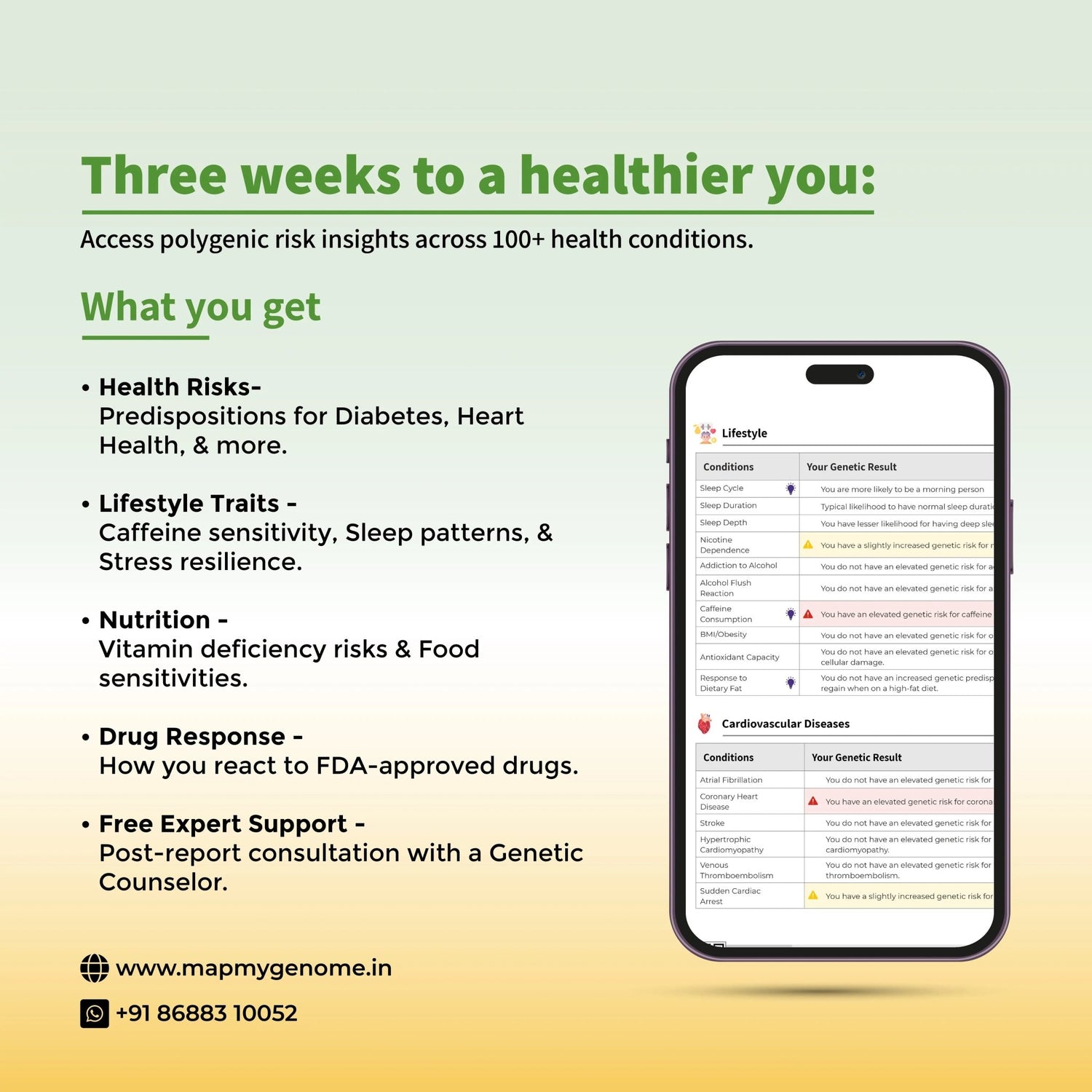
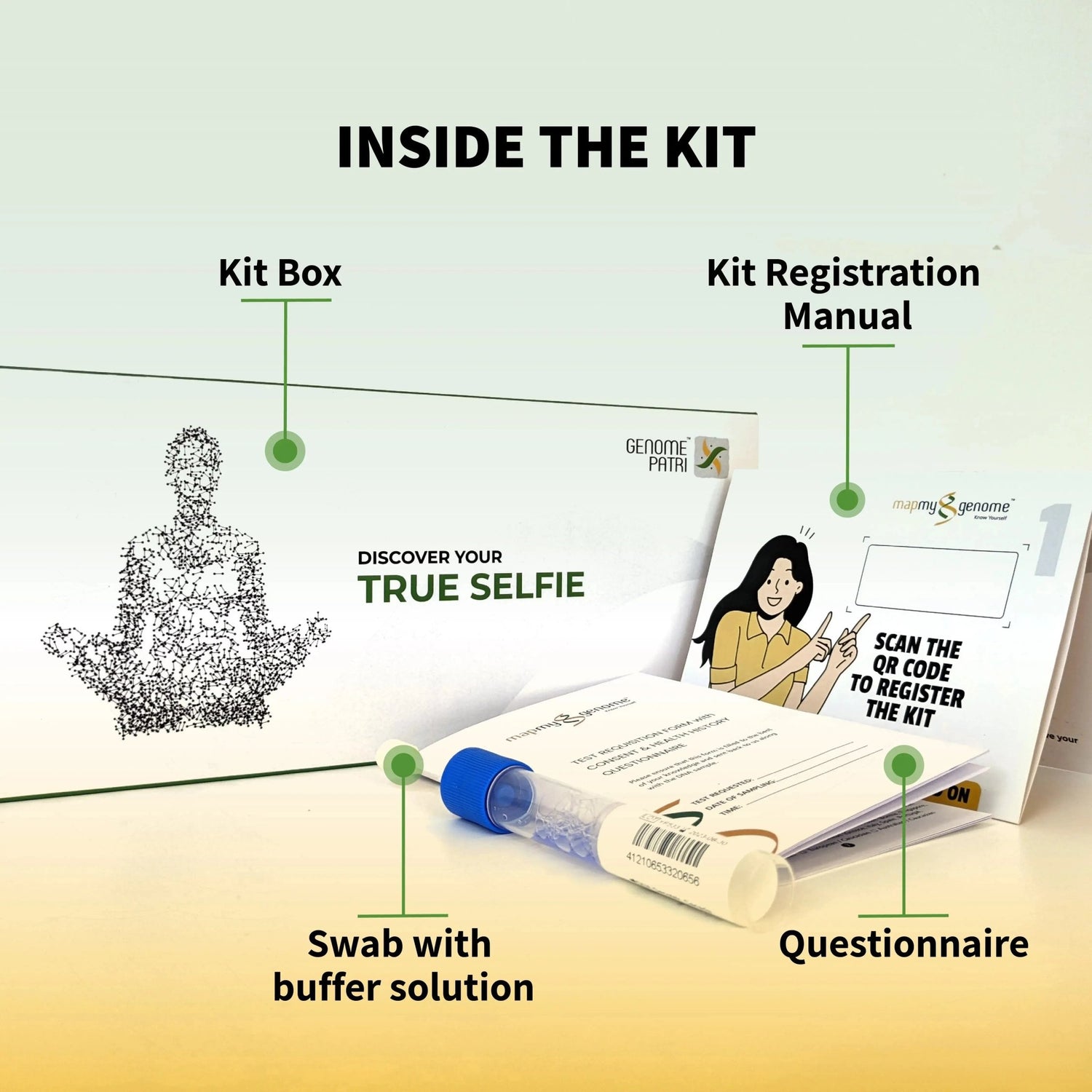
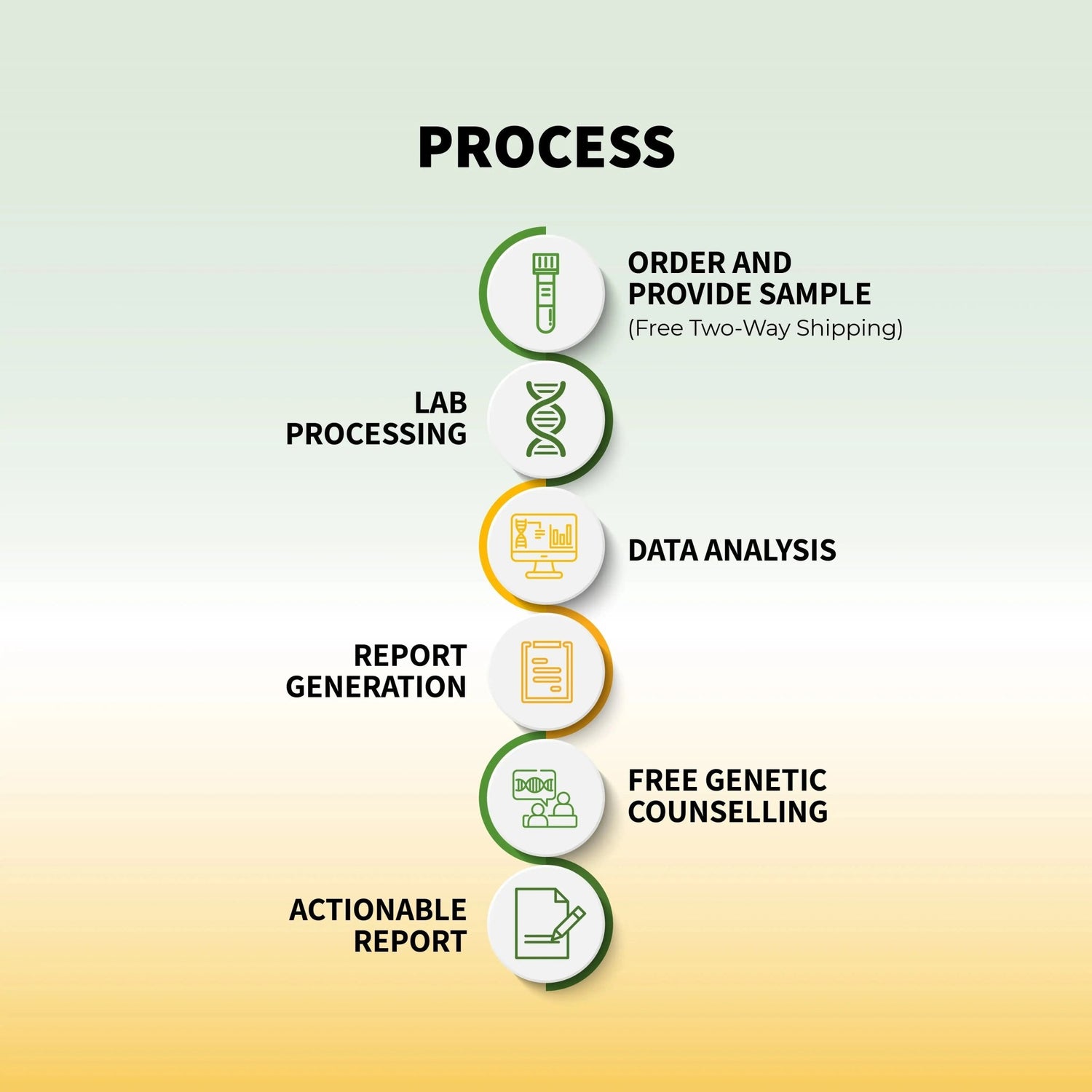
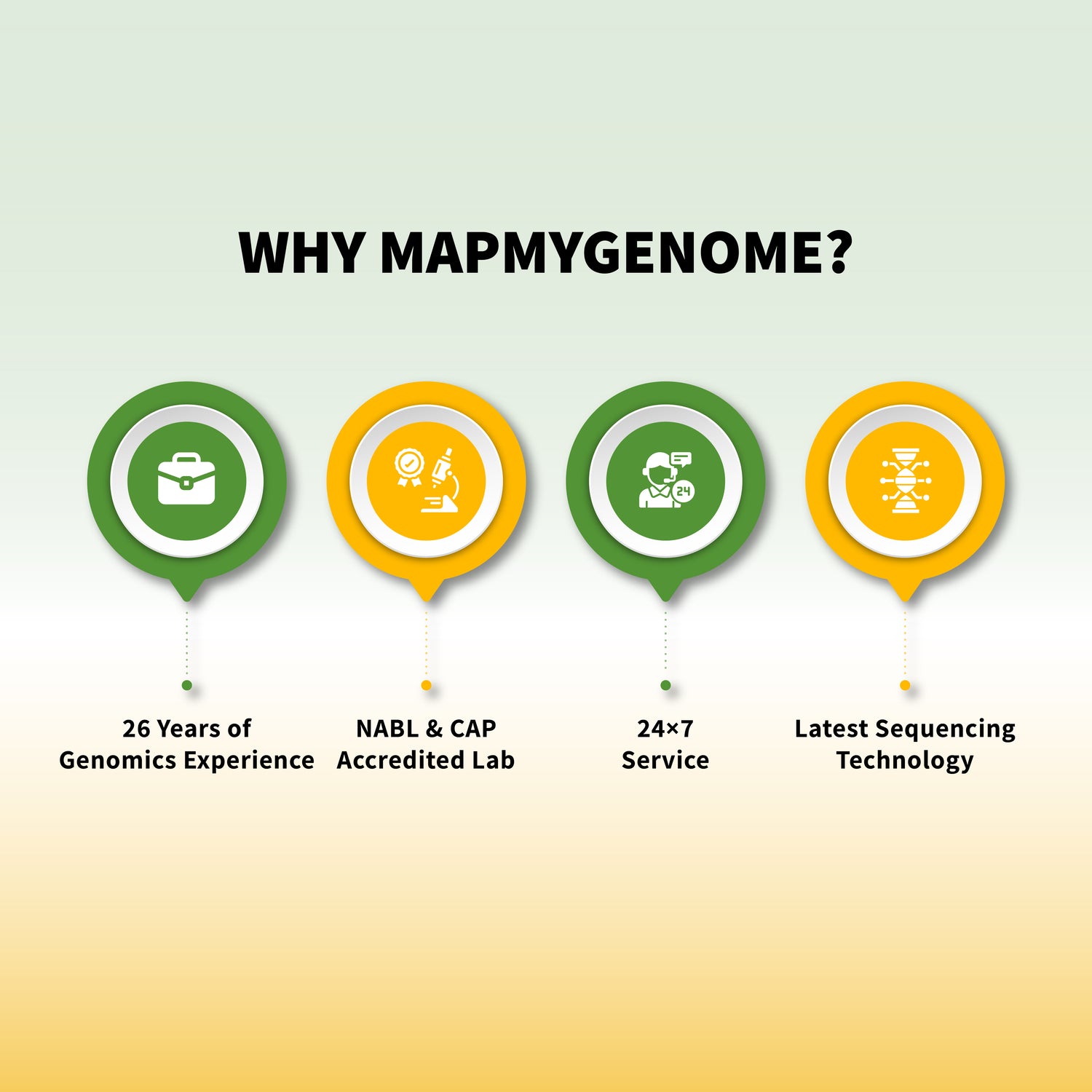
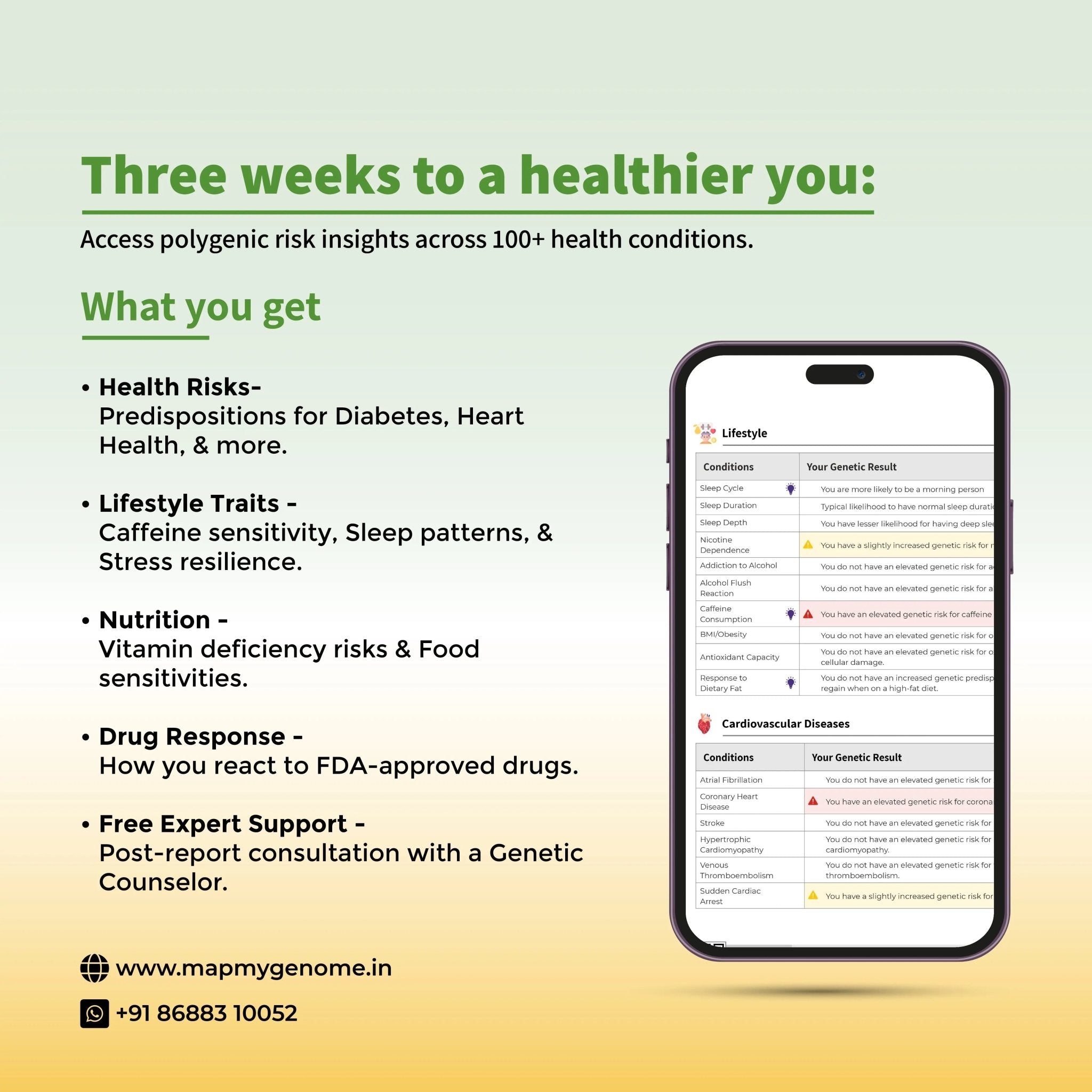
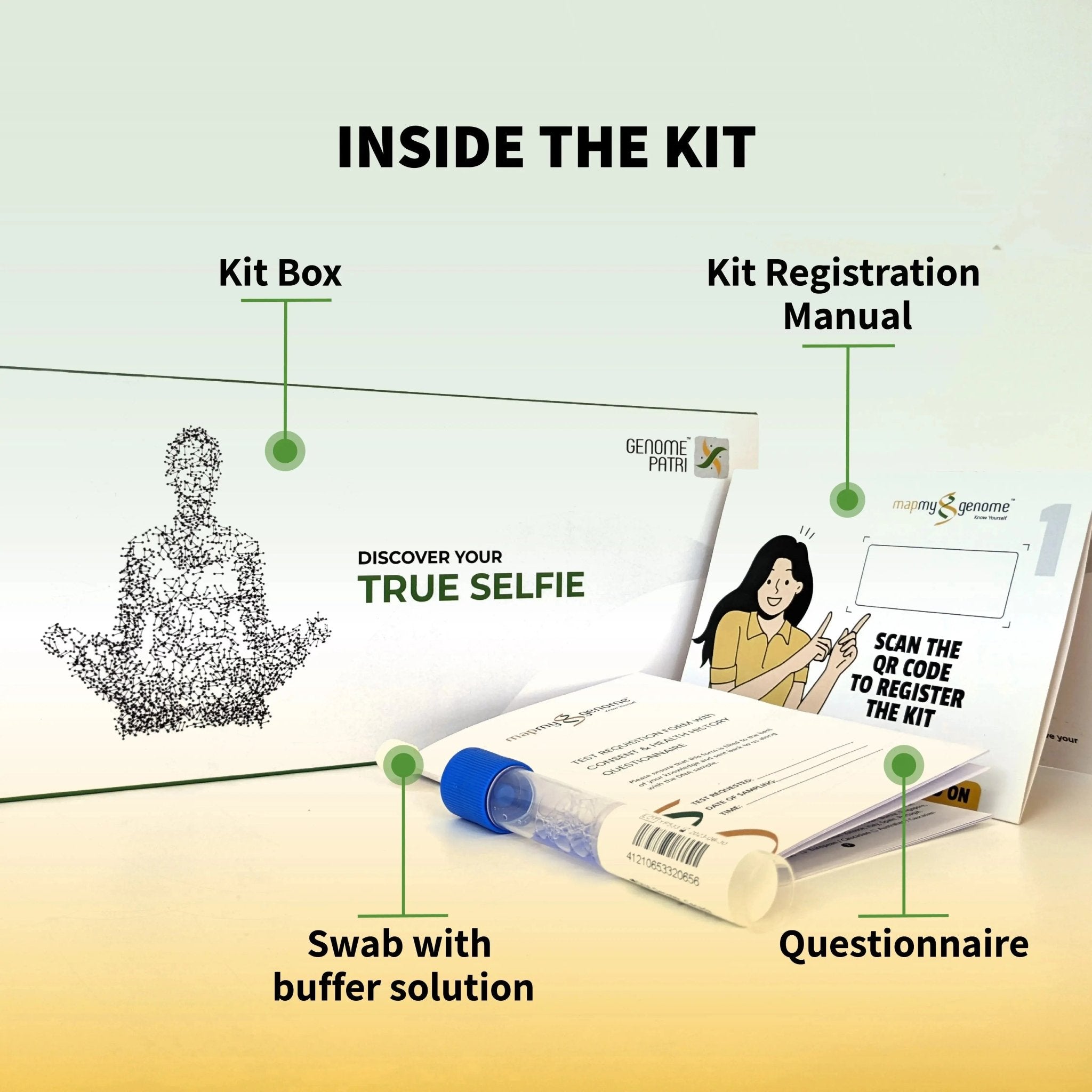
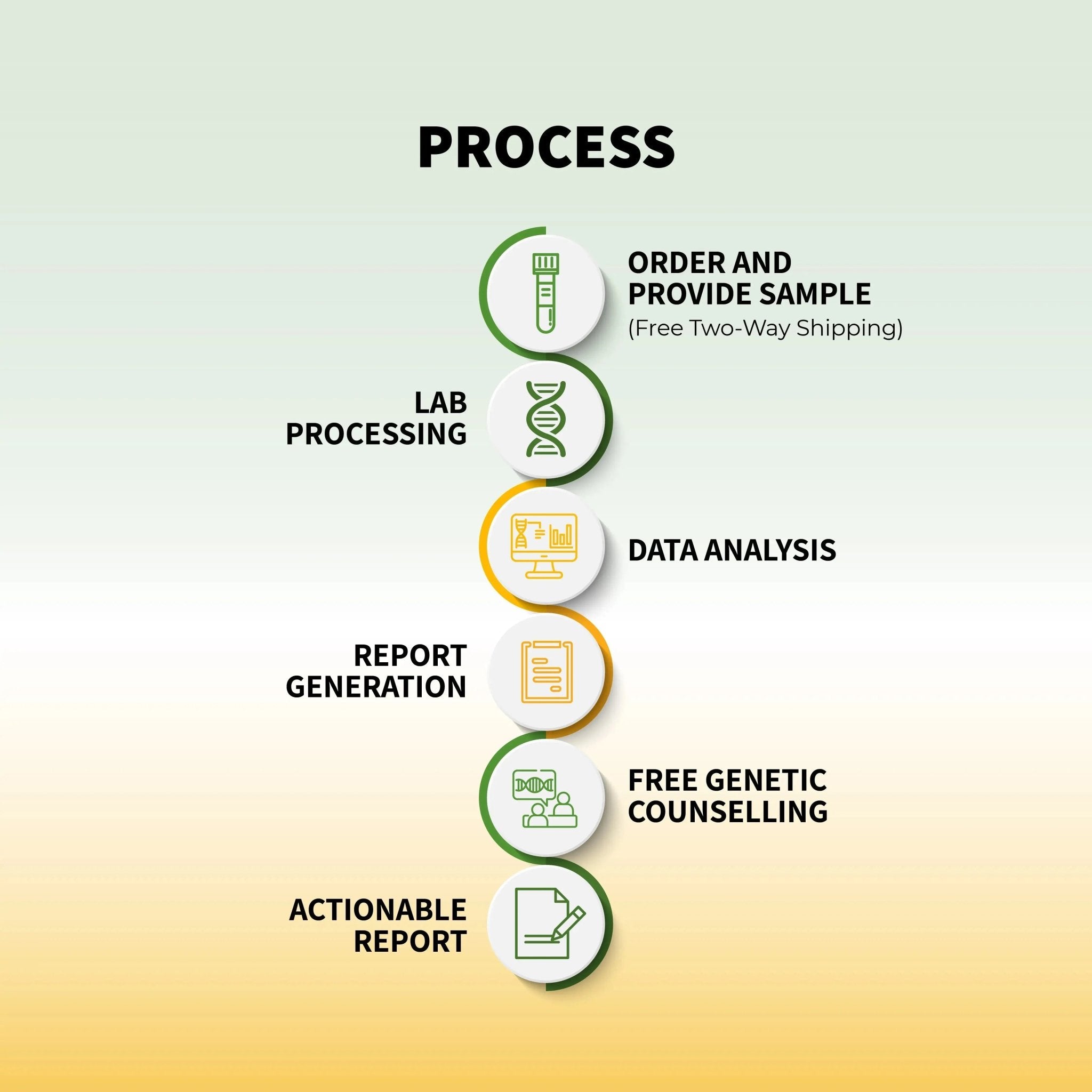
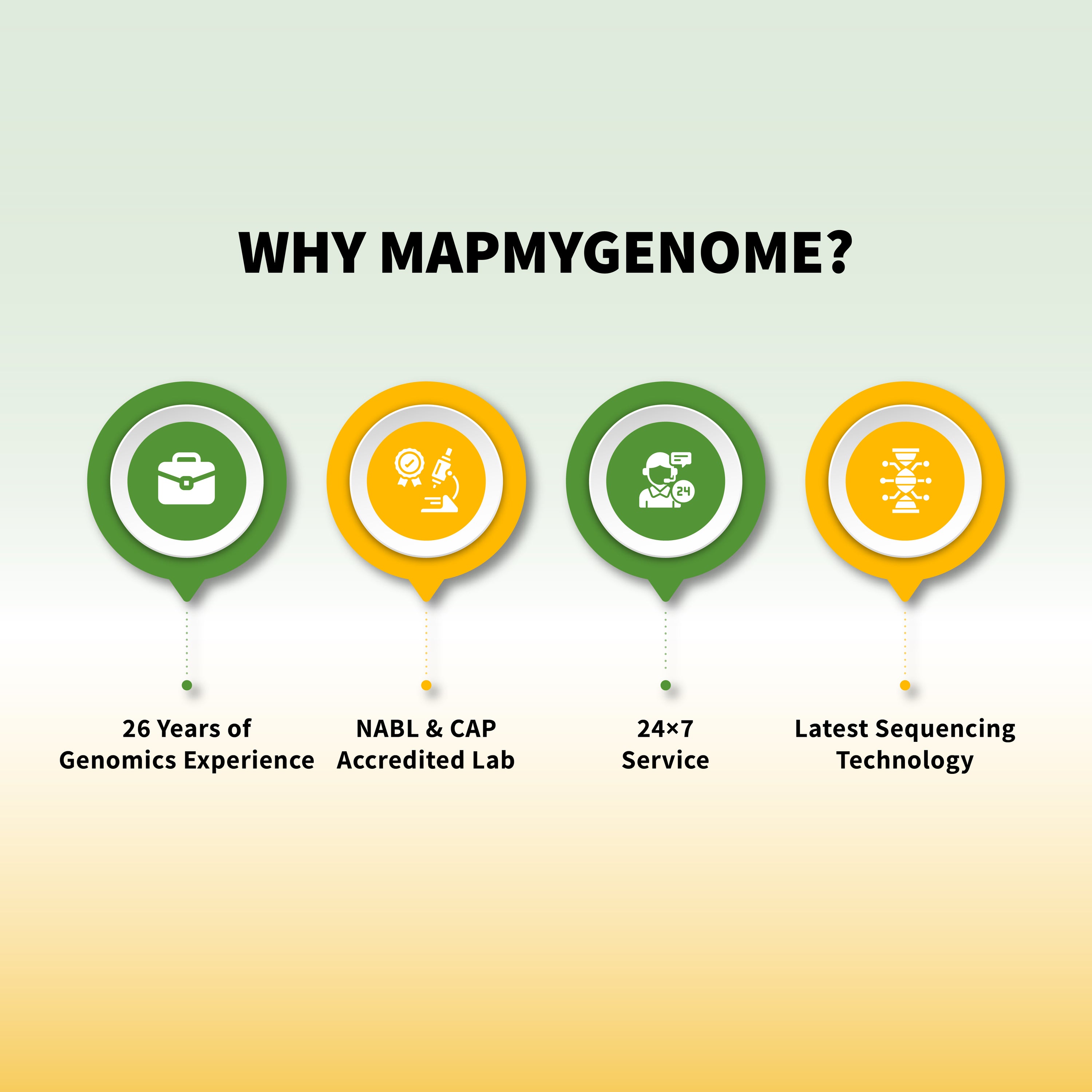
MapmyGenome offers carrier screening (covering 171 genetic conditions), Genomepatri for personalised nutrition and health risk insights, and certified genetic counselling for couples planning a pregnancy — all backed by a CAP & NABL-accredited laboratory.