


Healthcare is undergoing a fundamental transformation — from a reactive model focused on treating disease to a proactive model focused on preventing it. This shift toward preventive healthcare is being driven by advances in genomics, digital health, and a growing recognition that the most effective interventions happen long before symptoms appear.
What Is Preventive Healthcare?
Preventive healthcare encompasses all measures taken to prevent disease, detect it early, or slow its progression. It operates at three levels: primary prevention (preventing disease before it occurs), secondary prevention (early detection and treatment to halt progression), and tertiary prevention (managing existing disease to prevent complications and improve quality of life).
Why the Shift Is Happening Now
The Burden of Chronic Disease
Non-communicable diseases (NCDs) — cardiovascular disease, diabetes, cancer, and chronic respiratory conditions — now account for approximately 60% of all deaths in India. Most of these conditions are largely preventable through lifestyle modification and early intervention. The economic burden of treating advanced chronic disease is unsustainable; prevention is both medically superior and economically rational.
Genomics and Personalized Risk Assessment
Genetic testing has made it possible to identify individual risk profiles for specific diseases decades before symptoms appear. Rather than applying population-average risk statistics to individuals, genomic medicine allows truly personalized risk assessment — identifying who is at elevated risk for which conditions, and tailoring preventive interventions accordingly.
Digital Health and Continuous Monitoring
Wearable devices, health apps, and remote monitoring technologies allow continuous tracking of health metrics — heart rate, blood glucose, sleep quality, activity levels — enabling early detection of deviations from baseline before they become clinical problems.
Key Pillars of Preventive Healthcare
- Genetic risk assessment: Understanding your inherited predispositions for specific conditions
- Regular health screenings: Age and risk-appropriate tests to detect conditions early
- Lifestyle optimization: Evidence-based diet, exercise, sleep, and stress management
- Vaccination: Prevention of infectious diseases with proven vaccines
- Mental health care: Proactive management of stress, anxiety, and depression
- Environmental awareness: Reducing exposure to known carcinogens and toxins
The Role of Genetic Testing in Preventive Healthcare
Genetic testing is the foundation of truly personalized preventive healthcare. By identifying your inherited risk for conditions like cardiovascular disease, diabetes, cancer, and neurological disorders, genetic testing allows you to prioritize the preventive interventions most relevant to your specific biology — rather than following generic population-level guidelines that may not apply to you.
FAQs
At what age should I start preventive health testing?
Genetic testing can be done at any age — your DNA doesn't change. The earlier you understand your genetic risk profile, the more time you have to implement preventive strategies. For lifestyle screenings, most guidelines recommend starting in your 20s–30s for baseline measurements.
Is preventive healthcare covered by insurance in India?
Coverage varies by insurer and policy. Many Indian health insurance plans now include annual health check-up benefits. Genetic testing coverage is expanding but remains limited — check your specific policy.
Start Your Preventive Health Journey with Your DNA
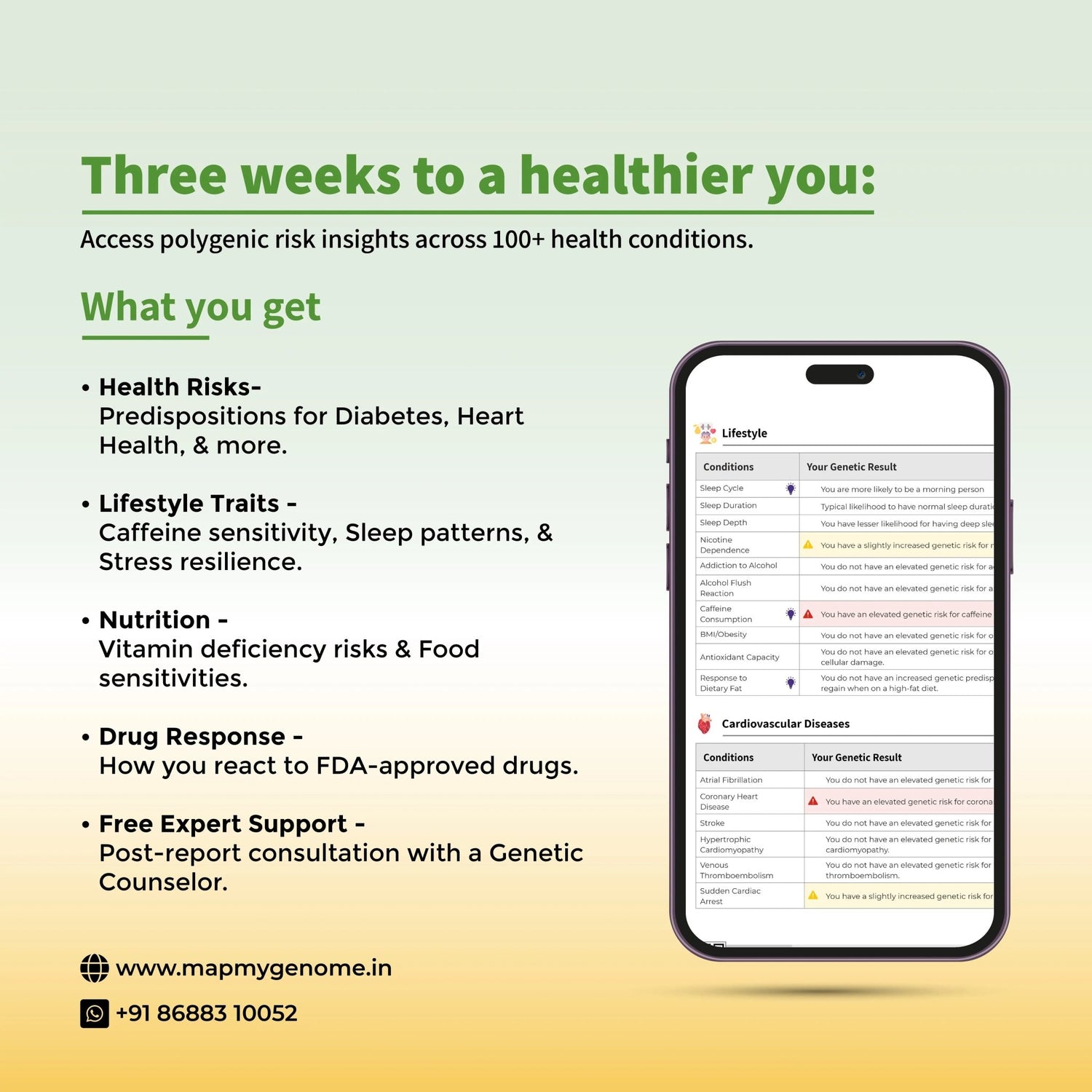
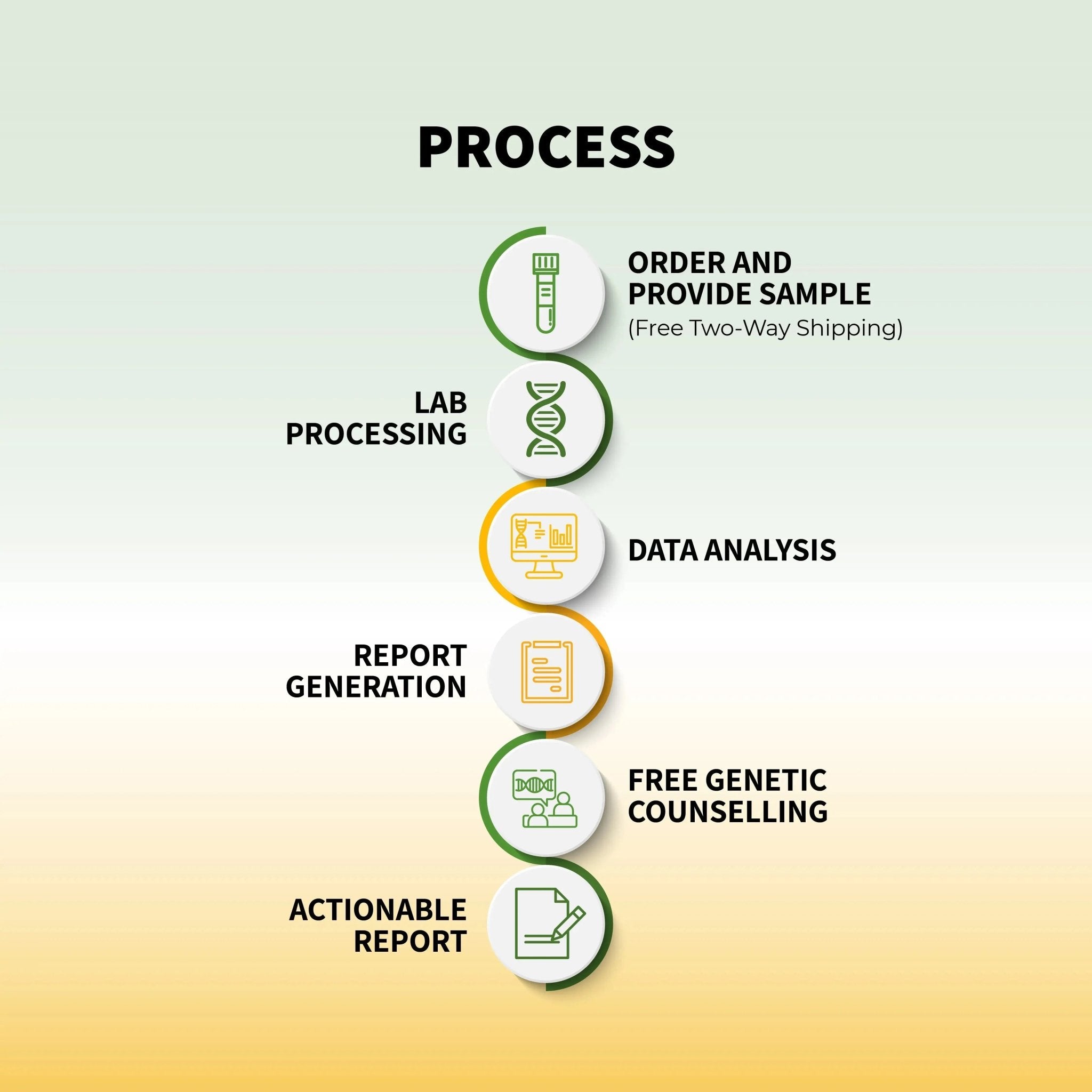
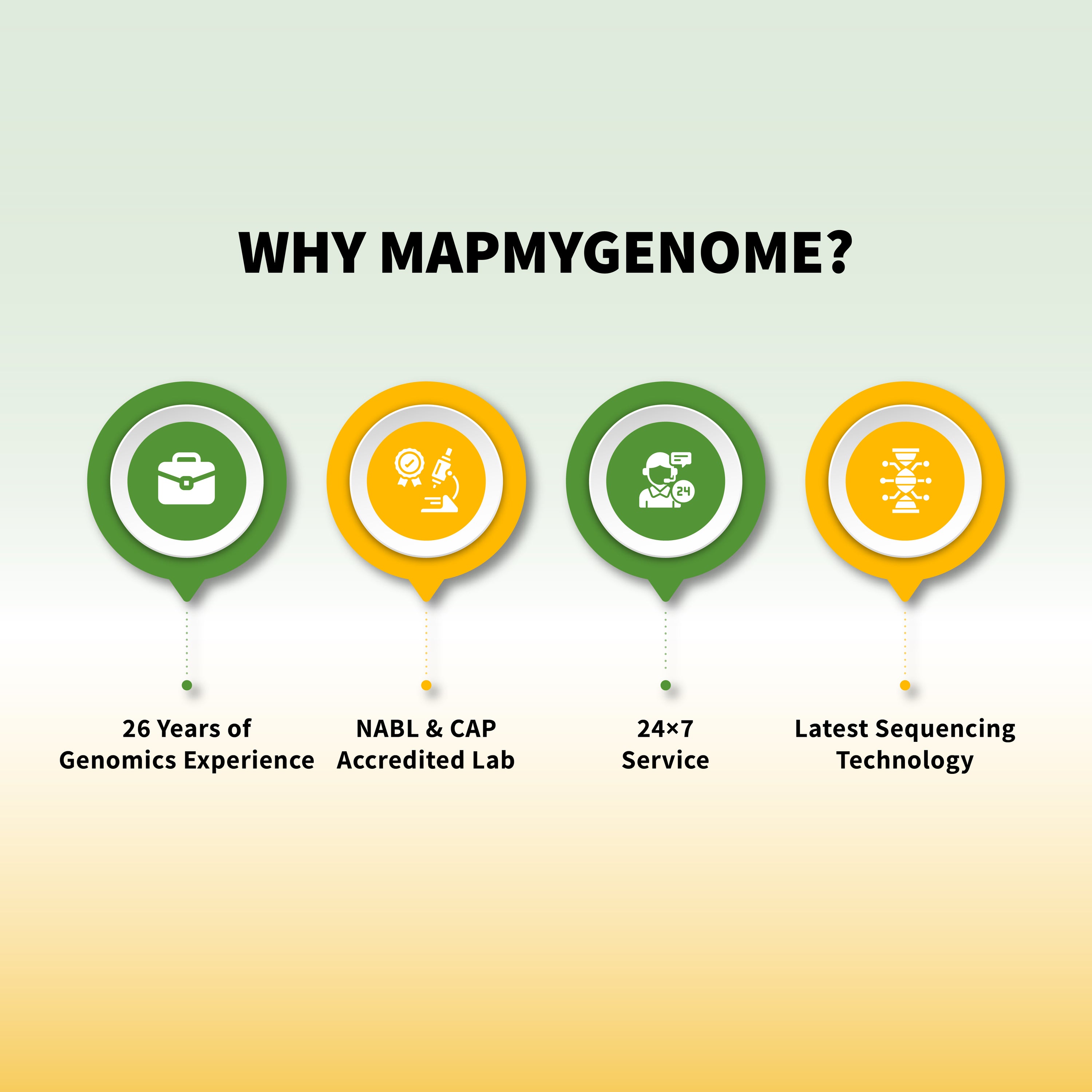
Genomepatri by MapmyGenome is India's most comprehensive at-home DNA wellness test — covering 100+ health conditions, drug responses, and lifestyle traits. Know your risks before symptoms appear and build a prevention plan tailored to your unique biology.










1 মন্তব্য
Insightful and timely! This blog beautifully emphasizes the importance of preventive healthcare and wellness in today’s fast-paced world.