

The relationship between mind and body is one of the most profound and well-documented in modern medicine. What happens in your mind affects your body — and what happens in your body affects your mind. Understanding and nurturing this connection is at the heart of a truly holistic approach to mental health.
What Is the Mind-Body Connection?
The mind-body connection refers to the bidirectional relationship between psychological processes and physical health. Stress, anxiety, and depression can manifest as physical symptoms — headaches, digestive issues, chronic pain, and immune dysfunction. Conversely, physical conditions like chronic illness, hormonal imbalances, and gut dysbiosis can profoundly affect mood, cognition, and mental wellbeing.
The Science Behind It
Several biological pathways link mind and body:
- The HPA axis — The hypothalamic-pituitary-adrenal axis regulates the stress response. Chronic activation leads to elevated cortisol, which suppresses immunity, disrupts sleep, and contributes to anxiety and depression.
- The gut-brain axis — Your gut produces over 90% of your body's serotonin. Gut microbiome imbalances directly affect mood, cognition, and stress resilience.
- The autonomic nervous system — The balance between the sympathetic (fight-or-flight) and parasympathetic (rest-and-digest) systems determines how your body responds to stress.
- Neuroinflammation — Chronic systemic inflammation, often driven by diet and lifestyle, is increasingly linked to depression and anxiety.
Holistic Practices That Support the Mind-Body Connection
1. Mindfulness and Meditation
Regular mindfulness practice reduces cortisol, lowers blood pressure, and improves emotional regulation. Even 10–15 minutes daily has measurable effects on stress and anxiety.
2. Movement and Exercise
Exercise releases endorphins, reduces cortisol, and promotes neuroplasticity — the brain's ability to form new connections. Both aerobic exercise and strength training have documented antidepressant effects.
3. Nutrition for Mental Health
A diet rich in omega-3 fatty acids, B vitamins, magnesium, and antioxidants supports neurotransmitter production and reduces neuroinflammation. Fermented foods support the gut-brain axis by promoting a healthy microbiome.
4. Sleep
Sleep is when the brain consolidates memories, clears metabolic waste (via the glymphatic system), and regulates emotional responses. Chronic sleep deprivation is one of the strongest risk factors for anxiety and depression.
5. Social Connection
Loneliness activates the same neural pathways as physical pain. Strong social bonds reduce cortisol, boost oxytocin, and are one of the most powerful predictors of long-term mental and physical health.
6. Breathwork and Yoga
Controlled breathing directly activates the parasympathetic nervous system, reducing the physiological stress response. Yoga combines movement, breathwork, and mindfulness for a comprehensive mind-body practice.
The Role of Genetics in Mental Health
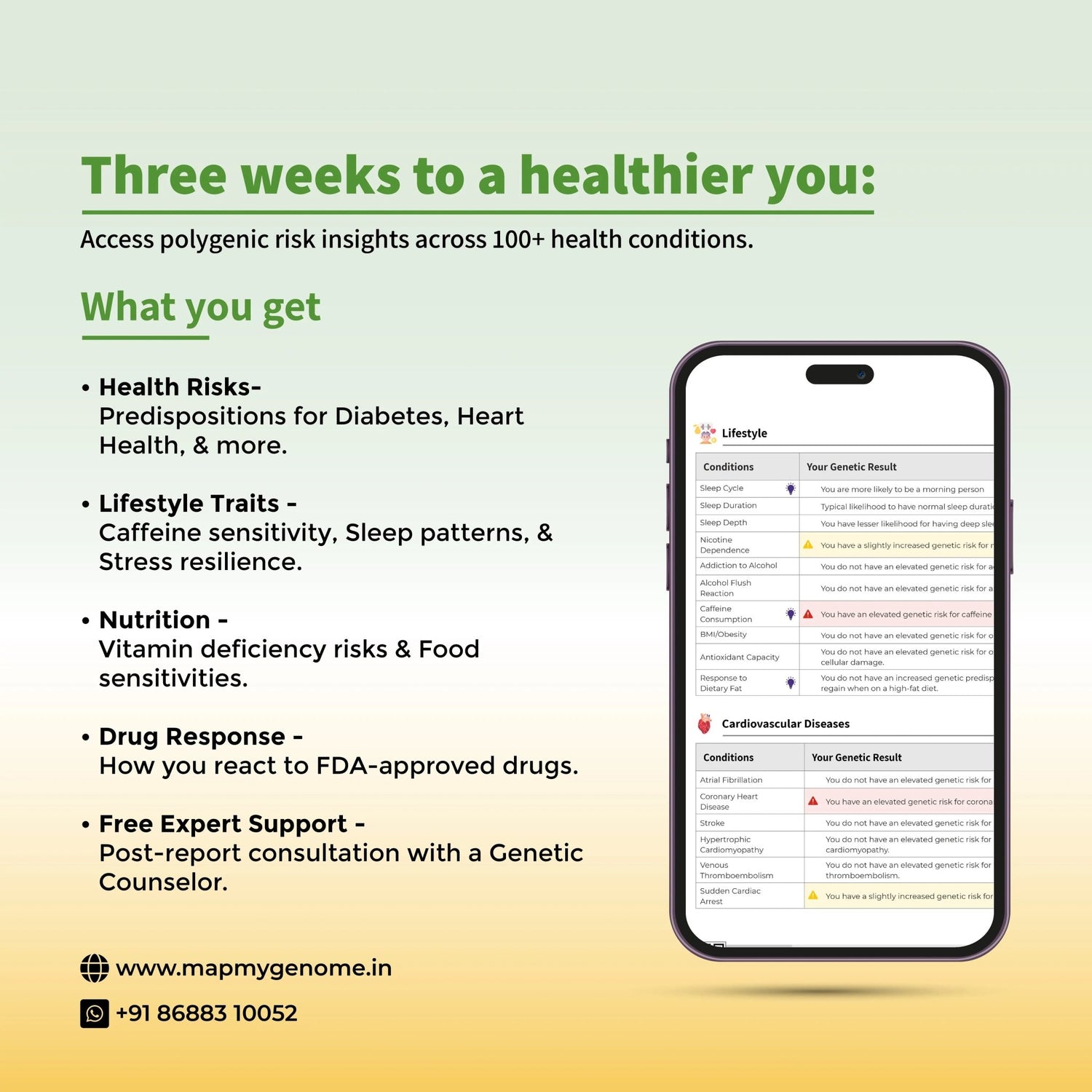
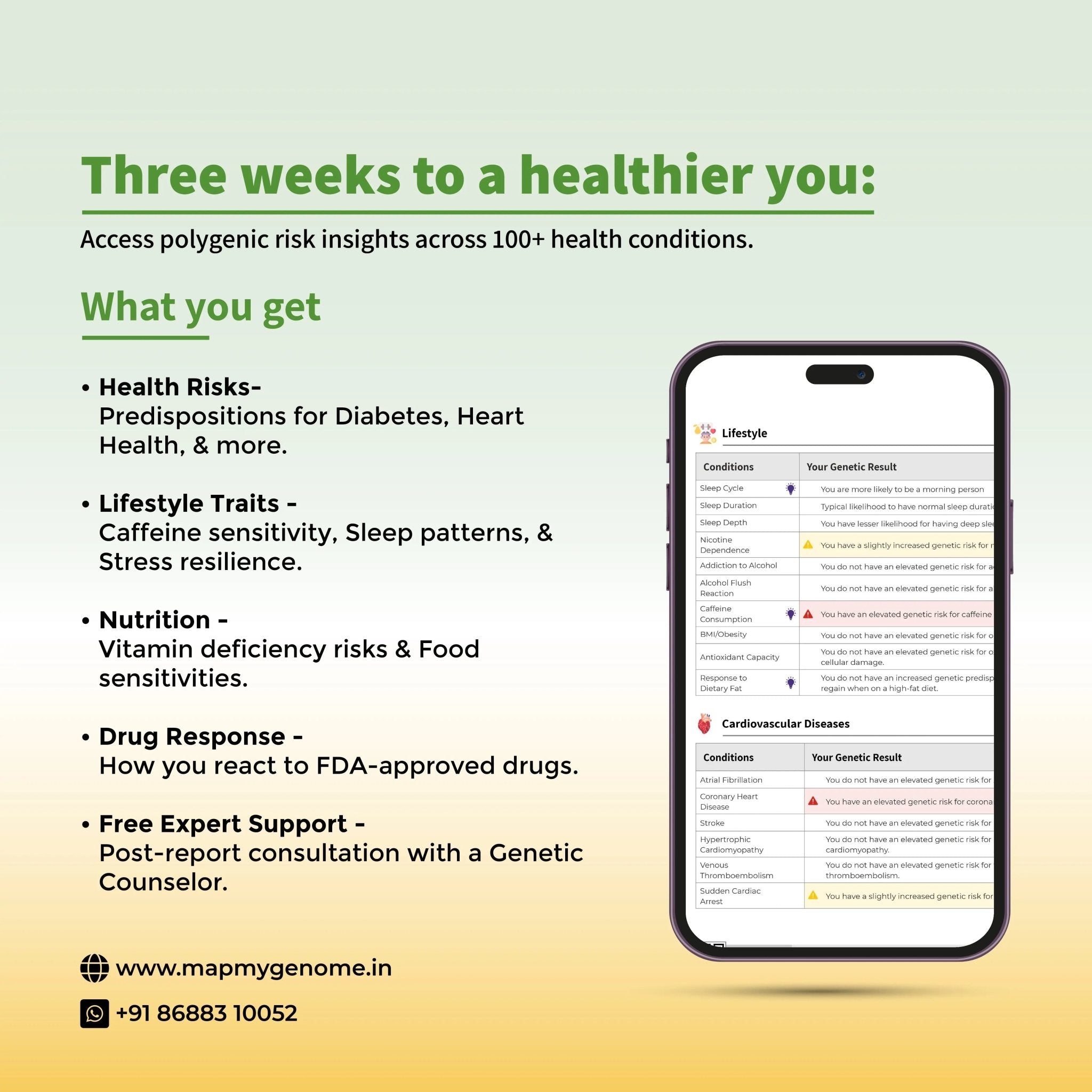
Genetics plays a significant role in mental health predispositions — influencing neurotransmitter metabolism, stress response, sleep patterns, and even gut microbiome composition. Understanding your genetic profile can help you identify your vulnerabilities and build a truly personalized mental wellness strategy.
FAQs
Can improving gut health improve mental health?
Yes. The gut-brain axis means that a healthier, more diverse gut microbiome is associated with better mood, reduced anxiety, and improved cognitive function.
Is the mind-body connection scientifically proven?
Yes. Decades of research in psychoneuroimmunology, neuroscience, and gastroenterology have established robust bidirectional links between psychological and physical health.
Understand Your Mind-Body Blueprint at the Genetic Level
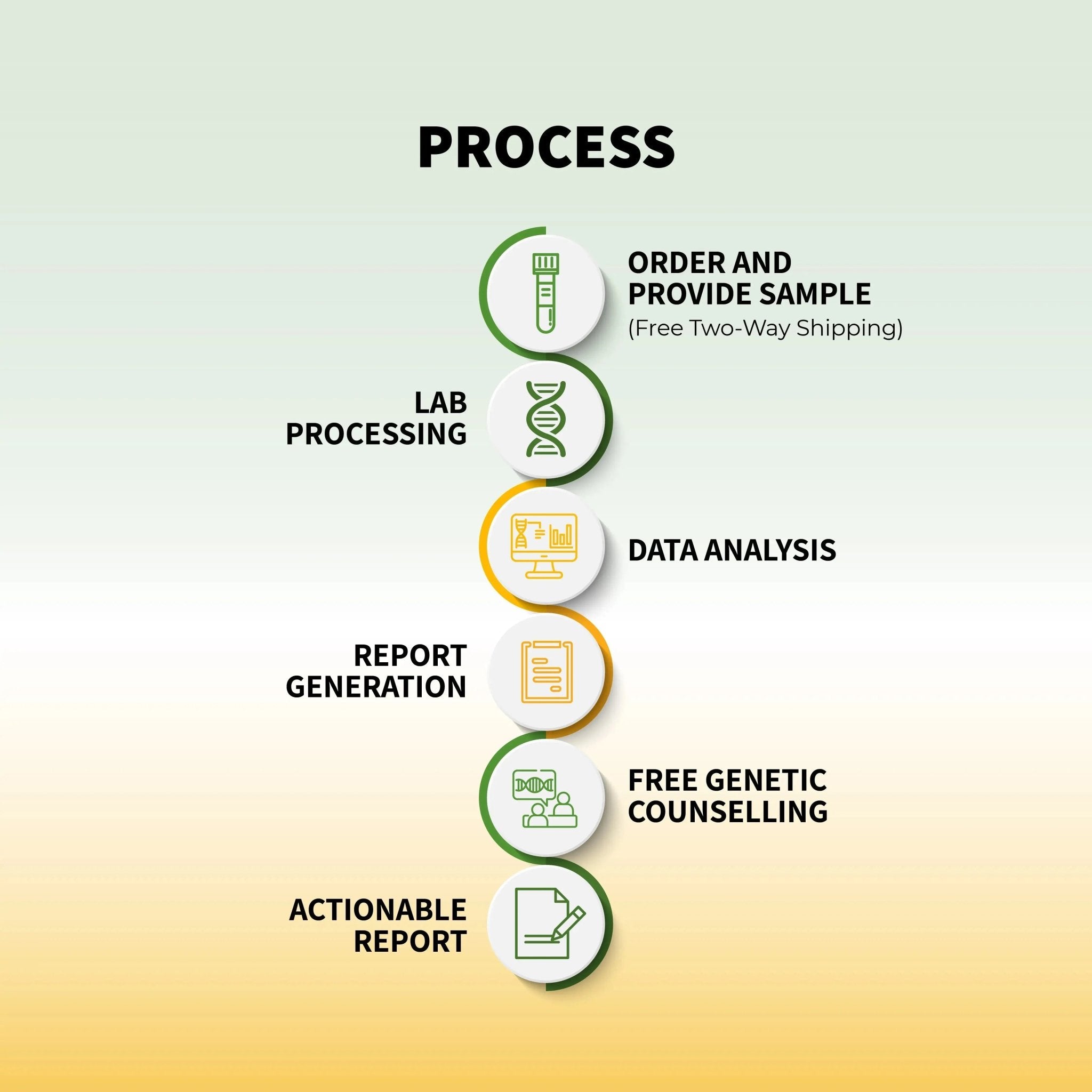
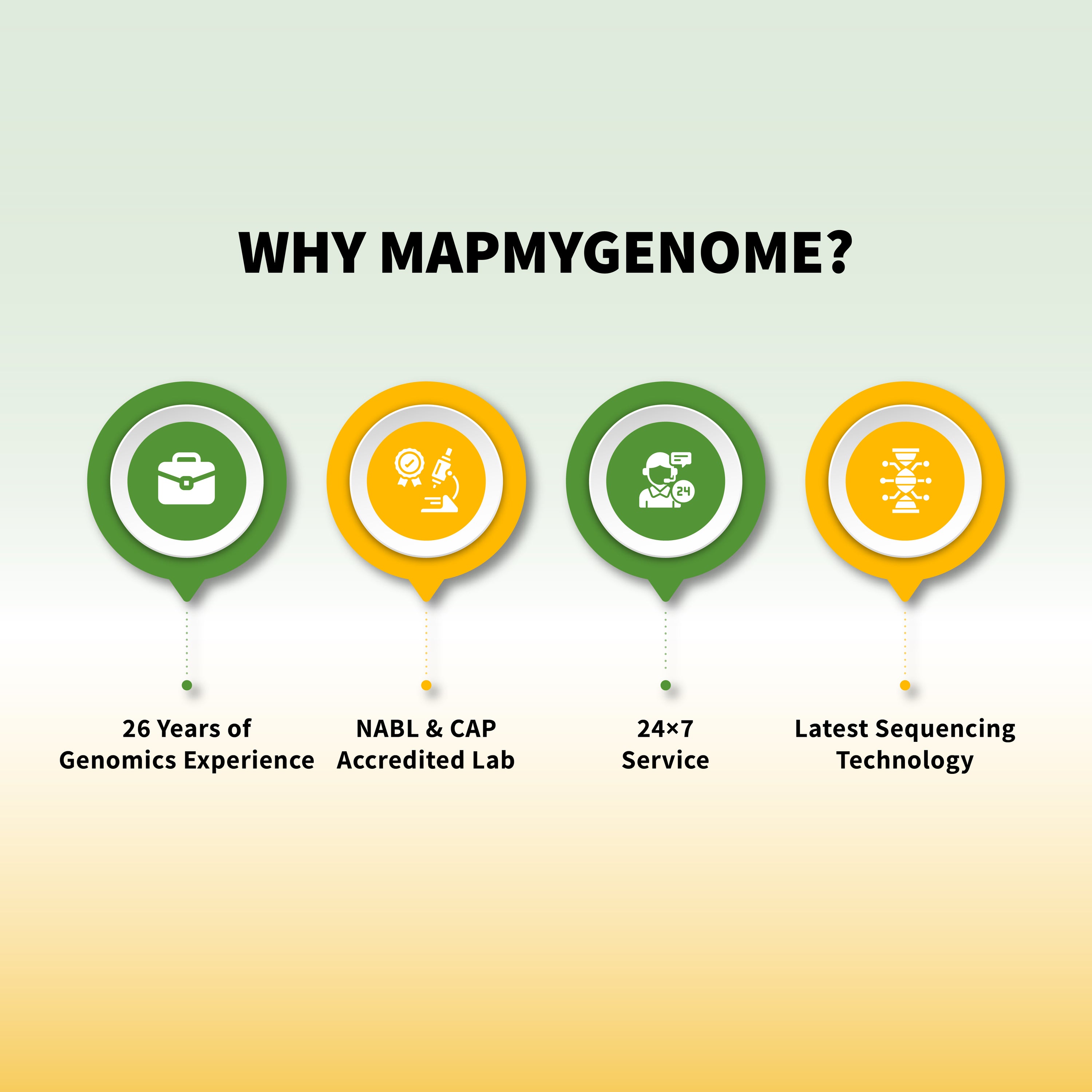
Genomepatri by MapmyGenome includes insights into your genetic stress response, sleep traits, and mental wellness predispositions. MapmyBiome maps your gut microbiome — a key driver of mood and cognition via the gut-brain axis.