

Your heart works non-stop to keep you alive, pumping blood and oxygen throughout your body. A strong, healthy heart is key to a long, energetic life. The good news? Small daily habits can make a BIG difference. Here are 10 doctor-approved habits that can help you improve heart function naturally.
1. Eat a Heart-Healthy Diet
Fruits & Vegetables: Loaded with fiber, vitamins, and antioxidants that reduce inflammation.
Healthy Fats: Olive oil, avocados, nuts, and fatty fish help lower bad cholesterol.
Whole Grains: Oats, quinoa, and brown rice support heart function.
Lean Proteins: Fish, chicken, beans, and tofu keep your heart strong.
Limit Processed Foods: Cut down on sugary drinks, trans fats, and excess salt.
2. Stay Active & Move More
150 minutes of moderate exercise per week (like brisk walking or cycling).
Strength training twice a week to boost metabolism.
Daily movement—even small changes like taking the stairs help!
3. Maintain a Healthy Weight
Carrying extra weight, especially around your belly, increases your risk of heart disease. Focus on portion control, nutrient-dense foods, a mix of cardio and strength training, and quality sleep.
4. Manage Stress Effectively
Chronic stress triggers inflammation and high blood pressure. Try meditation & deep breathing, regular exercise, journaling, and prioritizing hobbies that bring you joy.
5. Get Enough Sleep
Poor sleep increases the risk of heart problems like high blood pressure and diabetes. Stick to a consistent bedtime routine, avoid screens an hour before bed, and limit caffeine in the afternoon.
6. Stay Hydrated
Drinking enough water supports circulation and prevents dehydration, which can strain your heart. Aim for at least 8 glasses of water per day and cut back on sugary sodas and excessive caffeine.
7. Quit Smoking & Limit Alcohol
Smoking damages arteries and increases your risk of heart disease. Quitting is one of the best things you can do for your heart. Limit alcohol to 1 drink per day for women and 2 for men.
8. Monitor Your Blood Pressure & Cholesterol
High blood pressure and cholesterol can silently damage your heart. Get regular check-ups, eat a low-sodium, high-fiber diet, manage stress, and take prescribed medications if needed.
9. Maintain a Strong Social Life
Loneliness and social isolation can increase heart disease risk. Make time for friends and family, join community activities, and consider volunteering.
10. Take Preventive Health Screenings
Early detection is key. Ask your doctor about blood tests for cholesterol and inflammation markers, heart screenings like an ECG or stress test, and genetic testing if you have a family history of heart disease.
FAQs About Heart-Healthy Habits
What is the best lifestyle for heart health?
A balanced diet, regular exercise, stress management, good sleep, and avoiding smoking/alcohol are the best lifestyle choices for a healthy heart.
How much exercise is needed for heart health?
Aim for at least 150 minutes of moderate exercise per week, plus strength training twice a week.
Can heart disease be prevented?
Yes! While genetics play a role, healthy habits can dramatically reduce your risk of heart disease.
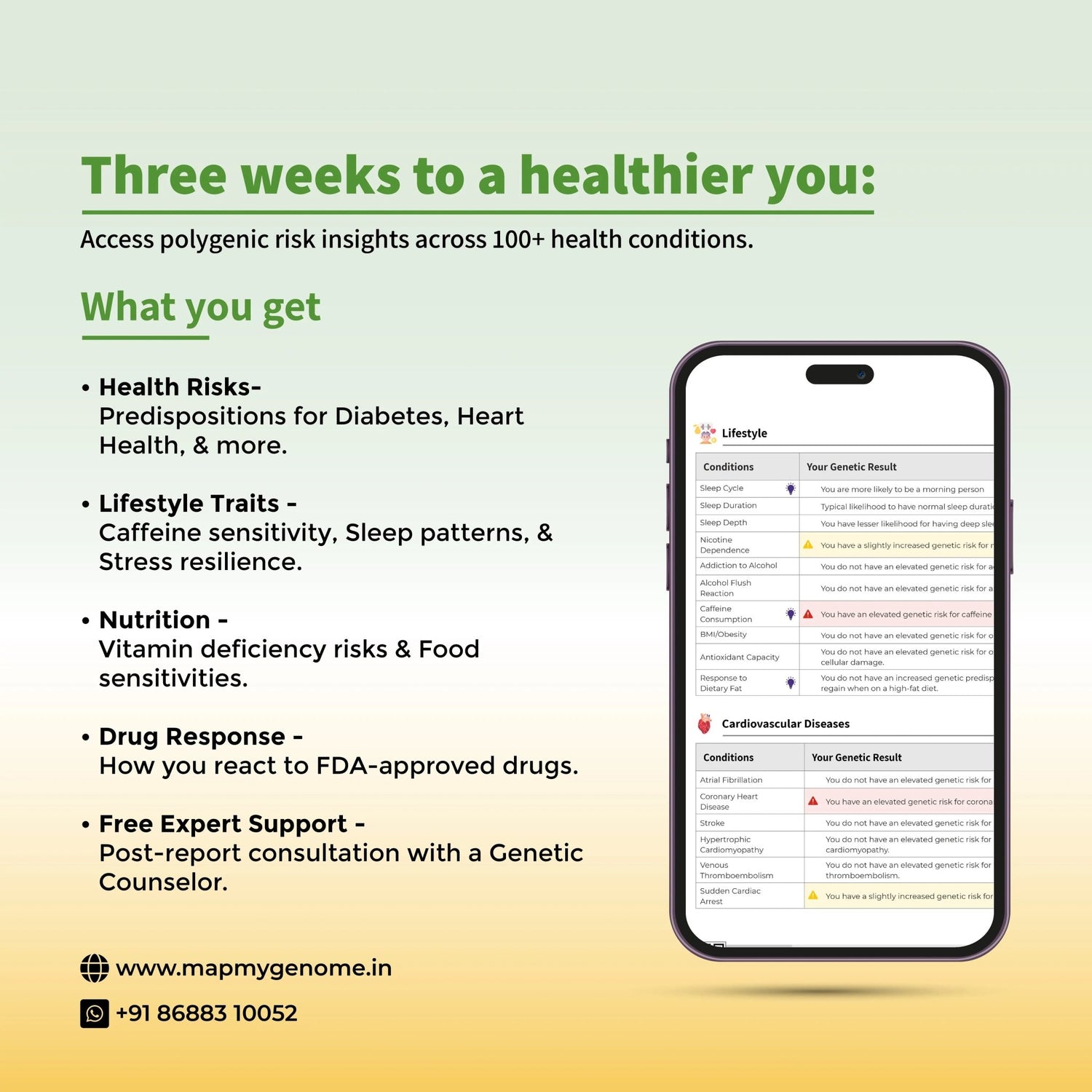
Know Your Genetic Heart Disease Risk — Before Symptoms Appear
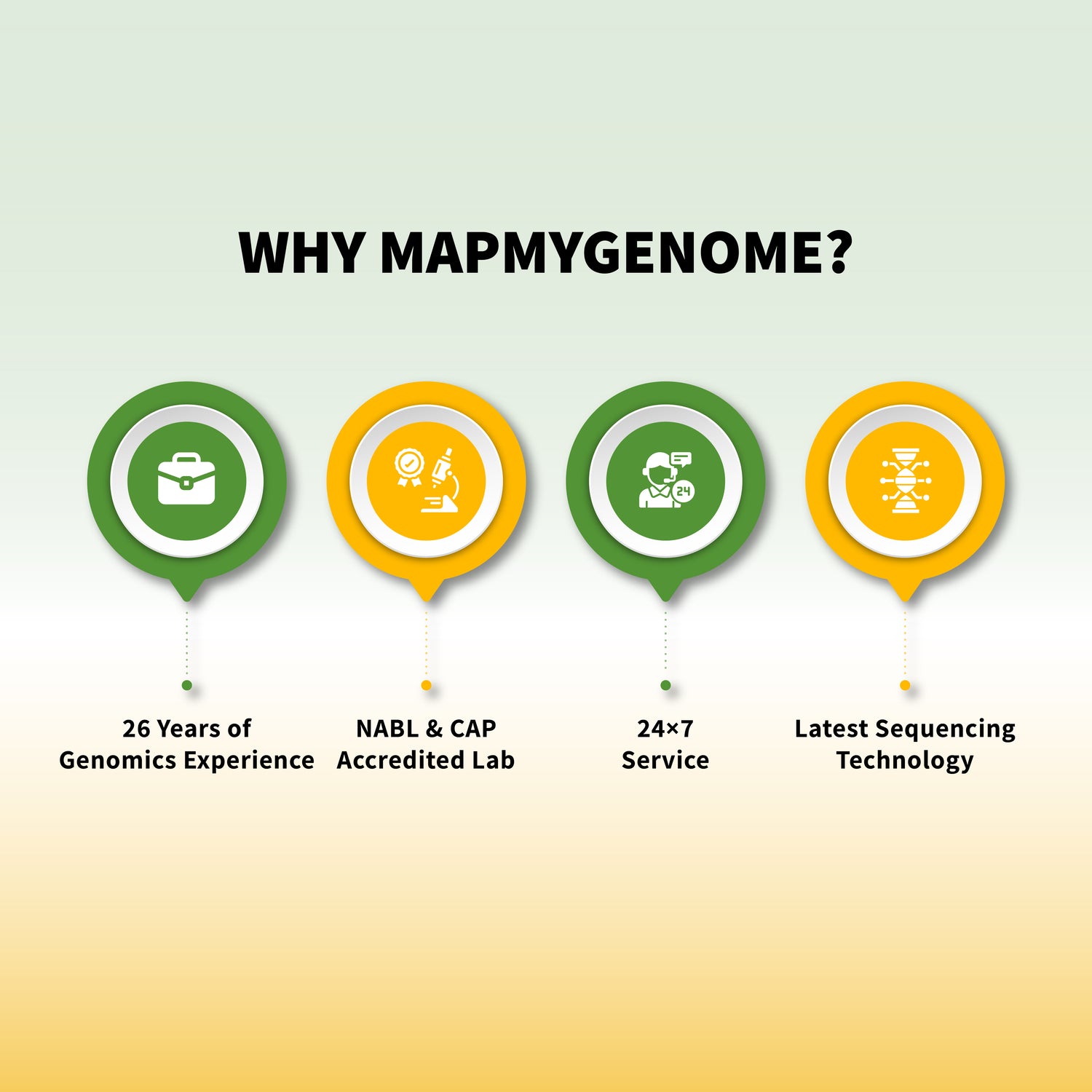
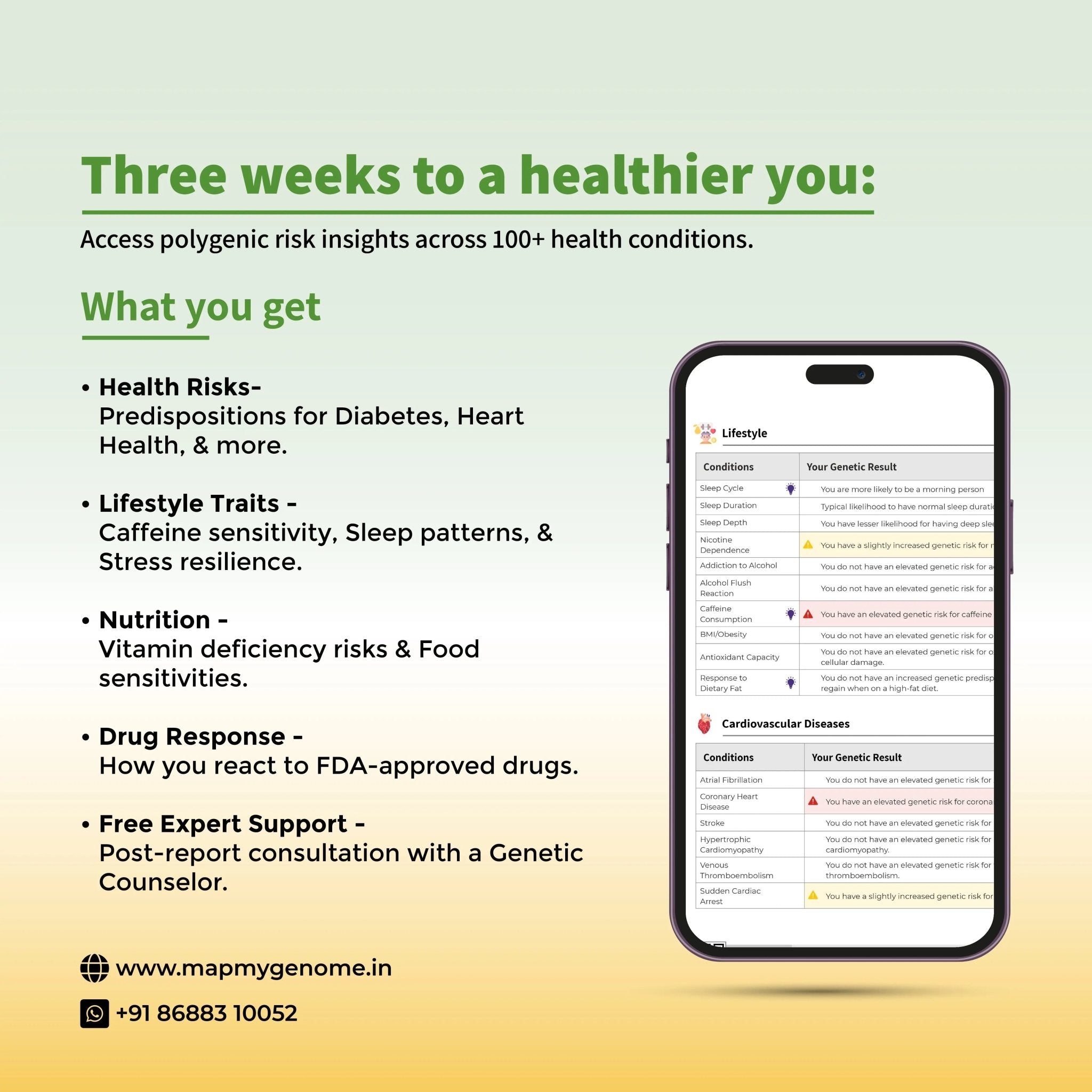
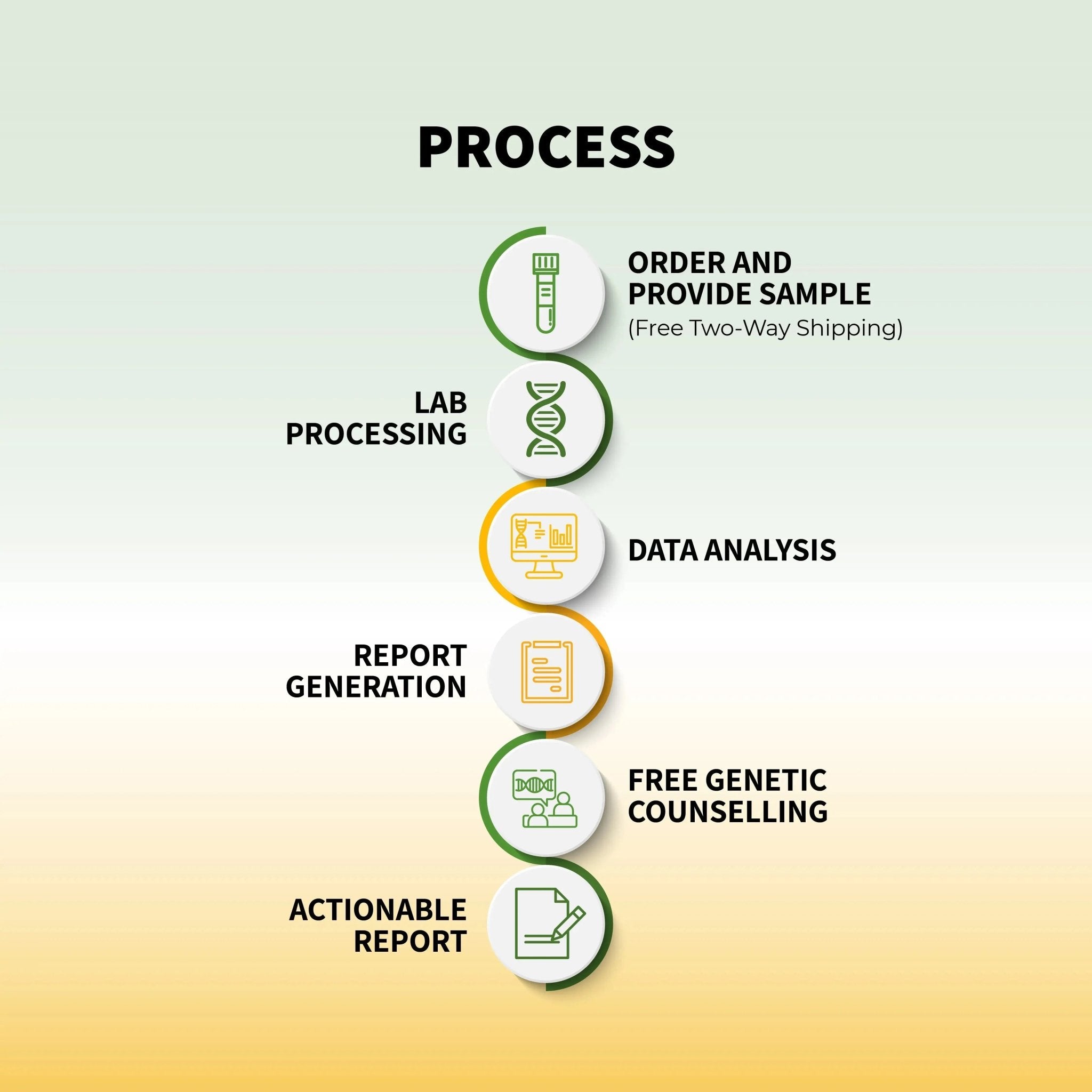
Genomepatri by MapmyGenome includes genetic risk assessment for heart attack, hypertension, familial hypercholesterolaemia, and other cardiovascular conditions — backed by NABL-certified labs and expert genetic counsellors who help you build a personalised prevention plan.