

Genetic testing is one of the most powerful tools in modern medicine — but with that power comes profound ethical, legal, and social complexity. Before undergoing genetic testing, individuals deserve to understand not just what the test can reveal, but the broader implications of that information for themselves, their families, and their lives. This is the essential role of pretest genetic counseling.
What Is Pretest Genetic Counseling?
Pretest genetic counseling is a conversation between a patient and a genetic counselor that occurs before genetic testing. Its goals are to ensure the patient understands what the test can and cannot tell them, to explore the potential implications of different results, to discuss the emotional and psychological impact of testing, and to ensure that the decision to test is truly informed and voluntary.
Key Ethical Issues in Genetic Testing
Autonomy and Informed Consent
The principle of autonomy — the right of individuals to make their own decisions about their health — is foundational to genetic counseling. Informed consent for genetic testing requires that the patient understands the purpose of the test, what results are possible, the implications of each result, the limitations of the test, and their right to decline testing or withdraw consent. Consent must be voluntary — free from coercion by family members, employers, or healthcare providers.
The Right Not to Know
Genetic testing can reveal information that individuals may not want to know — such as a high risk of a condition for which there is no effective prevention or treatment. The right not to know is as important as the right to know. Pretest counseling explores whether the individual truly wants the information and is prepared for all possible results.
Incidental Findings
Comprehensive genetic tests (particularly whole exome and whole genome sequencing) may reveal findings unrelated to the original reason for testing — such as a BRCA mutation discovered during testing for a neurological condition. Managing incidental findings requires clear policies about what will be reported and patient preferences about receiving such information.
Familial Implications
Genetic information is inherently familial — a result that affects one person has implications for their biological relatives. This creates complex ethical tensions between the patient's right to privacy and the potential benefit to relatives of knowing their risk. Genetic counselors help patients navigate decisions about sharing genetic information with family members.
Legal Issues in Genetic Testing
Genetic Discrimination
Genetic information can potentially be used to discriminate in employment, insurance, and other contexts. In India, there is currently no comprehensive legislation specifically protecting against genetic discrimination, though general anti-discrimination laws provide some protection. Patients should be aware of these risks when deciding whether and where to store their genetic data.
Data Privacy and Security
Genetic data is among the most sensitive personal information that exists. It is permanent, uniquely identifying, and has implications beyond the individual. Patients should understand how their genetic data will be stored, who will have access to it, whether it will be shared with third parties, and what happens to it if the testing company ceases operations.
Social Issues in Genetic Testing
Psychological Impact
Learning about genetic risk can have significant psychological consequences — including anxiety, depression, survivor guilt (in those who test negative when family members test positive), and changes in self-perception and identity. Pretest counseling prepares individuals for these potential responses and ensures appropriate psychological support is available.
Equity and Access
Genetic testing and counseling are not equally accessible across socioeconomic groups. Ensuring equitable access to the benefits of genomic medicine — while avoiding the creation of a "genetic underclass" — is a critical social justice issue in the field.
FAQs
Is genetic counseling mandatory before testing?
For most consumer genetic tests, counseling is not mandatory. However, for clinical genetic testing — particularly for serious conditions like hereditary cancer syndromes or predictive testing for late-onset conditions — pretest counseling is strongly recommended and often required by responsible testing providers.
What qualifications do genetic counselors have?
Genetic counselors are healthcare professionals with specialized training in medical genetics and counseling. In India, genetic counselors typically have postgraduate training in genetic counseling or human genetics, often with clinical training in a medical genetics setting.
Genetic Testing with Expert Counseling — Every Step of the Way
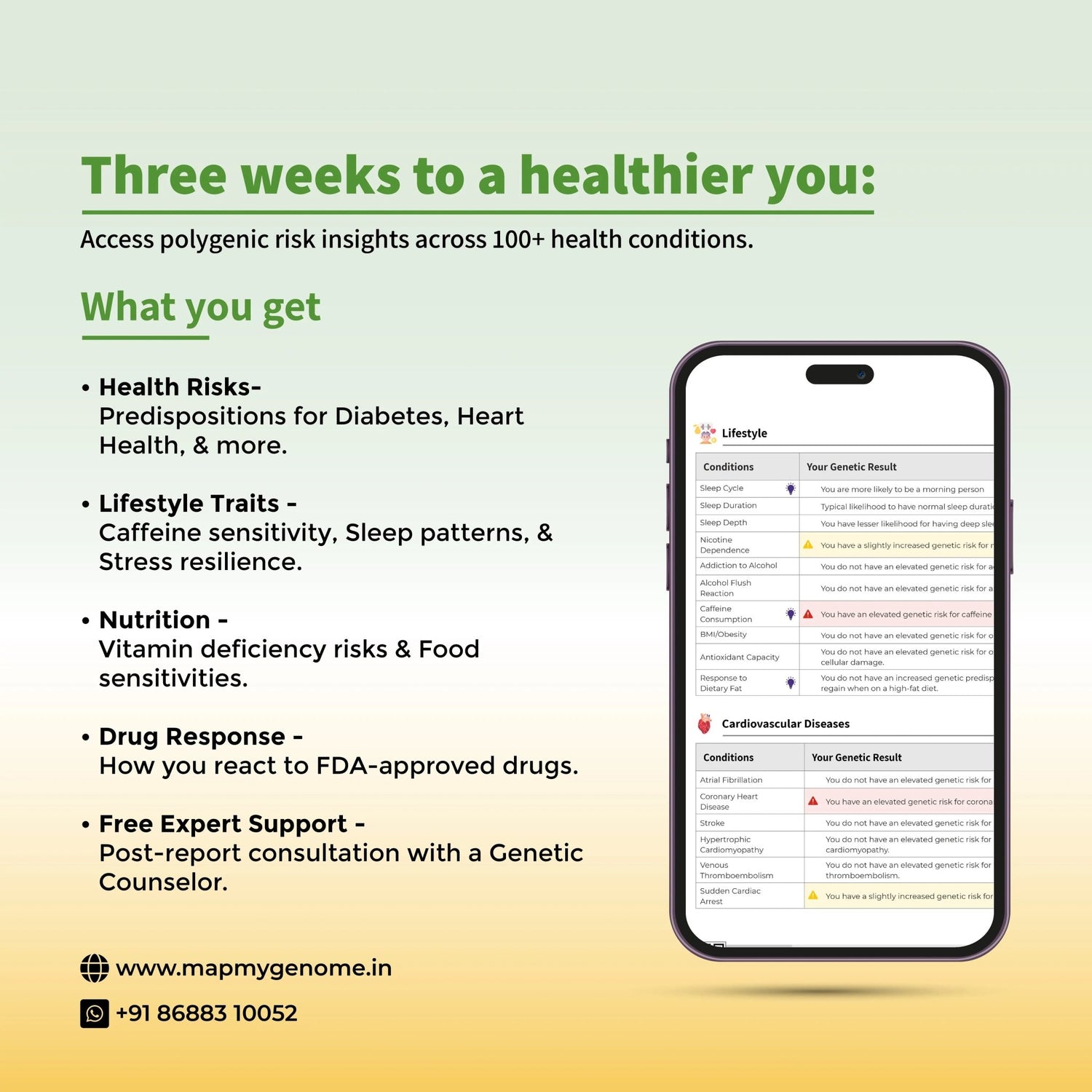
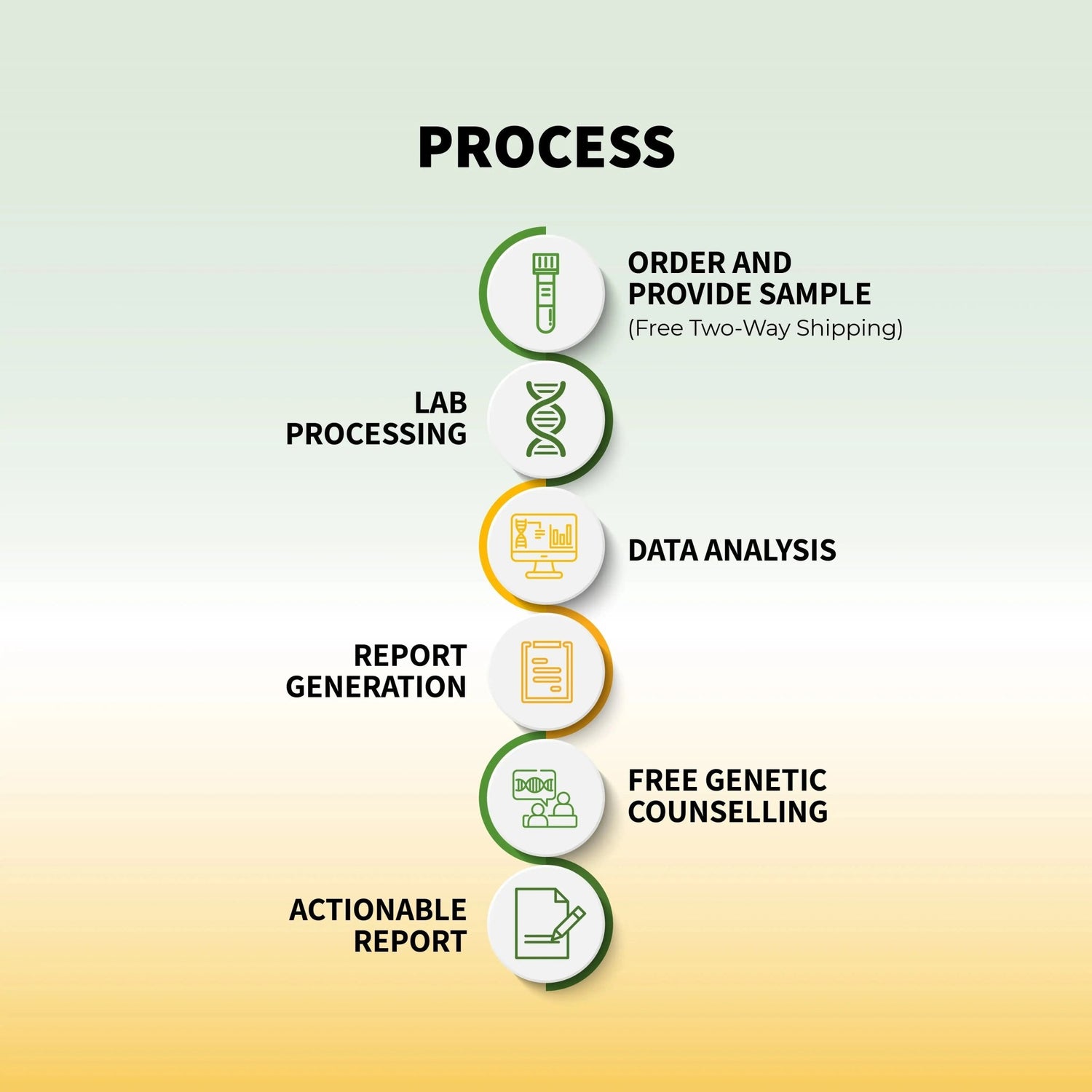
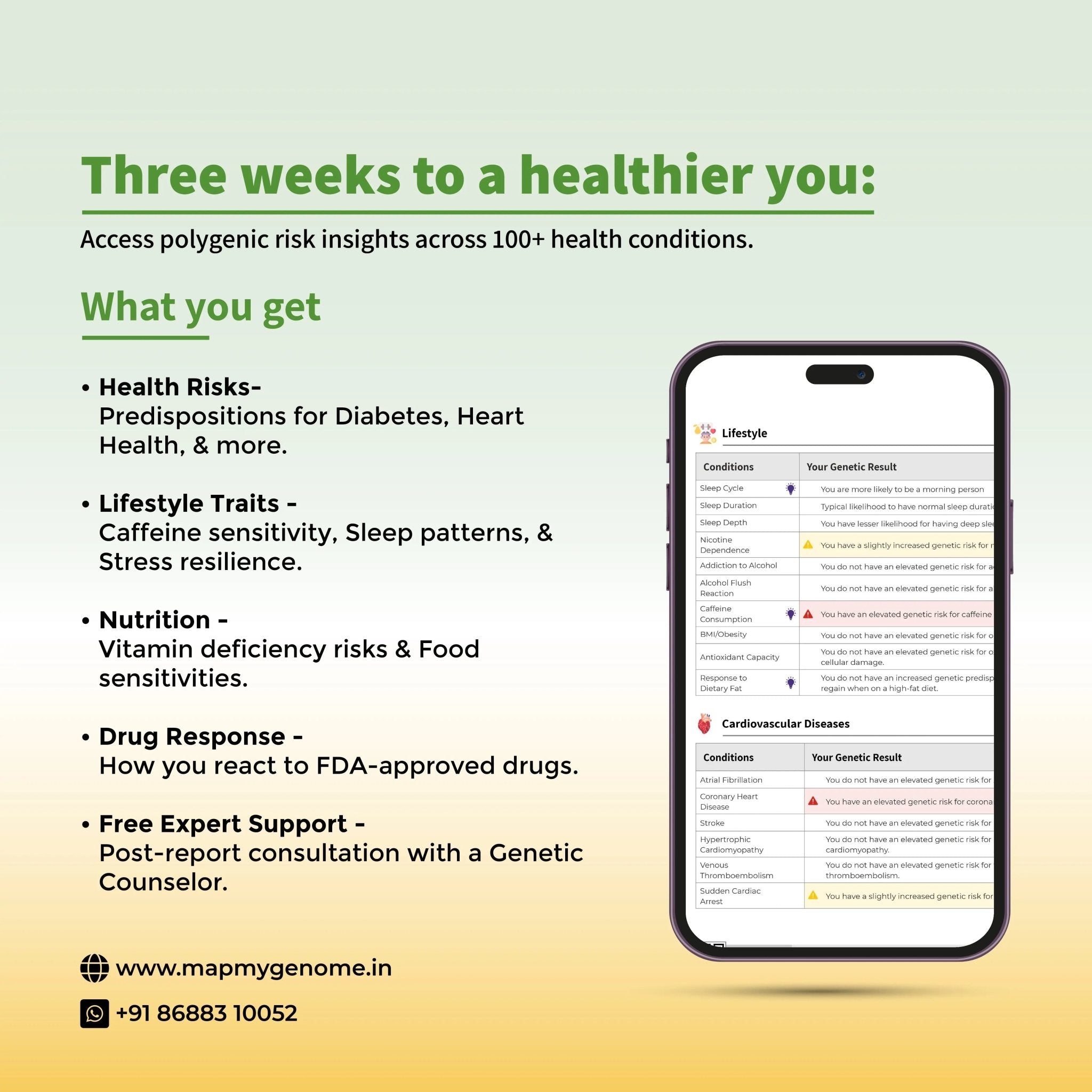
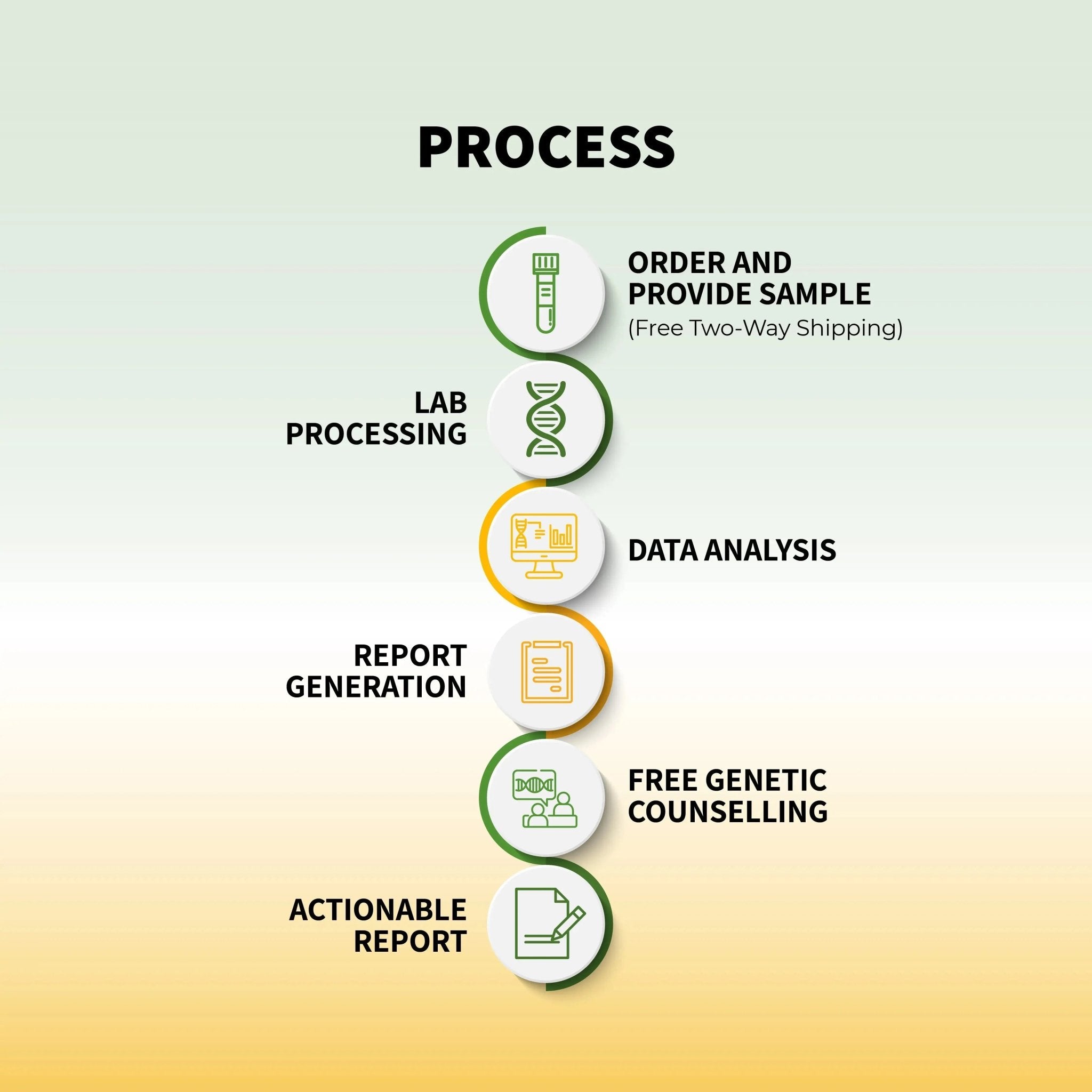
MapmyGenome provides genetic counseling before and after every clinical genetic test — ensuring you understand your results, their implications, and your options. Backed by NABL-certified labs and a team of experienced genetic counsellors.