

Turner syndrome (TS), also known as monosomy X or 45,X, is a genetic condition affecting approximately 1 in 2,500 female births in India. It’s not inherited but occurs due to a random absence or alteration of one of the X chromosomes.
Recognising the Signs and Symptoms of Turner Syndrome
- Short stature: Often the most noticeable sign, especially in childhood.
- Delayed or absent puberty: May require hormone therapy.
- Infertility: Most women with TS are unable to conceive naturally, but assisted reproductive technologies may be an option.
- Heart conditions: Some individuals may have congenital heart defects.
- Kidney and thyroid problems: Regular monitoring is essential.
- Learning difficulties: Challenges with spatial reasoning or mathematics are possible.
- Social and emotional difficulties: Support from healthcare professionals and loved ones is crucial.
Causes of Turner Syndrome
Normally, females have two X chromosomes (XX). Individuals with TS have a missing or partially missing X chromosome, which can occur in different ways:
- Monosomy X: The most common type — one X chromosome is entirely absent.
- Mosaic TS: Some cells have two X chromosomes, while others have only one.
- Partial Monosomy: A part of one X chromosome is missing.
Turner syndrome is typically not inherited but can occur in rare cases.
Diagnosis of Turner Syndrome
Diagnosing TS can be done during pregnancy (prenatal) or after birth (postnatal):
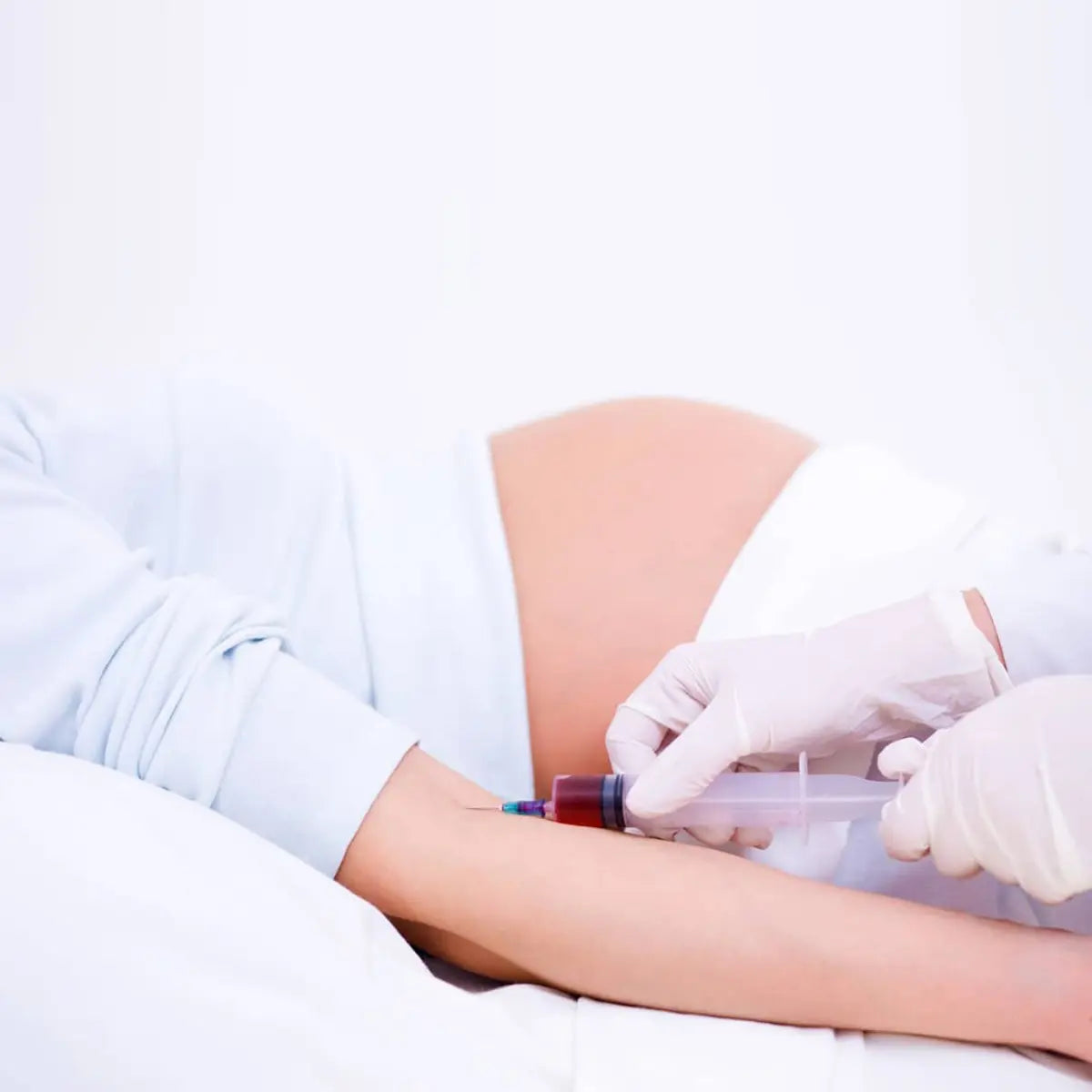
- Prenatal: NIPT (Non-Invasive Prenatal Testing) can screen for chromosomal abnormalities including Turner syndrome from week 10 of pregnancy. Confirmatory testing via amniocentesis or CVS may follow.
- Postnatal: Chromosomal karyotyping confirms the diagnosis after birth.
Management and Treatment
- Growth Hormone Therapy: Started early to improve final adult height.
- Oestrogen Replacement Therapy: To initiate puberty and maintain bone and cardiovascular health.
- Fertility Options: Egg donation and IVF may be explored for those wishing to conceive.
- Cardiac Monitoring: Regular echocardiograms to monitor for aortic abnormalities.
- Psychological Support: Counselling and peer support groups play an important role in quality of life.
Conclusion
Turner syndrome is a manageable condition with the right medical support and early diagnosis. Genetic testing and genetic counselling are essential tools for families navigating a TS diagnosis — providing clarity, guidance, and a personalised management plan.
Prenatal Chromosomal Screening for Your Baby
MapmyGenome’s NIPT screens for chromosomal conditions including Turner syndrome, Down syndrome, and other trisomies — from a simple maternal blood draw at week 10. Genetic counselling included.