

How to Lose Belly Fat
Losing belly fat is a common goal for many people seeking a healthier and more toned physique. While it may seem challenging, incorporating certain daily habits can significantly accelerate your progress. In this blog, we'll explore seven daily habits that can help you shed belly fat quickly. These tips are designed to be practical, sustainable, and effective, ensuring you stay on track with your weight loss journey.
1. Start Your Day with a Protein-Rich Breakfast
A nutritious breakfast sets the tone for your entire day. Opt for a protein-rich meal to keep you full and satisfied longer, reducing the likelihood of unhealthy snacking later. Protein also boosts metabolism, aiding in fat loss.
Suggestions:
- Greek yogurt with berries and nuts
- Scrambled eggs with spinach and tomatoes
- Protein smoothie with spinach, almond milk, and a scoop of protein powder
2. Stay Hydrated
Drinking plenty of water throughout the day is crucial for overall health and weight loss. Water helps to flush out toxins, keeps you hydrated, and can reduce feelings of hunger by filling your stomach.
Tips:
- Drink a glass of water before each meal.
- Carry a reusable water bottle with you.
- Infuse your water with lemon or cucumber for added flavor.
3. Incorporate High-Intensity Interval Training (HIIT)
HIIT workouts are known for their efficiency in burning fat, including stubborn belly fat. These workouts involve short bursts of intense exercise followed by brief rest periods, keeping your heart rate up and your metabolism revved.
Examples:
- 20 seconds of sprinting followed by 40 seconds of walking, repeated for 20 minutes.
- 30 seconds of jump squats followed by 30 seconds of rest, repeated for 15 minutes.
- A circuit of burpees, mountain climbers, and high knees.
4. Eat More Fiber-Rich Foods
Fiber helps to promote satiety, keeping you full longer and aiding in digestion. Soluble fiber, in particular, is effective in targeting belly fat by slowing the passage of food through your digestive system and reducing appetite.
Foods to Include:
- Oats, chia seeds, and flaxseeds
- Legumes like beans and lentils
- Fruits such as apples, oranges, and berries
- Vegetables like broccoli, carrots, and Brussels sprouts

5. Get Sufficient Sleep
Quality sleep is often overlooked but is crucial for weight loss and overall health. Lack of sleep can disrupt hormones that regulate hunger and appetite, leading to increased cravings and potential weight gain.
Sleep Tips:
- Aim for 7-9 hours of sleep per night.
- Establish a regular sleep schedule.
- Create a relaxing bedtime routine, such as reading or meditating.
- Limit screen time before bed.
6. Manage Stress Levels
Chronic stress can contribute to weight gain, particularly around the belly area, due to the release of cortisol, a stress hormone. Stress Management through relaxation techniques can help reduce cortisol levels and support weight loss.
Stress-Reduction Techniques:
- Practice yoga or meditation.
- Engage in deep breathing exercises.
- Spend time outdoors or with loved ones.
- Pursue hobbies that you enjoy.
7. Monitor Your Caloric Intake
While it's important not to obsess over every calorie, being mindful of your caloric intake can help you avoid overeating. Use a food journal or a calorie-tracking app to ensure you stay within your target range for weight loss.
Tips for Tracking:
- Log your meals and snacks daily.
- Pay attention to portion sizes.
-
Avoid high-calorie, low-nutrient foods.
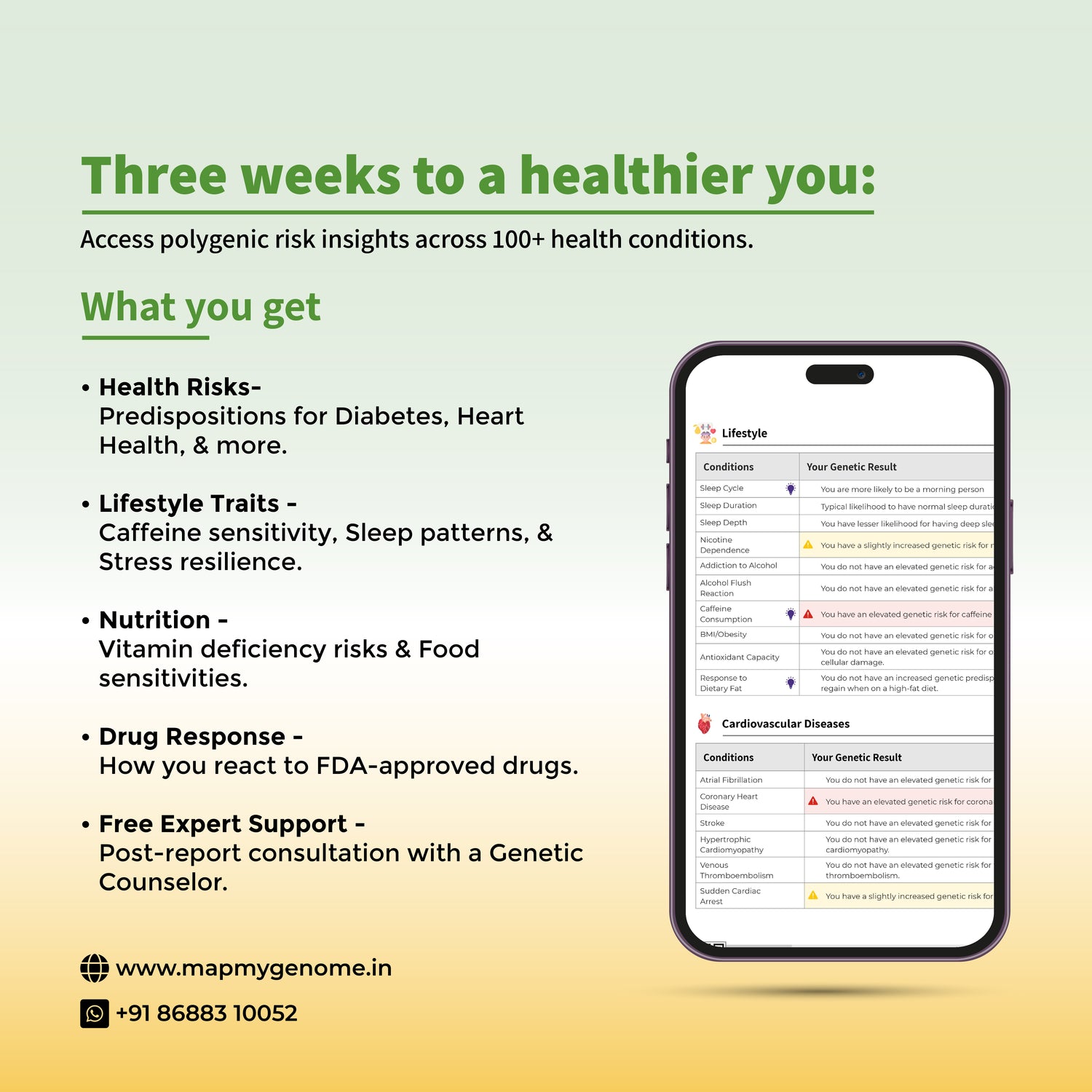
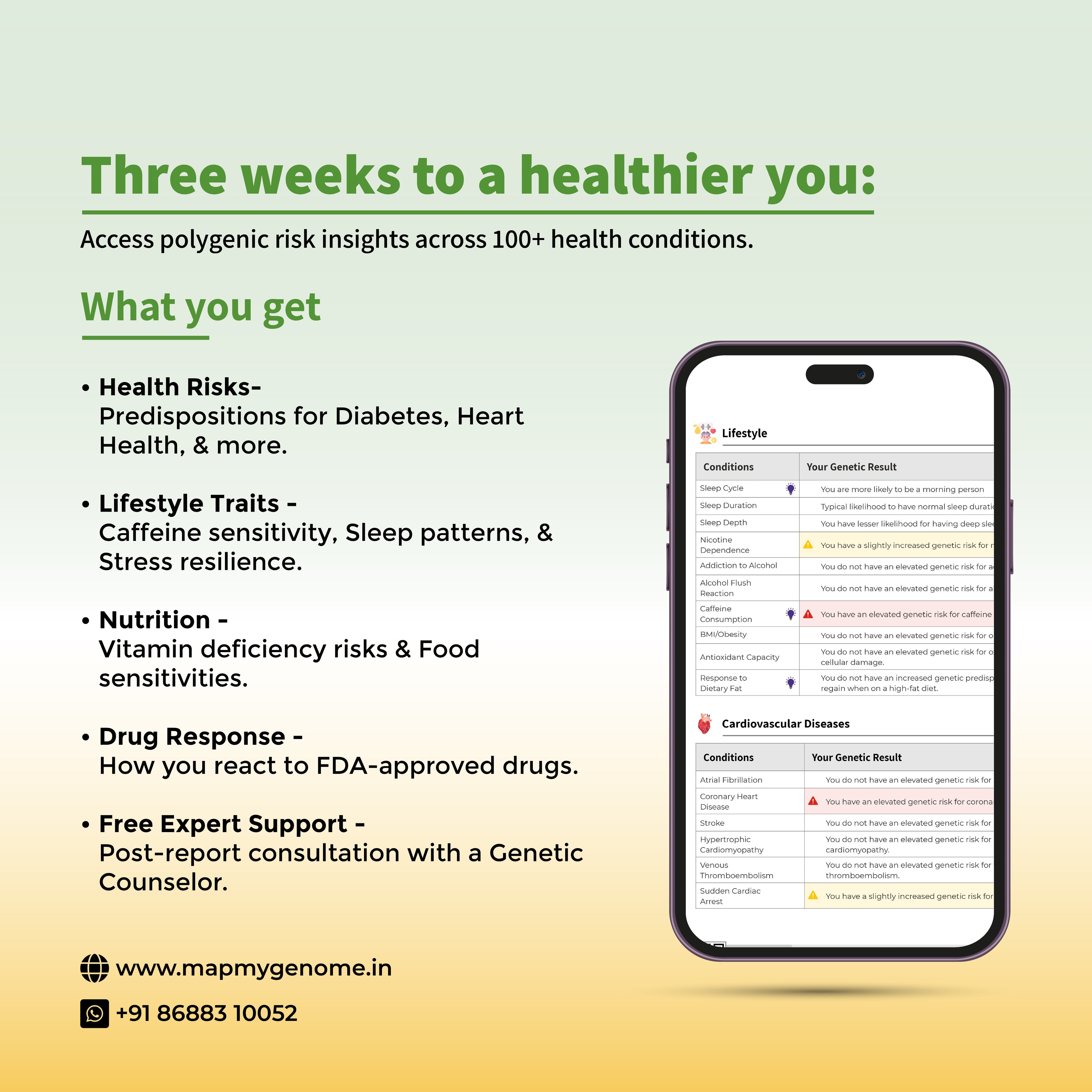
How DNA analysis directly connects to and optimizes the belly fat loss?
1. Diet and Macronutrient Efficiency (Habits 1 & 4)
-
The Content: Recommends a protein-rich breakfast and high-fiber foods.
-
The DNA Connection: Genetic testing analyzes variations in genes like FTO (often called the "obesity gene") and PPARG. Your results reveal whether your body is genetically more responsive to a high-protein, low-carbohydrate diet or a low-fat, high-fiber diet for weight management. For instance, some people possess genetic variants that make them highly susceptible to fat storage from saturated fats, making a personalized dietary breakdown crucial.
2. Metabolic Rate and Fat Burning (Habits 3 & 7)
-
The Content: Suggests monitoring calories and doing High-Intensity Interval Training (HIIT).
-
The DNA Connection: Your genes influence your baseline basal metabolic rate (BMR) and how your body mobilizes stored fat during exercise. DNA insights can determine your genetic predisposition to weight loss through aerobic exercise versus strength training. If your genes show a lower natural ability to mobilize lipids (fats) during intense workouts, your calorie targets and exercise duration can be adjusted to overcome this genetic hurdle.
3. Stress, Sleep, and Hormonal Influence (Habits 5 & 6)
-
The Content: Emphasizes managing stress (cortisol) and getting quality sleep.
-
The DNA Connection: Genetic variants can affect how your brain processes stress and regulates sleep cycles. For example, variations in the CLOCK gene can influence your circadian rhythms and sleep quality, which directly impacts hunger hormones like ghrelin and leptin. Furthermore, some individuals are genetically predisposed to higher cortisol reactivity under stress, which triggers visceral (belly) fat storage. Knowing this allows you to prioritize specific stress-reduction techniques.