

Autism Awareness: Understanding, Diagnosis, and Early Intervention
Autism Spectrum Disorder (ASD) is a complex neurodevelopmental condition characterised by differences in social communication, sensory processing, and behaviour. It is a spectrum — meaning it manifests differently in every individual, from those who need significant support to those who live fully independently.
What Causes Autism?
Autism has many causes. The molecular basis of Rett syndrome was established in 2006, and since then, autism has been documented in hundreds of syndromes with multiple causes, outcomes, and treatments. Currently, an aetiology can be identified for between 15–20% of individuals with autism; in the others, the cause remains unknown.
Genetic factors play a significant role — the recurrence risk for autism in siblings can range from as low as 1% to as high as 50%, depending on the specific genetic cause. This wide range underscores the importance of genetic evaluation for families affected by autism.
The Diagnostic Journey
After a long, difficult, and uncertain diagnostic odyssey, the question that remains for many parents is: What caused my child’s autism? A causal explanation is important for many reasons — including understanding, healthcare management, and recurrence risks for a future pregnancy.
For the vast majority of cases of unknown cause, parents are left with unanswered questions about management and recurrence risks. These tend to be the most unasked and unanswered questions — and a certified genetic counsellor can help families navigate them.
Why Early Diagnosis Matters
The outlook is good for children diagnosed at an early age because interventions can be applied sooner, at an age when children are most responsive to therapies. Regardless of whether a genetic cause is identified, management of autism revolves around:
Educational, behavioural, and medical therapies to increase conversational language and social interactions
Reducing repetitive self-stimulatory behaviours, tantrums, aggressiveness, and self-injury
Early individualised intensive training in a safe, planned, and predictable environment
Children treated early can usually be taught, to varying degrees, to communicate, recognise and respond to social interactions, develop imaginative play, and curb all-consuming repetitive behaviours. Awareness and monitoring is key.
Genetic Counselling for Autism and Neurodevelopmental Conditions
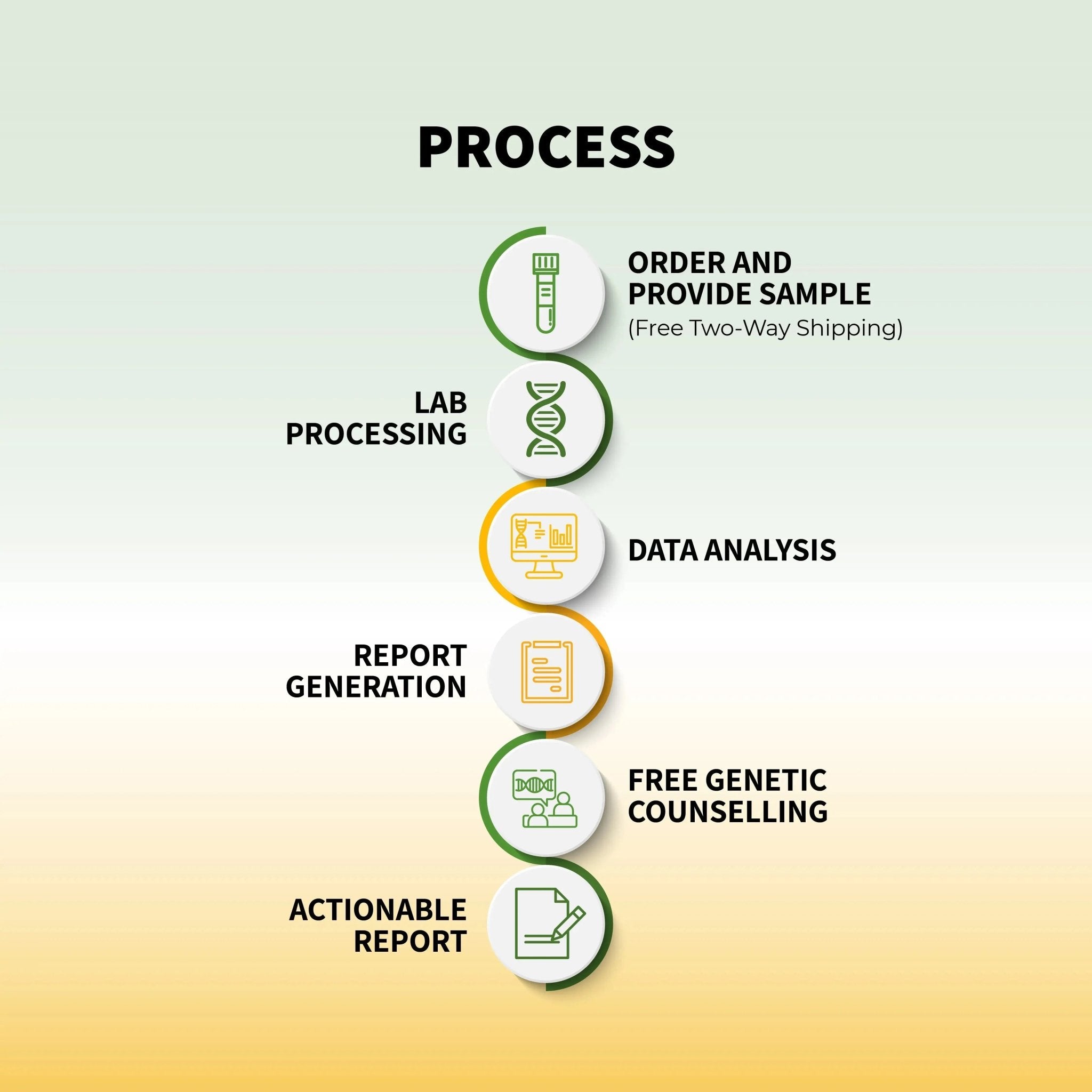
MapmyGenome’s certified genetic counsellors can help families affected by autism understand the genetic basis of the condition, assess recurrence risks, and navigate the diagnostic process — from genetic testing options to interpreting results.