

Autoimmunity: Causes, Mechanism, and How It Affects COVID Outcomes
Autoimmunity occurs when the immune system mistakenly attacks the body’s own healthy cells and tissues. It is the underlying mechanism of more than 80 autoimmune diseases, including rheumatoid arthritis, lupus, type 1 diabetes, multiple sclerosis, and coeliac disease. Understanding autoimmunity is especially important in the context of COVID-19, where immune dysregulation plays a central role in severe outcomes.
What Causes Autoimmunity?
Autoimmunity is multifactorial — caused by a combination of genetic predisposition and environmental triggers:
Genetic factors — HLA gene variants are the strongest known genetic risk factors for autoimmune disease. Other genes involved in immune regulation (PTPN22, CTLA4, IL23R) also contribute
Environmental triggers — viral infections, bacterial infections, certain medications, UV radiation, and gut microbiome dysbiosis can trigger autoimmune responses in genetically susceptible individuals
Hormonal factors — autoimmune diseases are significantly more common in women, suggesting a role for sex hormones in immune regulation
The Mechanism of Autoimmunity
In a healthy immune system, T cells and B cells that react against self-antigens are eliminated during development (central tolerance) or suppressed in the periphery (peripheral tolerance). In autoimmunity, these tolerance mechanisms break down — allowing self-reactive immune cells to survive and attack healthy tissues.
Autoimmunity and COVID-19
COVID-19 can trigger autoimmune responses in some patients — a phenomenon known as “long COVID” or post-acute sequelae of SARS-CoV-2 (PASC). The virus may trigger molecular mimicry (where viral proteins resemble self-proteins, causing the immune system to attack both), cytokine storm, and autoantibody production. Patients with pre-existing autoimmune conditions are also at higher risk for severe COVID-19 outcomes.
Know Your Genetic Immune and Autoimmune Risk Profile
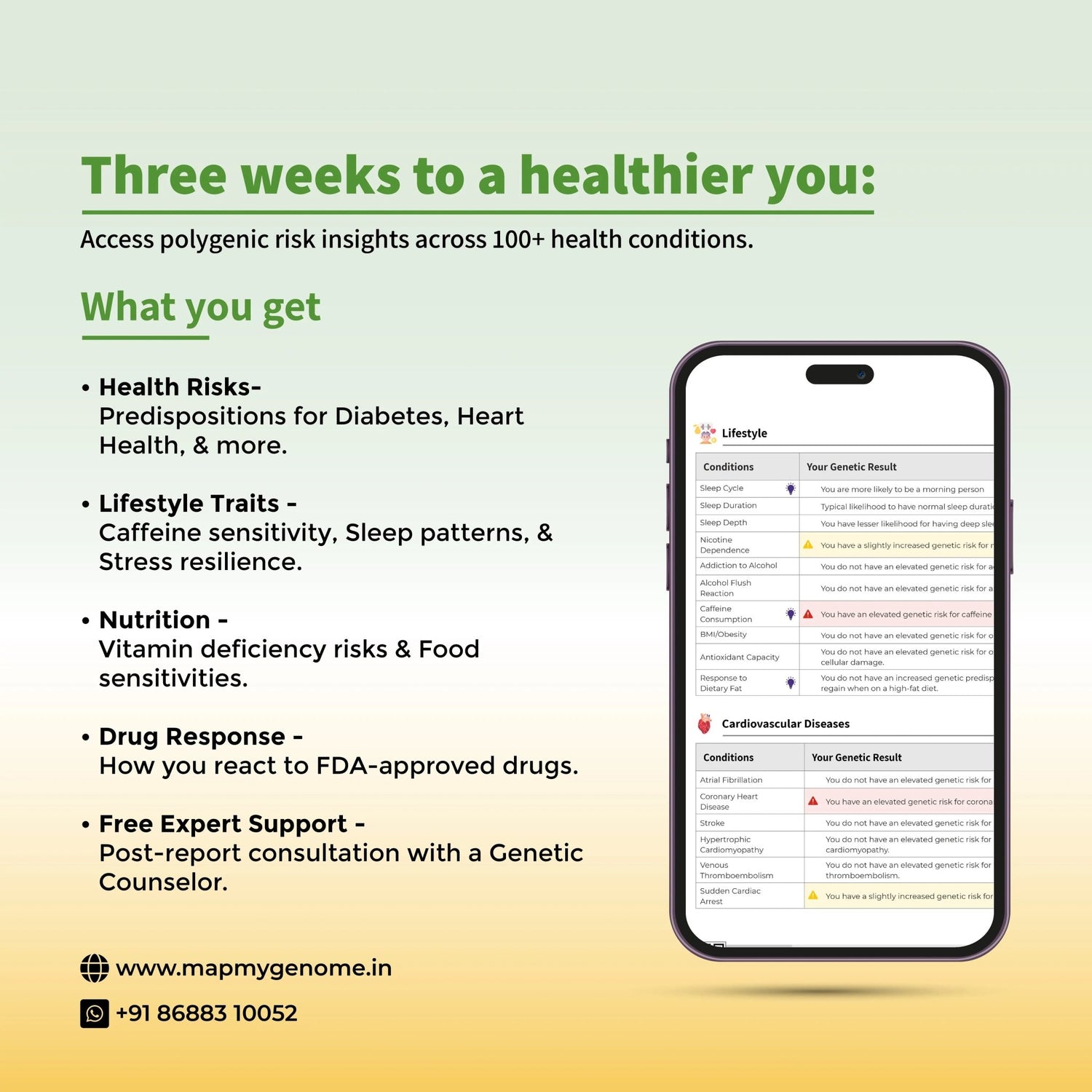
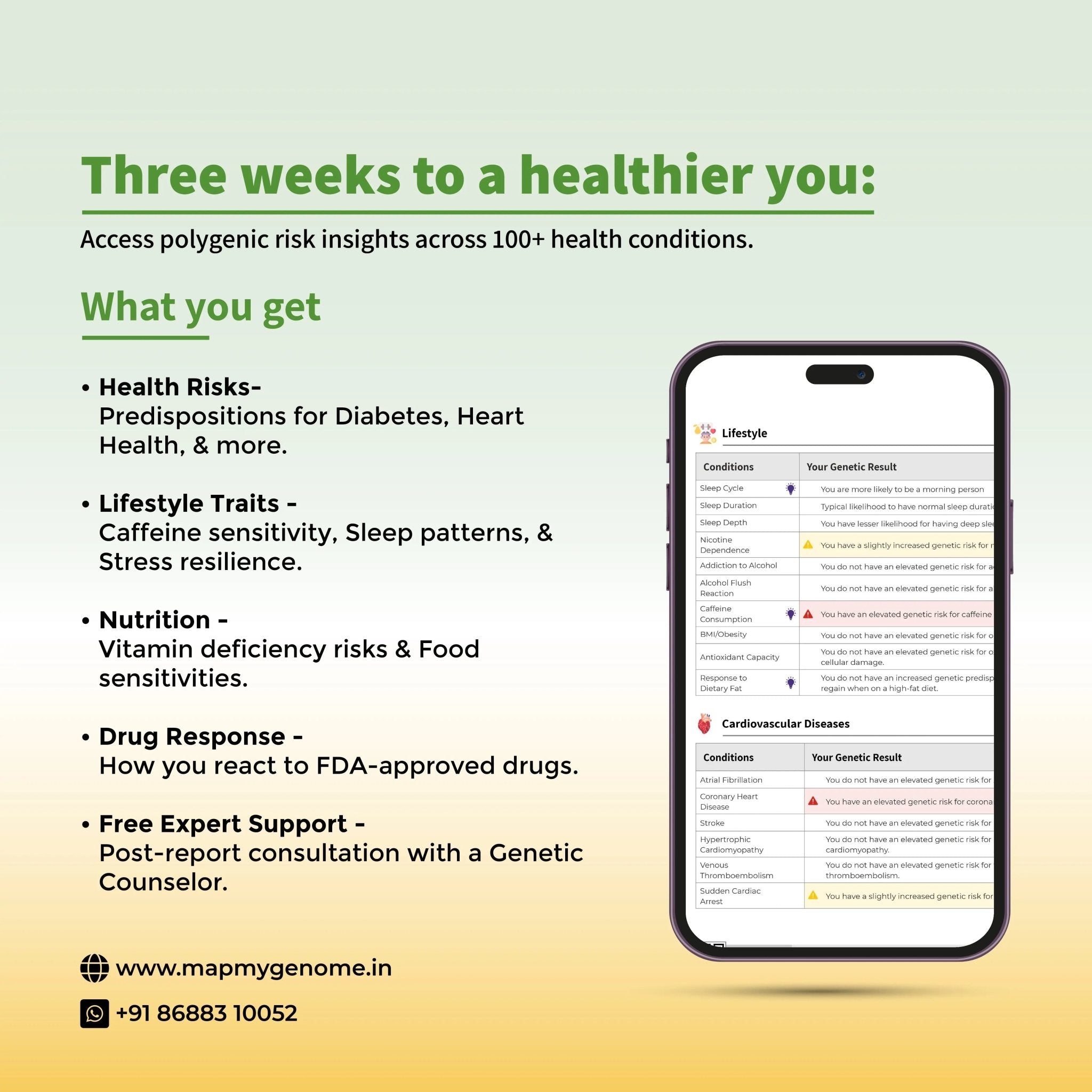
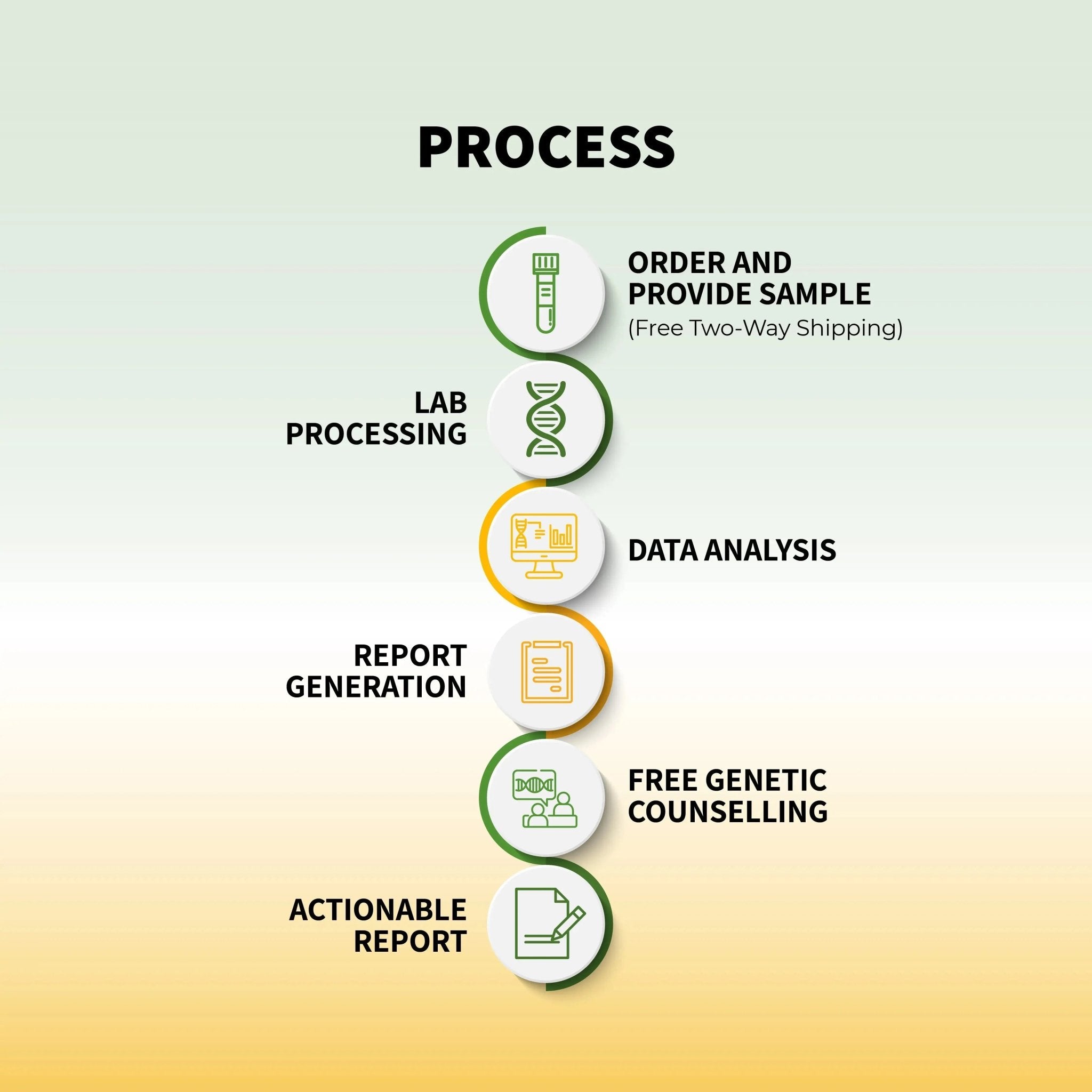
Genomepatri by MapmyGenome analyses your genetic predisposition to autoimmune conditions, immune-related diseases, inflammatory response, and 100+ other health traits — with certified genetic counselling to help you understand your results and take proactive steps.