

April Fool's Day — the one day of the year when pranking is not just acceptable but celebrated. But did you know that your sense of humor, your love of mischief, and even your tendency to laugh might actually have a genetic component? Science is increasingly revealing that personality traits — including playfulness and humor — are influenced by our genes. So when you say "pranking is in my DNA," you might be more right than you think!
The Genetics of Humor and Playfulness
Humor is a complex cognitive and social behavior that involves pattern recognition, timing, social awareness, and emotional regulation. Research suggests that the tendency to find things funny — and to express humor — has a heritable component. Twin studies show that identical twins are more similar in their sense of humor than fraternal twins, suggesting genetic influences.
Specific genetic variants have been linked to humor-related traits. The 5-HTTLPR variant in the serotonin transporter gene (SLC6A4) has been associated with the tendency to laugh and smile more. People with the "short" variant of this gene tend to be more emotionally reactive — which can manifest as both greater sensitivity to negative emotions and greater appreciation of humor as a coping mechanism.
Dopamine and the Joy of a Good Prank
The pleasure of a successful prank — the anticipation, the execution, the reaction — involves the dopamine reward system. Variants in the DRD4 gene (dopamine receptor D4) are associated with novelty-seeking and risk-taking behavior. People with certain DRD4 variants may be more drawn to the thrill of a well-executed prank — the novelty, the social risk, the reward of laughter.
Laughter Is Genuinely Good for Your Health
Beyond the fun, laughter has real health benefits. It reduces cortisol and adrenaline (stress hormones), increases endorphins (natural painkillers), boosts immune function, improves cardiovascular health by increasing blood flow, and strengthens social bonds. A good laugh is genuinely therapeutic — which is why humor is increasingly being incorporated into healthcare settings.
The Social Genetics of Pranking
Pranking is fundamentally a social behavior — it requires a target, an audience, and a shared understanding that it's all in good fun. The ability to read social situations, gauge how a prank will land, and calibrate the level of mischief appropriately involves social cognition skills that also have genetic components. Variants in the oxytocin receptor gene (OXTR) influence social bonding and empathy — both essential for knowing when a prank is funny versus when it crosses a line.
Fun Genetic Facts to Share This April Fool's Day
- Your ability to roll your tongue is influenced by genetics — though it's more complex than the simple dominant/recessive model taught in school
- Whether you can smell asparagus in your urine is determined by variants in olfactory receptor genes
- Your earwax type (wet or dry) is determined by a single gene (ABCC11) — and it also influences body odor!
- Whether cilantro tastes like soap to you is influenced by variants near the OR6A2 olfactory receptor gene
- Your tendency to sneeze in bright light (photic sneeze reflex) is a genetic trait affecting approximately 25% of people
Discover What Else Is Written in Your DNA
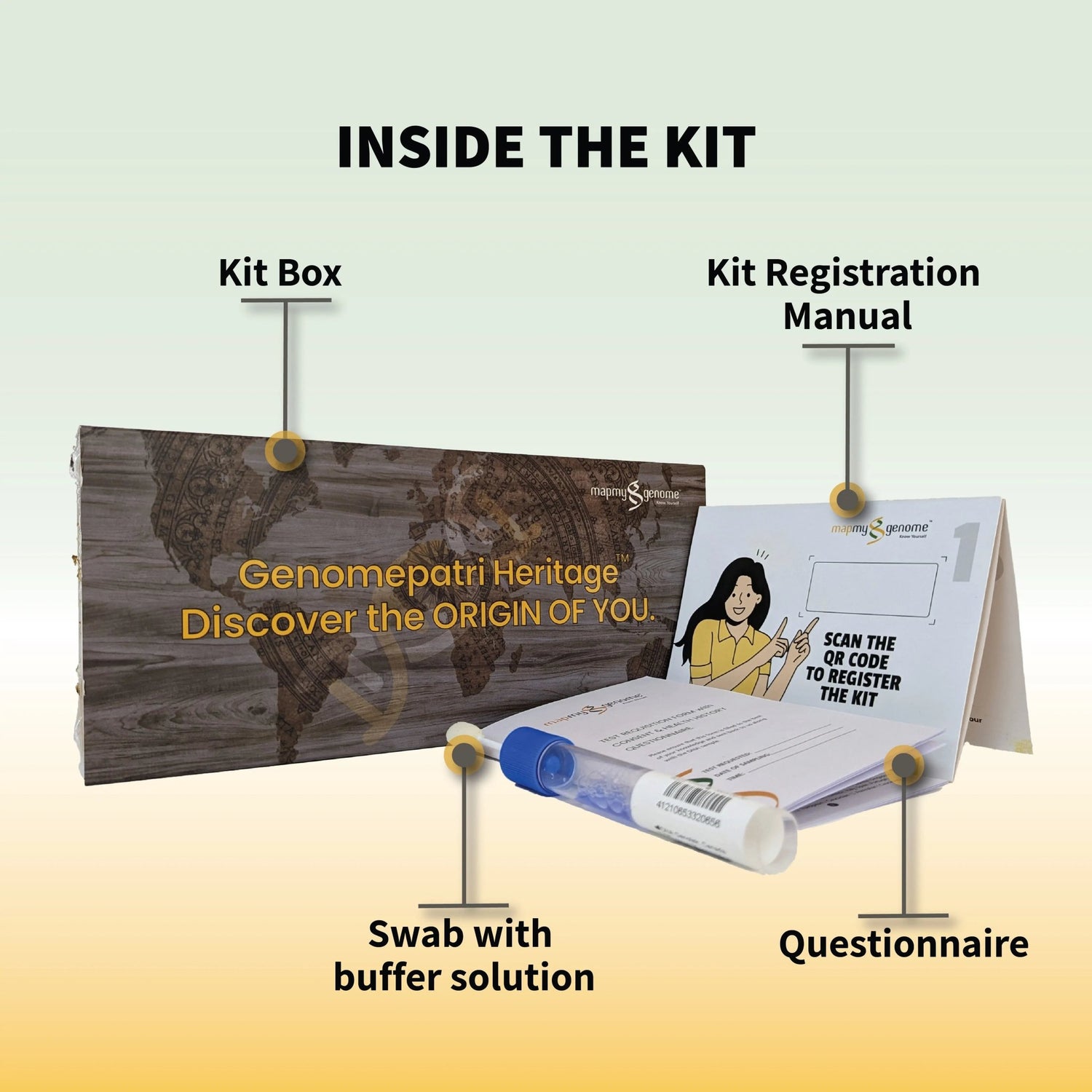
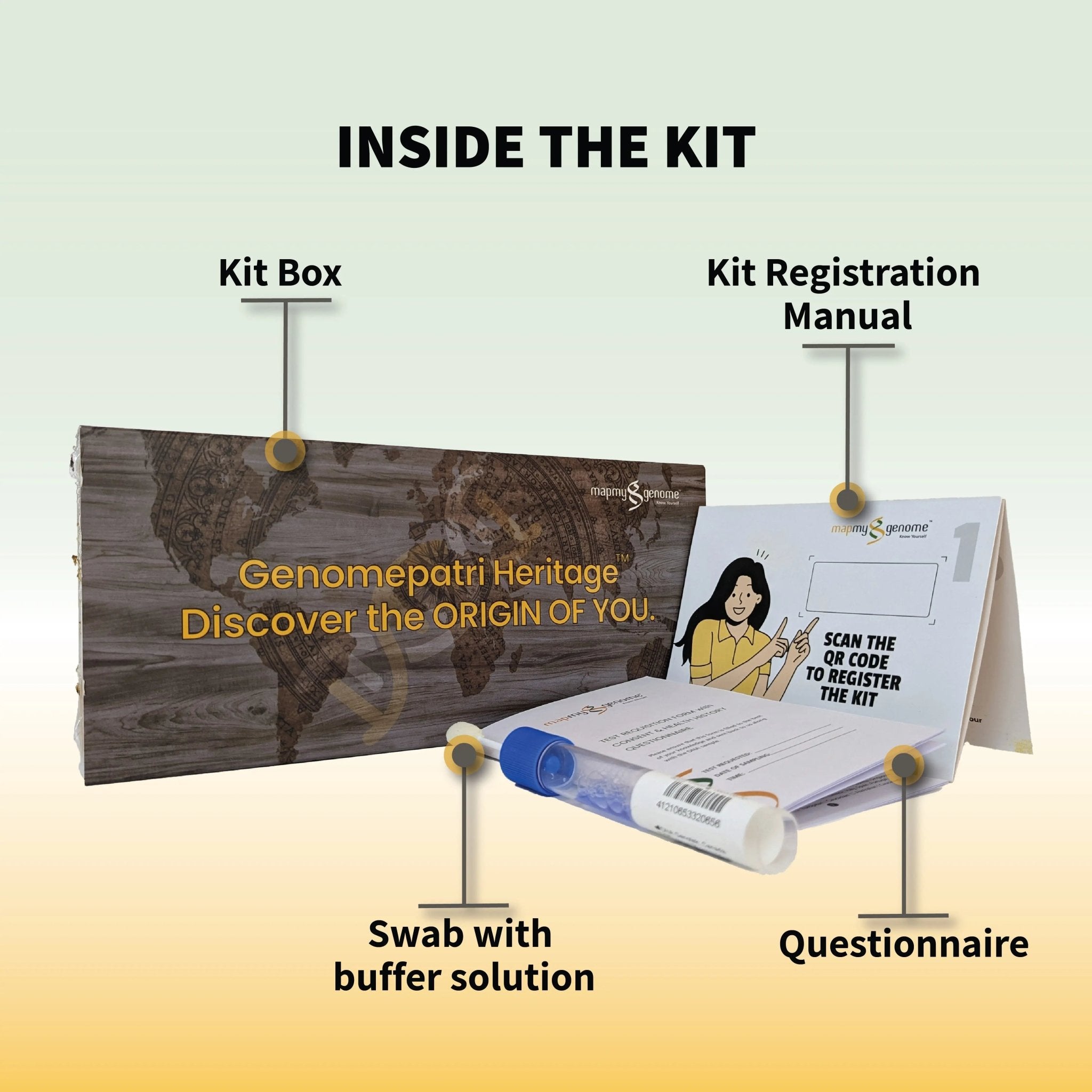
Genomepatri by MapmyGenome reveals 100+ traits about your health, personality predispositions, nutrition needs, and lifestyle — including some genuinely surprising insights about what makes you uniquely you.
Explore Genomepatri → Explore the Discover Yourself Bundle →