

Skin aging is inevitable — but premature skin aging is largely preventable. The difference between someone who looks their age and someone who looks a decade younger often comes down to a combination of genetics, sun protection habits, lifestyle choices, and skincare. Understanding the science of skin aging — and your personal genetic predispositions — allows you to build a prevention strategy that actually works for your skin.
How Skin Ages: The Science
Intrinsic Aging
Intrinsic (chronological) aging is driven by the passage of time and is largely genetically determined. It involves progressive loss of collagen and elastin (causing sagging and wrinkles), reduced skin cell turnover (causing dullness), decreased sebum production (causing dryness), and telomere shortening in skin cells. Intrinsic aging accounts for approximately 20–30% of visible skin aging.
Extrinsic Aging (Photoaging)
Extrinsic aging is driven by environmental factors — primarily UV radiation — and accounts for approximately 70–80% of visible skin aging. UV radiation causes direct DNA damage in skin cells, generates free radicals that break down collagen and elastin, and drives inflammation that accelerates aging. The good news: extrinsic aging is largely preventable.
The Genetics of Skin Aging
Your genes significantly influence how quickly your skin ages. Key genetic factors include:
- Collagen genetics (COL1A1, MMP1): Variants in MMP1 (the collagen-degrading enzyme) determine how quickly you break down collagen. High-MMP1-activity variants accelerate collagen loss and require more aggressive anti-aging intervention.
- UV sensitivity (MC1R): MC1R variants dramatically increase UV sensitivity and photoaging risk. People with MC1R variants need higher SPF and more rigorous sun protection.
- Antioxidant capacity (SOD2, GPX1): Variants affecting antioxidant enzyme efficiency determine how well your skin neutralizes UV-generated free radicals.
- Skin barrier function (FLG): Filaggrin variants affect skin hydration and barrier integrity — dry, compromised skin ages faster.
- Telomere length: Genetically shorter telomeres are associated with faster cellular aging across all tissues, including skin.
Evidence-Based Prevention Strategies
Sun Protection — The Most Important Step
Daily broad-spectrum SPF 30+ sunscreen is the single most evidence-based anti-aging intervention available. Apply every morning, reapply every 2 hours when outdoors. Combine with protective clothing, hats, and seeking shade during peak UV hours (10am–4pm).
Retinoids — The Gold Standard Anti-Aging Ingredient
Retinoids (vitamin A derivatives) are the most evidence-based topical anti-aging ingredient. They stimulate collagen production, accelerate cell turnover, reduce fine lines, and improve skin texture. Start with a low concentration and build up gradually. Prescription tretinoin is more potent than over-the-counter retinol.
Antioxidants
Topical vitamin C (L-ascorbic acid) neutralizes UV-generated free radicals, stimulates collagen synthesis, and brightens skin. Apply in the morning before sunscreen for maximum benefit. Niacinamide, vitamin E, and resveratrol are also effective topical antioxidants.
Hydration and Barrier Support
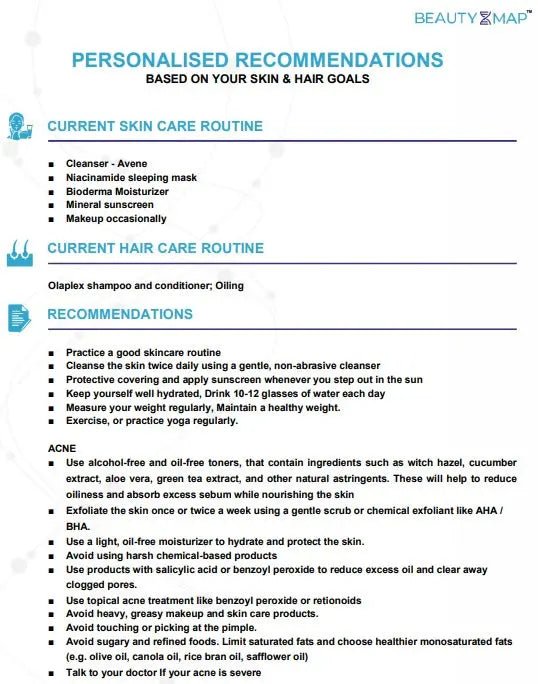
Well-hydrated skin with an intact barrier ages more slowly. Use a moisturizer containing ceramides, hyaluronic acid, and/or glycerin. Avoid harsh cleansers that strip the skin barrier.
Lifestyle Factors
- Don't smoke: Smoking dramatically accelerates skin aging through multiple mechanisms
- Limit alcohol: Alcohol dehydrates skin and generates free radicals
- Sleep adequately: Skin repair and collagen synthesis peak during sleep
- Eat a Mediterranean-style diet: Rich in antioxidants, omega-3s, and collagen-supporting nutrients
- Manage stress: Chronic stress elevates cortisol, which breaks down collagen
FAQs
At what age should I start anti-aging skincare?
Prevention is most effective when started early. Sun protection and antioxidants from your 20s, retinoids from your late 20s or early 30s. The earlier you start protecting your collagen, the more you'll have to work with later.
Can genetic testing help me choose the right anti-aging products?
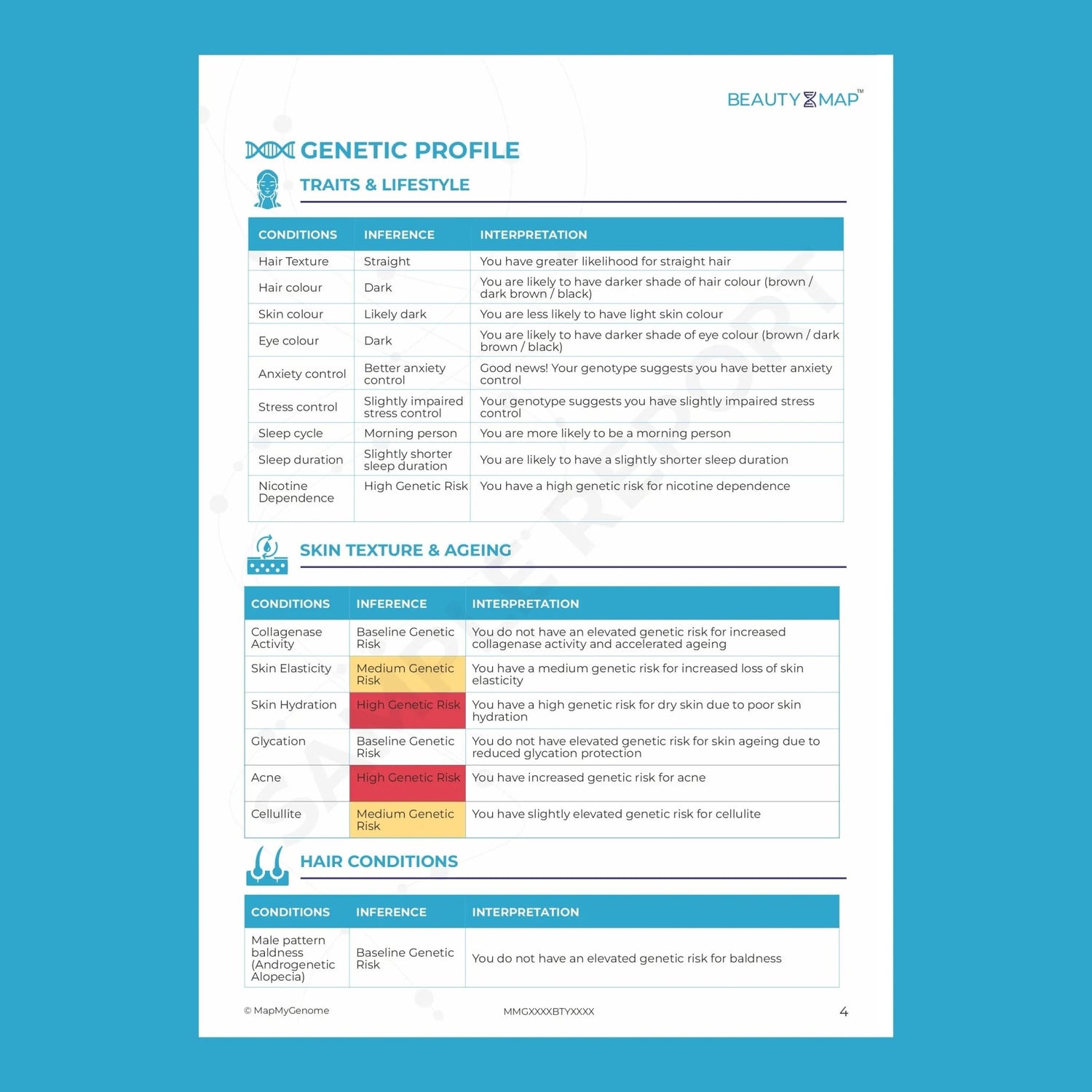
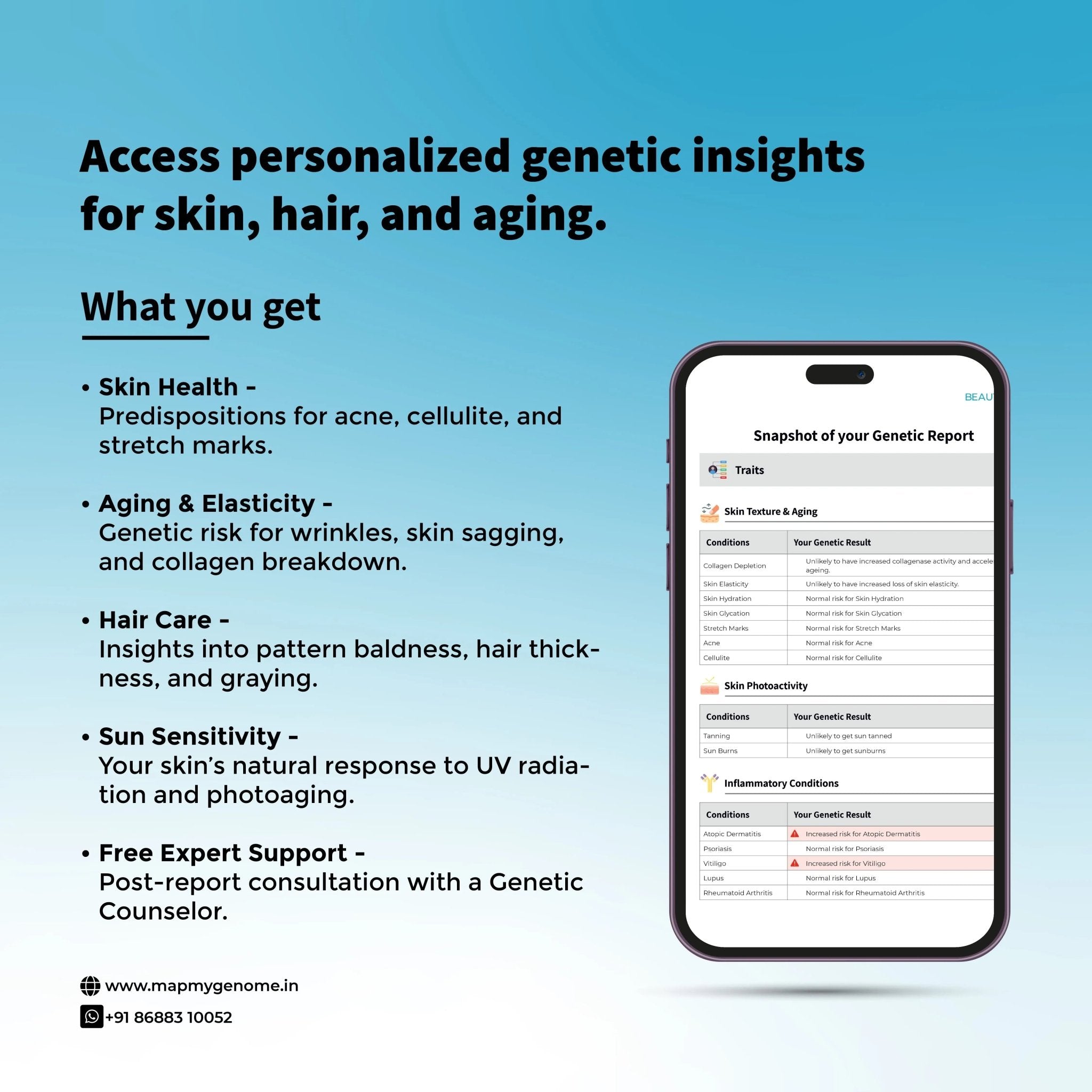
Yes. Knowing your collagen genetics, UV sensitivity, antioxidant capacity, and barrier function allows you to prioritize the ingredients and interventions most relevant to your specific skin aging profile.
Build an Anti-Aging Routine Based on Your DNA
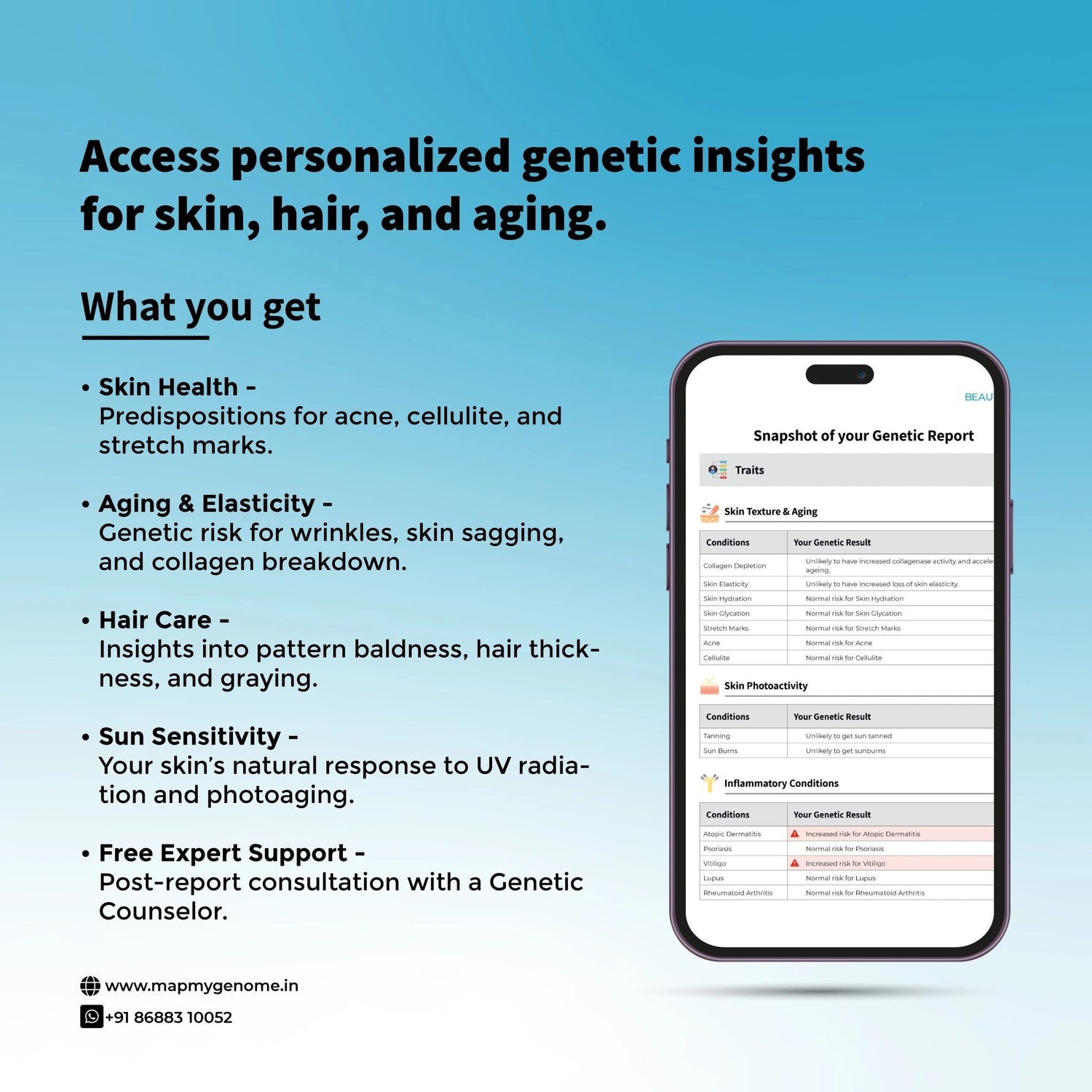
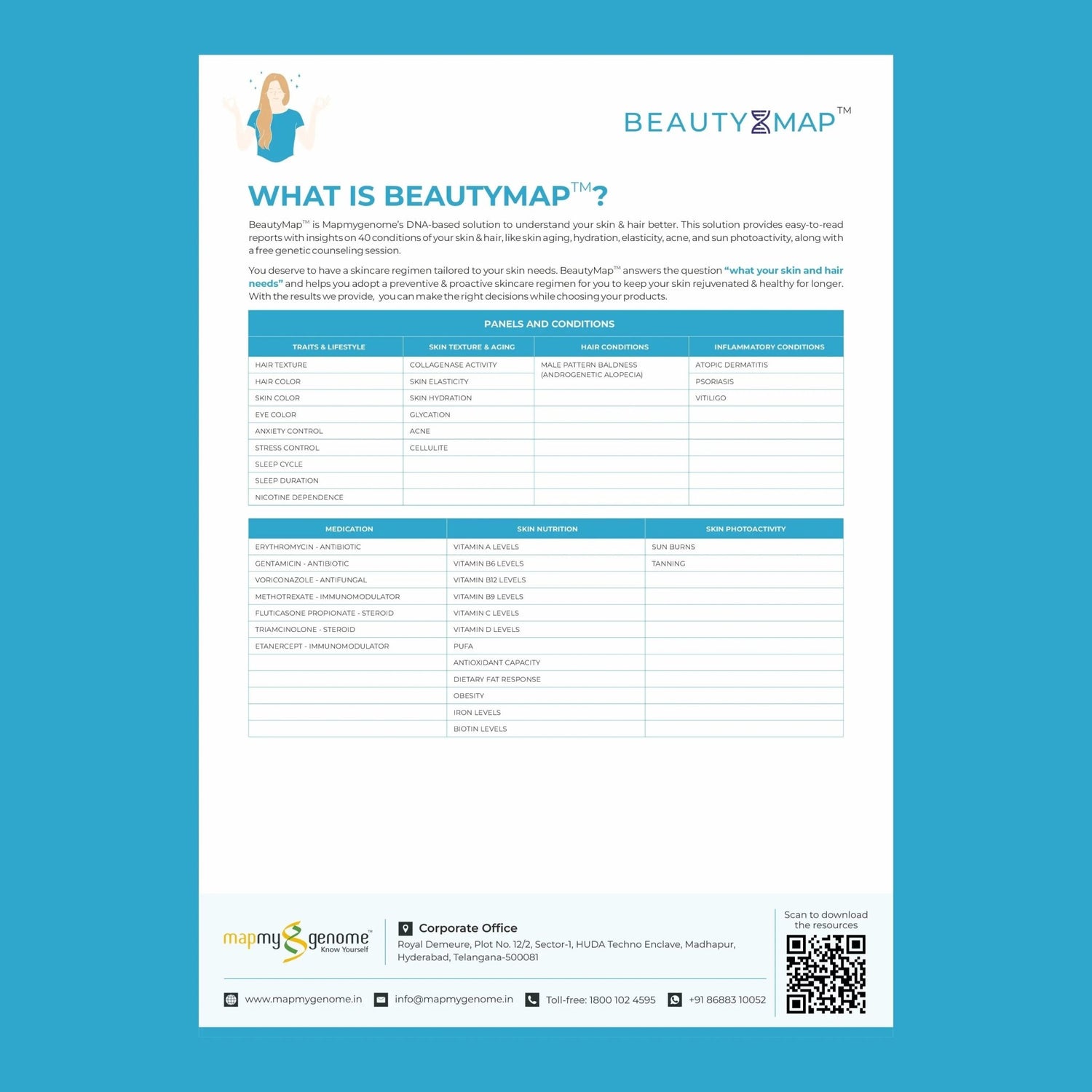
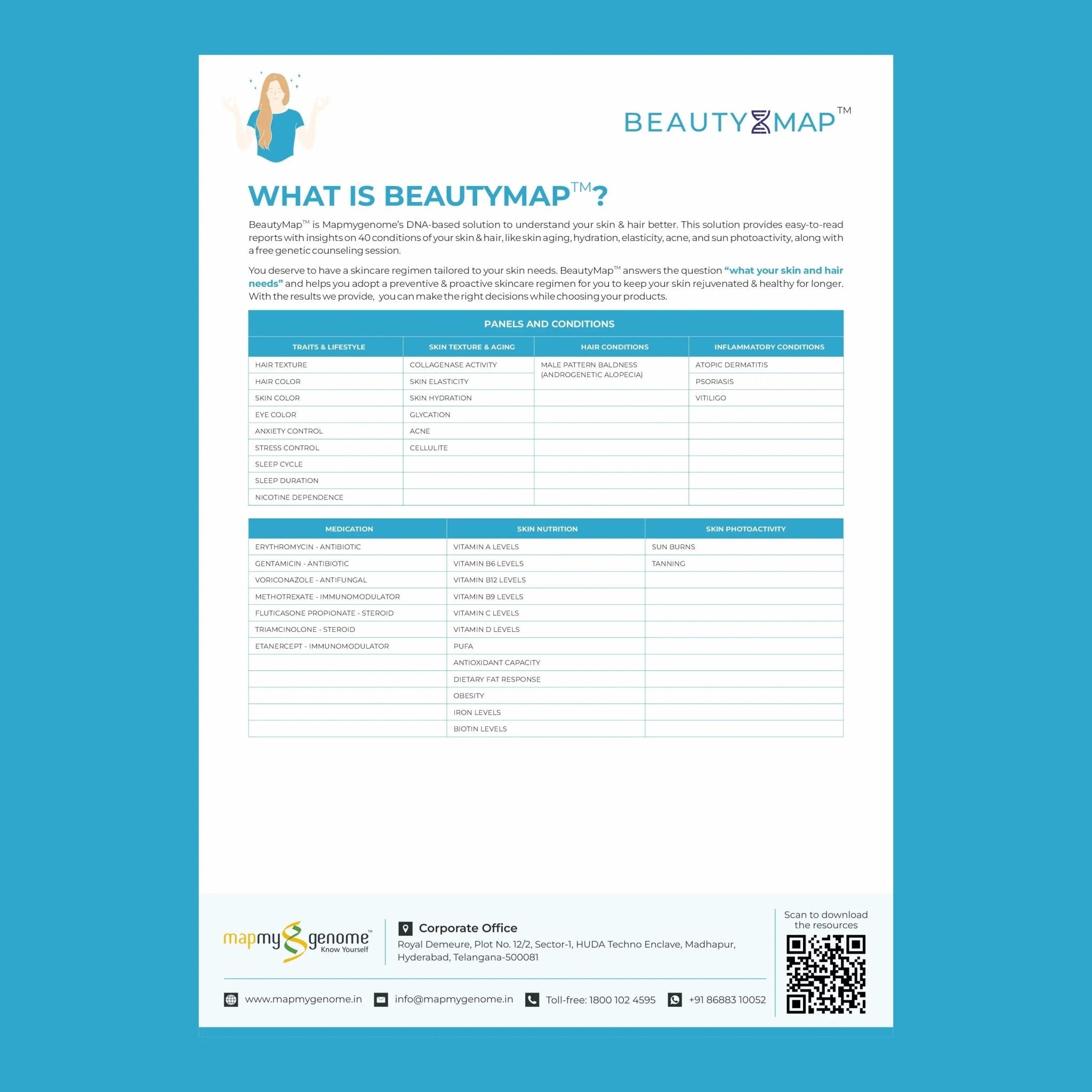
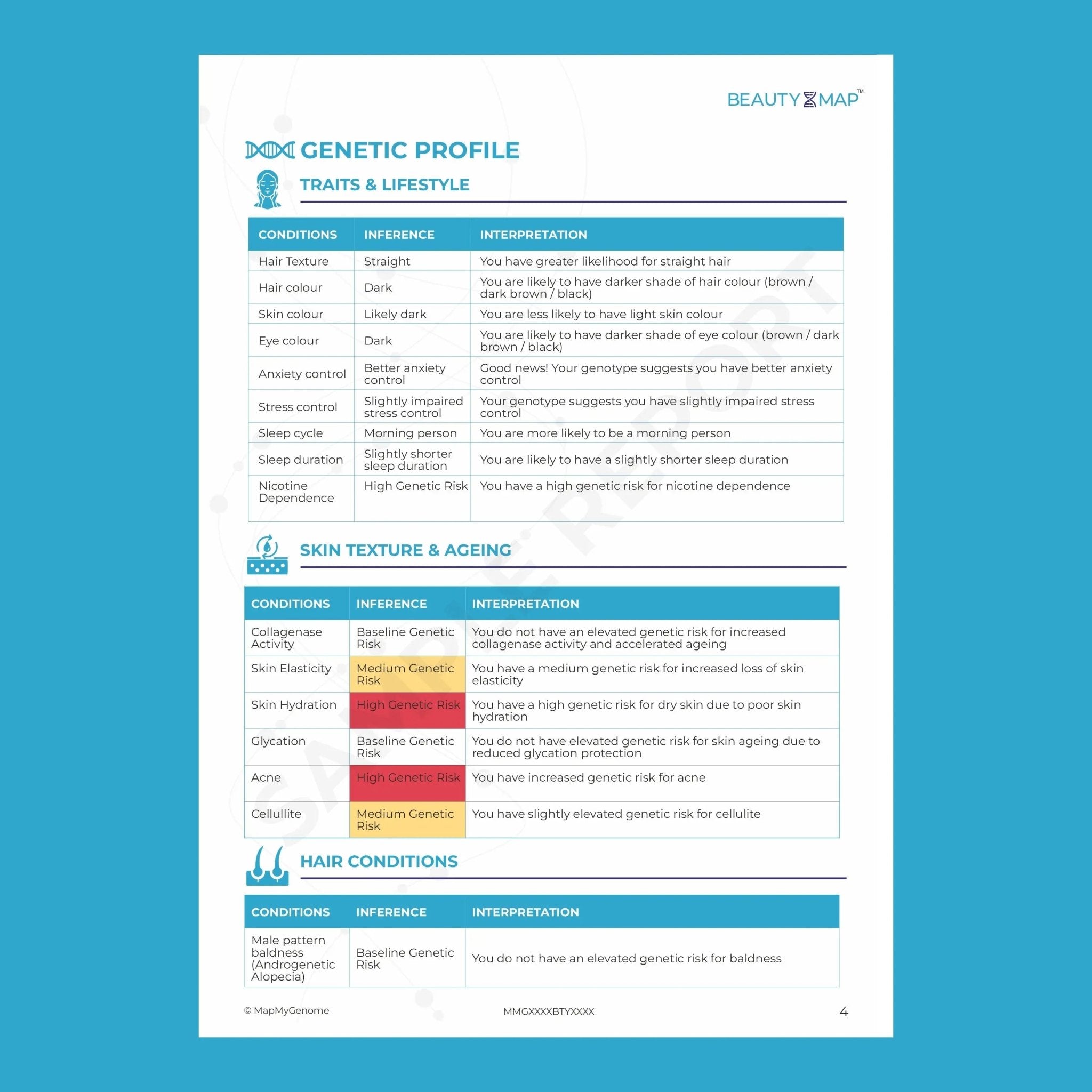
BeautyMap by MapmyGenome reveals your genetic collagen profile, UV sensitivity, antioxidant capacity, and skin barrier function — giving you the personalized insights to build an anti-aging routine that works with your unique skin genetics.