

March is Endometriosis Awareness Month — a time to shine a light on a condition that affects approximately 190 million women and girls globally, yet remains chronically underdiagnosed and misunderstood. In India, endometriosis affects an estimated 25 million women. Despite its prevalence, the average time from symptom onset to diagnosis is 7–10 years. Dispelling the myths surrounding endometriosis is essential for earlier diagnosis and better care.
What Is Endometriosis?
Endometriosis is a chronic inflammatory condition in which tissue similar to the endometrium (the lining of the uterus) grows outside the uterus — on the ovaries, fallopian tubes, bladder, bowel, and other pelvic structures. This tissue responds to hormonal changes during the menstrual cycle, causing inflammation, scarring, and adhesions. The result is often severe pain, heavy periods, and fertility challenges.
9 Myths About Endometriosis — Debunked
Myth 1: Painful periods are normal
Fact: While some menstrual discomfort is common, severe pain that interferes with daily activities is not normal and warrants medical evaluation. Endometriosis is a leading cause of debilitating menstrual pain.
Myth 2: Endometriosis only affects older women
Fact: Endometriosis can affect anyone who menstruates, including teenagers. Symptoms often begin with the first menstrual period.
Myth 3: Pregnancy cures endometriosis
Fact: Pregnancy may temporarily suppress symptoms due to hormonal changes, but it does not cure endometriosis. Symptoms typically return after pregnancy.
Myth 4: Endometriosis always causes infertility
Fact: While endometriosis is associated with reduced fertility, many women with endometriosis conceive naturally. Fertility outcomes depend on the severity and location of the disease.
Myth 5: A negative ultrasound rules out endometriosis
Fact: Standard ultrasound misses most endometriosis. Laparoscopy (keyhole surgery) remains the gold standard for diagnosis. Specialized ultrasound by an experienced sonographer can detect some forms, but not all.
Myth 6: Endometriosis is just bad periods
Fact: Endometriosis is a systemic inflammatory disease that can cause pain throughout the month (not just during periods), bowel and bladder symptoms, fatigue, and significant impacts on mental health and quality of life.
Myth 7: The pill cures endometriosis
Fact: Hormonal treatments (including the pill) suppress symptoms but do not cure endometriosis. Disease typically returns when treatment is stopped.
Myth 8: Endometriosis is caused by retrograde menstruation
Fact: Retrograde menstruation (menstrual blood flowing backward through the fallopian tubes) is common and likely contributes to endometriosis, but doesn't explain all cases. Genetics, immune dysfunction, and environmental factors also play important roles.
Myth 9: Endometriosis is rare
Fact: Endometriosis affects approximately 10% of women of reproductive age globally — making it as common as diabetes. It is severely underdiagnosed, not rare.
The Genetic Component of Endometriosis
Endometriosis has a significant genetic component. First-degree relatives of women with endometriosis have a 5–7× higher risk of developing the condition. Genome-wide association studies have identified multiple genetic loci associated with endometriosis risk, including variants in genes involved in hormone metabolism, immune function, and tissue remodeling.
FAQs
How is endometriosis diagnosed?
Definitive diagnosis requires laparoscopy with biopsy. Clinical diagnosis based on symptoms and imaging is increasingly accepted to allow earlier treatment without surgery.
What treatments are available for endometriosis?
Treatment options include hormonal therapies (combined pill, progestins, GnRH agonists), pain management, and surgery (laparoscopic excision of endometriosis lesions). Treatment is individualized based on symptom severity, fertility goals, and disease extent.
Understand Your Genetic Women’s Health Profile
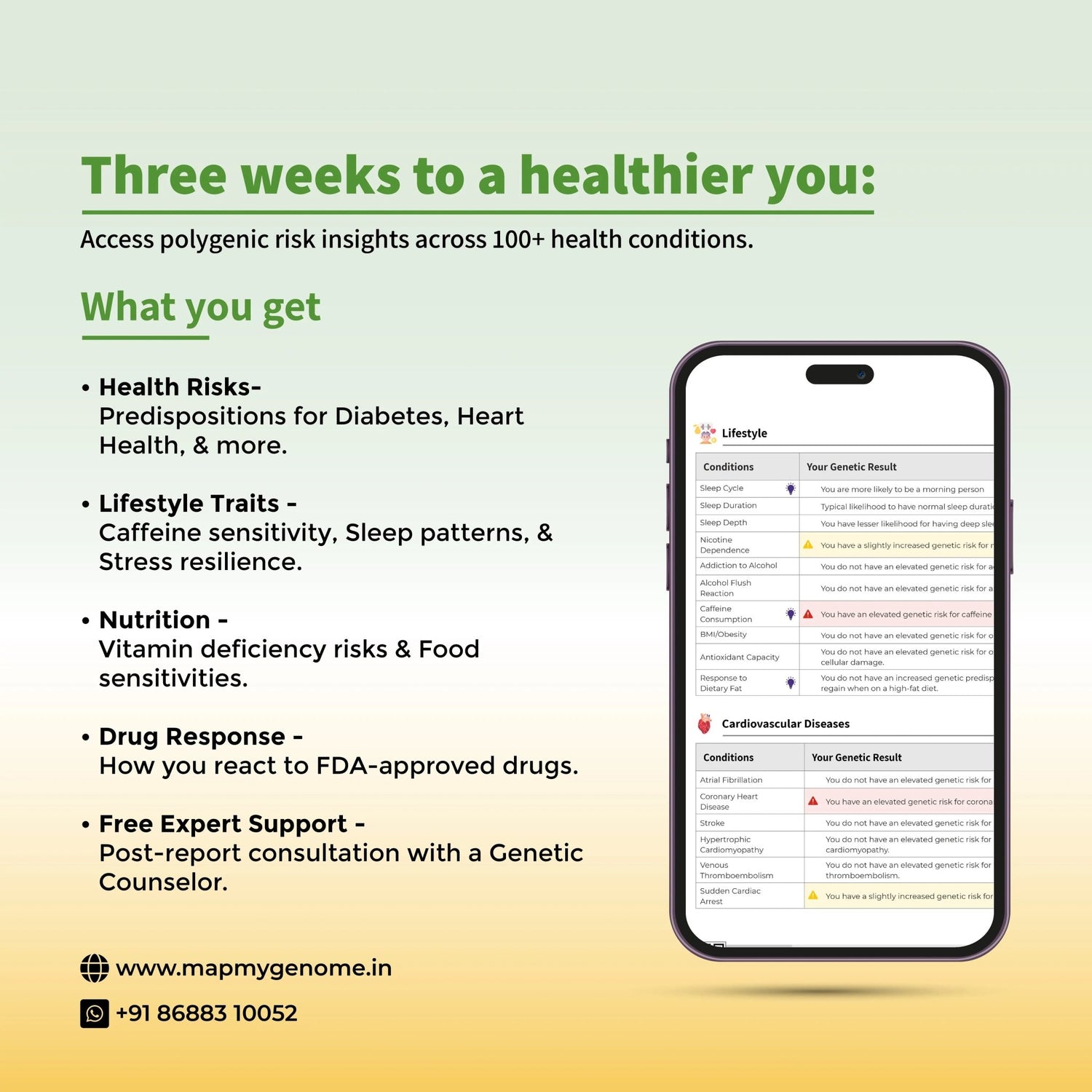
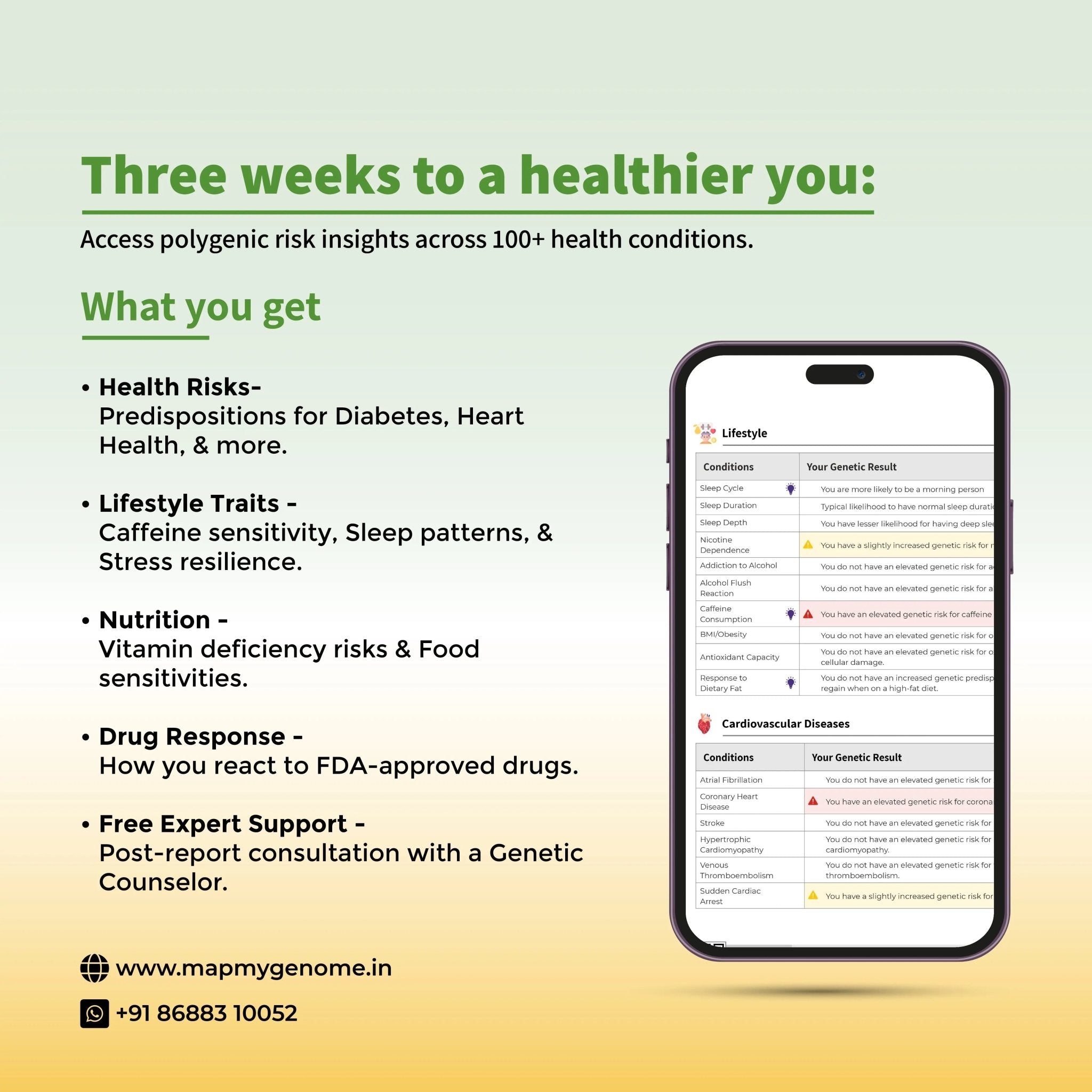
Genomepatri by MapmyGenome includes genetic insights into women's health conditions including hormonal traits, autoimmune susceptibility, and reproductive health — backed by NABL-certified labs and expert genetic counsellors.