

A Personal Story by Dr. Devraj
"It was my second year of medical school. My grandmother had already been diagnosed with hypertension and on medication for decades. My grandmother would ask me to check her medicines and ask me about them, trying to learn more about them. She would always travel places around with her medications. She was experiencing blackouts, nausea, and palpitations which were later diagnosed to be angina. She has been put on beta-blockers (metoprolol) since then to prevent such episodes.
She ran out of medication one day and was going to restock it the next day, skipping the medication for that day. Later in the night she developed nausea, dizziness and then was found unconscious. She was taken to the nearby hospital, where we found out her blood pressure shot up and she suffered a stroke, paralyzing her and losing her ability to speak. It was too early for me to understand what went wrong until my professor explained to me the rebound phenomenon. Sadly, her condition deteriorated and she passed away after a few months.
Beta-blockers are the drugs used in the treatment of hypertension, sudden withdrawal of beta-blockers causes rebound hypertension, worsening of angina, and sudden death in some."
What are Beta-Blockers?
Beta-blockers (beta-adrenergic receptor blockers) are a class of medications primarily used to treat cardiovascular diseases and various other medical conditions. They work by blocking beta-adrenergic receptors, which are situated throughout different organ systems in the body.
Receptor Types and Functions
-
Beta-1 (\beta_1) Receptors: Primarily located in the heart, where they control cardiac activity, heart rate, and contractility.
-
Beta-2 (\beta_2) Receptors: Present in various smooth muscle locations (such as the lungs and blood vessels), controlling metabolic activities and smooth muscle relaxation.
-
Beta-3 (\beta_3) Receptors: Located in adipose tissue, dealing primarily with fat metabolism.
Classification of Beta-Blockers
Beta-blockers are broadly categorized based on their receptor selectivity:
| Category | Mechanism | Examples |
| Nonselective Beta-Blockers | Block both $\beta_1$ and $\beta_2$ receptors. | Propranolol, Labetalol, Carvedilol, Sotalol, Timolol, Pindolol |
| Cardioselective Beta-Blockers | Primarily block $\beta_1$ receptors in the heart. | Metoprolol, Atenolol, Acebutolol, Bisoprolol, Esmolol, Betaxolol, Celiprolol, Nebivolol |
Indications for Beta-Blocker Usage
FDA-Approved Indications
-
Tachycardia
-
Hypertension
-
Myocardial infarction (Heart Attack)
-
Congestive heart failure
-
Cardiac arrhythmias
-
Coronary artery disease
-
Hyperthyroidism
-
Essential tremor
-
Aortic dissection
-
Portal hypertension
-
Glaucoma
-
Migraine prophylaxis
Less Frequent / Off-Label Uses
-
Long QT syndrome
-
Hypertrophic obstructive cardiomyopathy
-
Anxiety
-
Reduction in performance tremors
Mechanism of Action on the Cardiovascular System
The naturally occurring catecholamines, epinephrine and norepinephrine, bind to \beta_1 receptors to increase cardiac automaticity and conduction velocity. Stimulating $\beta_1$ receptors also induces the release of renin from the kidneys, leading to an increase in overall blood pressure. Conversely, binding to \beta_2 receptors causes the relaxation of smooth muscles alongside metabolic effects like glycogenolysis.
Once beta-blockers bind to these receptors, they inhibit these sympathetic pathways:
-
The chronotropic (heart rate) and inotropic (cardiac contractility) functions undergo inhibition, slowing down the heart rate.
-
The harmony of ventricular fiber contraction changes, as systole (contraction) is prolonged by a delay in conduction.
-
Overall, beta-blockers decrease heart rate, the force of contraction, and cardiac output.
Beta-blockers also lower blood pressure through several parallel mechanisms, including reduced renin secretion. This negative chronotropic and inotropic action decreases myocardial oxygen demand, which explains how angina improves under beta-blocker therapy. Additionally, they prolong atrial refractory periods, giving them potent antiarrhythmic properties.
Note: In a normal resting state, these blocking effects are relatively mild; they become highly prominent during states of sympathetic overactivity, such as heavy exercise or emotional stress.
Adverse Effects and Contraindications
While highly effective, long-term or concomitant usage of beta-blockers can cause specific side effects:
-
General Discomfort: Fatigue, dizziness, nausea, and constipation.
-
Sexual Dysfunction: Some patients report erectile dysfunction.
-
Respiratory Risks: Less commonly, bronchospasm can present. Because asthmatic patients are at a higher risk of severe exacerbations, beta-blockers are generally contraindicated in asthmatics.
-
Vasofriction: Patients with Raynaud syndrome (characterized by cold hands and feet) are at risk of symptom exacerbation.
-
Hypoglycemia Masking: Beta-blockers can induce hypoglycemia and, crucially, mask the warning hemodynamic signs (like tachycardia) that a diabetic patient would typically rely on to notice dropping blood sugar.
-
Central Nervous System Effects: Insomnia, sleep changes, and nightmares. This is more pronounced with lipophilic beta-blockers that readily cross the blood-brain barrier.
-
Conduction Issues: All beta-blockers carry a risk of heart block, particularly in patients with pre-existing cardiac risk factors.
-
Drug-Specific Effects: Carvedilol may increase edema in some individuals. Sotalol blocks potassium channels, inducing QT prolongation and raising the risk of torsades de pointes (a dangerous abnormal heart rhythm).
Pharmacogenomics & Drug Interactions
The Role of Genetics (CYP2D6 Gene)
Your genetic profile heavily influences how your body metabolizes beta-blockers, altering their efficacy, toxicity, and withdrawal risk:
-
Propranolol: Patients with the $CYP2D6*1$ allele may exhibit lower S-propranolol plasma concentrations than those with the $CYP2D6*10$ allele, though contradictory findings exist.
-
Metoprolol & Carvedilol: $CYP2D6$ gene polymorphisms significantly interact with how these drugs are cleared. Poor metabolizers accumulate higher drug levels, intensifying both the therapeutic impact and the subsequent withdrawal risk if stopped.
Critical Drug Interactions
-
Calcium Channel Blockers & Digitalis: Giving beta-blockers alongside drugs like Verapamil or Digitalis can cause additive depression of the sinus node and A-V conduction, potentially triggering cardiac arrest. However, Propranolol can generally be used safely with Nifedipine.
-
Insulin: Propranolol exerts a hypoglycemic effect; combining it with insulin can precipitate severe hypoglycemia without the standard warning signs.
-
Proton Pump Inhibitors (PPIs): Medications like Cimetidine inhibit the metabolism of propranolol, requiring downward dose adjustments.
The Danger of Rebound Hypertension
What is Rebound Hypertension?
When a patient takes beta-blockers long-term, the body adapts to the continuous blockade by upregulating (increasing the number and sensitivity of) beta-adrenergic receptors.
If the medication is stopped suddenly, these hypersensitive receptors are abruptly exposed to circulating adrenaline and noradrenaline. This triggers a dramatic, uncontrolled surge in vasoconstriction, heart rate, and blood pressure that can far exceed pre-treatment levels.
Symptoms of Beta-Blocker Withdrawal
-
Severe headache and pounding heartbeat
-
Chest pain, tightness, or worsening of angina
-
Sweating and tremors
-
Dramatically elevated blood pressure readings
-
In severe cases: Myocardial infarction (heart attack), stroke, or sudden cardiac death
Who is Most at Risk?
-
Patients with coronary artery disease or a history of heart attacks.
-
Those taking high doses of short-acting beta-blockers (e.g., immediate-release propranolol or metoprolol).
-
Patients who abruptly skip or discontinue their medication due to side effects, forgetfulness, or supply issues.
How to Stop Safely
Never stop taking beta-blockers abruptly. To wean a patient off safely, a physician must implement a gradual reduction in dosage (tapering) typically spanning 1–2 weeks under close medical supervision.
Precision Medicine and the Future of Care
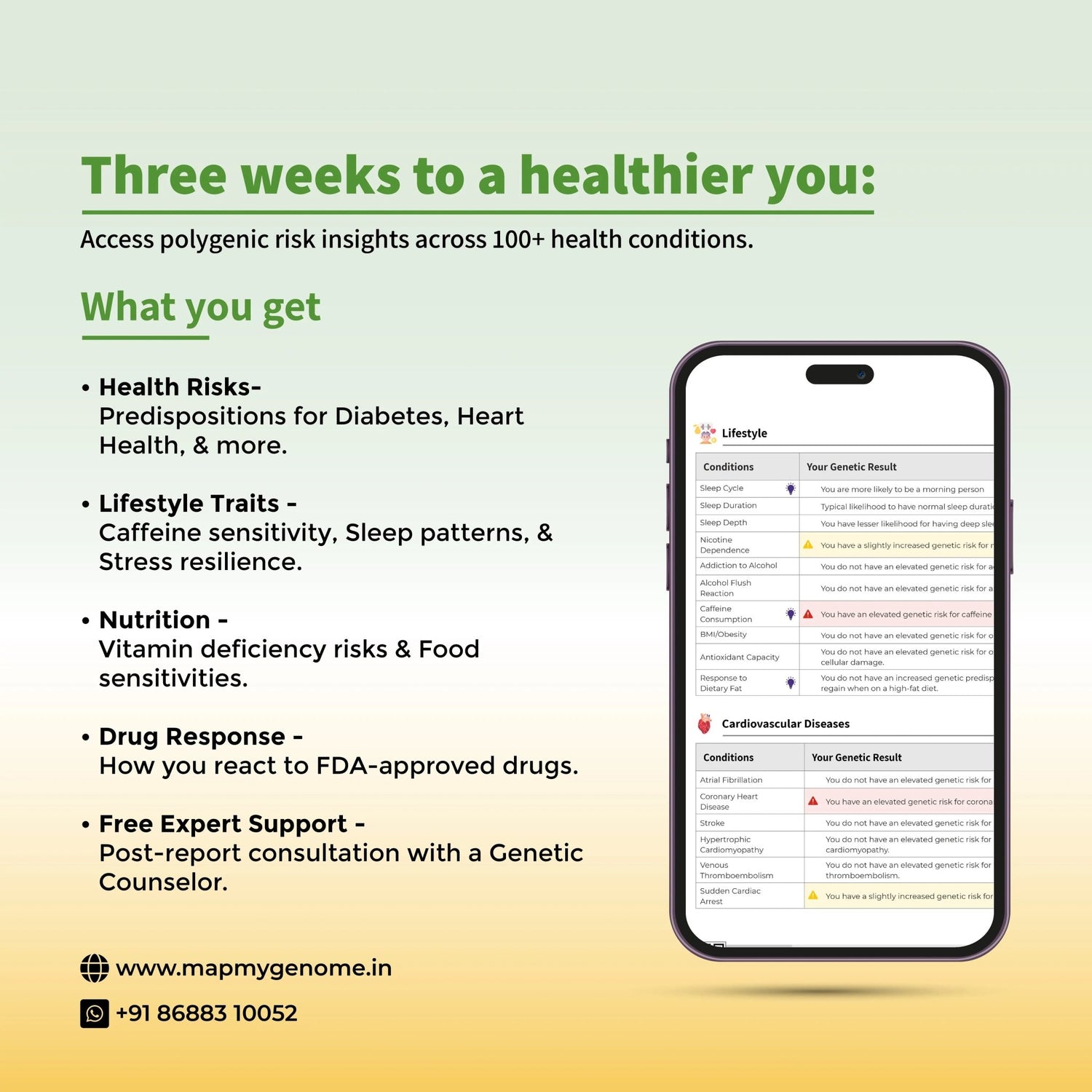
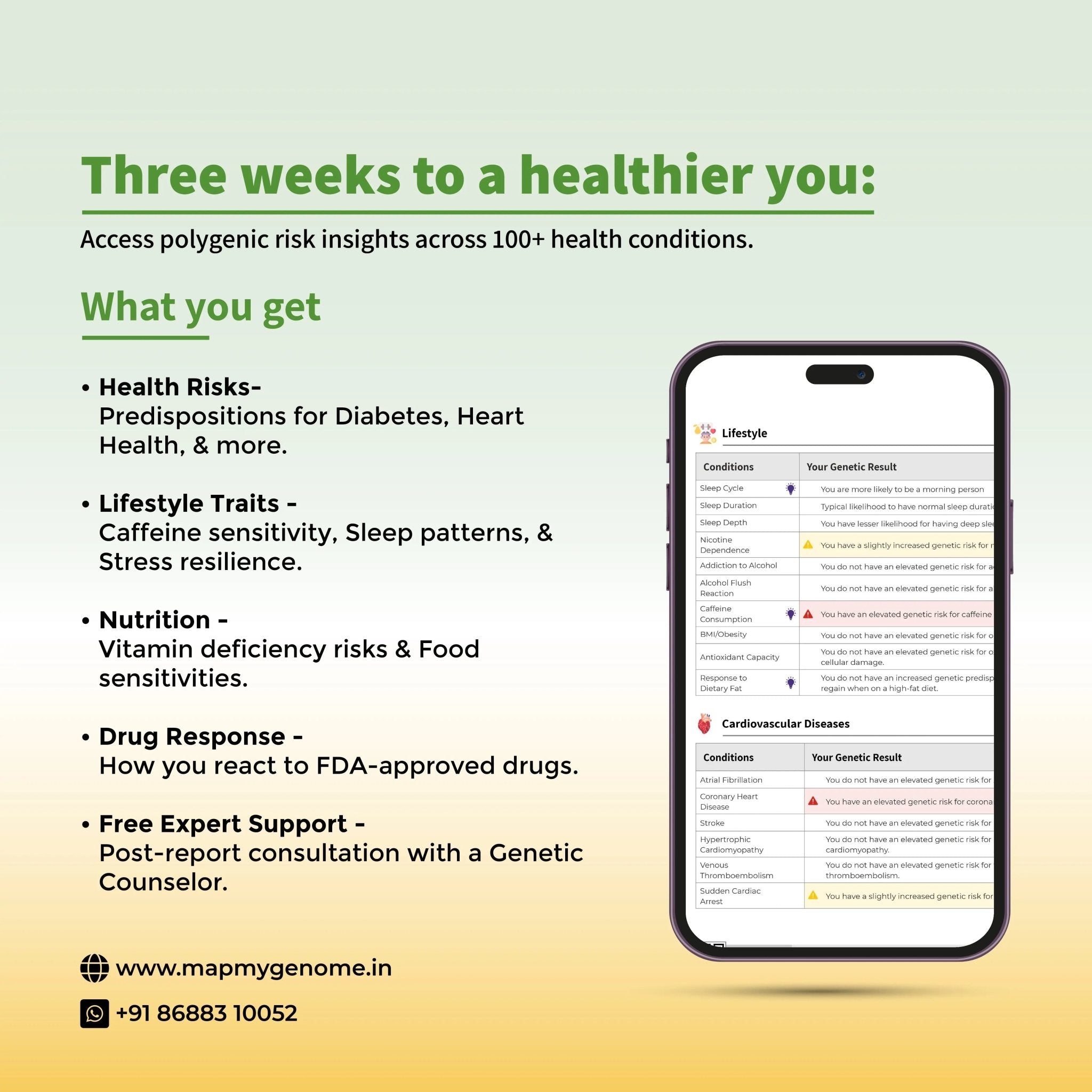
With modern advancements in genomics, clinicians can utilize single nucleotide polymorphisms (SNPs) to predict an individual's baseline genetic risk for conditions like stroke, hypertension, and coronary artery disease. Armed with this data, patients can be preemptively advised on targeted lifestyle modifications and medication adherence.
Furthermore, pharmacogenomics allows us to preview drug efficacy, toxicity, and metabolic speeds before a single pill is swallowed. If a patient's profile reveals a high risk for toxic reactions with "Drug A," a physician can confidently prescribe "Drug B," minimizing adverse outcomes. This tailored approach is a cornerstone of modern strategies to promote longevity, prevent avoidable cardiovascular events, and improve long-term wellness.
Generally Asked Questions (GAQs)
Q1: I missed my beta-blocker dose today. Should I double the dose tomorrow?
No. Never double your dose to make up for a missed one. Taking a double dose can cause your heart rate and blood pressure to drop dangerously low. If you miss a dose, take it as soon as you remember. However, if it is almost time for your next scheduled dose, skip the missed dose entirely and resume your normal schedule.
Q2: Why do beta-blockers make me feel so tired?
Beta-blockers slow down your heart rate and reduce your cardiac output, meaning your heart pumps less blood per minute. While this protects your heart, it reduces the amount of oxygen-rich blood circulating to your muscles during exertion, resulting in a feeling of fatigue or lethargy. This side effect often improves after a few weeks as your body adjusts.
Q3: Can I drink alcohol while taking beta-blockers?
It is highly recommended to limit or avoid alcohol. Alcohol can simultaneously lower your blood pressure and increase the sedative side effects of beta-blockers, leading to severe dizziness, lightheadedness, or fainting.
Q4: How long does the tapering process take if I need to stop?
A safe medical taper typically lasts between 1 to 2 weeks, though it can be longer depending on your dosage, the specific drug, and how long you have been taking it. Your doctor will gradually reduce your dose to give your heart's beta-receptors time to adjust back to normal levels.
Q5: Can I take over-the-counter (OTC) cold medicines with beta-blockers?
You should consult a doctor or pharmacist first. Many OTC decongestants (such as pseudoephedrine or phenylephrine) work by constricting blood vessels and stimulating the heart to relieve congestion. This directly counteracts your beta-blocker and can cause a dangerous spike in blood pressure.
Know How Your Genes Affect Your Heart Medications
MedicaMap by MapmyGenome analyses your CYP2D6, ADRB1, and other pharmacogenomic markers to help your doctor select the right beta-blocker at the right dose — and manage transitions safely.