No meal feels complete without dessert — at least for many of us. But have you ever wondered why some people can resist sweets effortlessly while others find it almost impossible? Or why your tolerance for sweetness seems different from everyone else at the table? The answer may be written in your DNA.
Science has long provided logical answers to our most human questions — and the genetics of taste is one of its most fascinating discoveries. Research from around the world has confirmed a common truth: our preference for sweetness is, in significant part, inherited from our parents.
The Genetics of Sweet Taste Preference
Studies have identified specific genes responsible for our perception and preference for sweetness. The TAS1R2 and TAS1R3 genes encode the sweet taste receptor proteins on our taste buds. Variants in these genes influence how intensely we perceive sweetness — meaning that the same food can taste very sweet to one person and only mildly sweet to another, based purely on their genetic makeup.
Broadly, there are two types of sweet preference profiles:
- Preference decreasers — People whose enjoyment of sweetness peaks at moderate concentrations and declines as sweetness increases. For them, there is such a thing as "too sweet."
- Preference sustainers — People who can tolerate and enjoy any level of sweetness. For them, nothing is ever too sweet.
Which profile you fall into is largely determined by your genes.
How Age, Gender, and Ethnicity Influence Sweet Preference
Genetic sweet preference interacts with several other factors:
- Age — Our preference for sweet foods generally decreases with age. Babies of both sexes enjoy sweetness, with males typically preferring higher concentrations than females.
- Gender — Males tend to prefer higher levels of sweetness than females from infancy onwards.
- Ethnicity — Research shows that African-Americans tend to prefer higher levels of sweetness, while Pima Indians prefer lower levels, compared to people of European ancestry. These differences reflect both genetic and cultural influences.
Why We Crave Sweets: Beyond Genetics
Sweet cravings are not purely genetic — they are also driven by metabolic and psychological factors:
- Blood sugar fluctuations — When blood insulin levels drop, the body signals a preference for sugar to restore energy balance
- Hormonal changes — Sweet cravings increase during pre- and post-menstrual phases, as sugars help alleviate associated symptoms
- Psychological states — Anxiety, depression, and sadness are associated with increased sweet food consumption, as sugars trigger dopamine release and temporarily improve mood
The Bitter-Sweet Connection
Understanding sweet taste genetics has also illuminated the genetics of bitter taste sensitivity. The TAS2R38 gene is the most studied bitter taste receptor gene — variants in this gene determine whether you find certain vegetables (Brussels sprouts, bitter gourd, broccoli) intensely bitter or barely noticeable.
Interestingly, children who are genetically sensitive to bitter tastes tend to prefer higher concentrations of sweetness — using sweetness to counterbalance the bitterness they perceive more intensely. This genetic interaction between sweet and bitter taste sensitivity has practical implications for nutrition and dietary behaviour.
This is also why kitchen techniques to reduce bitterness — blanching, salting, or adding sweeteners — have been passed down through generations: our ancestors were intuitively responding to their own taste genetics.
What This Means for Your Health
Understanding your genetic taste profile has practical health implications:
- If you're a "preference sustainer" with a high genetic sweet tolerance, you may be at greater risk of overconsumption of sugar — and may benefit from more structured dietary strategies
- If you're highly sensitive to bitter tastes, you may naturally avoid vegetables that are nutritionally valuable — knowing this can help you find preparation methods that make them more palatable
- Genetic insights into taste preference can inform personalized nutrition plans that work with your biology rather than against it
FAQs
Can I change my sweet preference through diet?
Yes — to some extent. While your genetic baseline is fixed, taste preferences can be modified through gradual dietary changes. Reducing sugar intake over time recalibrates taste receptors, making previously moderate sweetness taste more intense. However, your genetic predisposition will always influence your baseline preference.
Is a sweet tooth always bad for health?
Not inherently. The issue is excess. Sugars are an important energy source, and moderate consumption is part of a balanced diet. The challenge is that genetic "preference sustainers" may find moderation harder — making personalized dietary strategies more important for them.
References
Reed DR, McDaniel AH. The Human Sweet Tooth. BMC Oral Health. 2006;6(Suppl 1):S17. doi:10.1186/1472-6831-6-S1-S17
🧬 Discover Your Genetic Nutrition and Taste Profile
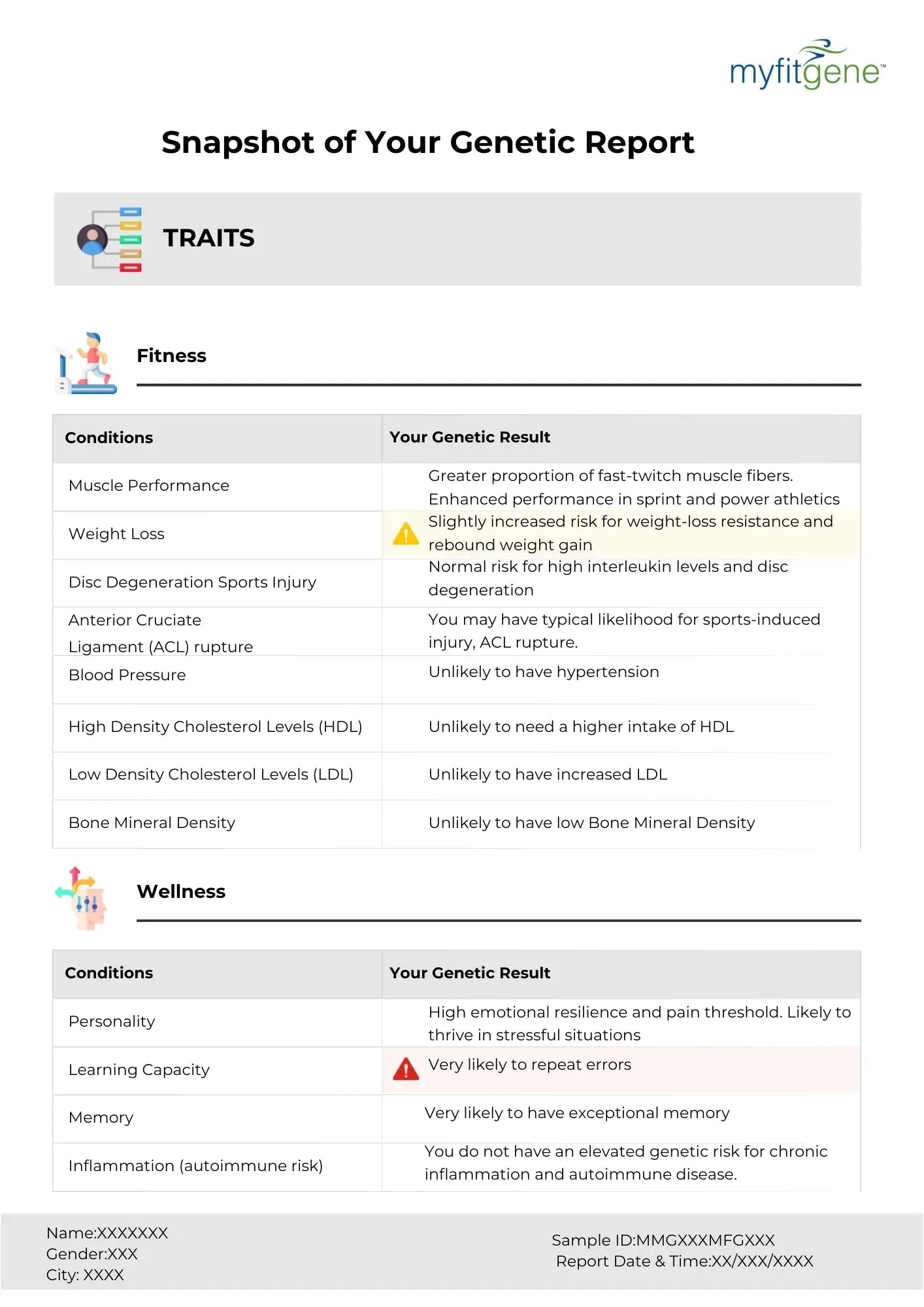
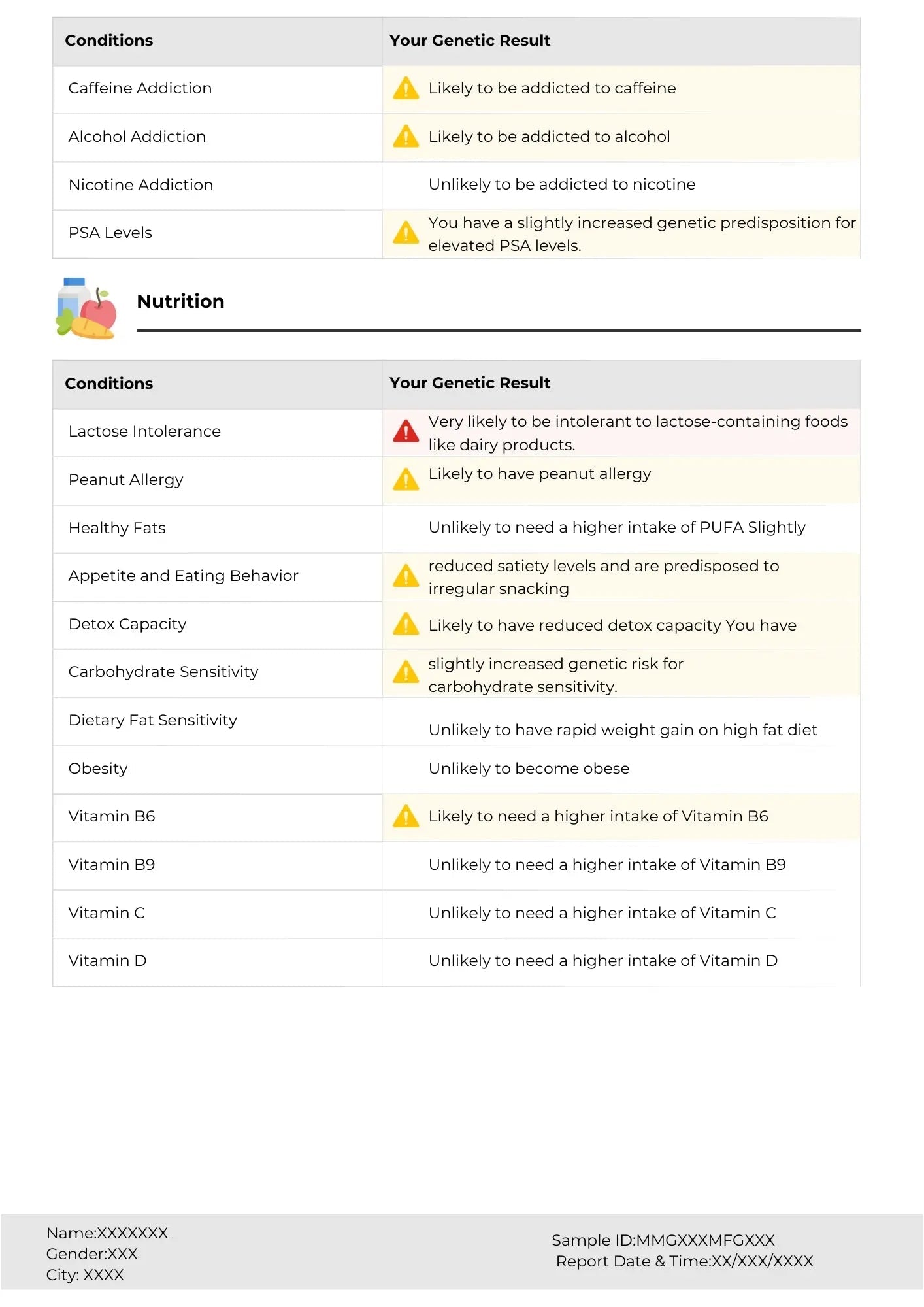
Genomepatri by MapmyGenome includes insights into your genetic food preferences, dietary fat metabolism, nutritional needs, and eating behaviours — helping you build a diet that works with your biology.
⭐⭐⭐⭐⭐ Rated 4.97/5 by 143+ customers
→ Order Genomepatri — India's #1 At-Home DNA Wellness Test (₹7,999)