

The relationship between genetics and mental health is one of the most fascinating and rapidly evolving areas of modern medicine. We spoke with Dr. Pubali Chaudhuri, a psychiatrist with expertise in the genetic basis of mental health conditions, about what the science tells us — and what it means for patients and families.
How Strong Is the Genetic Component of Mental Health Conditions?
"The genetic contribution varies significantly by condition," Dr. Chaudhuri explains. "Schizophrenia has a heritability of approximately 80% — meaning genetics accounts for about 80% of the variation in who develops the condition. Bipolar disorder is similarly highly heritable at around 70–80%. Major depression and anxiety disorders have heritabilities of 30–40% — significant, but with more environmental contribution."
She emphasizes that heritability doesn't mean determinism. "A high heritability means genes play a large role in who is at risk — but it doesn't mean that if you have the genes, you'll definitely develop the condition. Environmental factors, life experiences, and protective factors all influence whether genetic risk translates into illness."
What Genes Are Involved in Mental Health?
"Mental health genetics is complex," Dr. Chaudhuri says. "Unlike some medical conditions caused by mutations in single genes, most mental health conditions are polygenic — influenced by hundreds or thousands of genetic variants, each contributing a small amount of risk. Genome-wide association studies have identified hundreds of loci associated with schizophrenia, depression, bipolar disorder, and ADHD."
Some specific genetic findings are clinically significant. "Copy number variants — deletions or duplications of chromosomal segments — are found in a significant proportion of schizophrenia cases. The 22q11.2 deletion (DiGeorge syndrome) is associated with a 25–30% lifetime risk of schizophrenia. DISC1 gene variants have been associated with schizophrenia and bipolar disorder in some families."
How Does Pharmacogenomics Apply to Psychiatric Medications?
"This is where genetics is already making a real clinical difference," Dr. Chaudhuri says with enthusiasm. "Psychiatric medications are among the most pharmacogenomically variable drugs we use. CYP2D6 and CYP2C19 variants affect the metabolism of most antidepressants, antipsychotics, and mood stabilizers."
She gives a concrete example: "A patient who is a CYP2D6 poor metabolizer will accumulate standard doses of many antidepressants to toxic levels — causing side effects that lead them to stop the medication. We might interpret this as treatment resistance when it's actually a pharmacokinetic problem that could be solved by dose adjustment or switching to a drug not metabolized by CYP2D6. Pharmacogenomic testing can identify this before we even start treatment."
HLA-B*1502 testing before carbamazepine is now standard in Asian populations because of the high risk of Stevens-Johnson syndrome in carriers. "This is a potentially life-threatening reaction that can be completely prevented by genetic testing before prescribing."
What Should Patients and Families Know About Mental Health Genetics?
"The most important message is that having a genetic risk doesn't mean you're destined to develop a mental health condition," Dr. Chaudhuri emphasizes. "And having a mental health condition doesn't mean your children will definitely have one. Genetics informs risk — it doesn't determine fate."
She also stresses the importance of reducing stigma. "Mental health conditions are medical conditions with biological — including genetic — underpinnings. Understanding the genetic basis helps reduce the shame and self-blame that many patients and families carry. You didn't choose your genes, and you didn't choose your mental health condition."
Understand Your Genetic Mental Health and Medication Profile
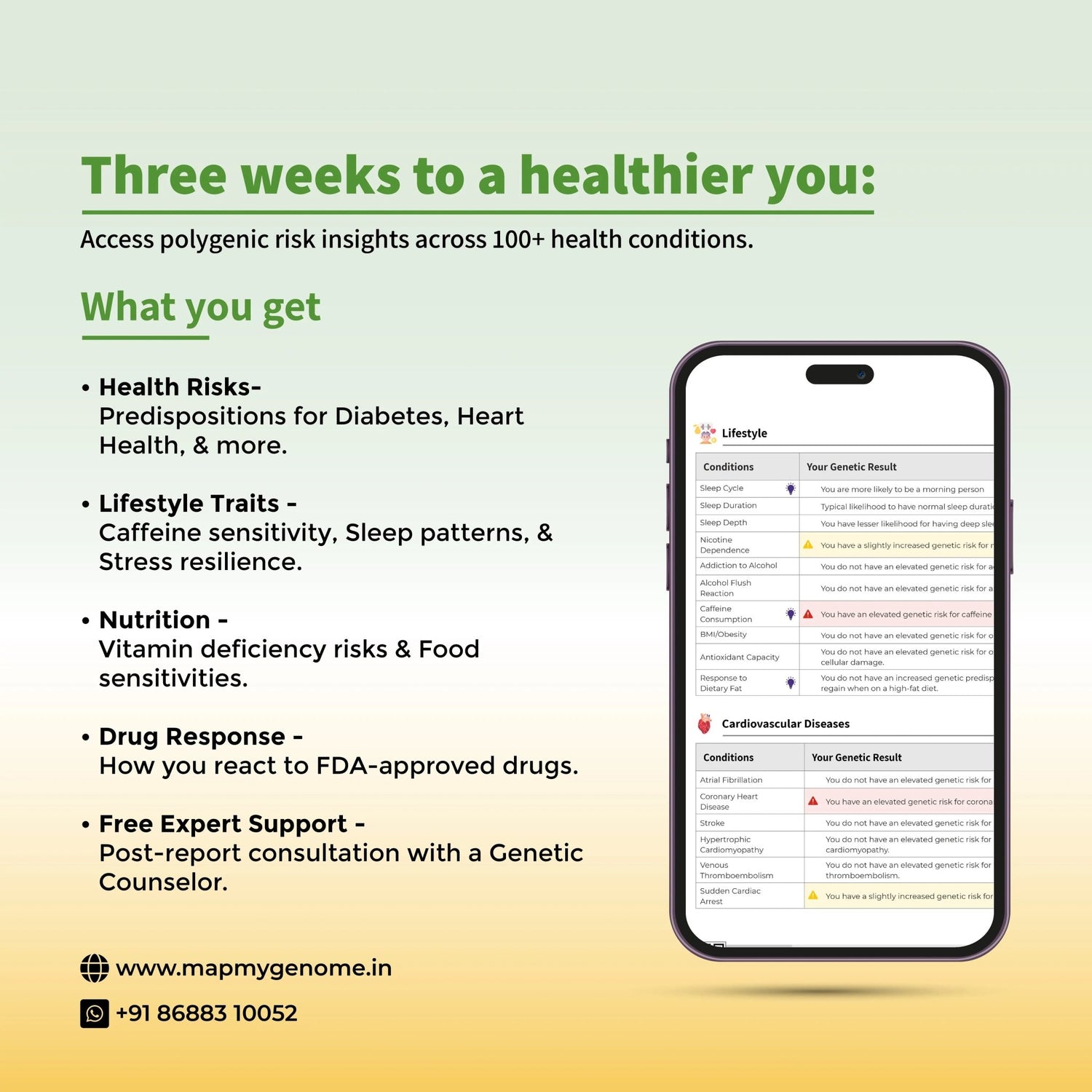
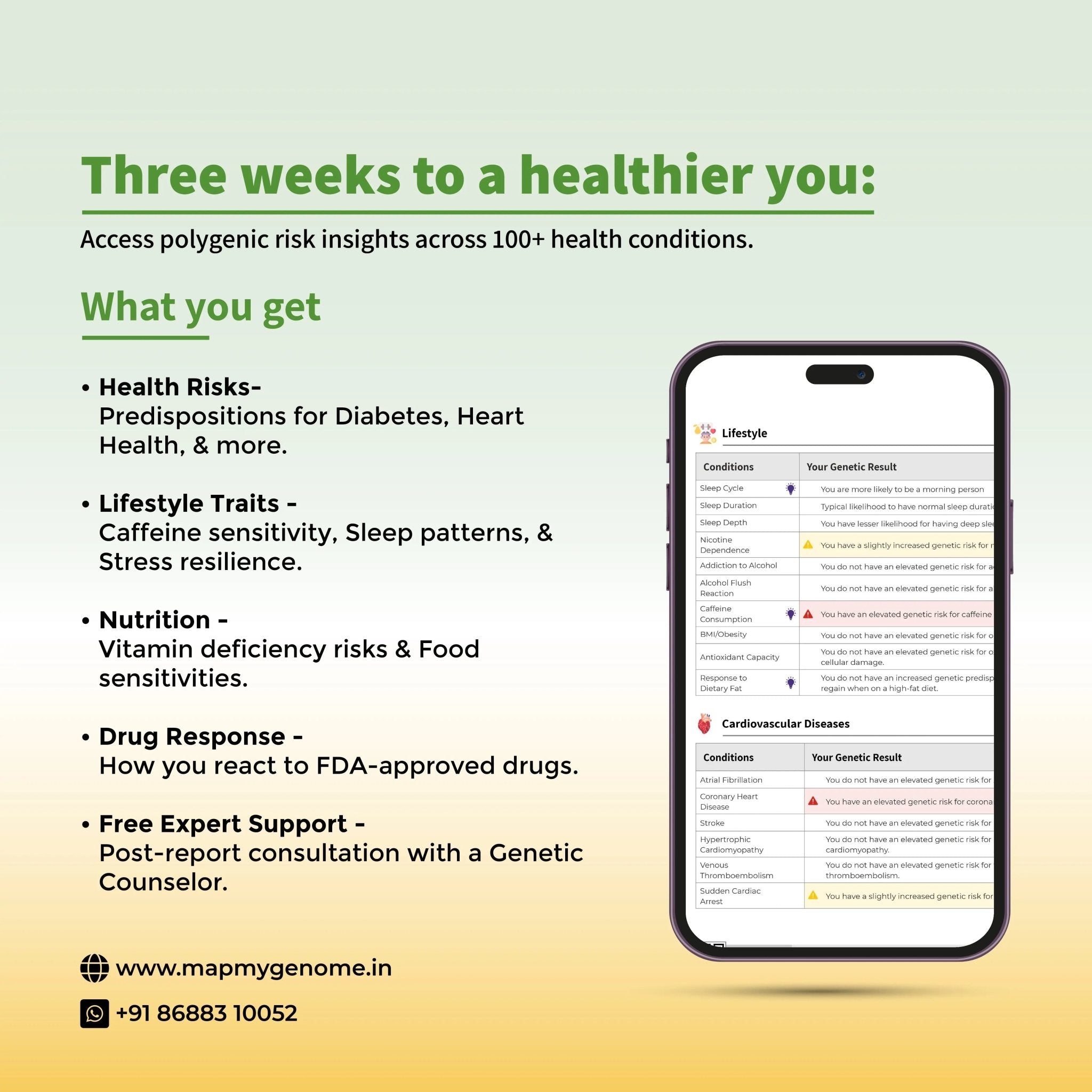
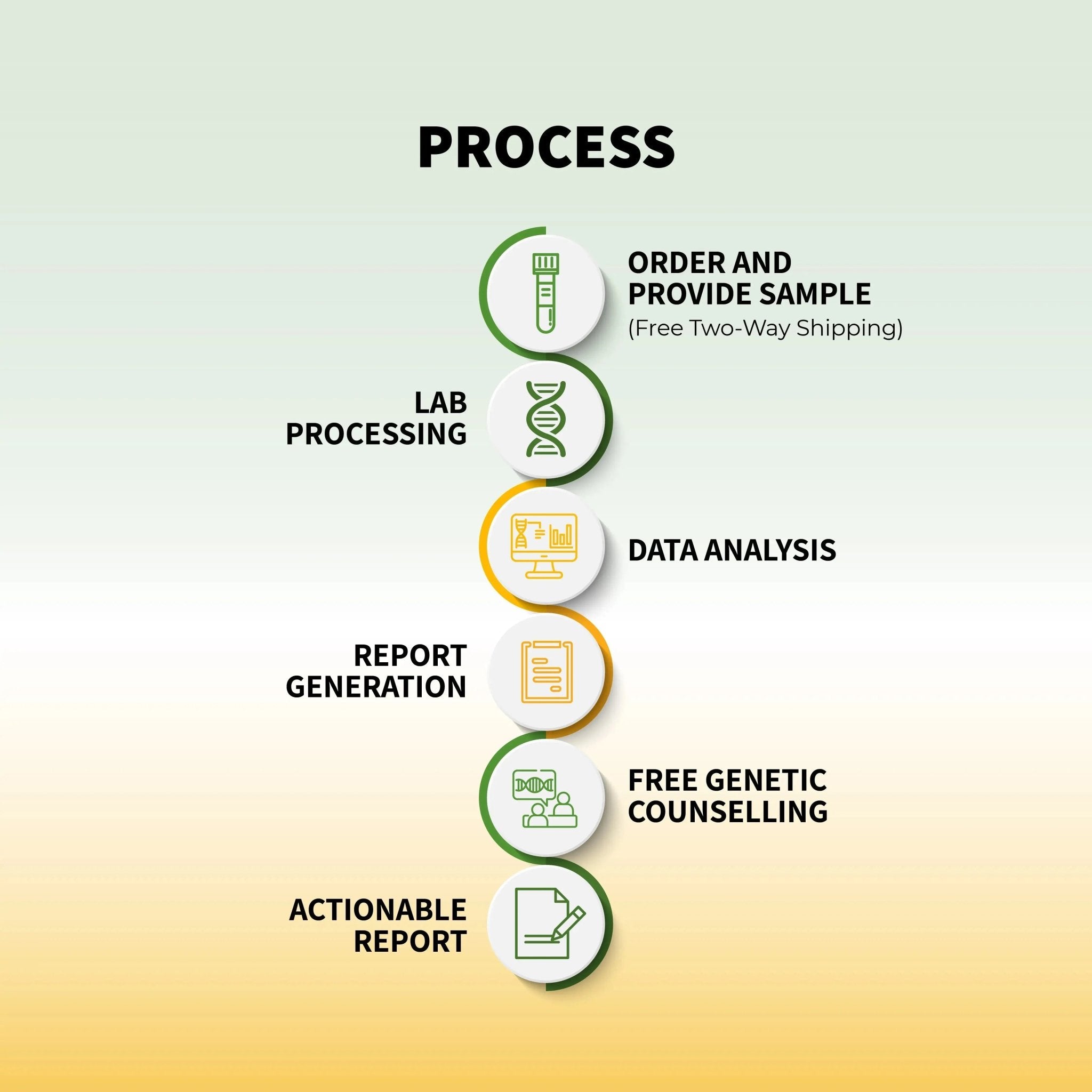
Genomepatri and MedicaMap by MapmyGenome include genetic insights into mental health predispositions and pharmacogenomic profiles for psychiatric medications — helping you and your doctor make more informed decisions about prevention and treatment.