

What if your love for spicy food, your endurance on long runs, or even your sensitivity to caffeine wasn’t just random — but written into your DNA?
Modern genetic reports are revealing that the traits we carry are not just inherited — they are deeply encoded in tiny variations within our DNA. These variations, known as Single Nucleotide Polymorphisms (SNPs), are the building blocks of individuality, quietly shaping everything from physical characteristics to cultural preferences.
The Science Behind Inherited Traits: Meet SNPs
Think of your DNA as a massive instruction manual. Within this manual, SNPs are like tiny spelling variations — small changes that can lead to meaningful differences in how your body functions. SNPs occur roughly once in every 1,000 DNA letters, meaning each person carries millions of them, making every genetic profile unique.
While many of these variations are neutral, some influence:
- Physical traits like eye colour or hair texture
- Taste preferences (yes, even your love or hate for coriander)
- Athletic ability (endurance vs. power)
- Health risks and metabolism
- Drug response and nutrient absorption
In essence, SNPs are the invisible signatures of your inherited traits.
From Genes to Real Life: What Do Inherited Traits Look Like?
When individuals explore their genetic reports, they often discover that their traits go beyond just biology — they reflect patterns shaped over generations.
1. Physical Characteristics
Your height, skin tone, or hair type isn’t just inherited randomly — it’s influenced by clusters of SNPs passed down through generations. These markers help explain family resemblances that go beyond what meets the eye.
2. Taste & Food Preferences
Why do some people love bitter foods while others avoid them? Specific SNPs influence how your taste receptors work. This can shape your inclination toward certain cuisines — often aligning with ancestral dietary patterns. Populations historically exposed to certain foods may develop genetic preferences for them over time.
3. Fitness & Performance Traits
Are you naturally better at sprinting or endurance sports? Research has identified hundreds of genetic variants linked to athletic performance. For instance, variations in genes like ACTN3 influence whether someone is predisposed toward explosive power or long-distance stamina. Your workout strengths may not just be about training — they may be rooted in your DNA.
4. Cultural & Regional Markers
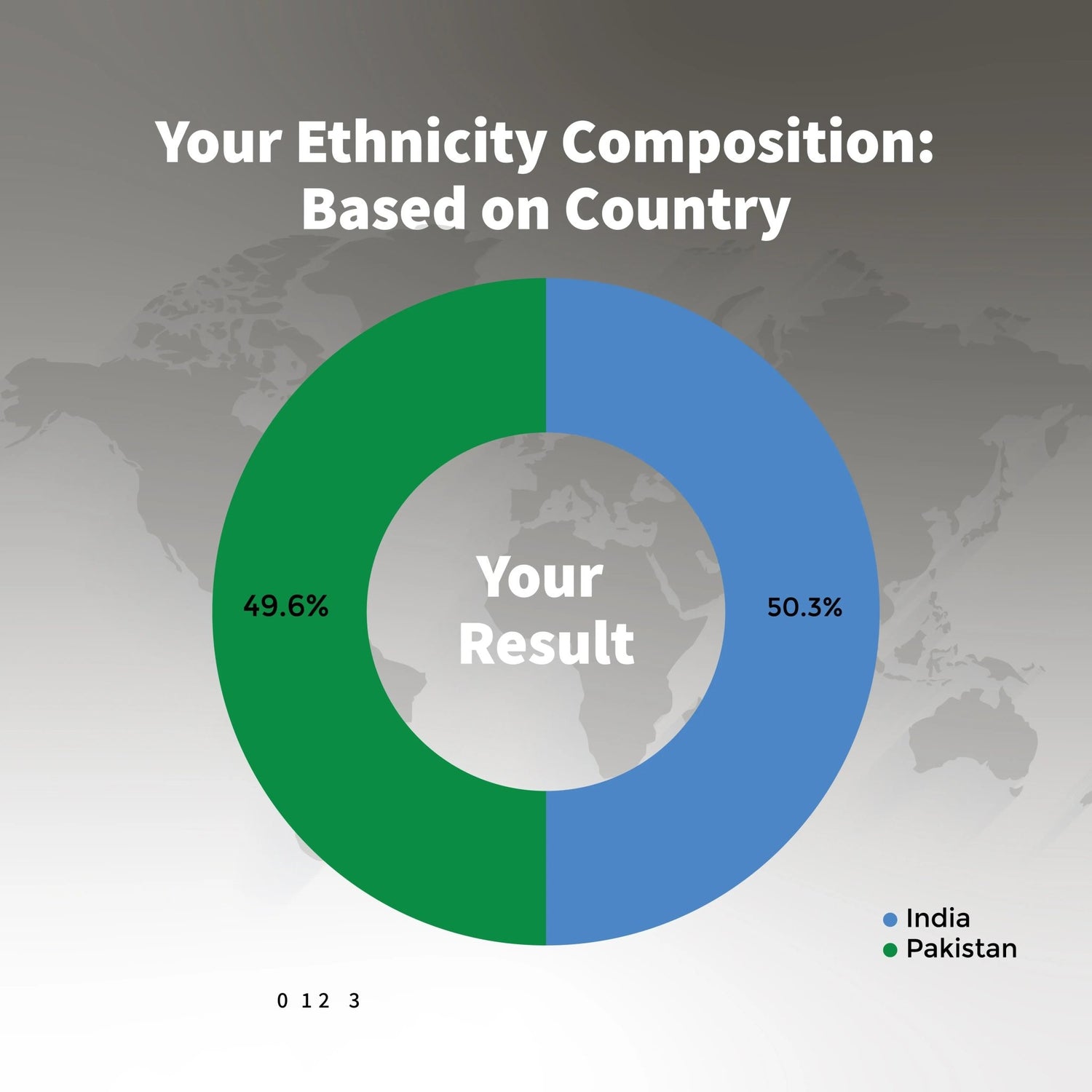
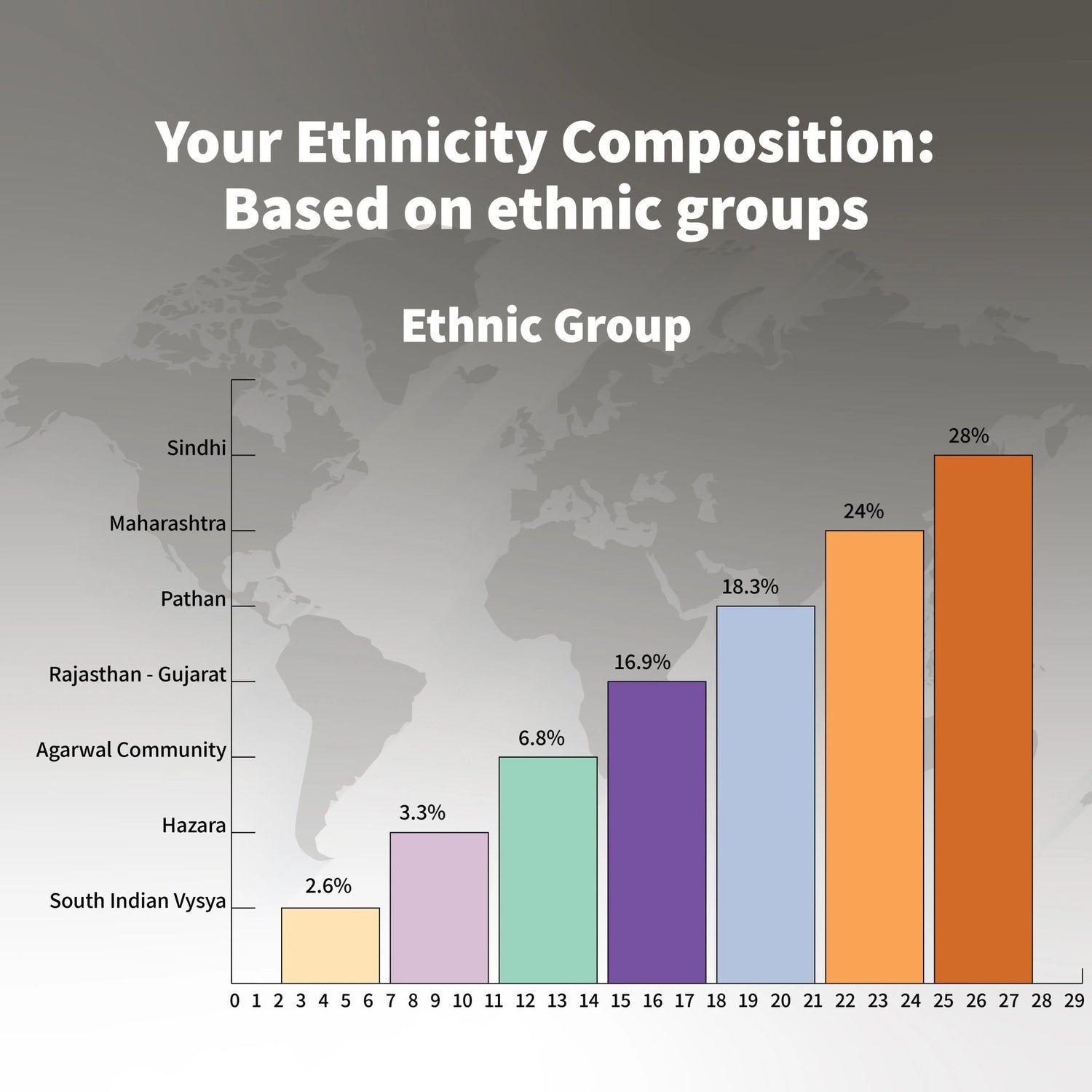
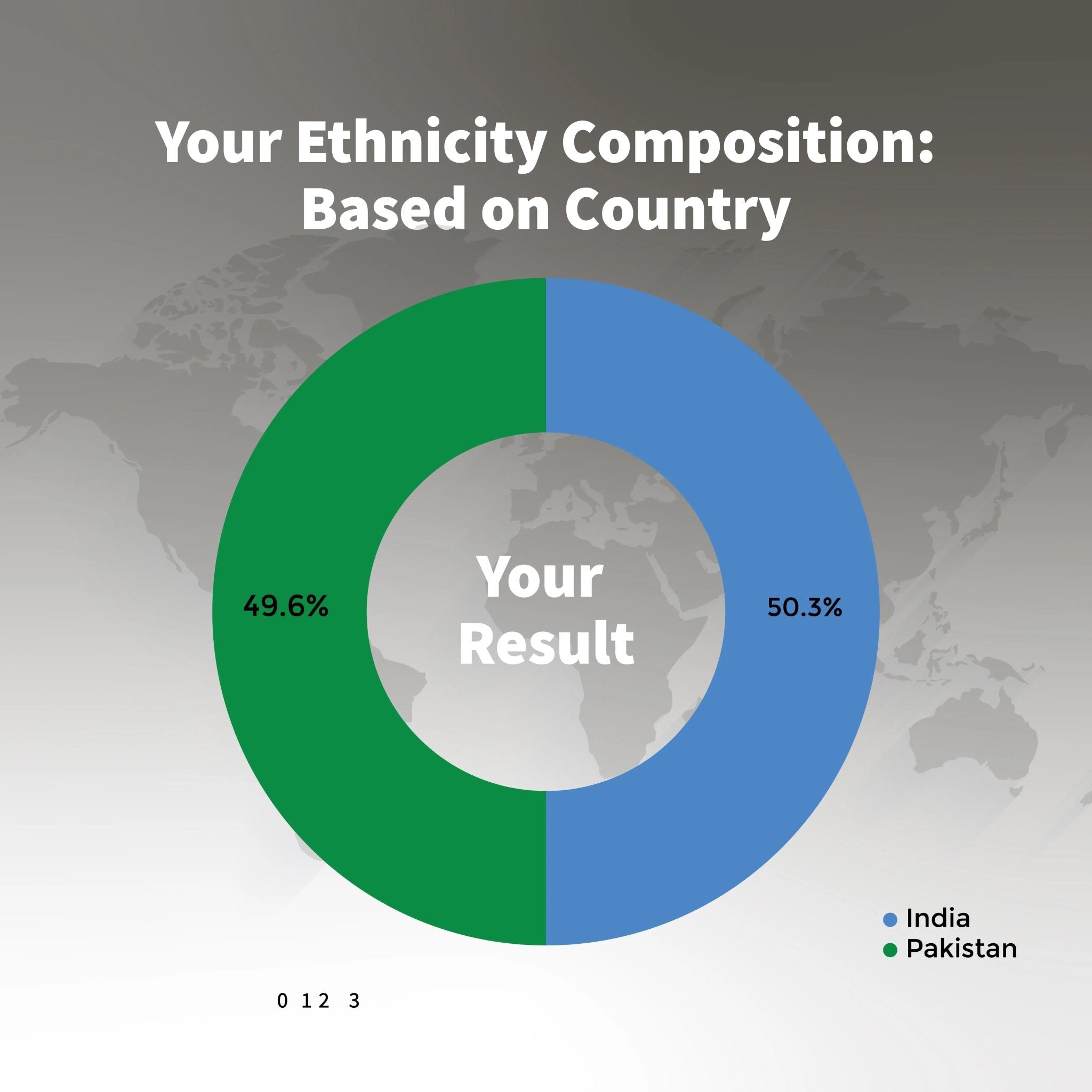
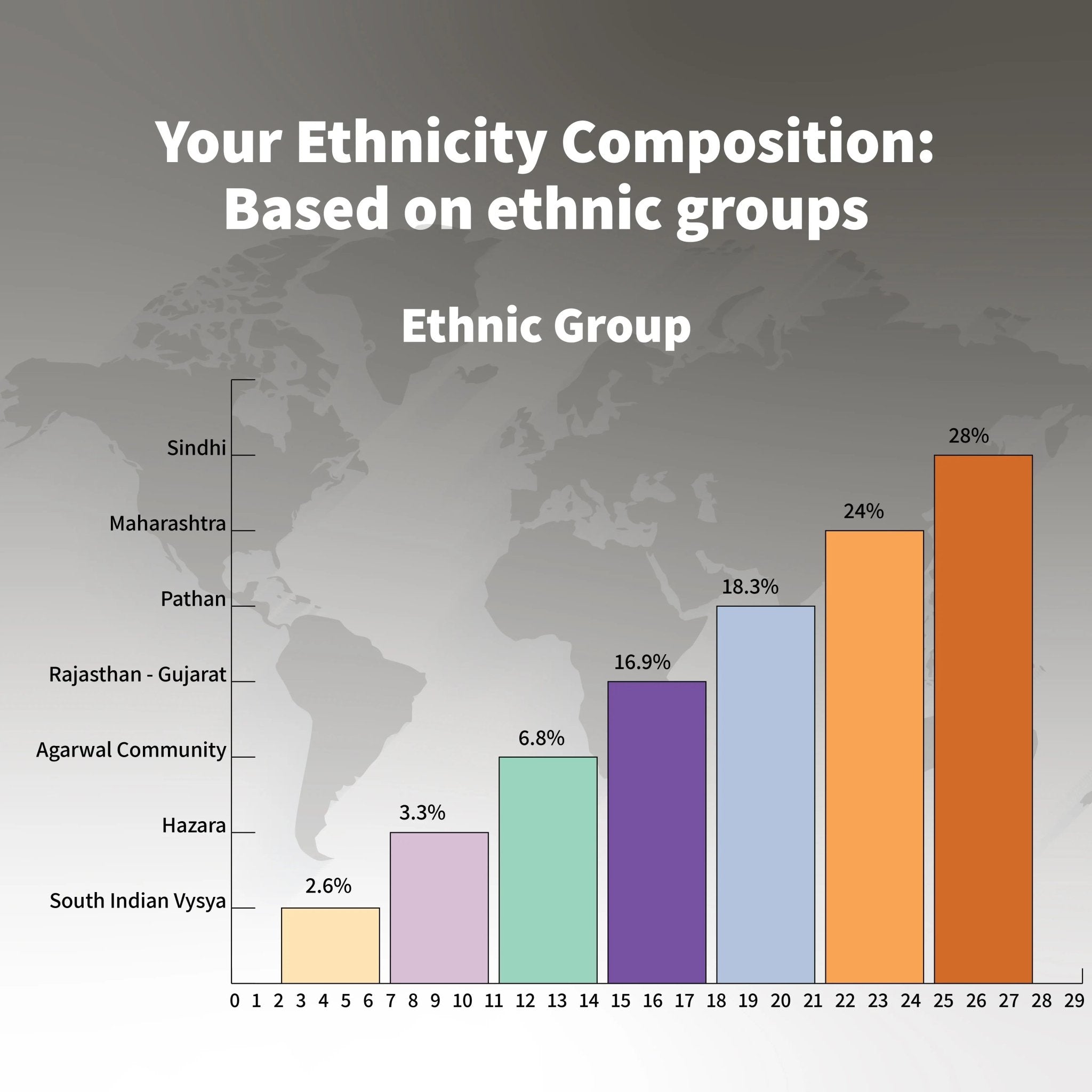
One of the most fascinating aspects of genetic reports is how they connect biology with culture. Inherited genetic markers can reveal links to specific populations and regions, often correlating with traditional diets, environmental adaptations, and lifestyle patterns passed through generations. This is where ancestry meets identity.
What Makes Genomepatri Heritage Unique?
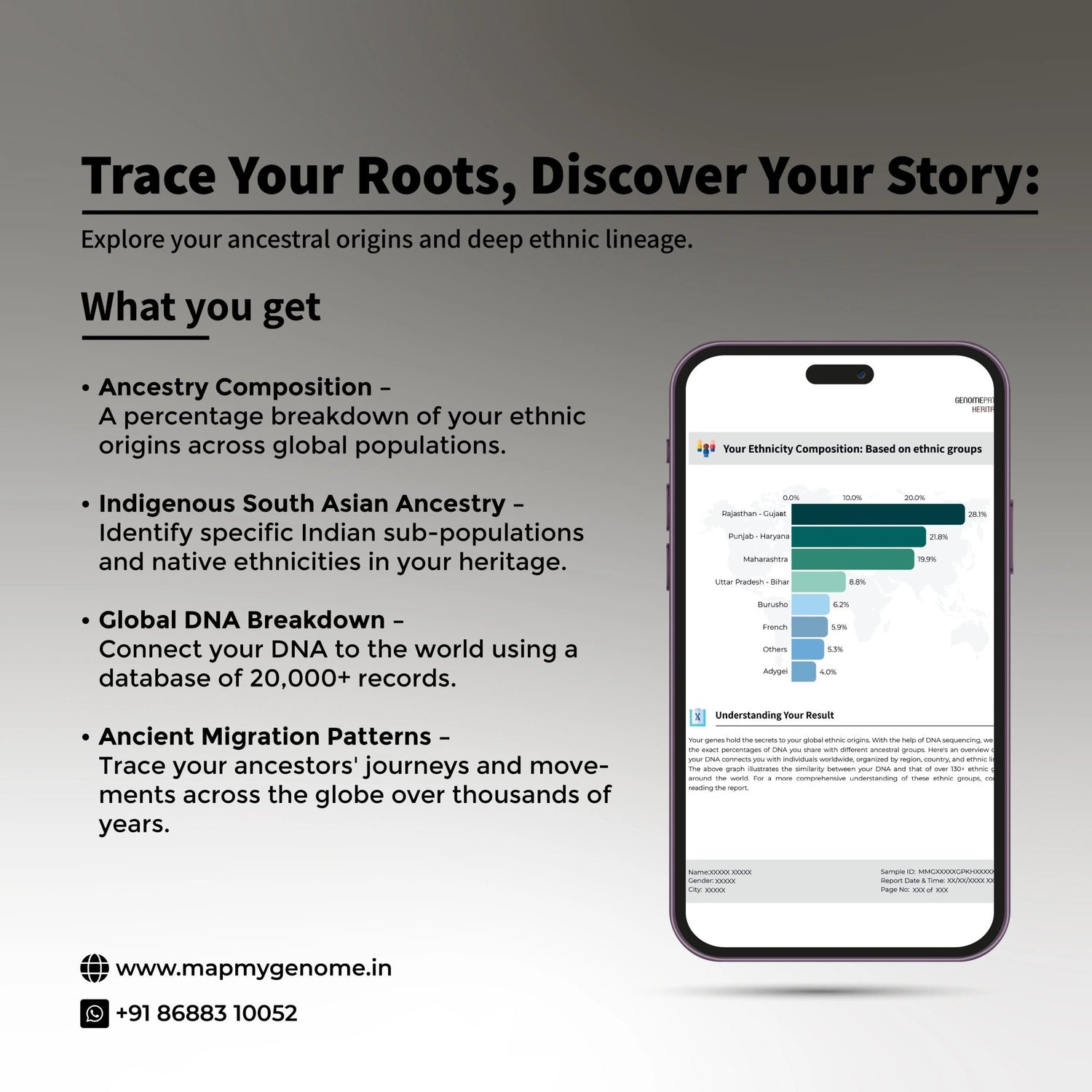
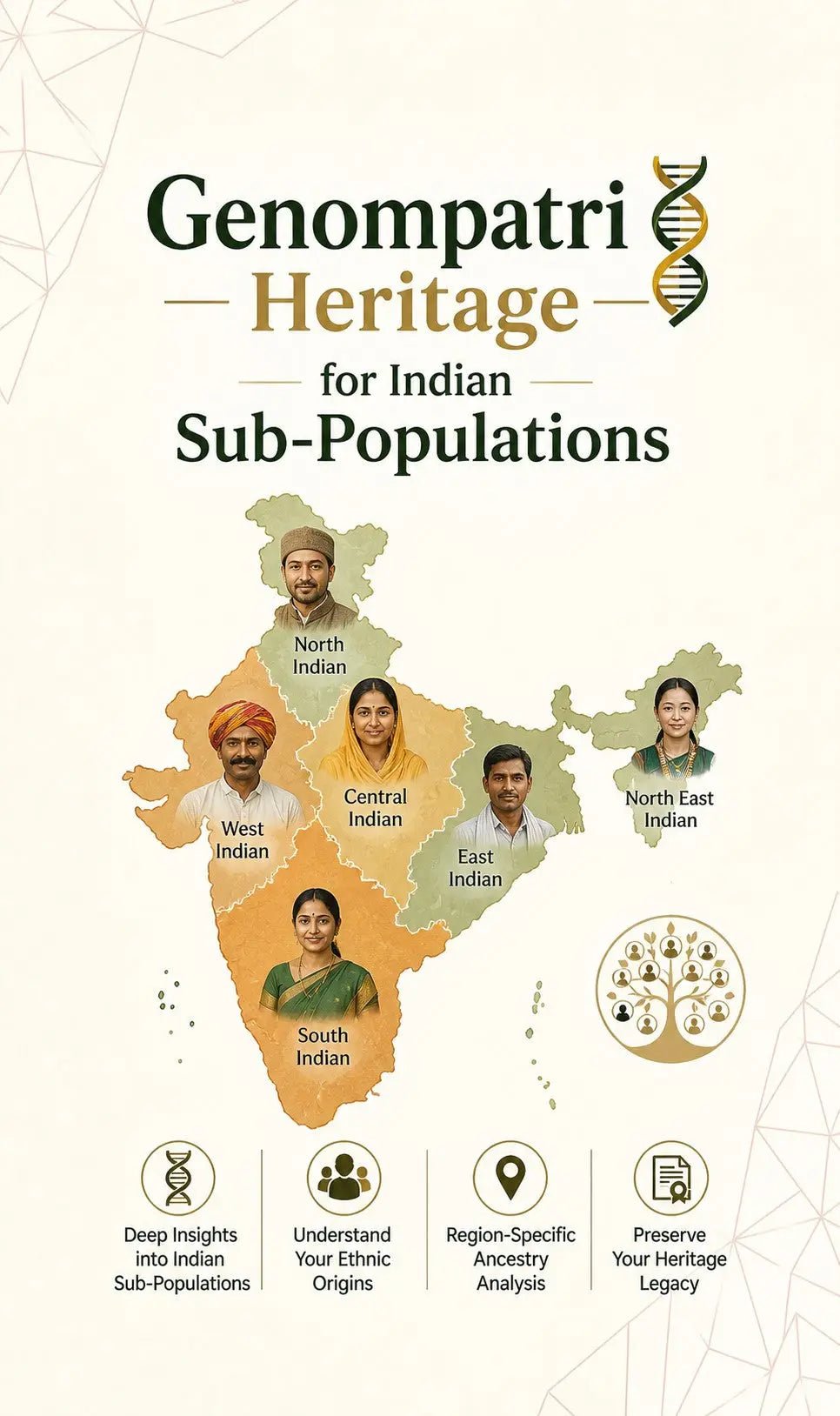
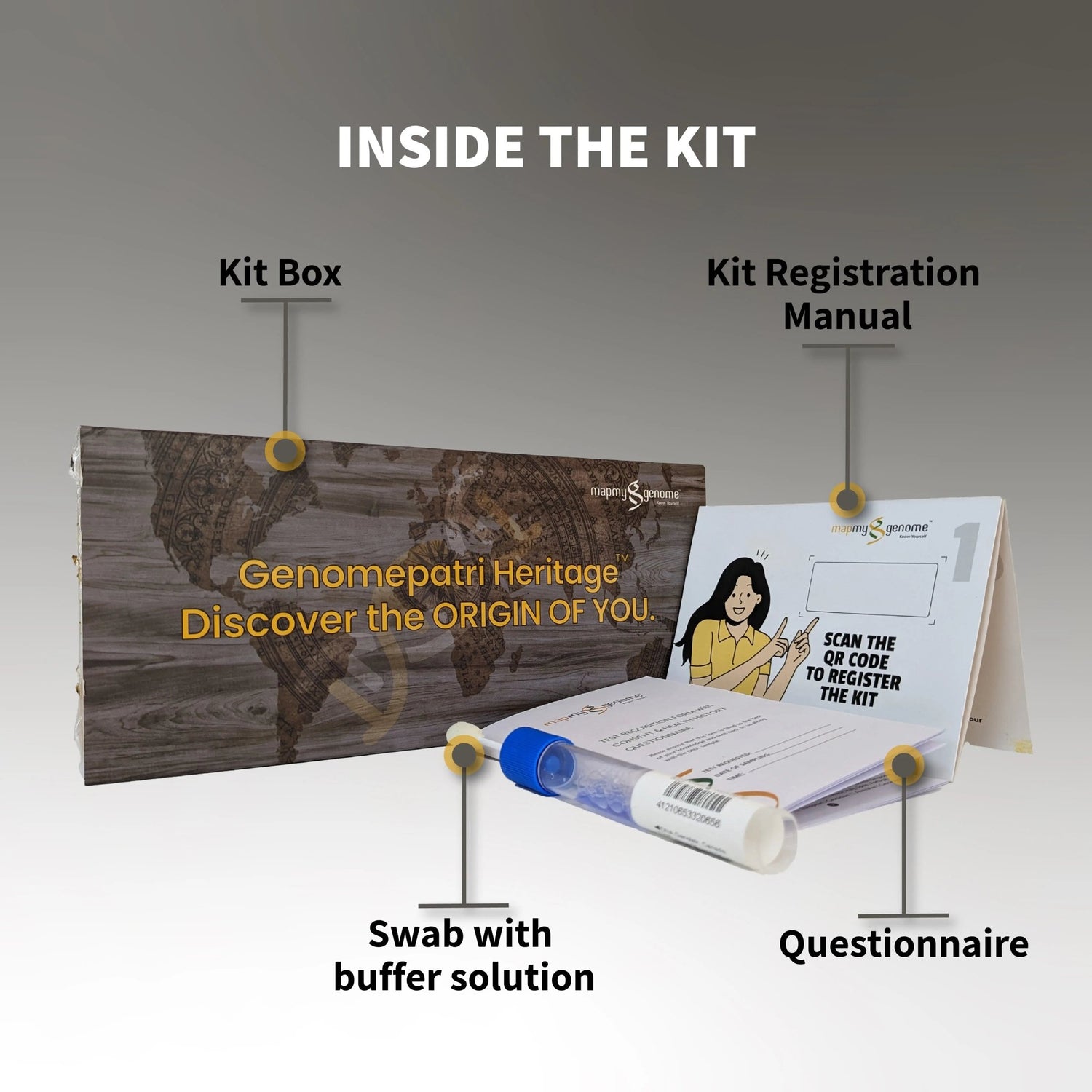
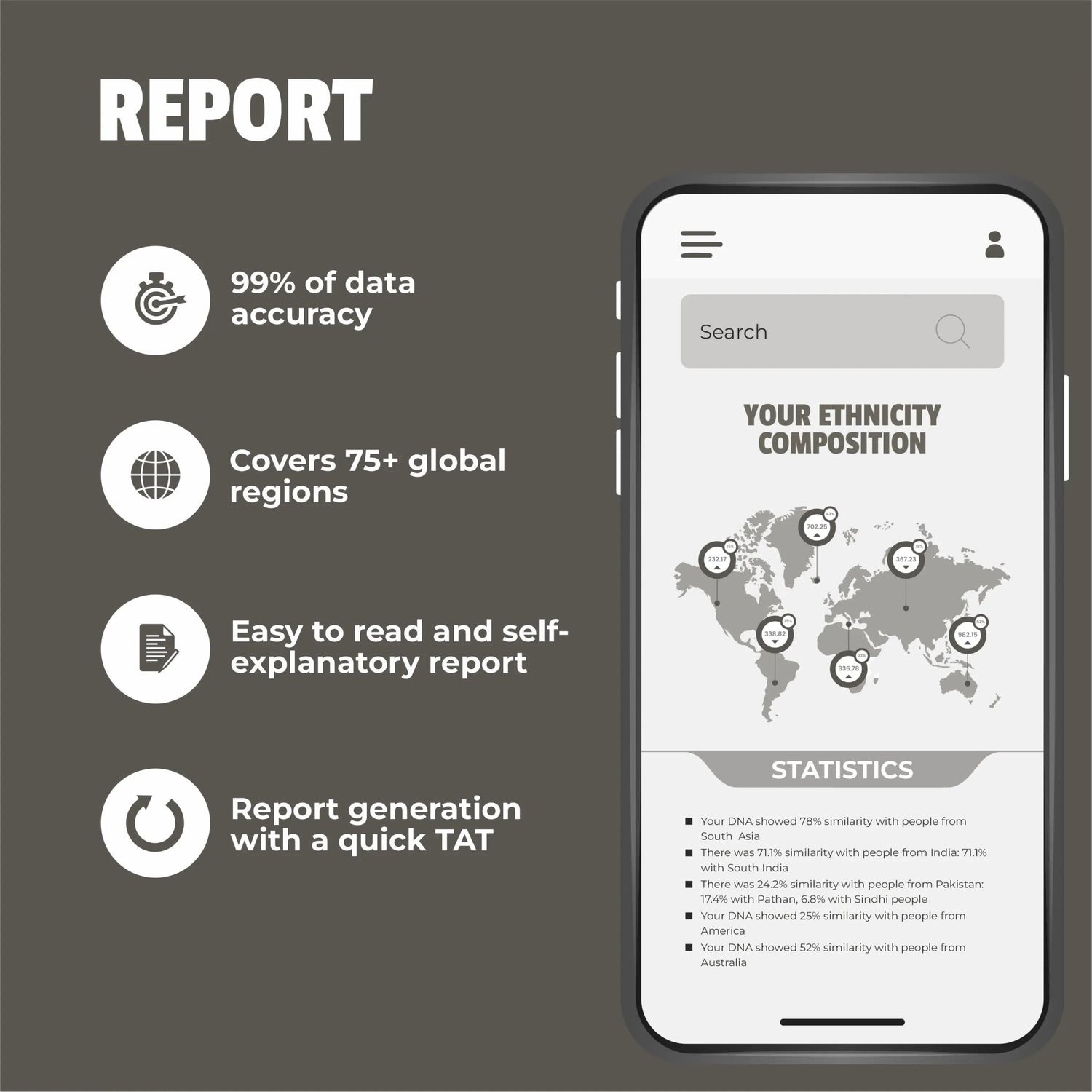
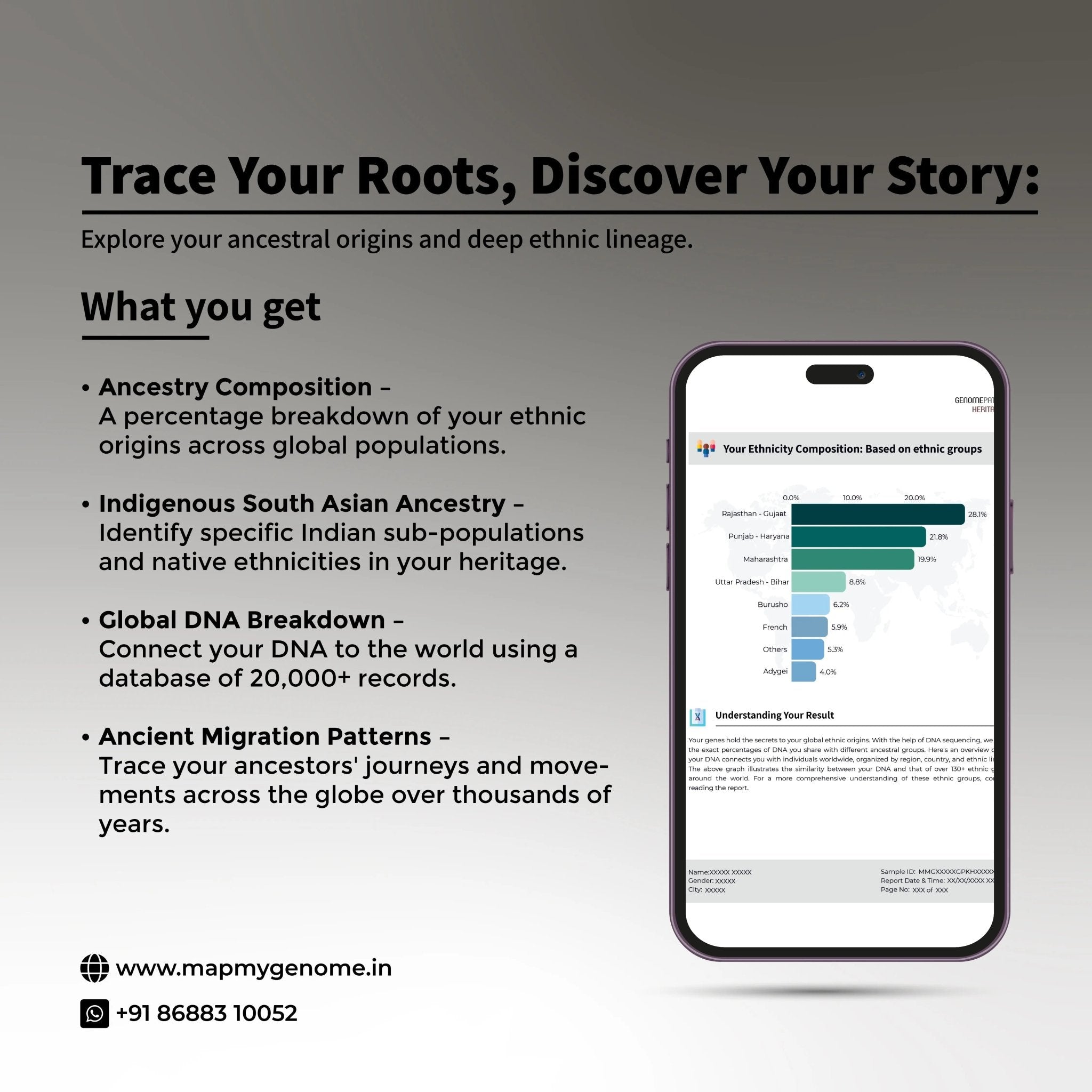
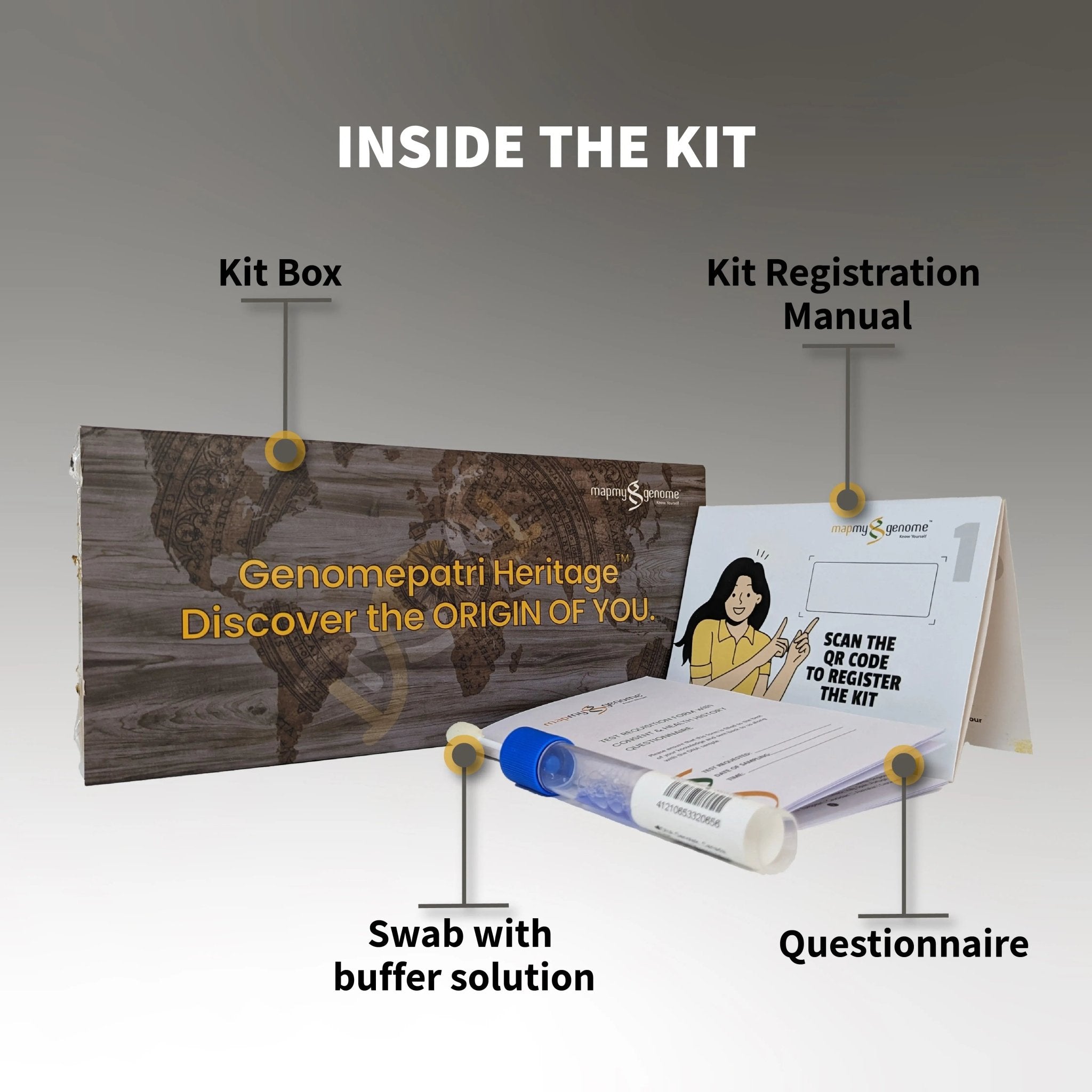
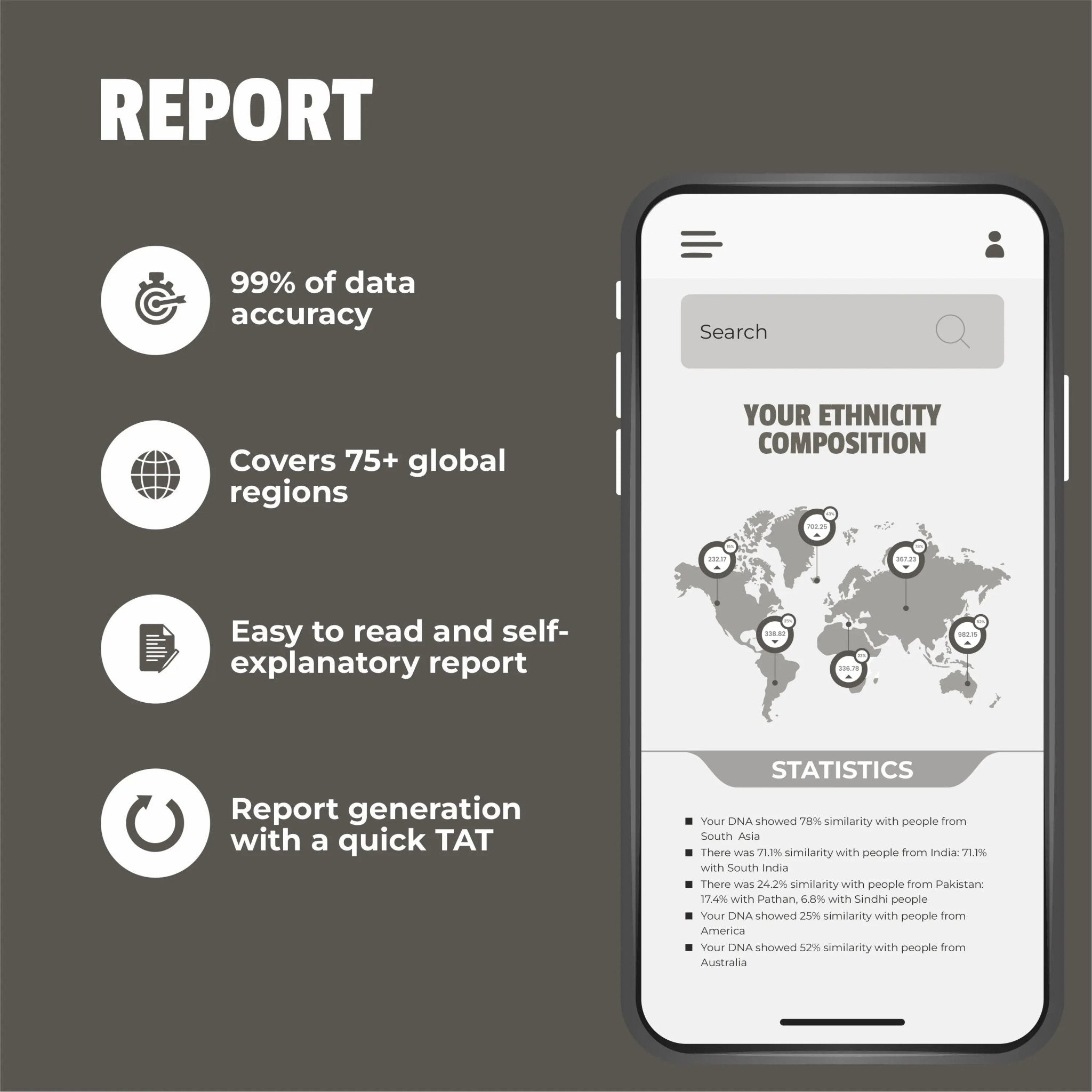
At the core of Genomepatri Heritage lies SNP-based genetic analysis — a scientifically robust method used to identify tiny variations in your DNA. By analysing thousands of these SNP markers, Genomepatri Heritage builds a highly detailed and personalised picture of your inherited traits, connecting them to your specific ancestral lineage across India and beyond.
The Power of Knowing Your Genetic Story
Understanding your inherited traits is more than curiosity — it’s empowerment. When you know your genetic predispositions, you can:
- Personalise your diet and fitness
- Make informed health decisions
- Understand your cultural and ancestral roots
- Appreciate the uniqueness of your genetic identity
Genomepatri Heritage goes beyond identifying traits — it connects them into a larger story. By combining SNP insights with ancestry mapping, it helps you understand where you come from, how your lineage shaped your traits, and why you are the way you are. It transforms data into a narrative — your narrative.
Decode Your Inherited Traits & Ancestral Roots
Genomepatri Heritage by MapmyGenome uses India’s largest proprietary genetic reference database to reveal your specific regional ancestry, inherited traits, and the SNP patterns that make you uniquely you.