

Diabetes is a chronic condition that affects millions of people worldwide, leading to serious health complications if not managed properly. While lifestyle factors such as diet and exercise play a significant role in the development of diabetes, genetics also has a crucial influence. Understanding your genetic predisposition can empower you to take proactive steps in managing your risk.
Understanding Diabetes and Its Risk Factors
Diabetes occurs when the body is unable to effectively regulate blood sugar levels. There are two main types:
Type 1 Diabetes: An autoimmune condition where the body’s immune system attacks insulin-producing cells in the pancreas. Typically develops in childhood or adolescence and is less influenced by lifestyle factors.
Type 2 Diabetes: The most common form, where the body becomes resistant to insulin or doesn’t produce enough insulin to maintain normal blood sugar levels. Often associated with obesity, physical inactivity, and poor diet — but genetics also plays a significant role.
In addition, gestational diabetes can occur during pregnancy and increases the risk of developing Type 2 diabetes later in life.
Risk Factors for Type 2 Diabetes
- Family history of diabetes
- Obesity or overweight
- Sedentary lifestyle
- Unhealthy diet
- High blood pressure
- Age (45 years or older)
- Ethnic background (higher prevalence in South Asians)
What is Genetic Testing for Diabetes?
Genetic testing for diabetes involves analysing your DNA to identify specific genes or gene mutations associated with an increased risk of developing the condition. Key genes linked to Type 2 diabetes risk include:
- TCF7L2: Strongly associated with increased risk of Type 2 diabetes. People with certain variants are more likely to develop the condition.
- SLC30A8: Plays a role in insulin production. Variations can affect how the pancreas releases insulin in response to blood sugar levels.
- PPARG: Influences how the body stores and uses fat. Mutations can lead to insulin resistance, a key factor in Type 2 diabetes.
How Genetic Testing Works
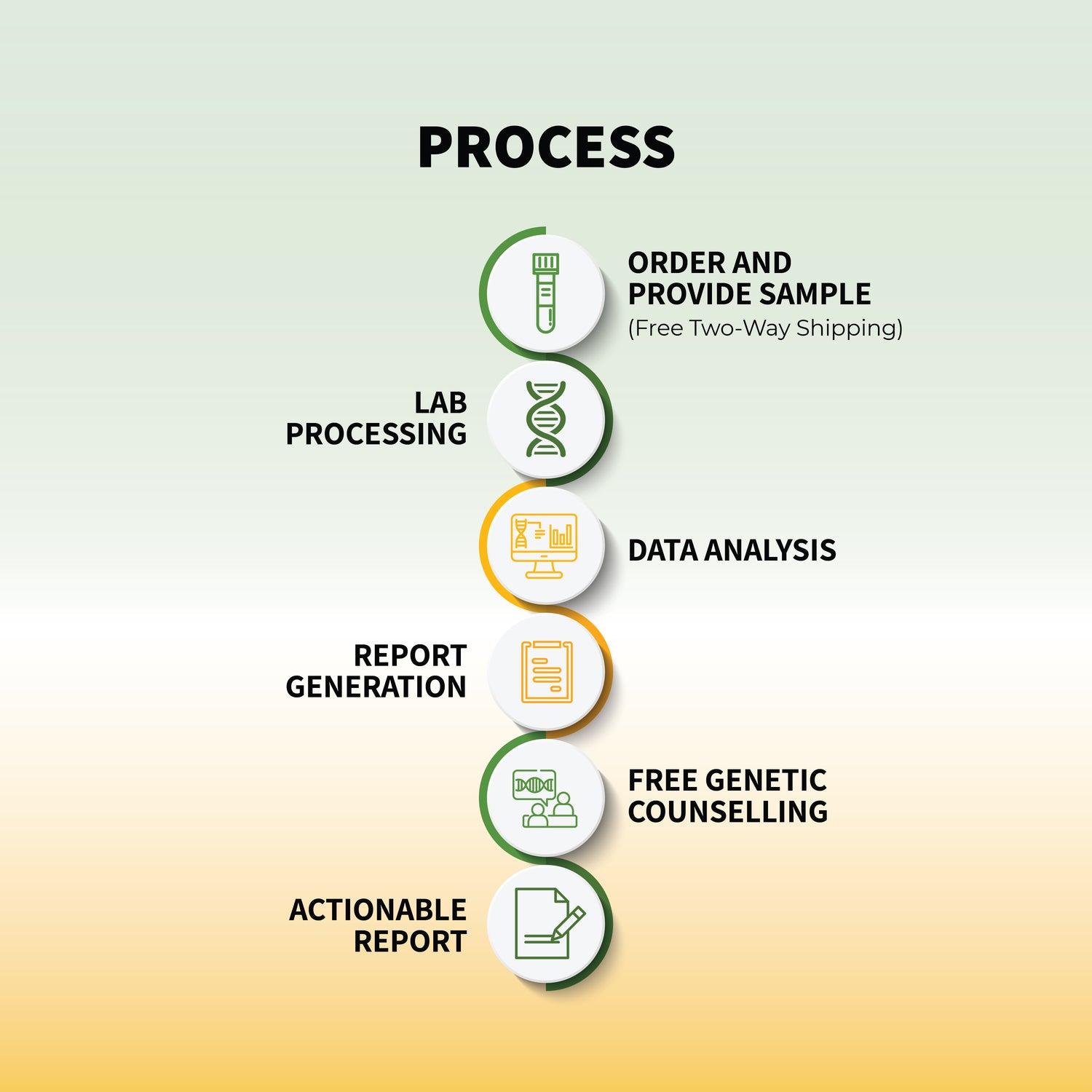
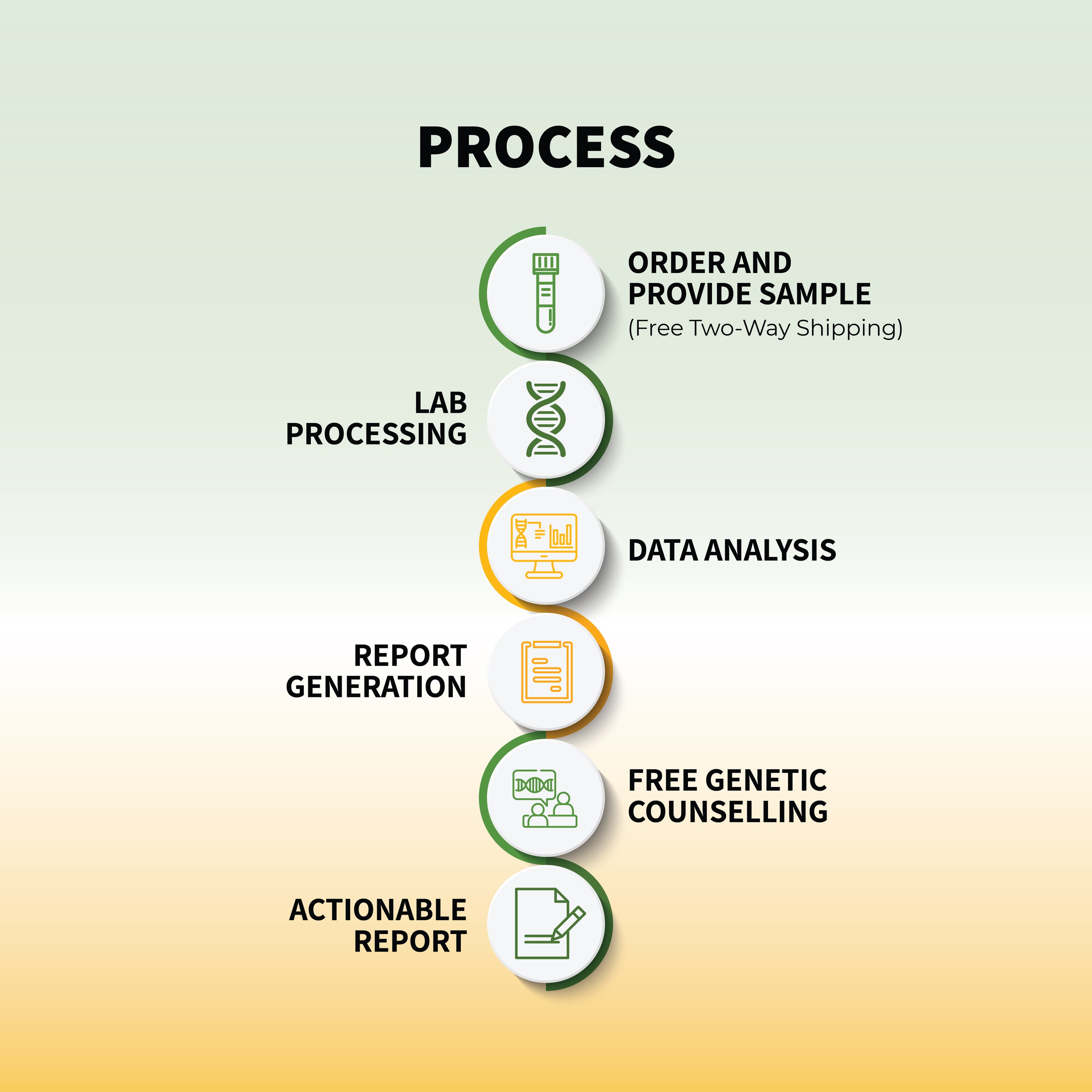
- Consultation: Start with a genetic counsellor who will assess your medical and family history.
- Sample Collection: A DNA sample is collected via saliva or blood draw.
- Laboratory Analysis: The sample is analysed for specific genetic markers associated with diabetes.
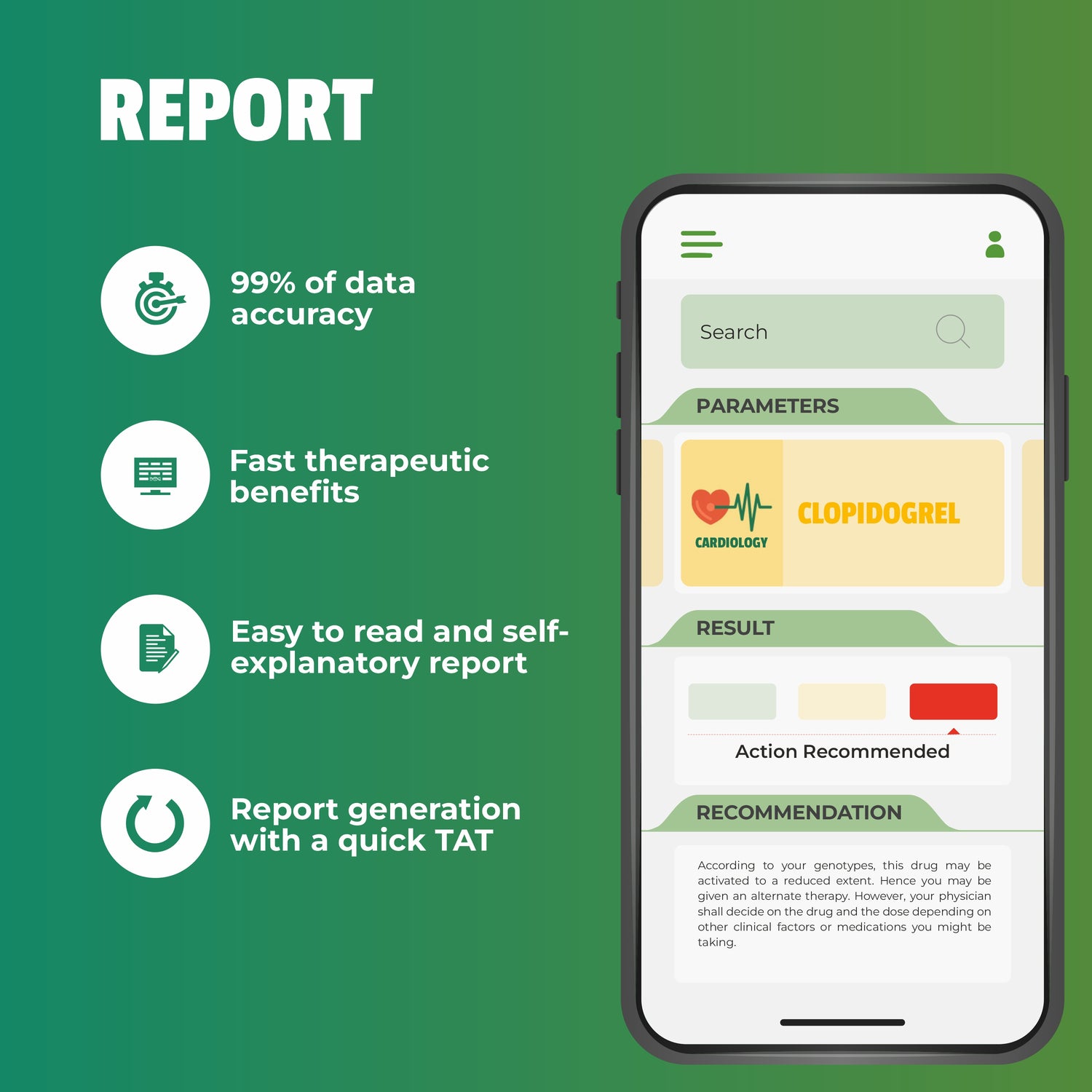
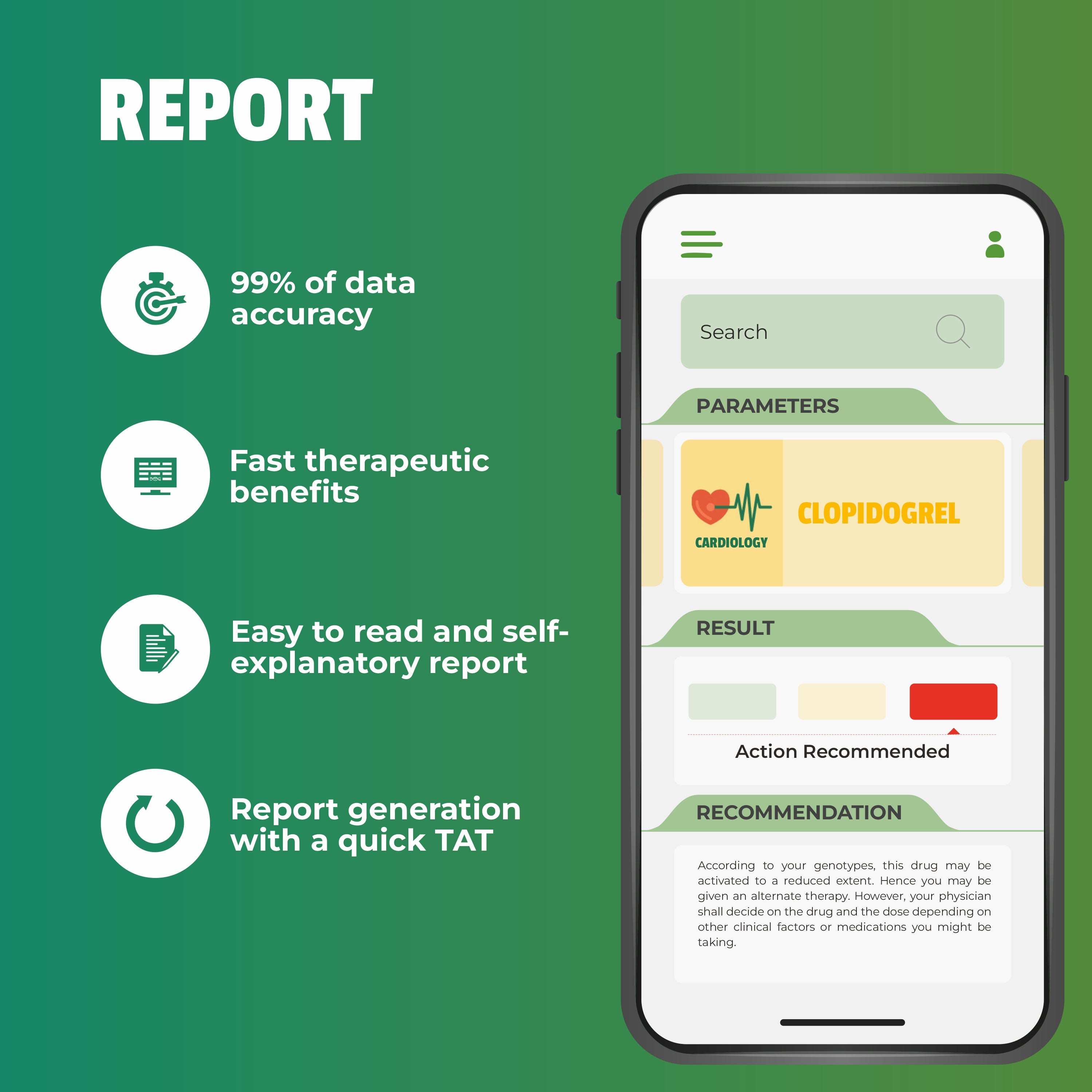
- Results and Interpretation: Your genetic counsellor explains what the results mean for your risk.
- Action Plan: A personalised plan is created to manage or reduce your risk — including lifestyle changes, more frequent monitoring, or medication.
The Benefits of Genetic Testing for Diabetes
- Personalised Risk Assessment: Unlike general risk factors like age or weight, genetic testing provides a personalised assessment based on your unique genetic makeup.
- Early Intervention: If you have a high genetic risk, you can take steps early — adopting a healthier diet, increasing physical activity, and maintaining a healthy weight.
- Targeted Monitoring: Knowing your genetic risk helps you and your healthcare provider decide how often you should be screened for diabetes.
- Informed Family Planning: If you have a high genetic risk, this information can be valuable for family planning decisions.
- Peace of Mind: A low genetic risk result can provide reassurance, though maintaining a healthy lifestyle remains important.
Limitations and Considerations
- Not Deterministic: A genetic predisposition does not mean you will definitely develop diabetes. Lifestyle factors remain critical.
- Privacy: Choose a reputable provider that protects your genetic data.
- Complexity of Results: Working with a genetic counsellor is essential to understand what your results mean and how to act on them.
Taking Action Based on Your Results
If your results indicate a higher risk of developing diabetes:
- Focus on maintaining a healthy weight and eating a balanced diet rich in fruits, vegetables, and whole grains
- Schedule regular check-ups to monitor your blood sugar levels
- Discuss medication options with your healthcare provider if appropriate
- Stay informed about the latest research on diabetes and genetic testing
Conclusion
Genetic testing for diabetes is a powerful tool that can help you understand your risk and take proactive steps to protect your health. Taking control of your health starts with understanding your risks. With genetic testing, you can move beyond guessing and start planning for a healthier future.
Know Your Diabetes Risk Before It Knows You
Genomepatri and CardioMap by MapmyGenome screen your genetic predisposition to Type 2 diabetes, insulin resistance, and metabolic risk factors — so you can take targeted preventive action before symptoms appear.