

Genetic testing has become an integral part of modern healthcare, offering valuable insights into our genetic makeup and helping to predict, diagnose, and even prevent various health conditions. Whether you're concerned about hereditary diseases, interested in understanding your ancestry, or looking for personalised health recommendations, genetic testing can provide you with critical information tailored to your unique genetic profile.
What is Genetic Testing?
Genetic testing involves analysing your DNA — the genetic material that carries the instructions for your body's growth, development, and function. By examining specific genes, chromosomes, or proteins, genetic tests can reveal changes or mutations that may lead to health problems. The results can help you and your healthcare provider make informed decisions about your health and well-being.
Types of Genetic Testing
Diagnostic Testing: Used to diagnose a specific genetic condition in an individual who is already showing symptoms — for example, confirming a diagnosis of cystic fibrosis or Huntington's disease.
Predictive and Presymptomatic Testing: For individuals who do not currently show symptoms but are at risk of developing a genetic disorder later in life. BRCA1 and BRCA2 gene tests, for example, can indicate an increased risk of breast and ovarian cancers.
Carrier Testing: Often used by couples planning to have children. It helps determine if one or both partners carry a gene for a genetic disorder that could be passed on to their offspring.
Pharmacogenomic Testing: Analyses how your genes affect your response to certain medications, helping doctors choose the most effective drug and dosage while reducing the risk of adverse reactions.
Prenatal Testing: Conducted during pregnancy to check for genetic conditions in the developing foetus — for example, amniocentesis can detect Down syndrome and other chromosomal abnormalities.
Newborn Screening: Performed shortly after birth to detect genetic conditions that can be treated early in life, such as phenylketonuria (PKU) and congenital hypothyroidism.
Ancestry and Genealogy Testing: Traces your ancestral roots and provides information about your ethnic background. Can be combined with health genetic tests for a more comprehensive understanding of your genetics.
How Does Genetic Testing Work?
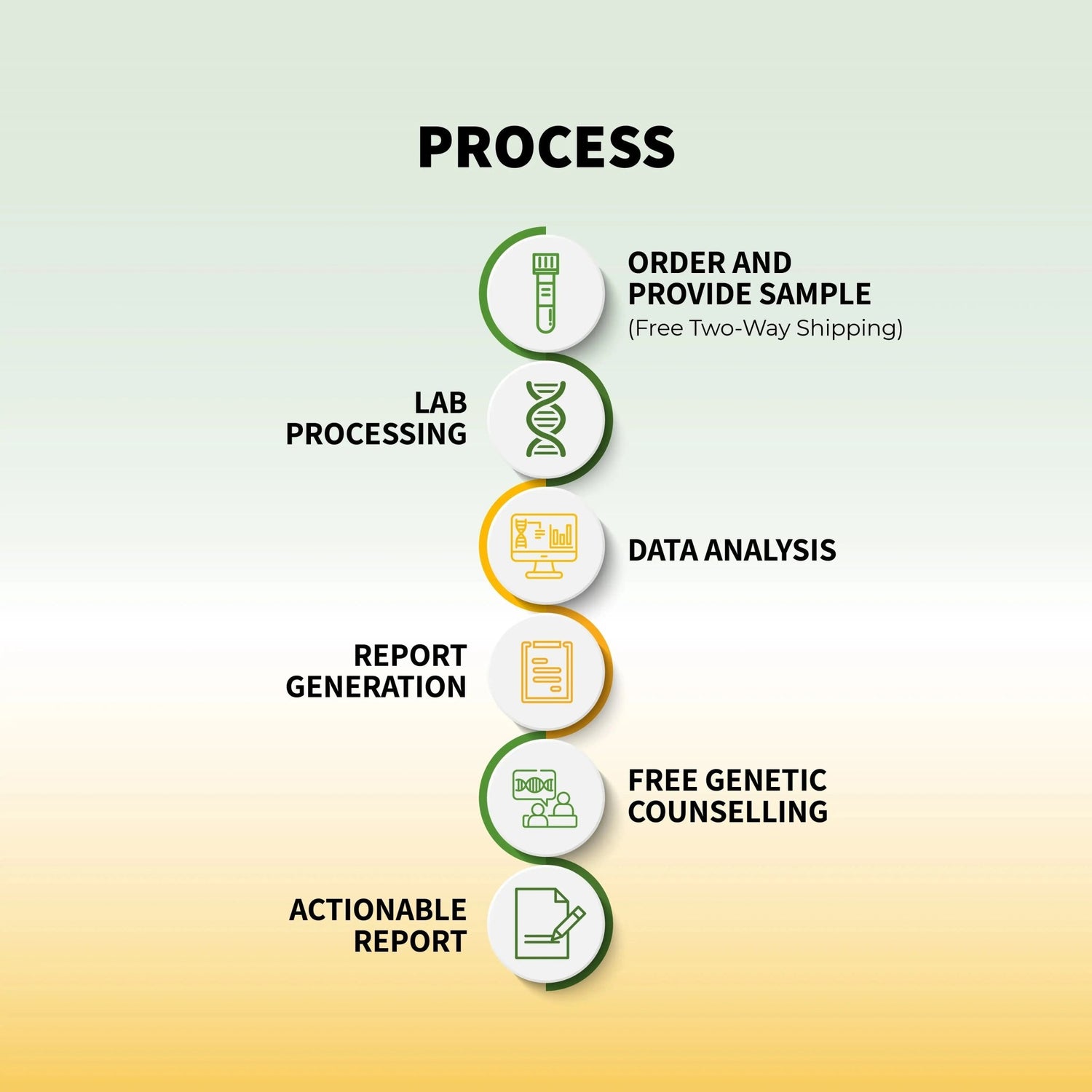
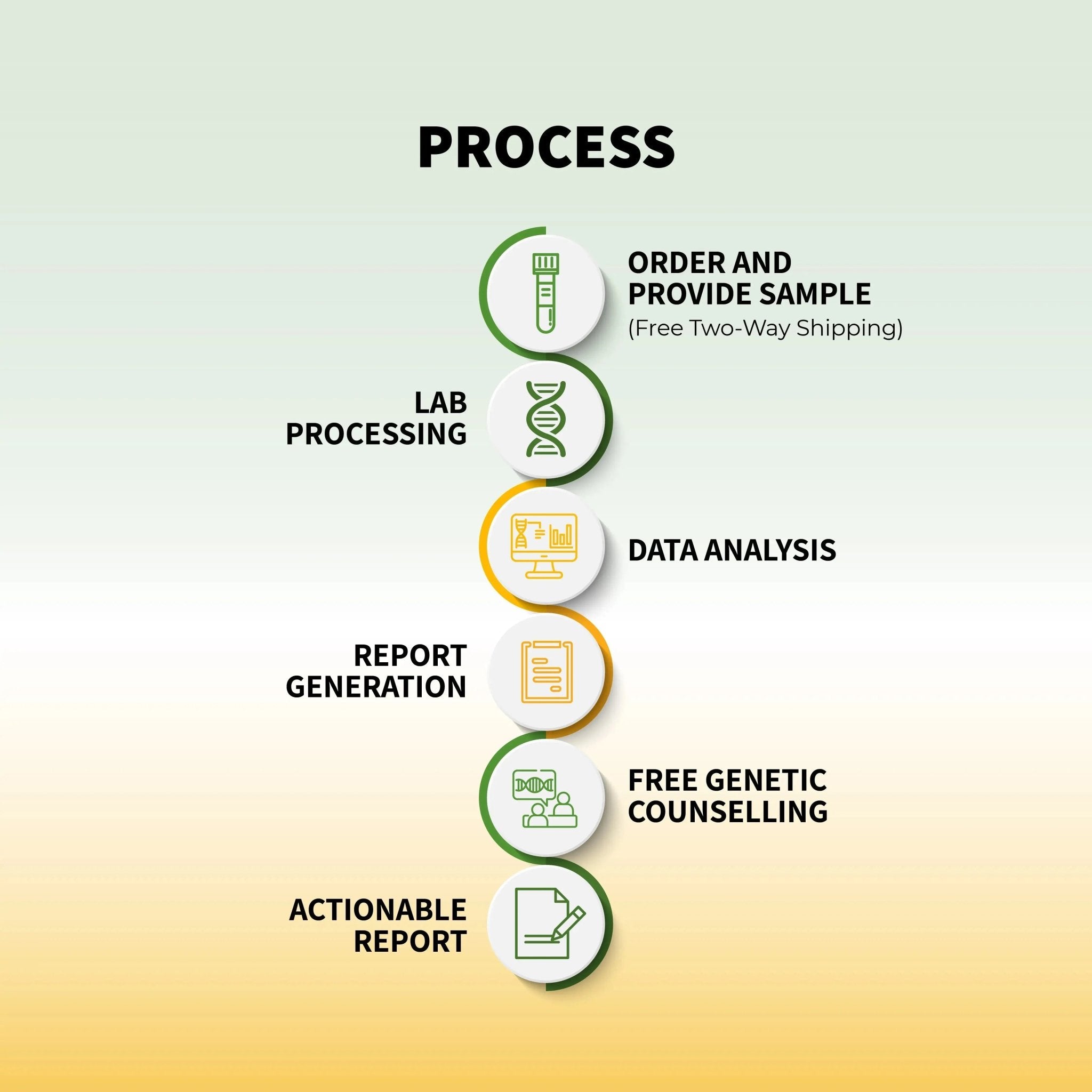
Genetic testing typically involves collecting a sample of your DNA — most commonly a simple saliva swab or cheek swab, though blood samples can also be used. The sample is sent to a laboratory where technicians analyse the DNA to look for specific genetic markers associated with certain conditions or traits. Results are usually returned within a few weeks, and a genetic counsellor will review them with you.
The Importance of Genetic Testing
Early Detection and Prevention: By identifying your genetic predisposition to certain diseases, you can take proactive steps to manage your health — adopting a healthier lifestyle, monitoring your health more closely, or taking preventive action.
Informed Decision-Making: Genetic testing provides critical information that guides your health decisions — from choosing the right medication to making decisions about family planning.
Personalised Healthcare: By understanding your unique genetic makeup, healthcare providers can tailor treatments and interventions to your specific needs, leading to more effective and targeted care.
Understanding Your Family's Health: Genetic testing can reveal conditions that may run in your family, enabling relatives to take steps to monitor or prevent the same conditions.
Reproductive Planning: Carrier testing can identify whether you or your partner carry genes for certain inherited disorders, helping guide family planning decisions.
Who Should Consider Genetic Testing?
- Those with a family history of genetic disorders such as cancer, heart disease, or diabetes
- Individuals planning to start a family
- People with a personal history of a genetic condition
- Anyone interested in personalised medicine and understanding how their genetics affect medication response or disease risk
Ethical Considerations and Privacy
Your genetic information is deeply personal, and privacy is a major concern. There are strict regulations in place to protect your genetic data. Before undergoing genetic testing, discuss the potential risks and benefits with a healthcare provider or genetic counsellor who can help you understand the implications of the test and how the results may impact you and your family.
Conclusion
Genetic testing is a powerful tool that can provide insights into your health, guide personalised treatment, and help prevent future health issues. By exploring your genetic makeup, you can gain a deeper understanding of your body and take control of your health in ways that were unimaginable just a few decades ago.
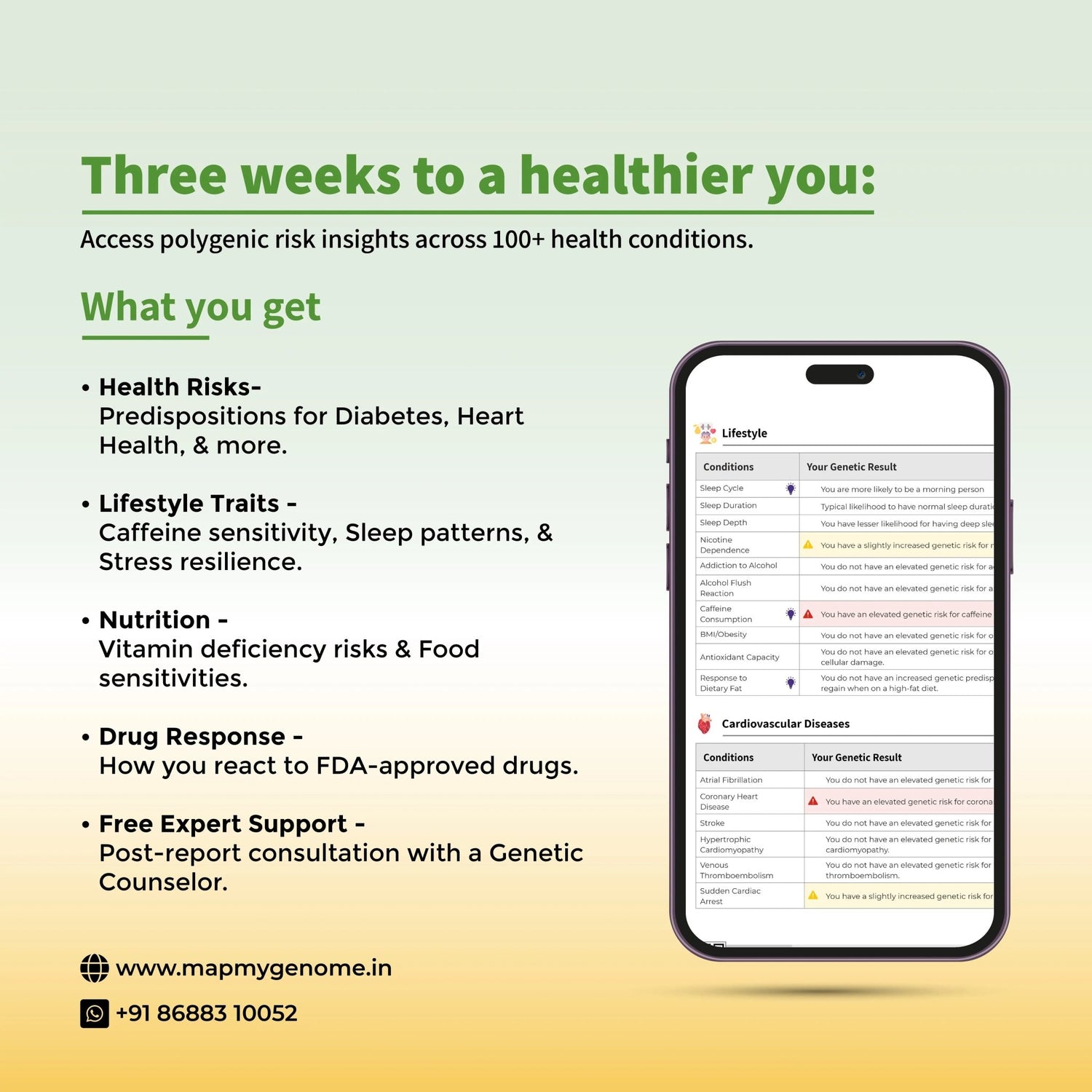
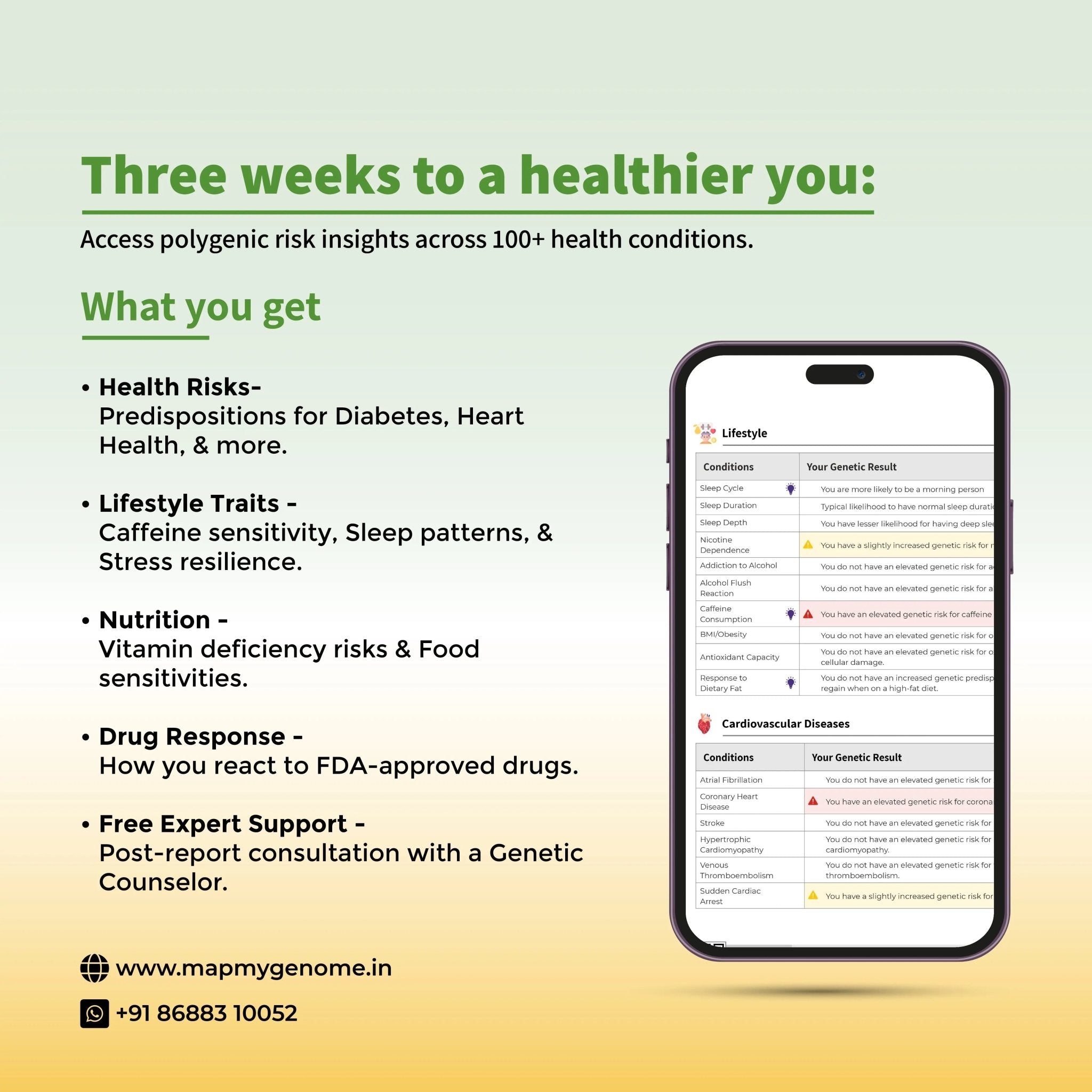
India’s Most Comprehensive DNA Health Test
Genomepatri by MapmyGenome screens 100+ health conditions — from cardiovascular risk and diabetes to nutrition, fitness, and drug response — in a single at-home saliva test. NABL & CAP accredited. Genetic counselling included.