

Understanding the Role of Genomics in Improving Muscle Performance
“Always make a total effort, even when the odds are against you.” — Arnold Palmer
Research studies conducted on the performance of athletes revealed that genetic factors contribute to more than 50% of dissimilarities across individuals with regard to their physical performance. The most commonly researched genetic variants corresponding to an athlete’s performance are ACTN3 and ACE.
Slow Twitch vs Fast Twitch Muscle Fibres
Muscles of the skeleton are classified into two types based on time required for contraction:
Slow Twitch Fibres — take more time for contraction and can perform for a long time without fatigue. These fibres allow individuals to excel in endurance activities such as long-distance running
Fast Twitch Fibres — take less time for contraction but attain fatigue quickly. These fibres allow athletes to excel in strength building and sprinting activities

The ACTN3 and ACE Genes
The ACTN3 gene gives instructions for developing α-actinin-3, a protein commonly found in fast-twitch muscle fibres. Variation in the ACTN3 gene produces three outcomes:
Sprint/Power Profile — larger proportion of fast-twitch muscle fibres
Endurance Profile — larger proportion of slow-twitch muscle fibres
Power/Endurance Profile — mixed proportions of fast- and slow-twitch muscle fibres

The ACE I allele is related to endurance and the ACE D allele is related to performance in sprinting activities. By understanding one’s genetic material and arriving at a complete picture of an individual’s genetic make-up, one can plan properly to reach peak performance in less time and increase the longevity of top-level activity.
Unlock Your Genetic Athletic Profile
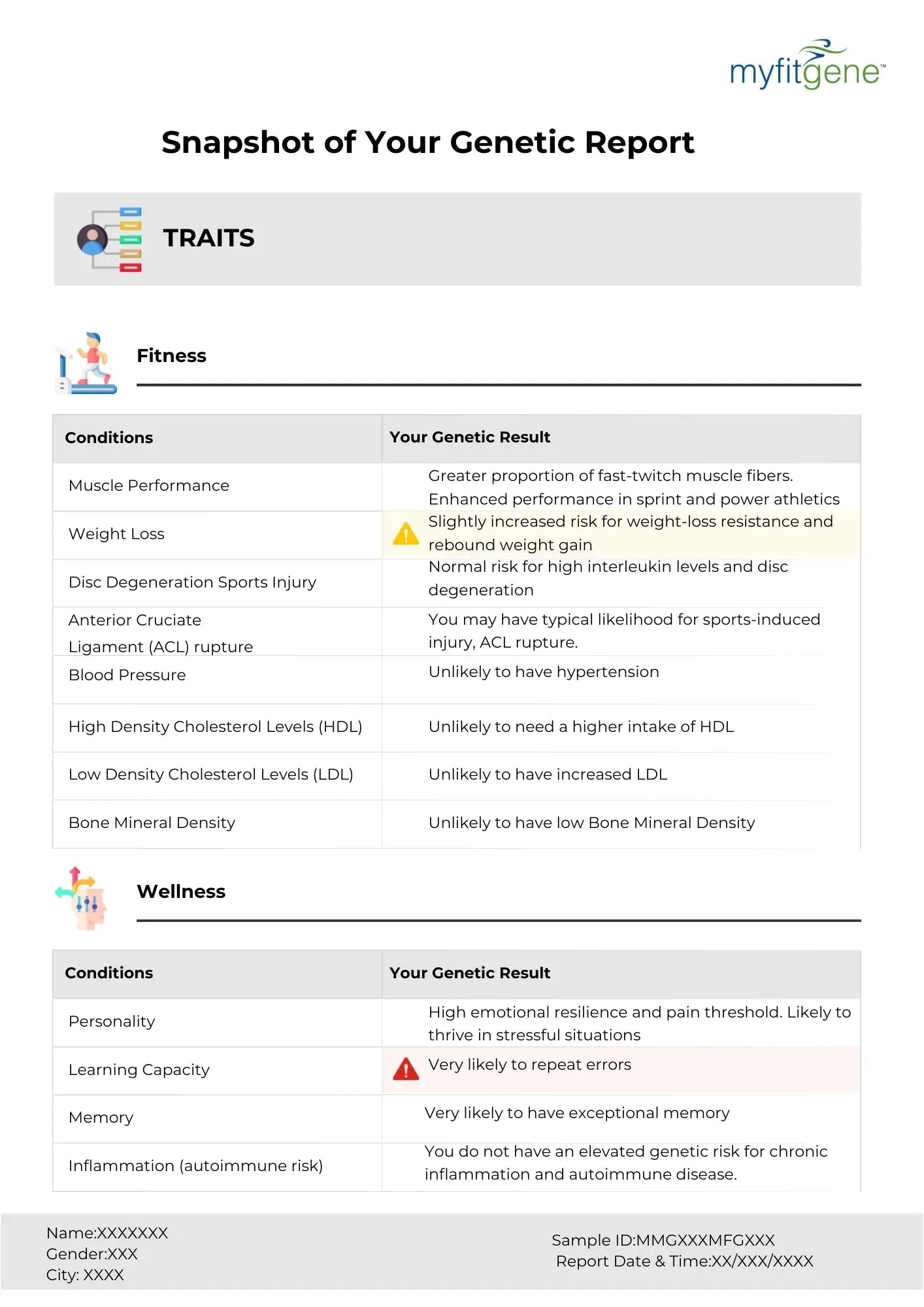
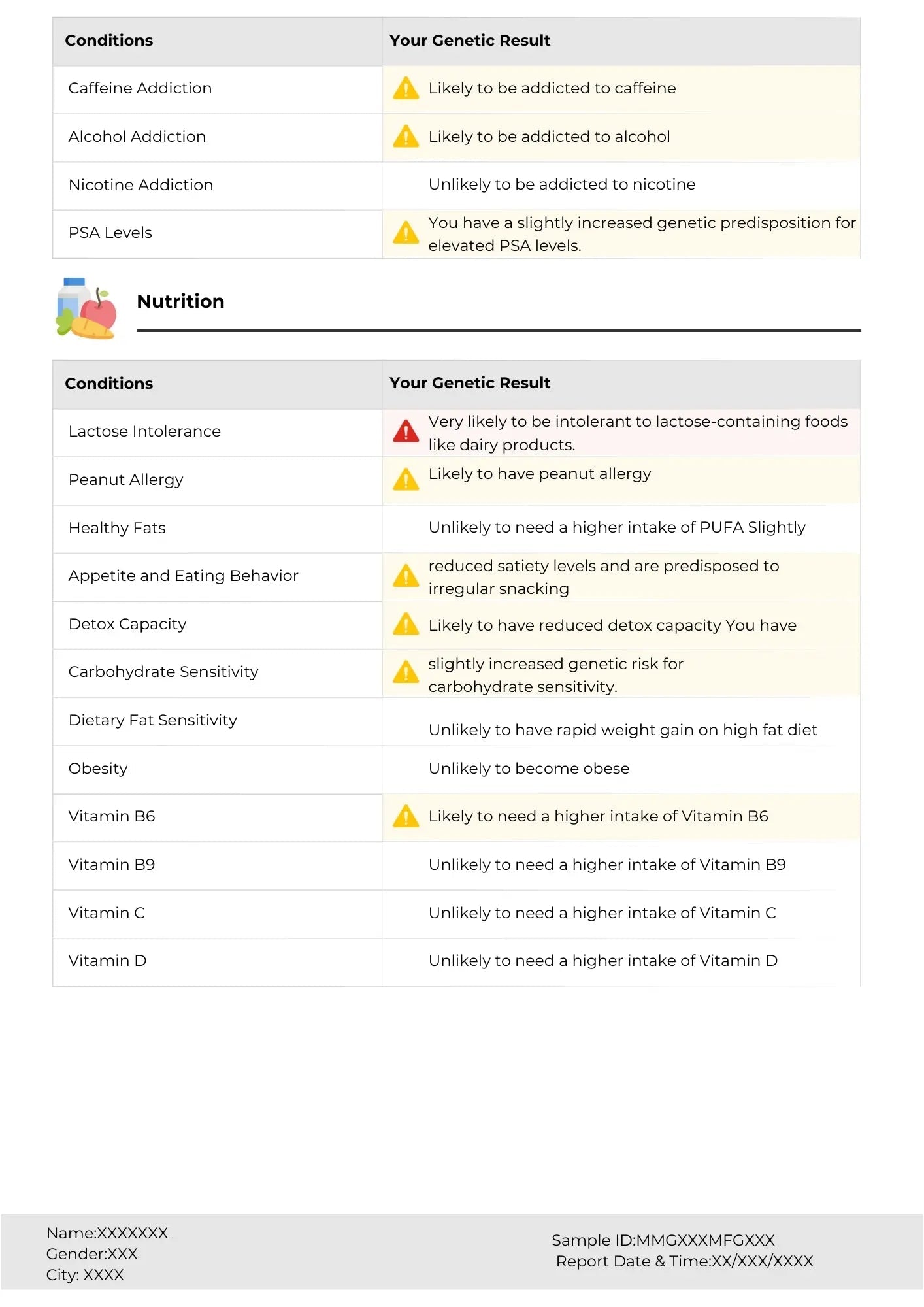
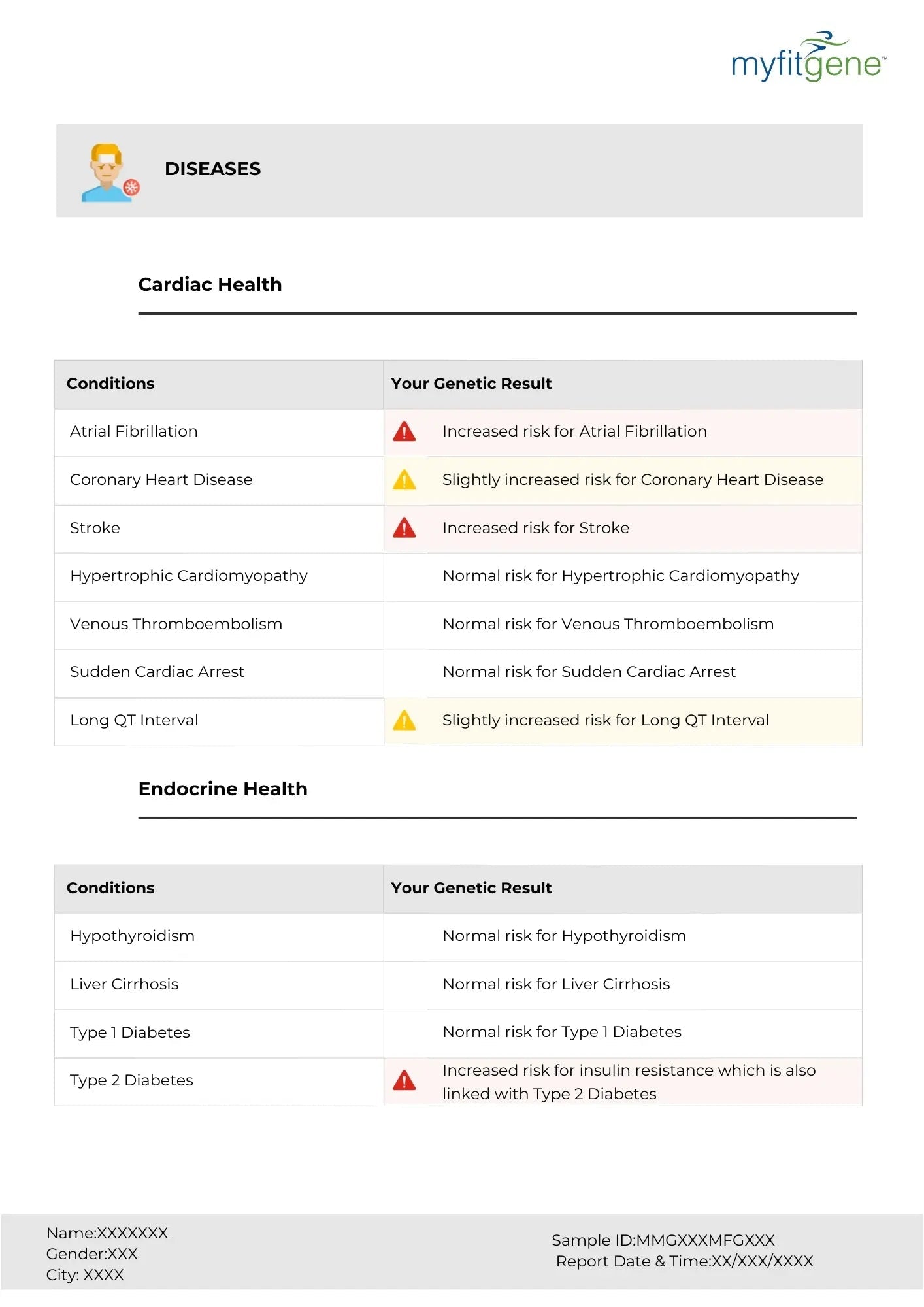
Myfitgene by MapmyGenome reveals your genetic predispositions for sprint vs endurance performance, muscle fibre composition, injury risk, and recovery — helping you choose the right training and reach your fitness goals faster.