

Health For All: Let Us E2E (Effort to Exercise)!
“What do you do for exercise?”
The World Health Organization (WHO) recommends at least 150 minutes of moderate-intensity aerobic exercise per week for general fitness and health. And yet, a significant section of society remains wrapped up in chasing goals and dreams — forgetting to keep exercising all the years they live to chase those dreams.
Effort to Exercise (E2E): The New Health Mantra
The benefits of regular exercise are countless. A few important facts to keep in mind:
It takes a good 3–6 months for exercise-induced transformations (enhanced strength, lean muscle development), while changes in mood, appetite, sleep, and energy manifest sooner
Most of the time, it’s really just about putting in the effort — not the end goal. Focus on maintaining consistency and actually engaging in exercise every other day
Response to exercise varies among all individuals — psychological programming plays a key role in individual adaptation to physical activity
Metabolism and muscle mass take a significant hit in middle and older ages — the most important reason to E2E is to accumulate muscle memory for exercise training. The longer we keep exercising, the more likely our muscles will “remember” to respond when we get back to it after a break
Exercise for Every Stage of Life
Regular exercise is a universal health recommendation — yoga for an expecting mother, aqua aerobics for seniors, pilates for the recovering athlete, weight training for the busy millennial. There is an exercise for every body, every age, and every goal.
The Side Effects of Regular Exercise
Better sleep — so no more Netflix marathons
Better memory — so you cannot say you forgot to exercise
Stronger body — so fewer sick days at work
Improved satiety — so say goodbye to midday cookies
This World Health Day, it’s time to appreciate that good health is a way of life. Make regular exercise a part of your lifestyle!
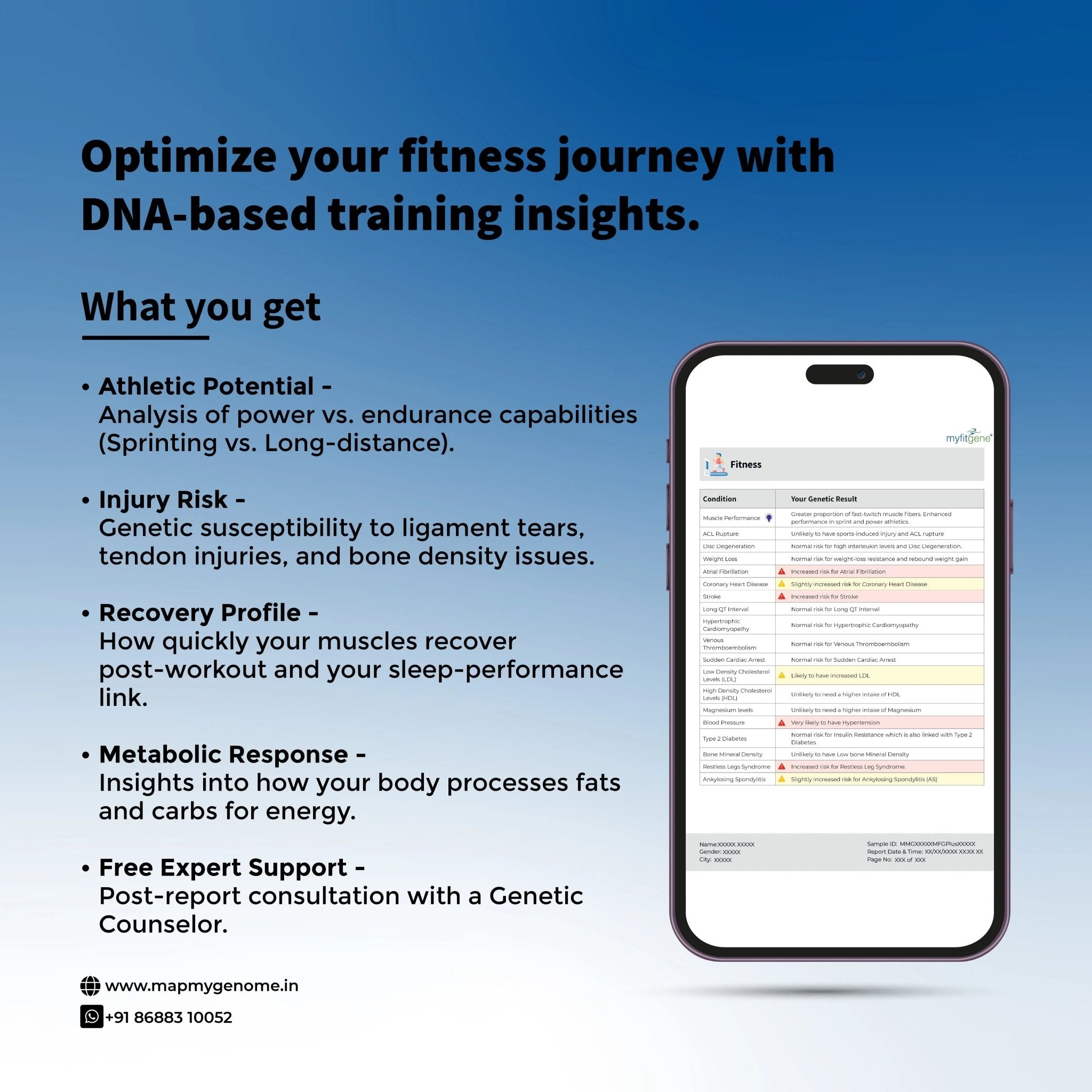
Exercise Smarter — Know Your Genetic Fitness Profile
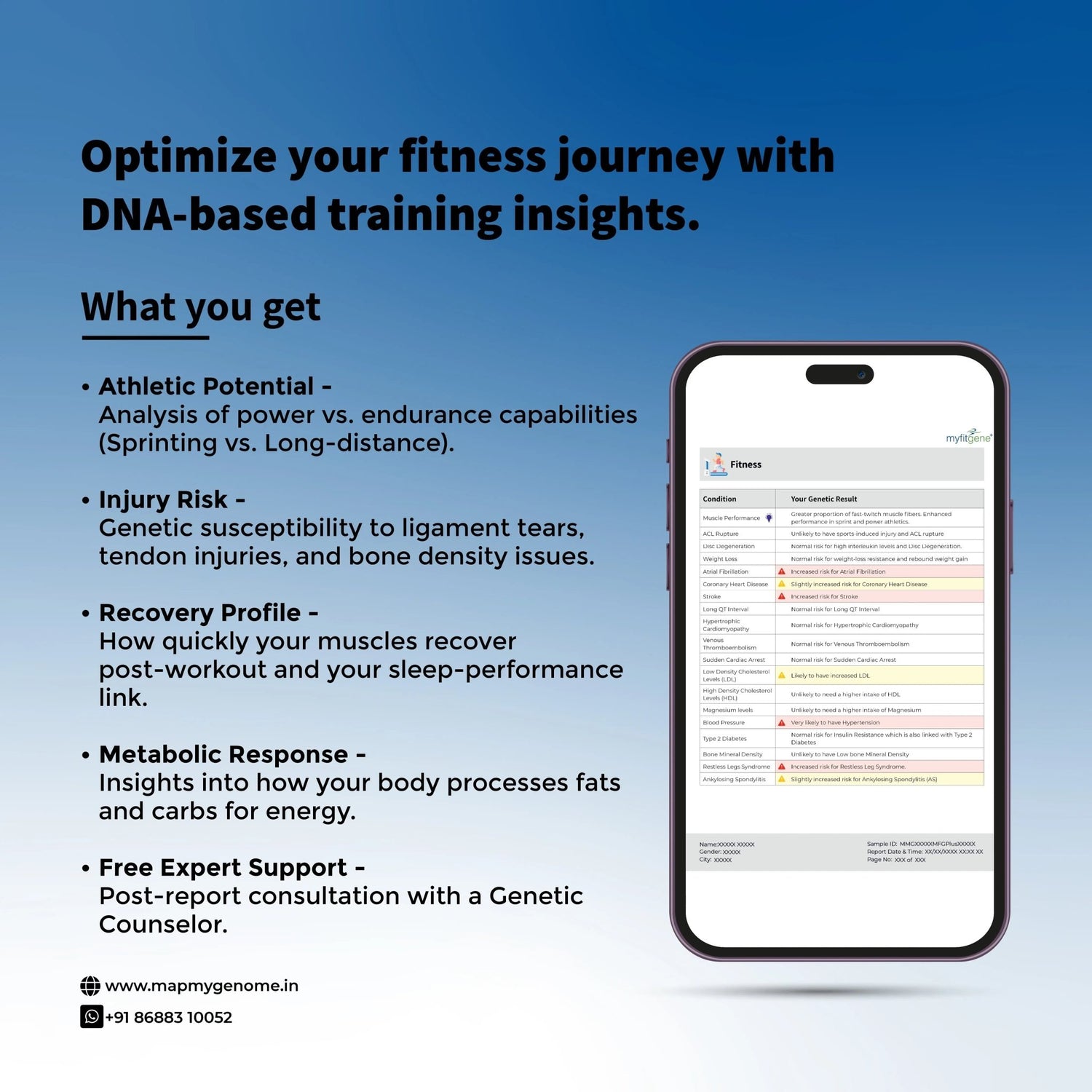
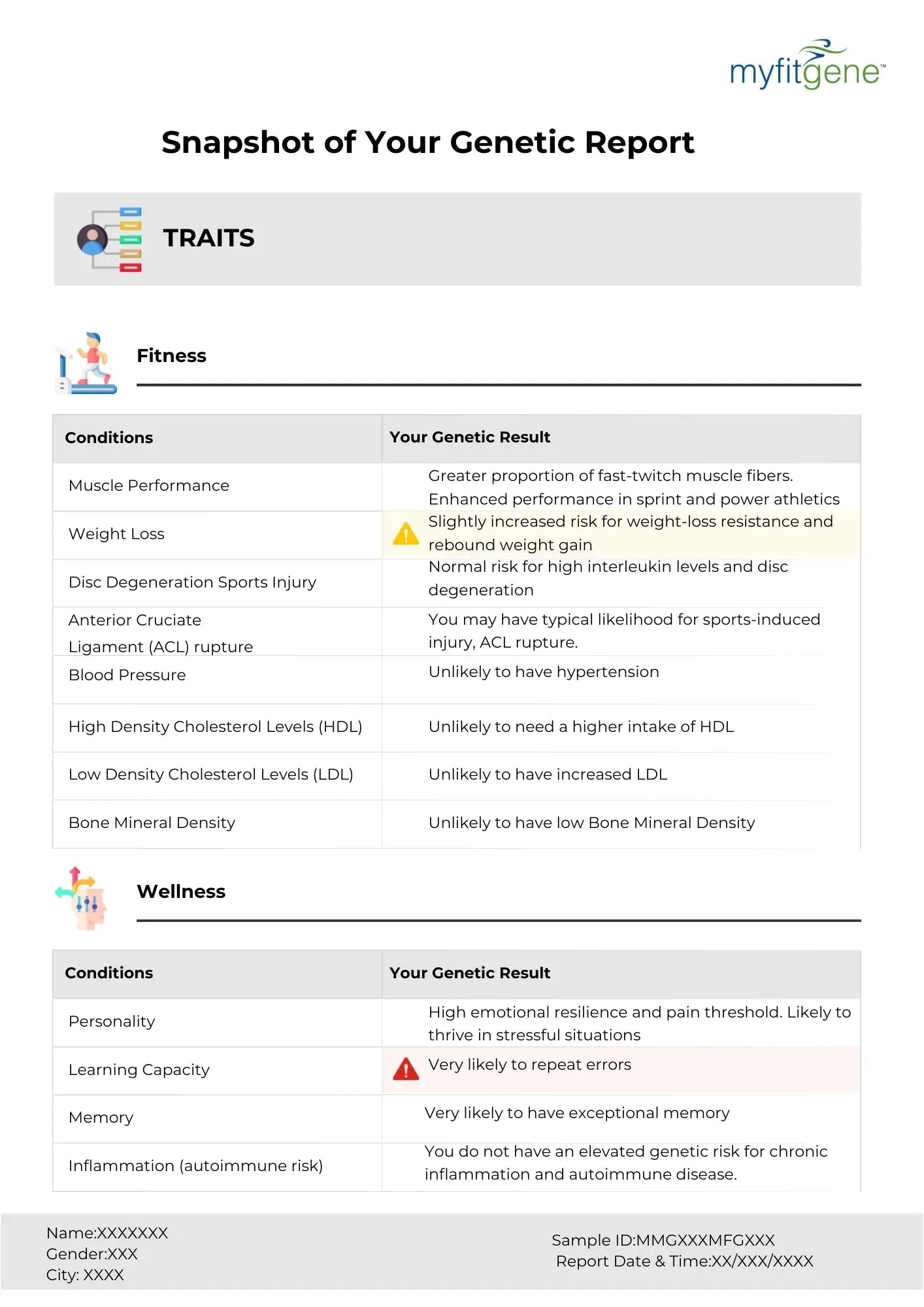
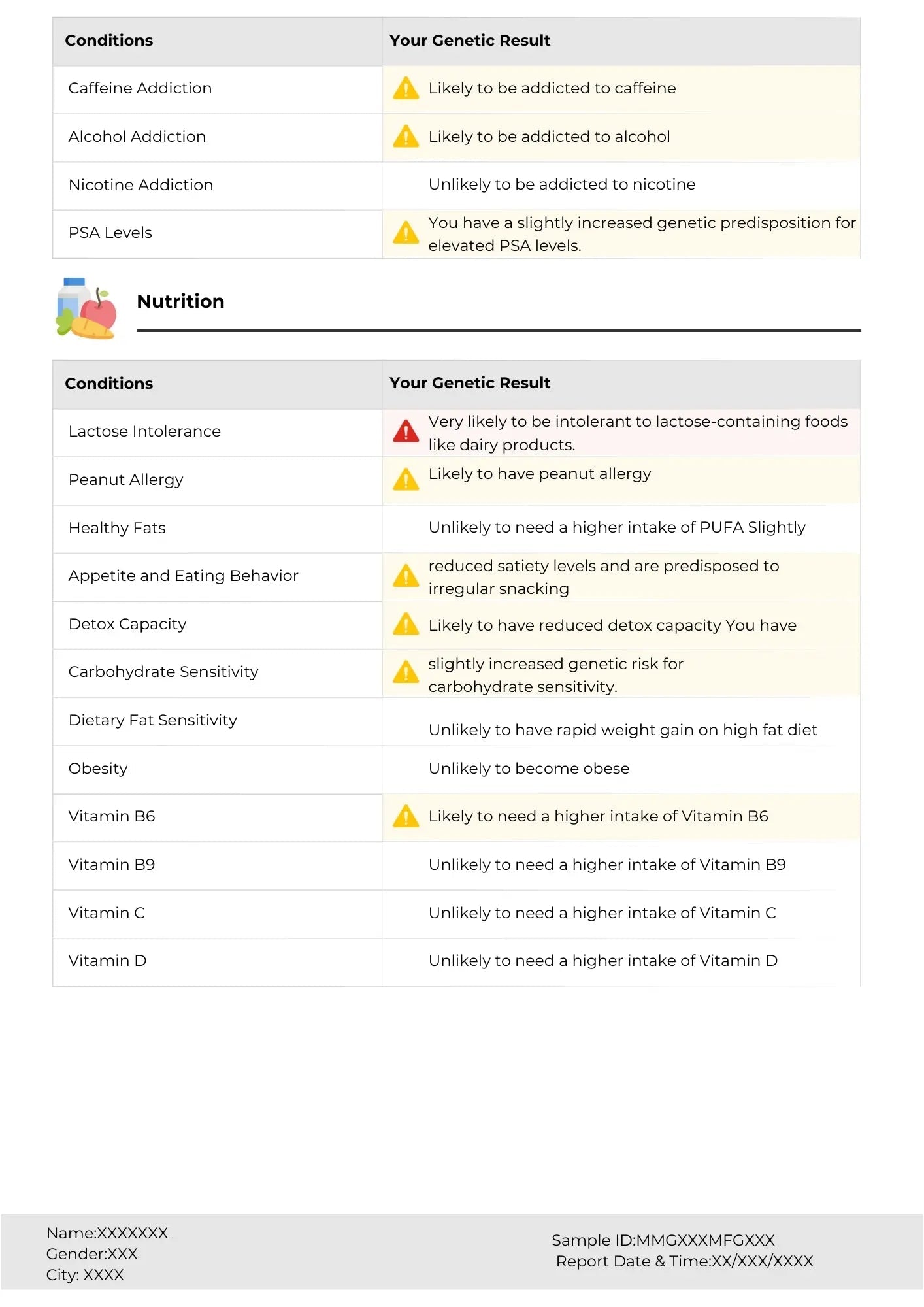
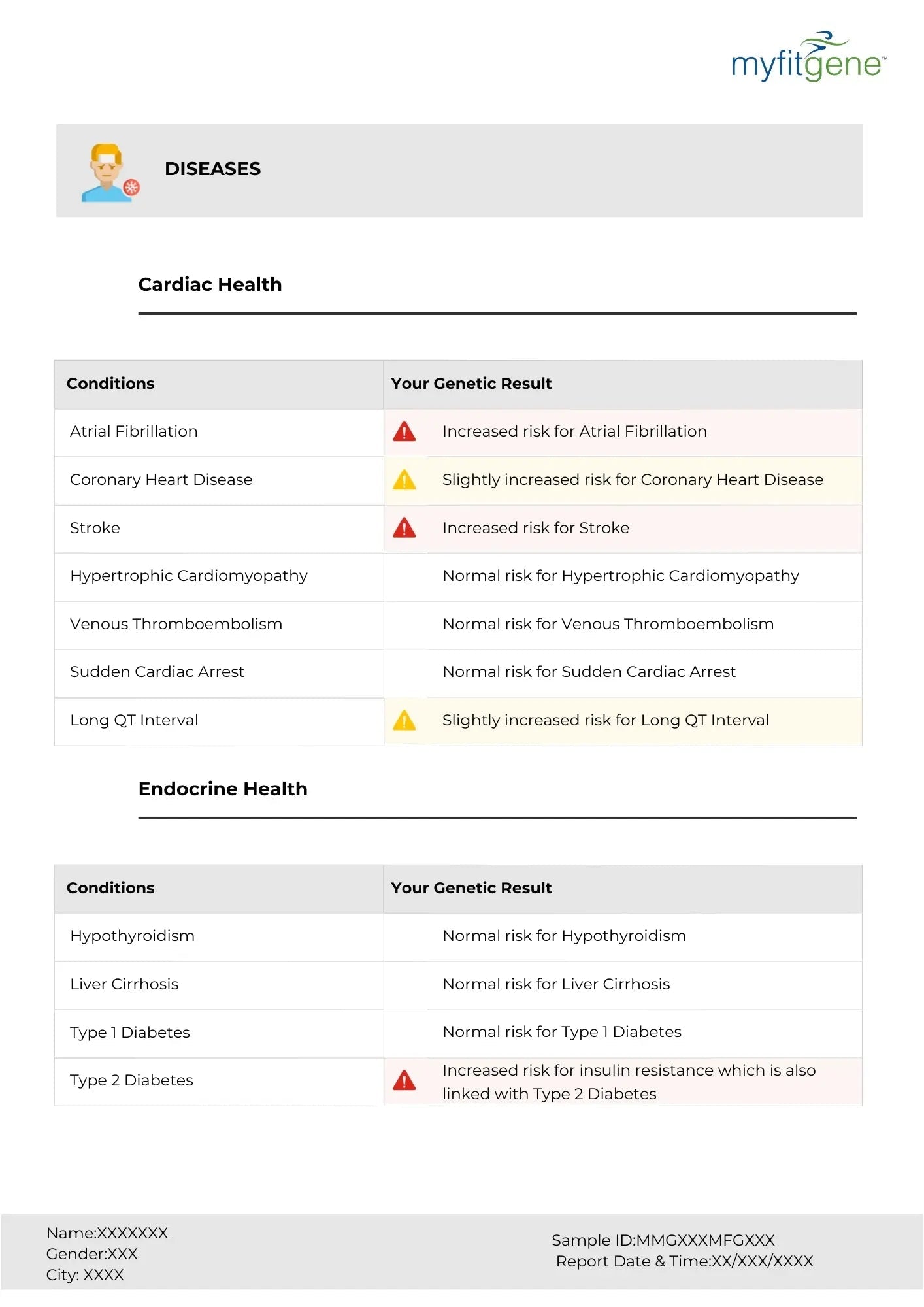
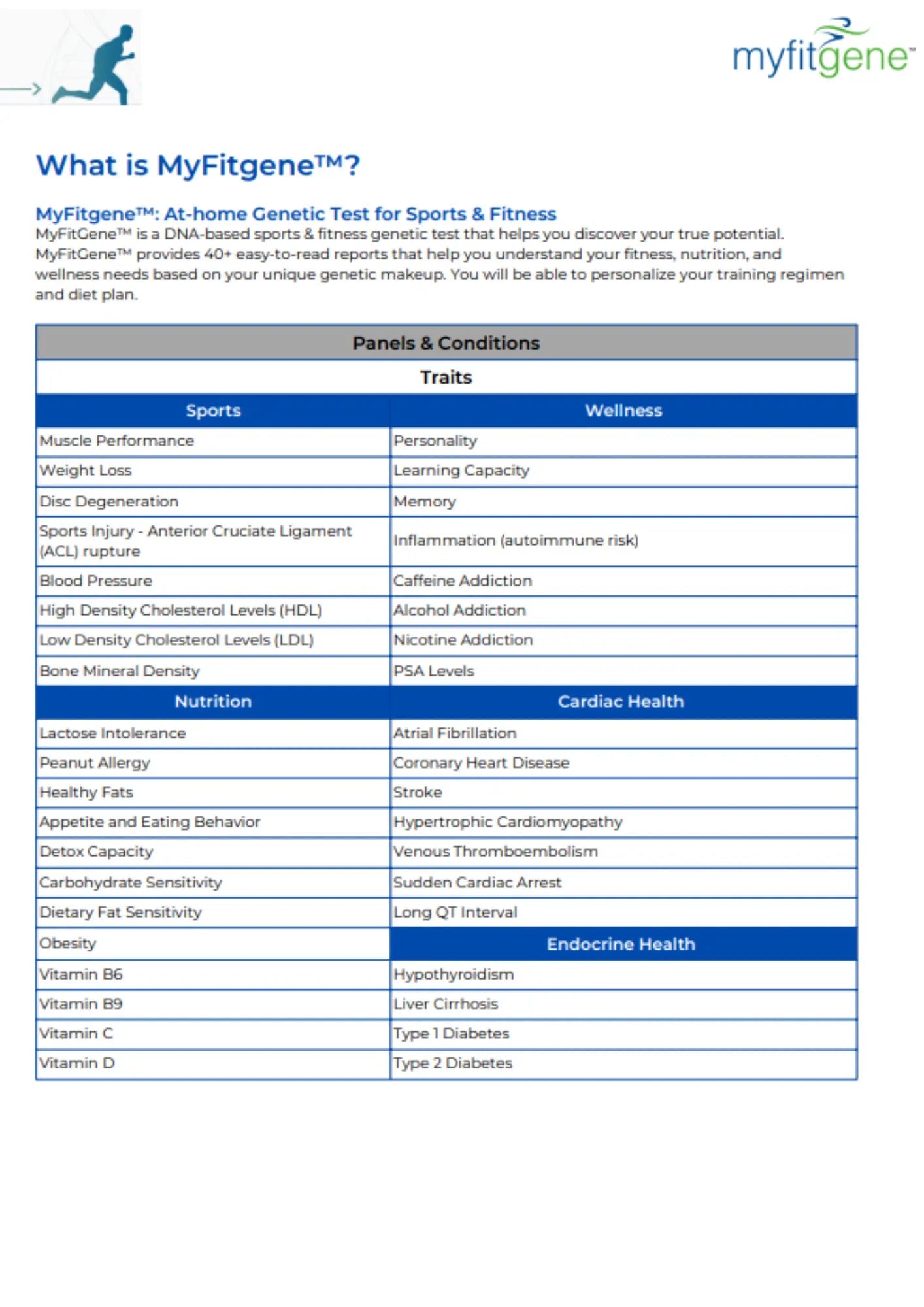
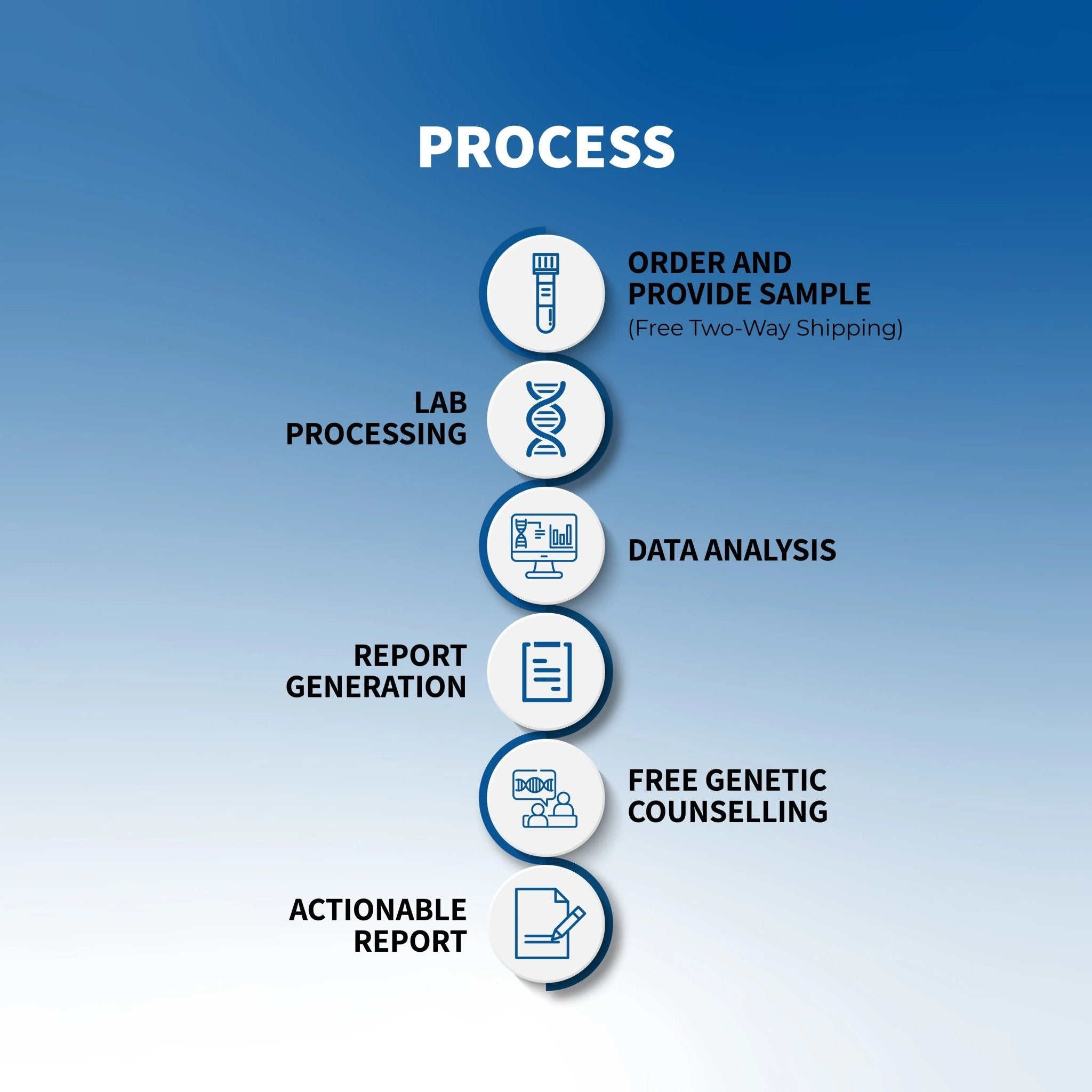
Myfitgene by MapmyGenome reveals your genetic predispositions for fitness, endurance, strength, injury risk, and nutrition — helping you choose the exercise types that are most effective for your unique biology.