

Adolescence is one of the most active periods of growth and development in a person's life — bones are still building density, the brain is still maturing, and energy needs are genuinely higher than most people expect. For teenage girls in particular, this stage comes with an added challenge: navigating real physical and nutritional needs while being surrounded by conflicting, often unhealthy messages about how their bodies "should" look. Building healthy habits during these years matters far more for long-term wellbeing than any short-term appearance goal.
Why Nutrition Matters More During Adolescence
The teenage years place unique demands on the body:
- Bone development — most peak bone density is built before age 20, making calcium and vitamin D intake during adolescence important for lifelong bone health.
- Iron needs increase — with the onset of menstruation, iron requirements rise, and low iron can show up as fatigue, difficulty concentrating, and mood changes that are easy to mistake for "just being tired."
- Brain development continues — the brain is still maturing throughout adolescence, and consistent, balanced meals support focus, mood regulation, and energy for both schoolwork and physical activity.
Rather than focusing on restriction, the goal during this stage is adequacy — making sure the body has consistent access to the nutrients it needs to grow and function well.
Movement, Not Metrics
Physical activity during adolescence supports far more than physical appearance: it supports mood regulation, sleep quality, bone strength, and stress management. Framing exercise around how it makes someone feel — more energy, better sleep, stronger, more capable — tends to build habits that last much longer than framing centered on appearance or weight.
A Note on Body Image
Teenage girls are often exposed to intense and unrealistic messaging about body shape and size, whether through social media, peers, or wider culture. This pressure is real, and it can contribute to unhealthy relationships with food and exercise. If a teenager shows signs of skipping meals, extreme food rules, excessive exercise, or significant anxiety around eating, this is worth a conversation with a pediatrician or a mental health professional — not something to address through diet advice at home. Early, supportive conversations make a meaningful difference.
Where Genetics Fits In
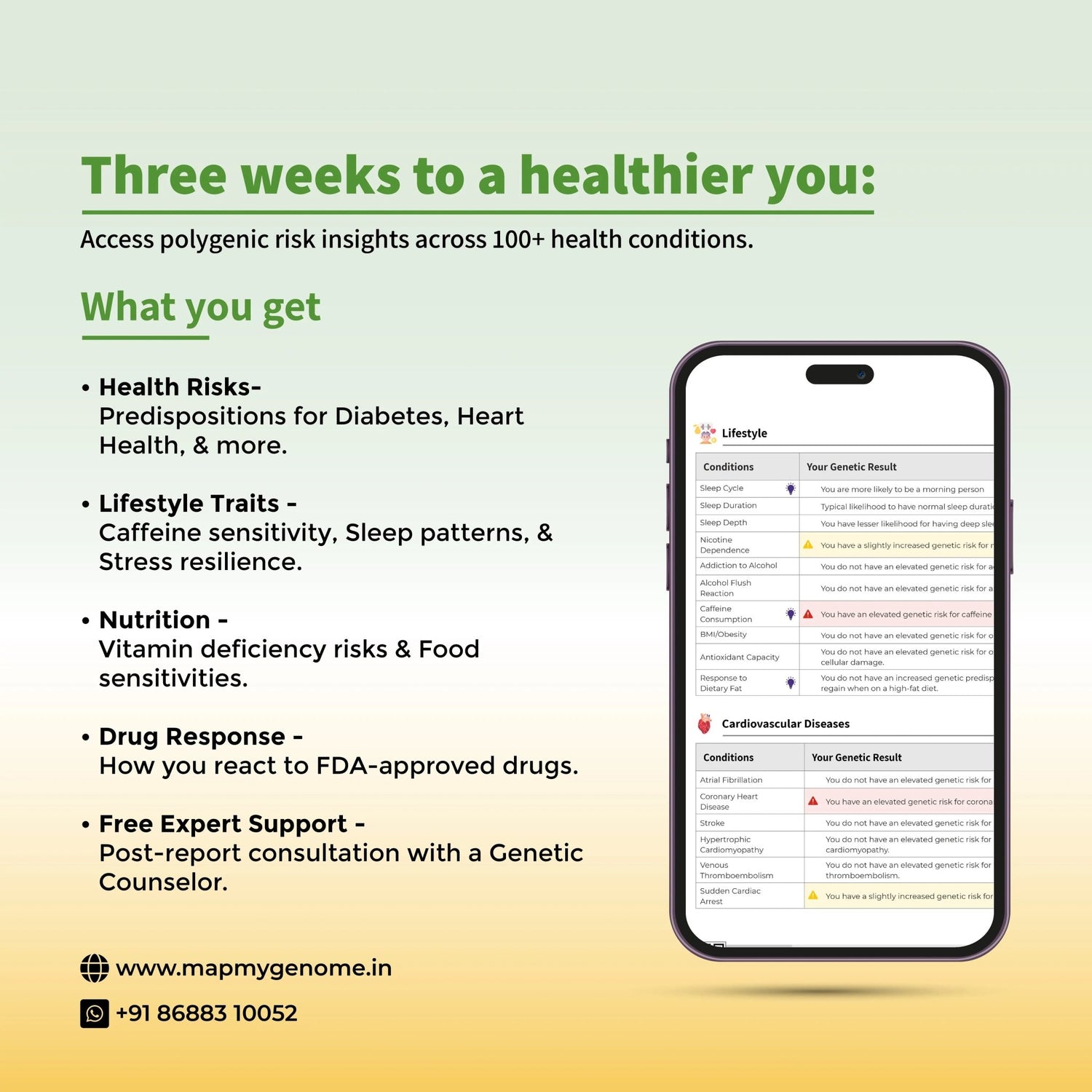
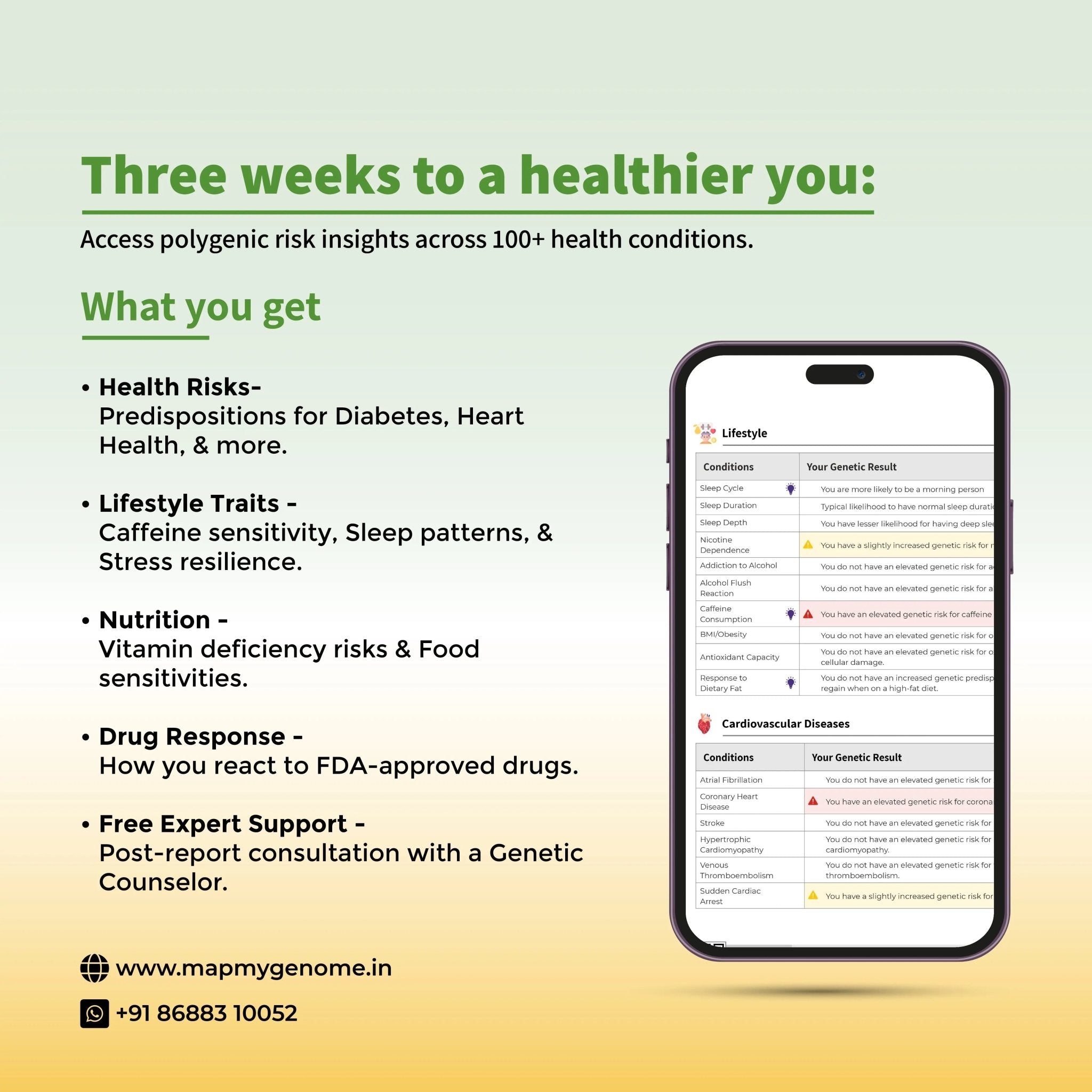
Genetic factors also play a role in how the body processes nutrients during this stage of rapid growth — for example, individual variation in vitamin D and iron metabolism can affect how much of these nutrients someone absorbs from the same diet. Understanding these individual differences, alongside guidance from a pediatrician or registered dietitian, can help build a nutrition approach that's actually suited to a teenager's body rather than a generic, one-size-fits-all plan.
Know Your Body at the DNA Level
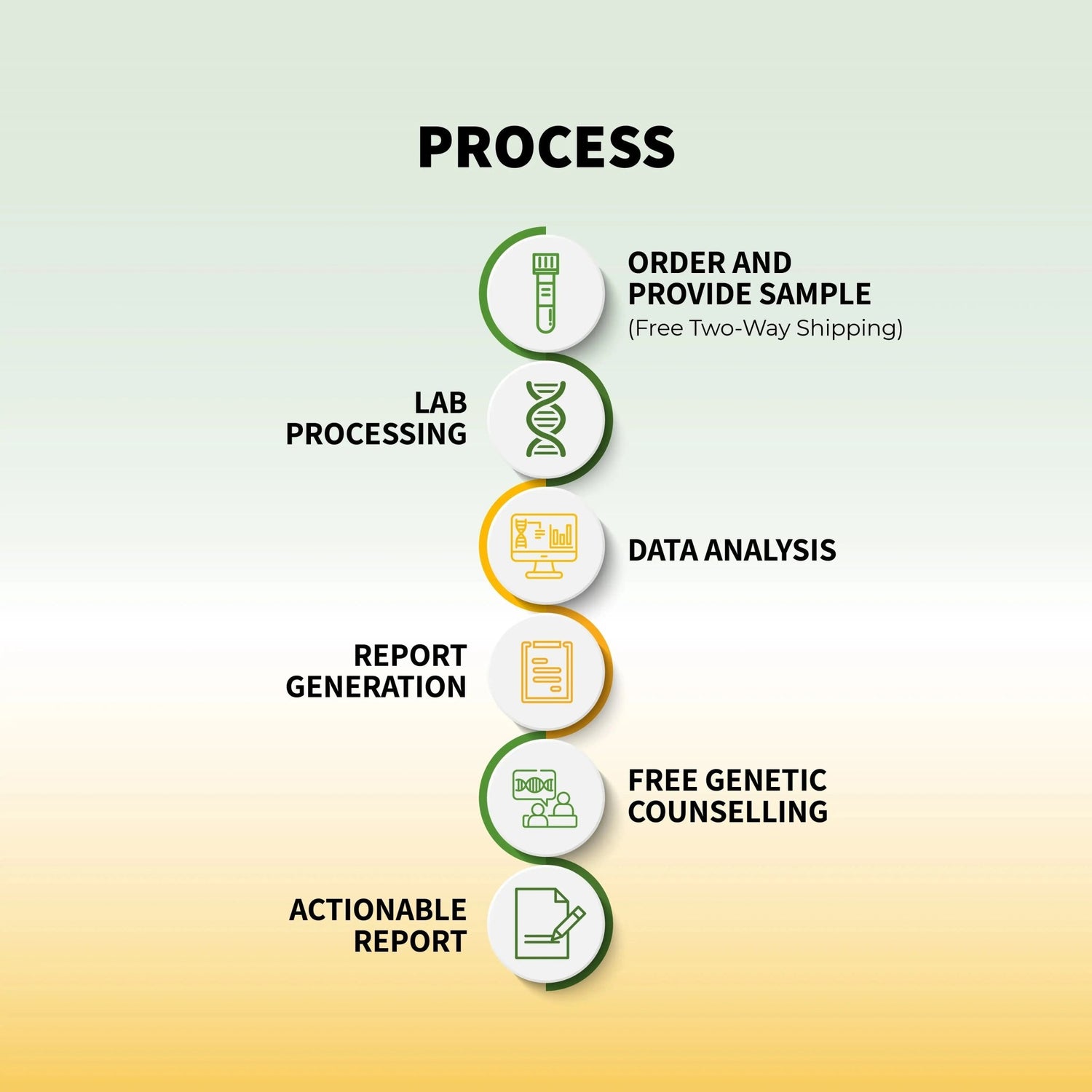
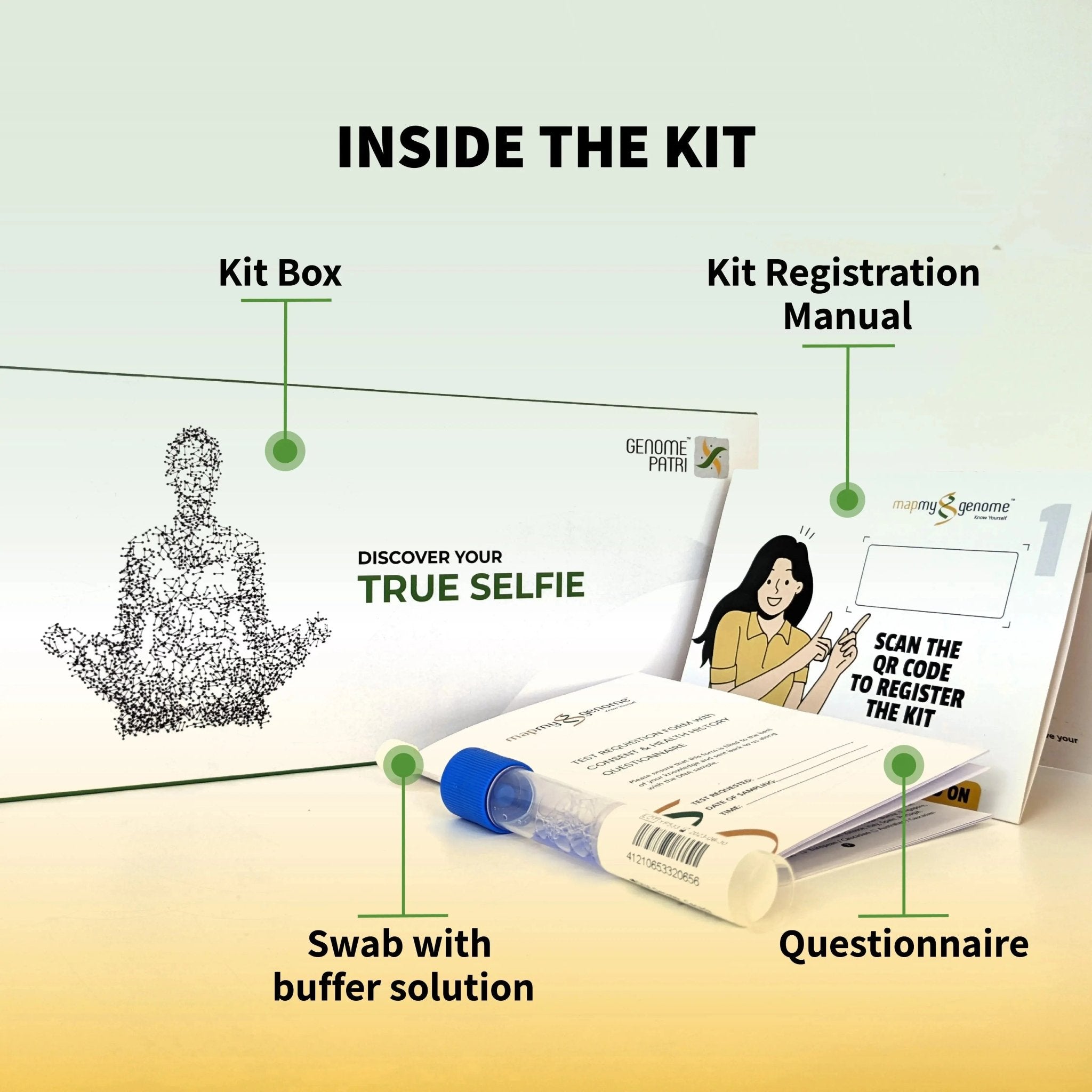
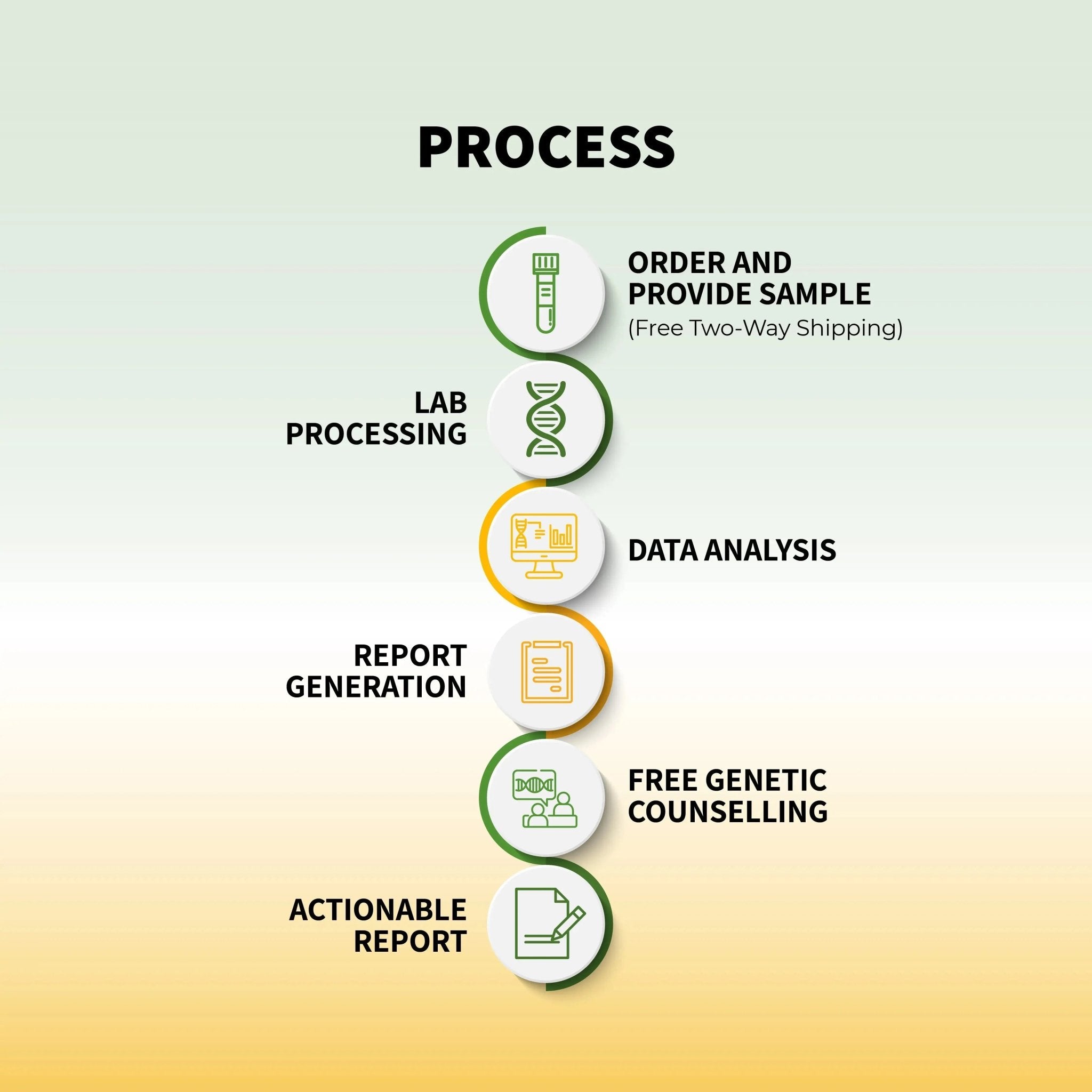
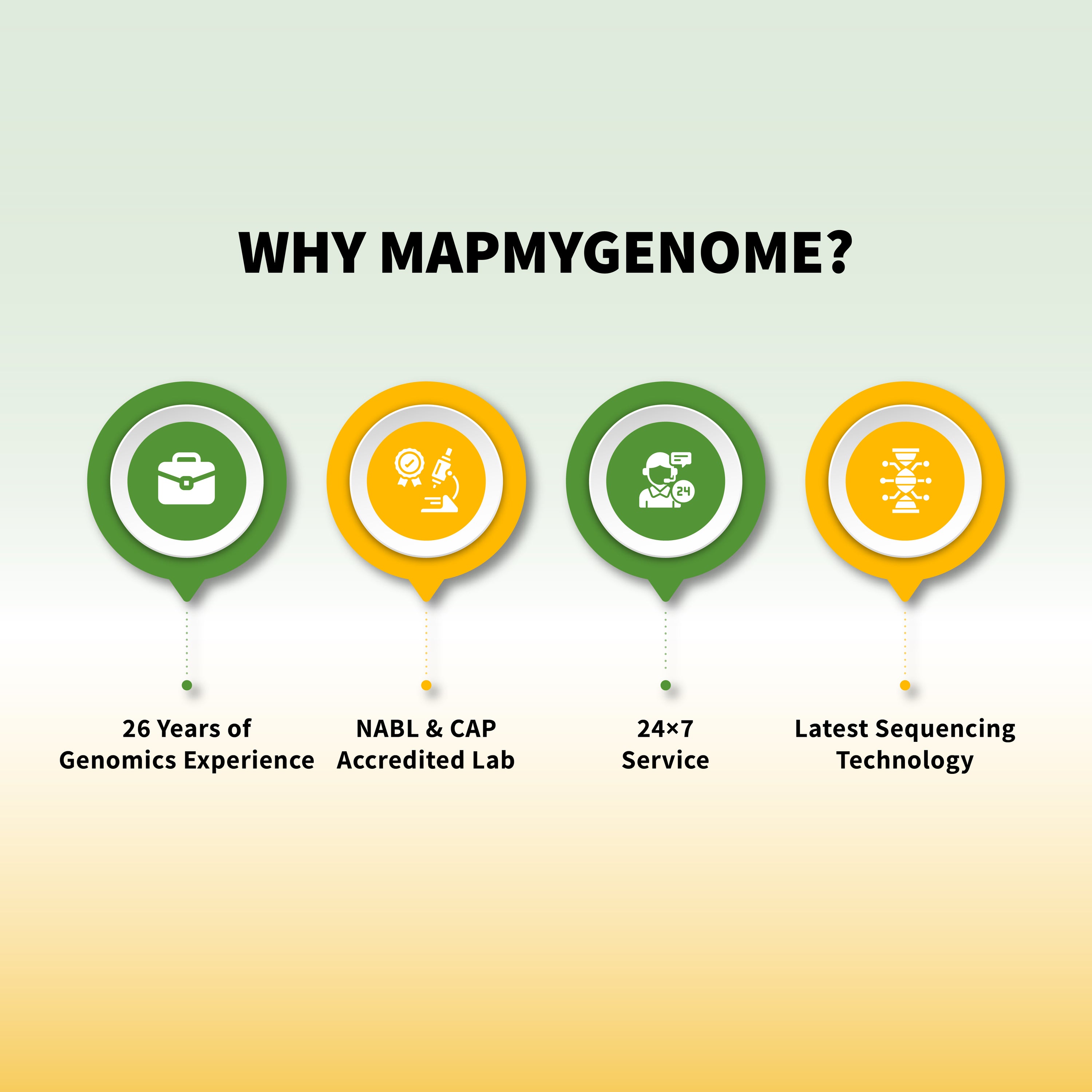
Every teenager's body is different — and your genes play a major role in how you metabolize food, store fat, and respond to exercise. Genomepatri by MapmyGenome reveals your metabolism type, carbohydrate and fat response, food intolerances, and eating behaviours — so you can build a health plan that truly works for your unique biology.
→ Order Genomepatri — Eat Wise, DNA Wise
Questions? Reach us at info@mapmygenome.in or call 1800 102 4595.