


A healthy gut microbiome is the foundation of immunity, digestion, and mental health. Yet modern diets, stress, and antibiotic use frequently disrupt the delicate balance of gut bacteria. Here’s a science-backed guide to improving your gut health through food, probiotics, and lifestyle changes.
Why Gut Health Matters
Your gut is home to trillions of microorganisms that influence digestion, immune function, mood, and even your risk of chronic disease. An imbalanced gut microbiome — known as dysbiosis — has been linked to IBS, obesity, type 2 diabetes, depression, and autoimmune conditions.
Best Foods for Gut Health
- Fermented Foods: Yogurt, kefir, idli, dosa, kimchi, sauerkraut, and miso are rich in probiotics that replenish beneficial gut bacteria.
- Prebiotic Foods: Garlic, onions, bananas, oats, and legumes feed your beneficial bacteria and help them thrive.
- High-Fibre Foods: Fruits, vegetables, whole grains, and legumes support regular bowel movements and a diverse microbiome.
- Polyphenol-Rich Foods: Berries, dark chocolate, green tea, and olive oil have anti-inflammatory effects on the gut.
- Bone Broth: Rich in collagen and glutamine, which help repair the gut lining.
Probiotics and Supplements
- Probiotic Supplements: Look for multi-strain formulas containing Lactobacillus and Bifidobacterium species. Particularly useful after antibiotic use.
- Prebiotic Supplements: Inulin and FOS (fructooligosaccharides) feed beneficial bacteria.
- Digestive Enzymes: Can help break down food more efficiently, reducing bloating and discomfort.
- L-Glutamine: An amino acid that supports gut lining integrity, particularly useful for leaky gut.
Lifestyle Changes for a Healthier Gut
- Manage Stress: Chronic stress disrupts the gut-brain axis and alters microbiome composition. Meditation, yoga, and regular exercise help.
- Sleep Well: Poor sleep negatively impacts gut bacteria diversity. Aim for 7–8 hours per night.
- Stay Hydrated: Adequate water intake supports digestion and helps maintain a healthy gut environment.
- Limit Processed Foods: Ultra-processed foods, artificial sweeteners, and excess sugar disrupt gut bacteria balance.
- Avoid Unnecessary Antibiotics: Antibiotics kill both harmful and beneficial bacteria. Only use when prescribed.
Know Your Gut — Test, Don’t Guess
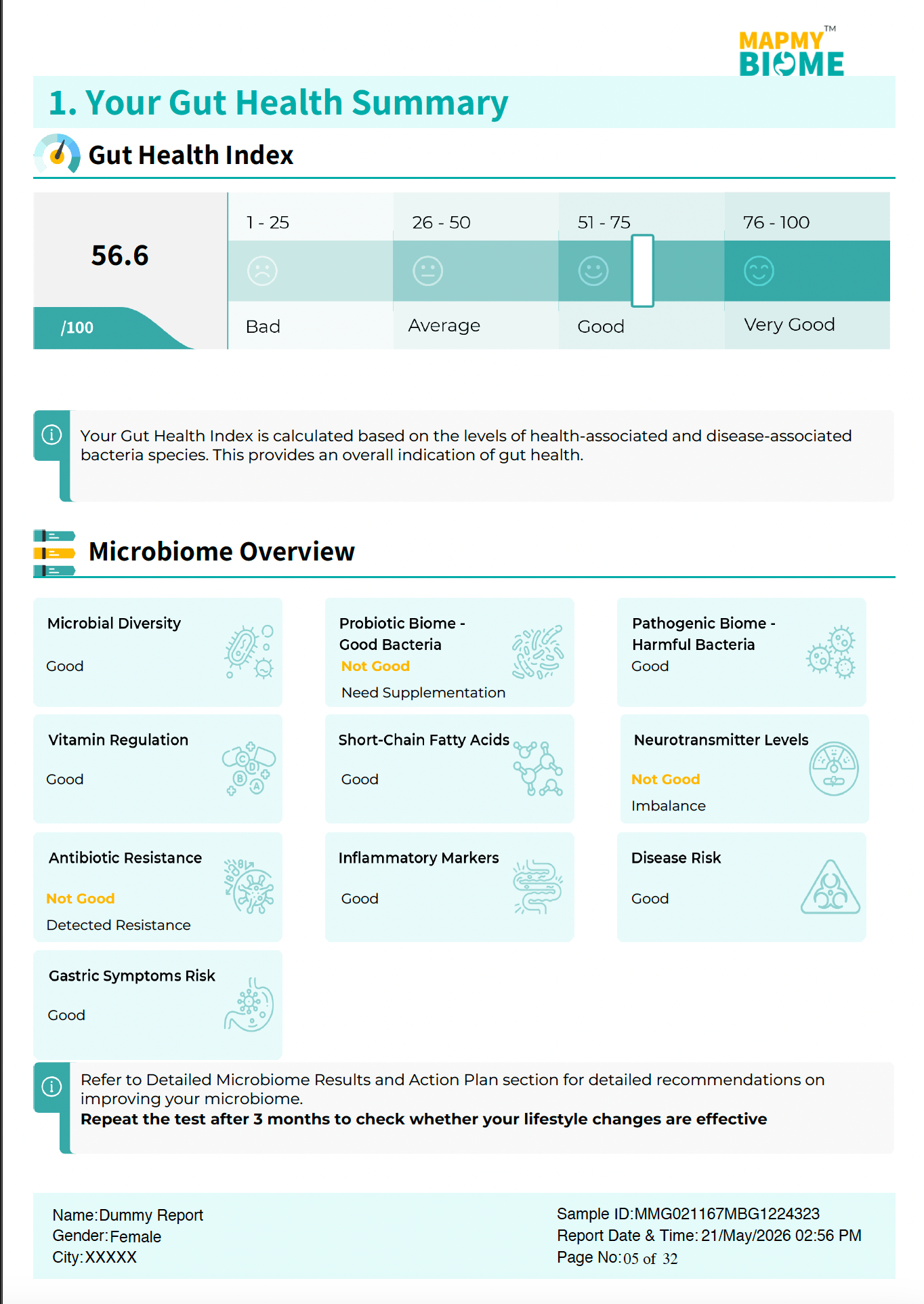
General gut health advice is a good starting point, but your microbiome is unique. A gut microbiome test can reveal the exact composition of your gut bacteria — identifying imbalances, low diversity, or harmful bacteria — and give you personalised recommendations tailored to your biology.
Personalise Your Gut Health Plan
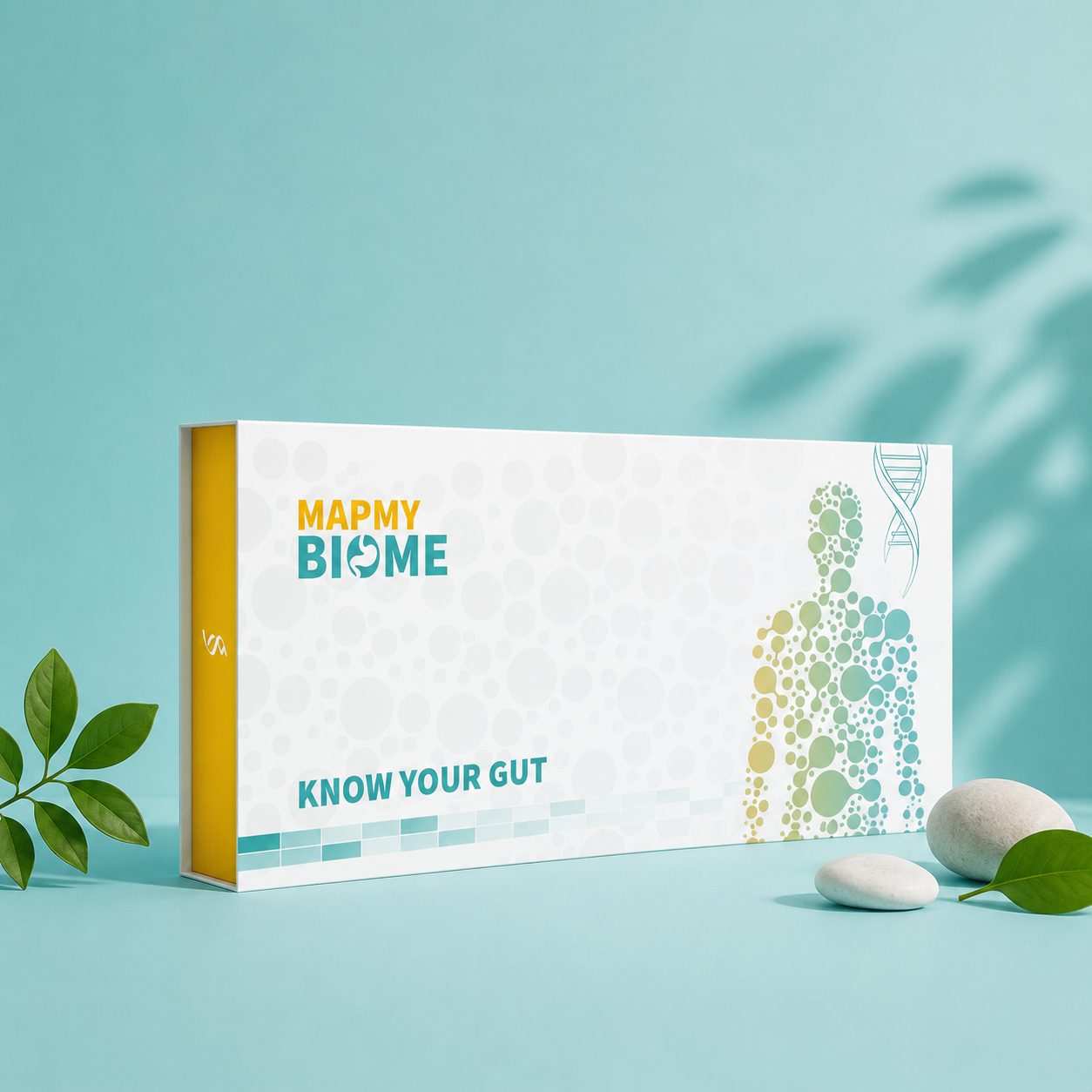
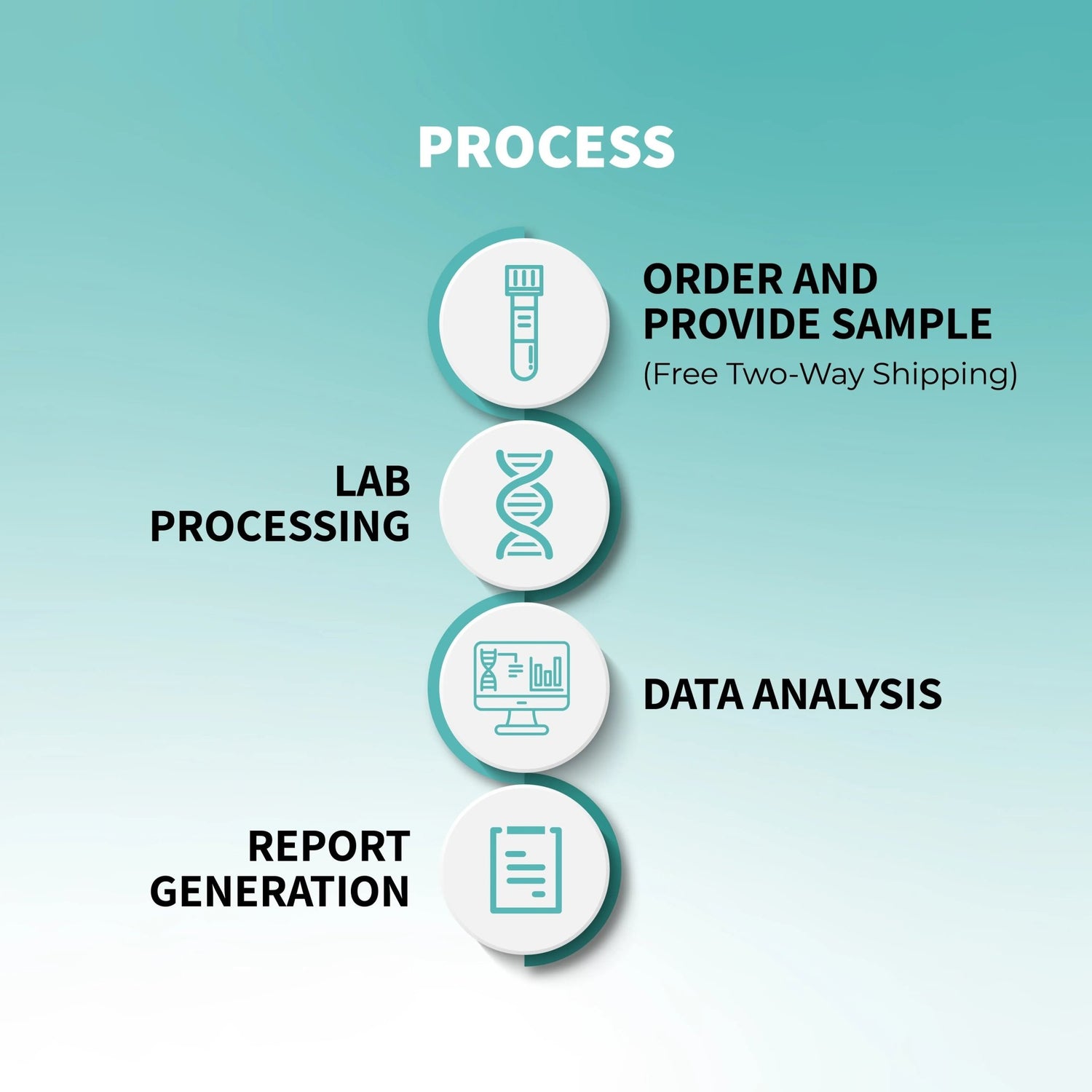
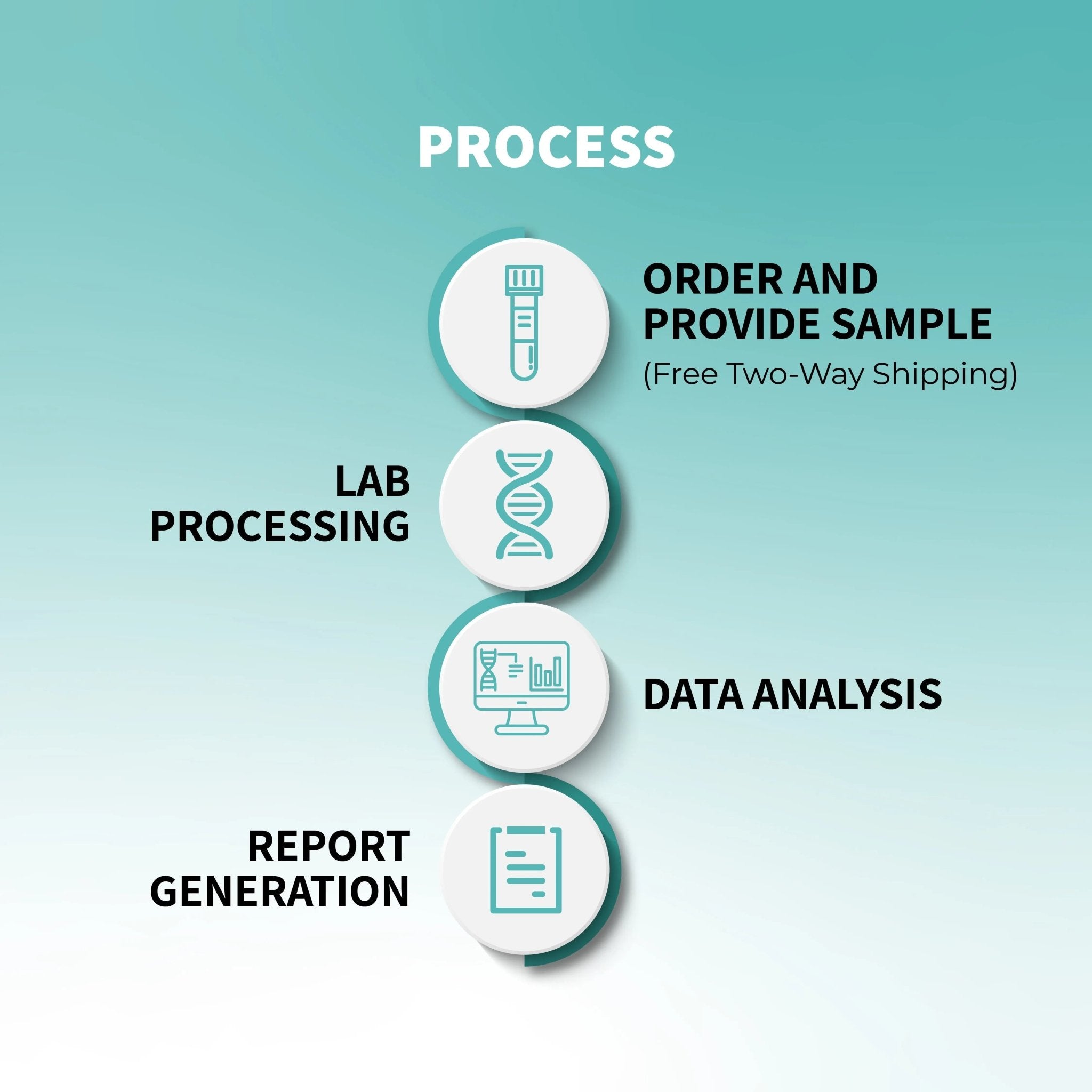
MapmyBiome by MapmyGenome uses shotgun metagenomics sequencing to reveal your exact gut microbiome composition and give you personalised diet, probiotic, and lifestyle recommendations — not generic advice.











1 মন্তব্য
Nice explanation, especially the food suggestions part. Adding yogurt, fruits, and whole grains actually seems doable in daily routine. I saw similar tips on StackUmbrella as well and it really helps when multiple sources say the same thing.