

Hypertension & Your Genes: How DNA Influences Blood Pressure Risk
Often dubbed the “silent killer,” hypertension (high blood pressure) affects more than one in three adults in India. Because it rarely presents obvious symptoms early on, millions of people walk around completely unaware that their blood vessels are under constant, damaging stress. Left unmanaged, hypertension is a primary gateway to coronary artery disease, ischaemic strokes, and chronic kidney failure.
While the conventional medical narrative heavily emphasises lifestyle culprits — such as a high-salt diet, sedentary habits, and chronic stress — clinical research tells a more complex story. Your lifestyle choices don’t act in a vacuum; they interact directly with your DNA.
The Polygenic Architecture of High Blood Pressure
Hypertension is rarely caused by a single “broken” gene. Instead, it is a polygenic trait, influenced by the combined effect of minor variations across dozens of different genes. These genetic variations control the fundamental physiological mechanisms that dictate how your body regulates fluid volume, constricts blood vessels, and handles metabolic stress.
Three Key Biological Pathways
1. The Renin-Angiotensin-Aldosterone System (RAAS)
The RAAS pathway is your body’s primary hormone system for regulating blood pressure and fluid balance. Key genes include:
AGT (Angiotensinogen): Certain variants cause overproduction of a protein that constricts blood vessels, leading to chronic vessel tightening
ACE (Angiotensin-Converting Enzyme): The famous ACE Insertion/Deletion (I/D) polymorphism significantly alters circulating ACE levels, predisposing individuals to higher baseline blood pressure
AGTR1: Regulates receptors that interact with Angiotensin II — hyperactivation forces blood vessels to stay narrowed, driving up pressure
2. Renal Sodium Handling and “Salt Sensitivity”
Your kidneys balance how much salt and water are excreted versus reabsorbed. Variations in the SCNN1B and SCNN1G genes can cause the kidneys to aggressively hoard sodium — pulling extra water into blood vessels, increasing blood volume and spiking pressure. Individuals with specific renal sodium-channel polymorphisms experience accelerated arterial stiffening when exposed to high dietary salt.
3. Vascular Tone and Endothelial Function
The inner lining of your blood vessels (the endothelium) produces nitric oxide, which tells blood vessels to relax and dilate. Genetic variants that reduce the efficiency of the NOS3 gene lead to a deficiency in nitric oxide — without enough of this natural relaxant, blood vessels remain rigid and hyper-reactive to stress.
Genes vs. Environment
Having a high genetic risk score for hypertension does not mean you are doomed to develop the condition. Rather, your genes define your threshold of vulnerability. A person with low genetic risk might eat a high-sodium diet for years with minimal blood pressure changes. Conversely, an individual carrying “salt-sensitive” variants may experience significant blood pressure spikes from the same diet. Understanding your genetic profile allows you to personalise your prevention strategy accordingly.
Know Your Hypertension & Cardiovascular Risk Genetically
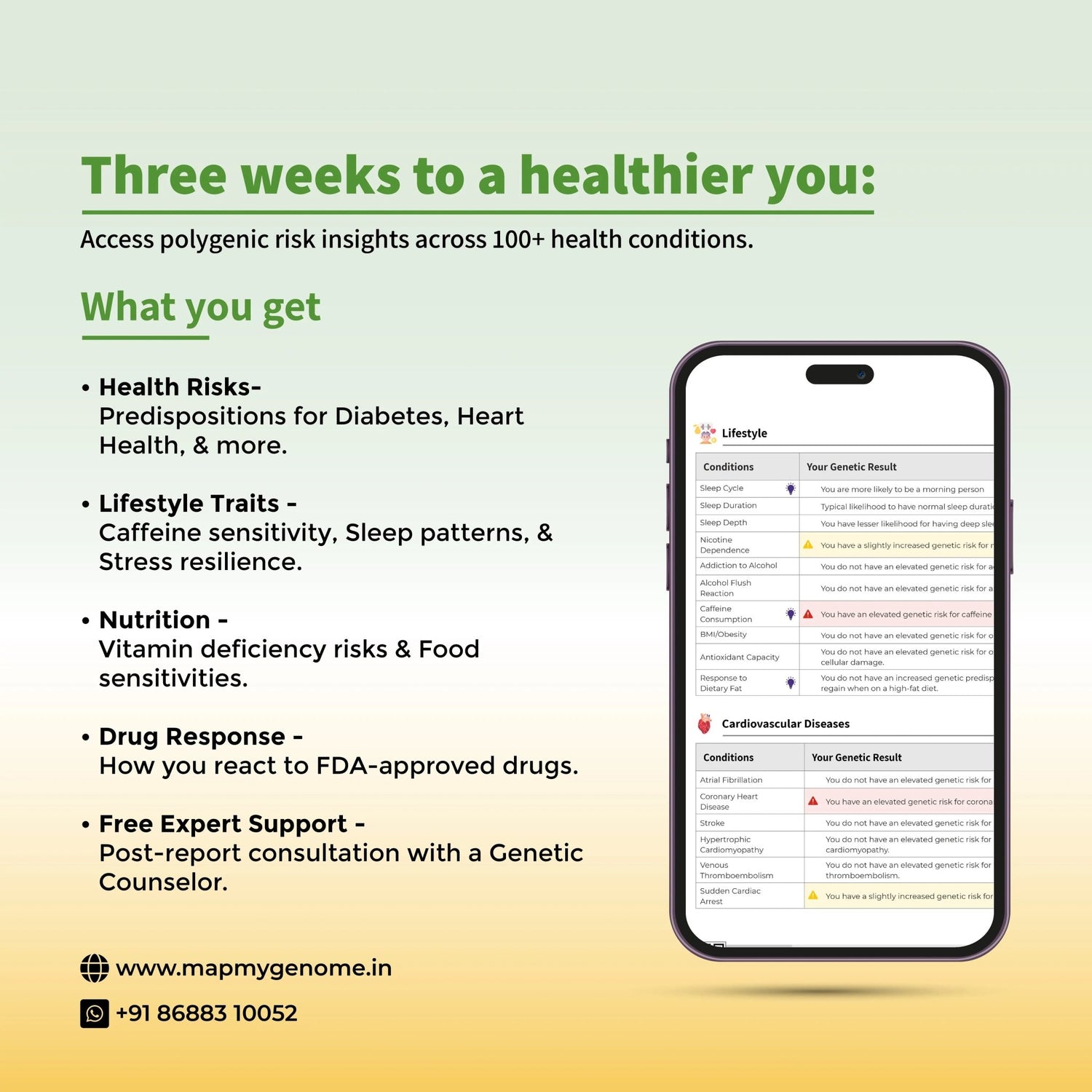
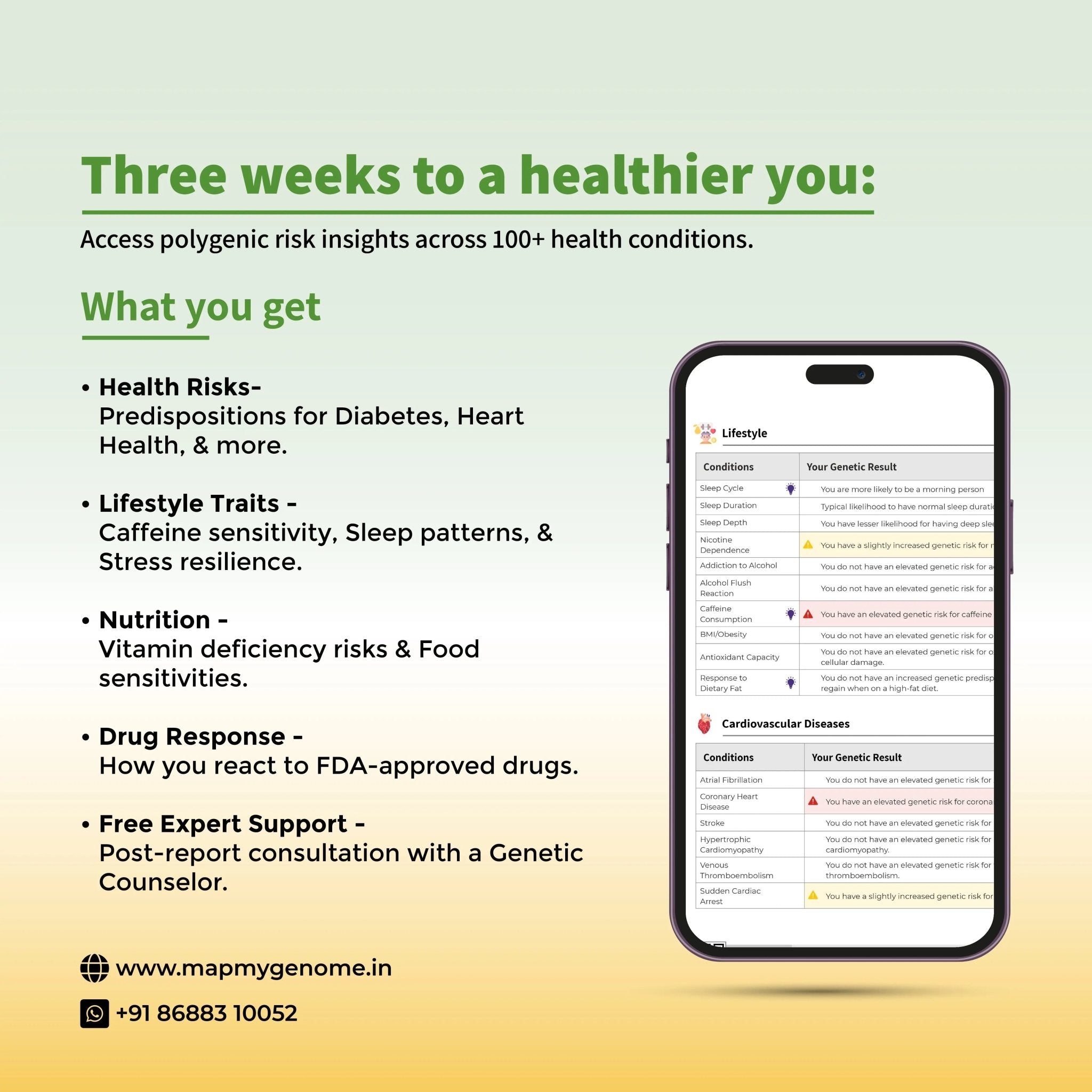
Genomepatri by MapmyGenome screens your genetic predisposition to hypertension, heart disease, salt sensitivity, and related cardiovascular conditions — helping you personalise your diet, lifestyle, and treatment before blood pressure becomes a crisis.