

No Diet = Good Diet!
So which diet is wrong and which one is right? Why can’t I have French fries? How is it different for you and me?
Diet constitutes 70% of your health plan. Direct most of your efforts towards what you eat and get in enough activity on most days — and you are on the right track. But “I’ll eat a salad because it has fewer calories” is simply no longer good enough. The understanding of proper eating and fitness matters because they are crucial factors behind the diet one plans.
Factors That Determine Your Ideal Diet
Age: Calorie needs peak at about age 25 and then decline by about 2% every 10 years. The ageing body replaces muscle with fat, which burns fewer calories. Staying active and doing muscle-strengthening exercises keeps muscle mass intact
Your DNA: The metabolic rate you inherit from your family partly determines the number of calories your body needs to function. Inherited metabolic conditions — especially those affecting your thyroid — can cause you to burn calories very quickly or very slowly
Your workout routine: When you’re active, you burn calories. The kind of exercise you choose, and how long and intensely you do it, determines exactly how many calories you burn. Some workouts even help your body burn calories after you stop exercising (the “afterburn”)
Your metabolism: Your Basal Metabolic Rate (BMR) is the minimum number of calories your body needs to maintain vital functions like breathing and keeping your heart beating
“Diets, like clothes, should be tailored to you.” — Joan Rivers
Food Is Fuel, Not Therapy
Sometimes people use food to cope with stressors — this can result in unhealthy eating behaviours. Cognitive Behaviour Therapy is an effective approach to rewiring thought patterns. Reaching out to a therapist or a good friend rather than comfort food will go a long way in creating and maintaining a healthy relationship with food.
Moral of the Story
Wellness is a balance of nutrition, exercise, and psyche. Be the best version of yourself by remembering: “You cannot out-exercise a bad diet!” A diet is just what you eat — it’s not a monster that tells you what not to eat.
What Does Your DNA Say About Your Diet?
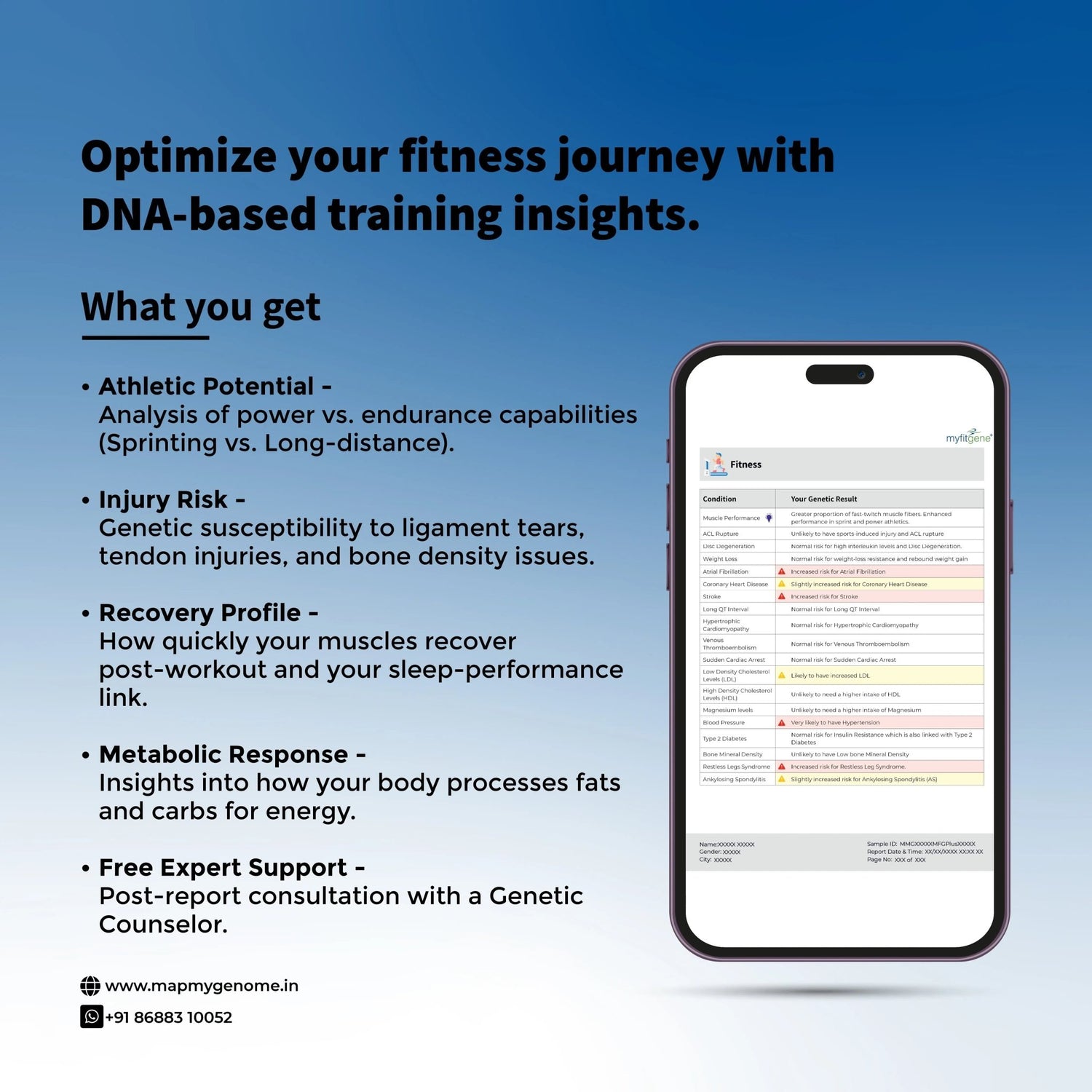
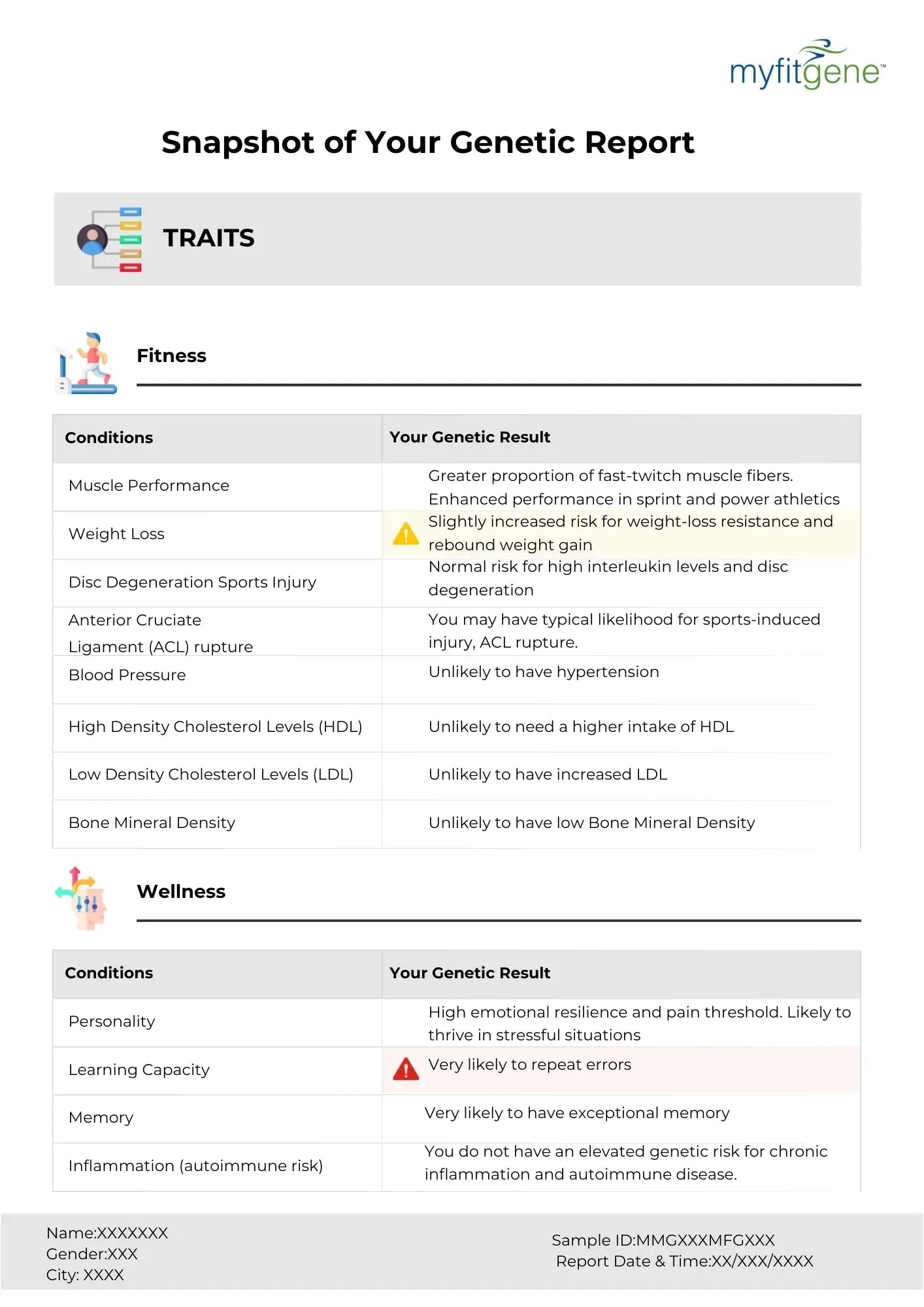
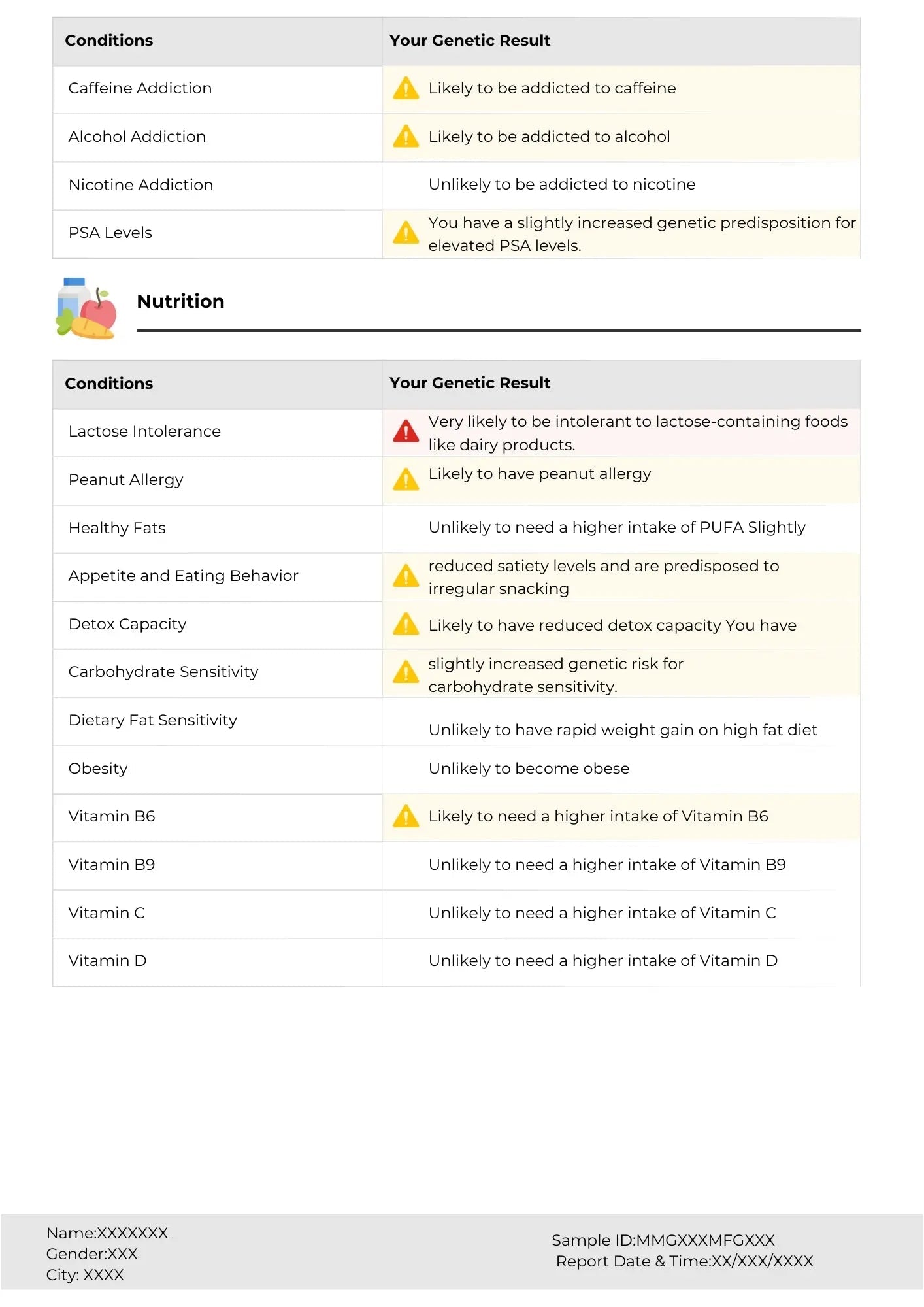
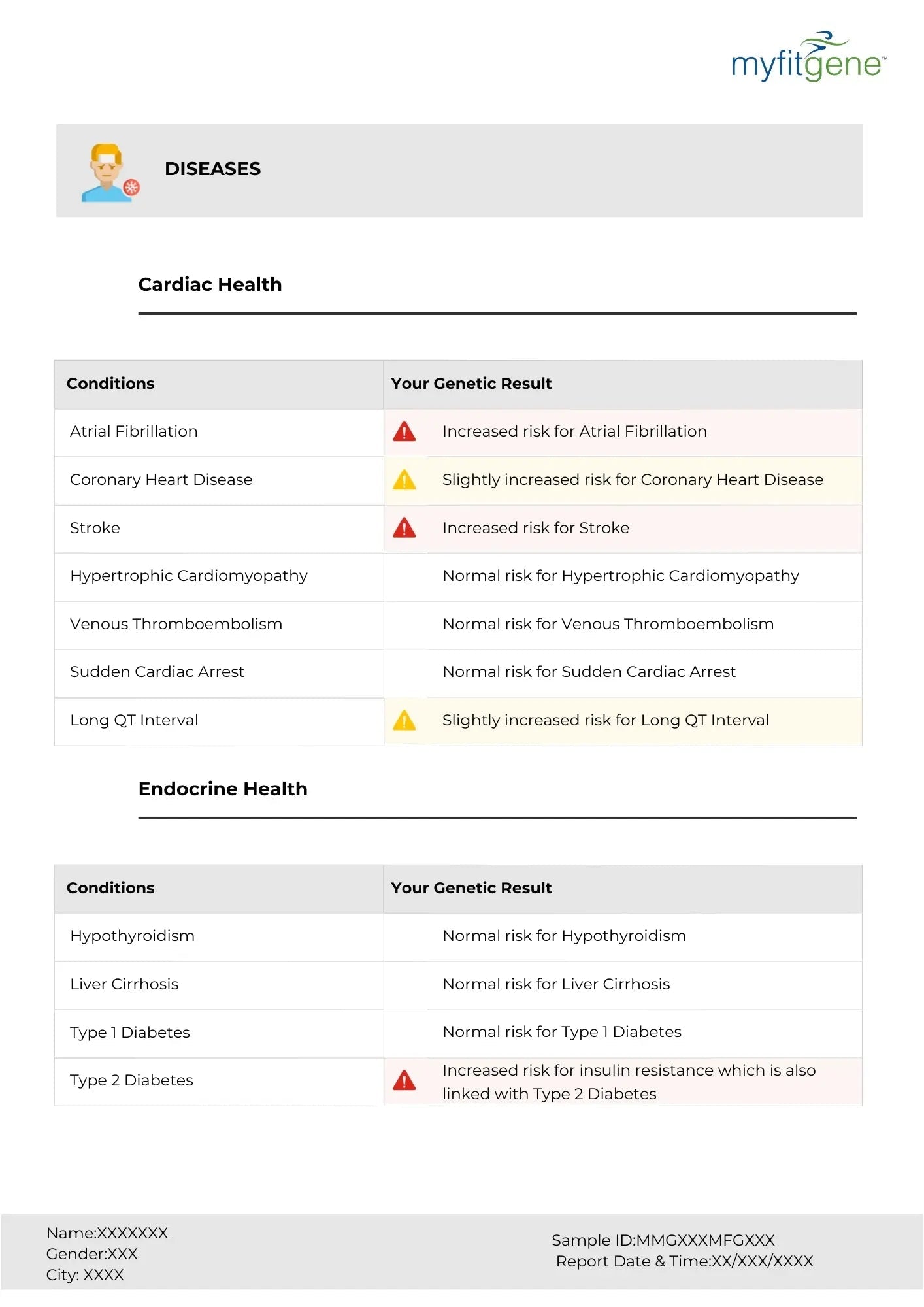
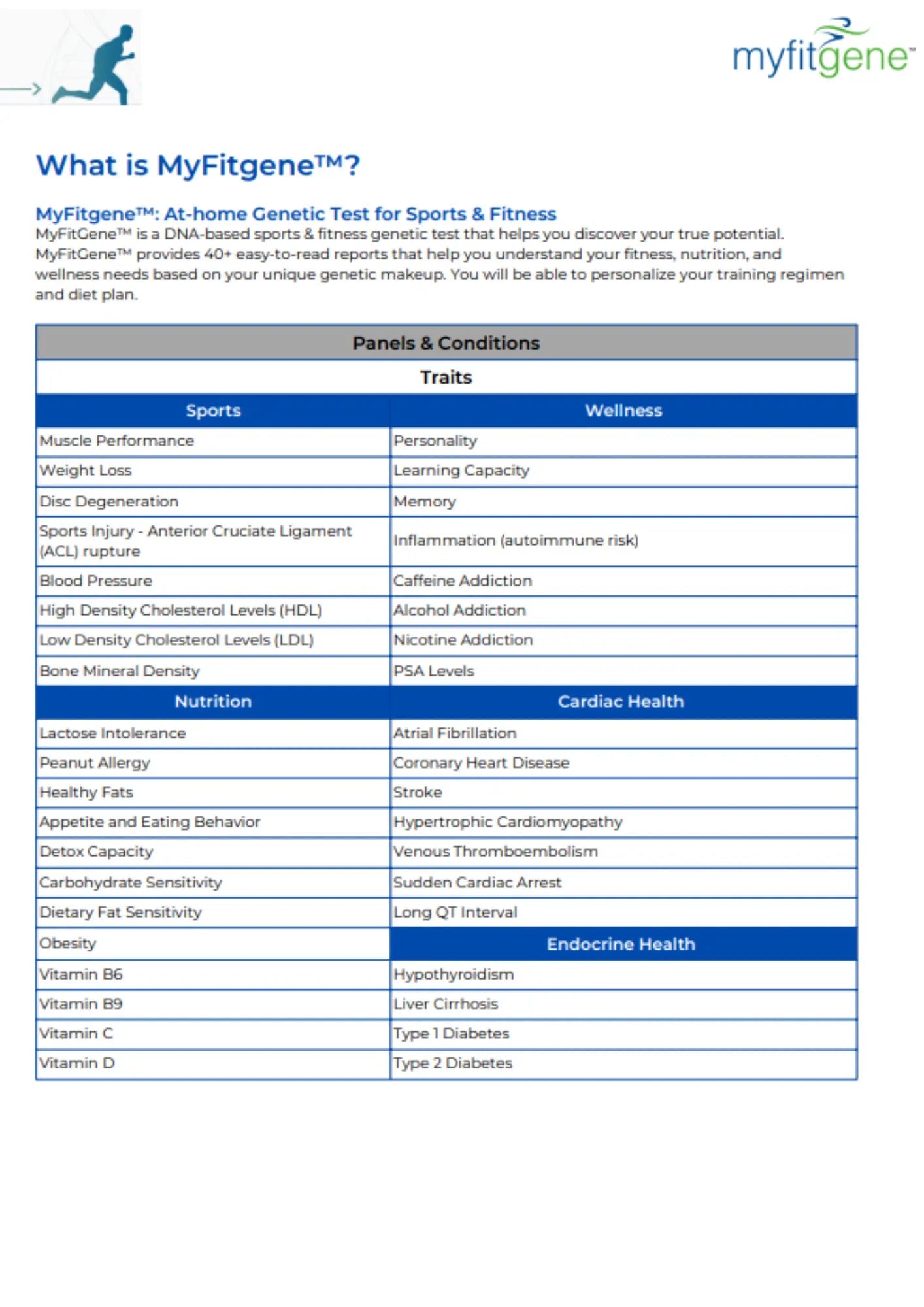
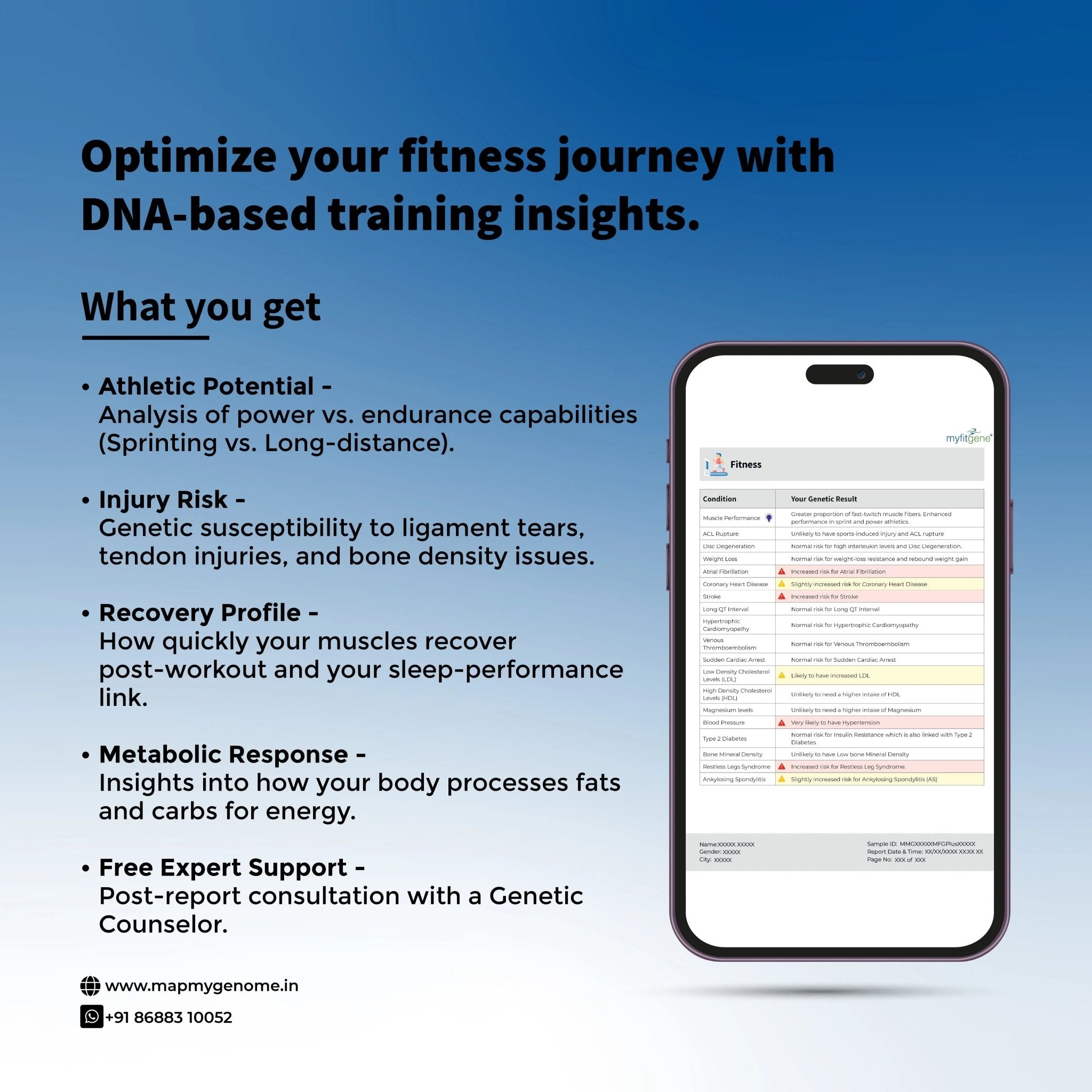
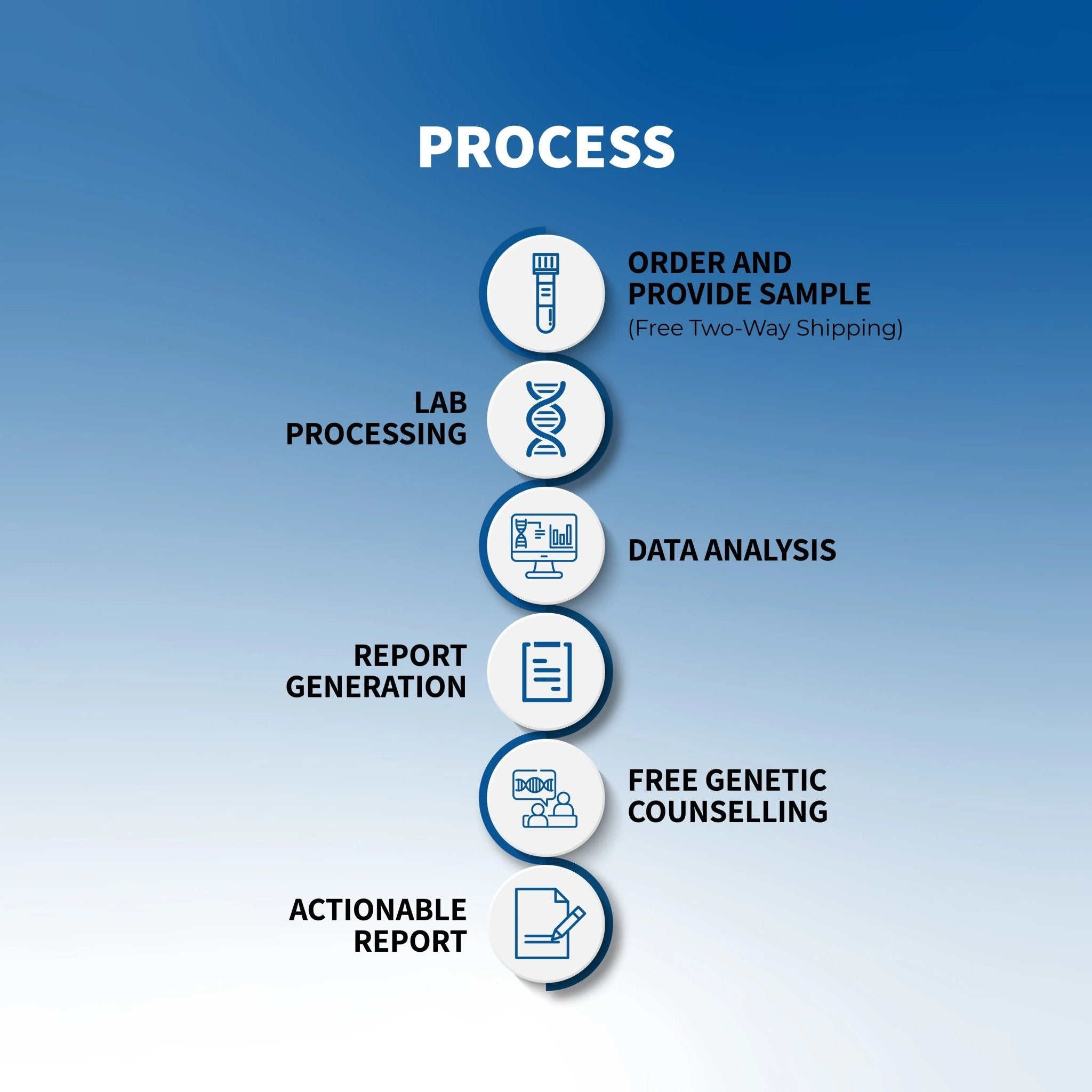
Genomepatri by MapmyGenome analyses your nutrigenomic profile — carbohydrate sensitivity, fat metabolism, vitamin absorption, eating behaviour, and more — giving you the genetic foundation for a diet that’s truly tailored to you.