

The ancient proverb "one man's meat is another man's poison" has never been more scientifically validated than it is today. We now know that individual responses to food vary enormously — and that genetics is a major reason why. The same meal can have dramatically different metabolic effects in different people, and understanding your genetic nutritional profile is the key to eating in a way that truly works for your body.
Why We Respond Differently to Food
The variation in how people respond to the same foods is striking. In landmark studies of personalized nutrition, researchers found that blood glucose responses to identical meals varied enormously between individuals — with some people showing large glucose spikes after eating bread while others showed minimal response, and vice versa for other foods. This variation was explained by a combination of gut microbiome composition, genetics, and other individual factors.
Key Genetic Differences in Food Response
Carbohydrate Metabolism
Variants in TCF7L2 — the strongest genetic risk factor for type 2 diabetes — affect insulin secretion and glucose metabolism. People with high-risk TCF7L2 variants show greater blood glucose elevation after carbohydrate consumption and benefit more from low-glycemic dietary approaches. AMY1 copy number variants affect salivary amylase production and starch digestion efficiency.
Fat Metabolism
APOE genotype is one of the most clinically important nutritional genetic variants. APOE4 carriers show significantly greater LDL cholesterol elevation in response to saturated fat intake — making a low saturated fat diet particularly important for them. APOE2 carriers may actually benefit from a higher fat diet in some contexts. PPARG variants influence fat storage and insulin sensitivity.
Lactose Tolerance
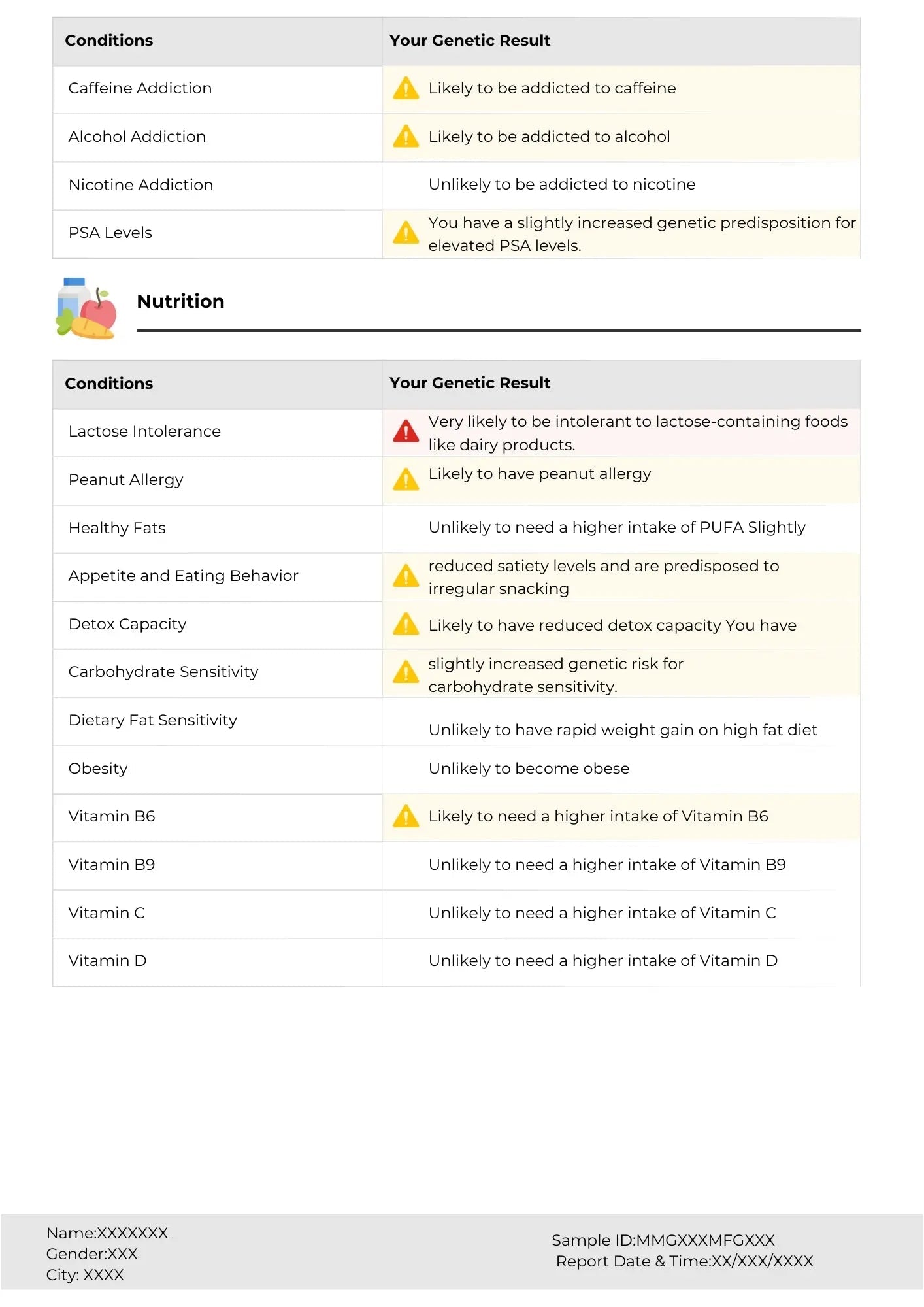
The LCT gene determines whether you produce lactase (the enzyme that digests lactose) into adulthood. Lactase persistence is common in Northern European populations but less common in South Asian populations — explaining why lactose intolerance is more prevalent in India. Knowing your LCT genotype explains why dairy causes digestive symptoms for some people but not others.
Caffeine Metabolism
CYP1A2 variants determine whether you're a fast or slow caffeine metabolizer. Fast metabolizers clear caffeine quickly and can consume it later in the day without sleep disruption. Slow metabolizers retain caffeine longer — meaning afternoon coffee can disrupt sleep and, in some studies, increase cardiovascular risk.
Bitter Taste Perception
TAS2R38 variants affect bitter taste perception. "Supertasters" with high bitter sensitivity find cruciferous vegetables (broccoli, Brussels sprouts, kale) intensely bitter and tend to avoid them — potentially missing out on their significant health benefits. Understanding this genetic trait can help explain food preferences and guide dietary counselling.
Gluten Sensitivity
HLA-DQ2 and HLA-DQ8 variants are necessary (though not sufficient) for coeliac disease. Approximately 30% of the population carries these variants, but only about 1% develops coeliac disease. Knowing your HLA status can help assess your risk of coeliac disease if you have symptoms.
Practical Implications
Understanding your genetic nutritional profile allows you to move beyond generic dietary advice to a truly personalized approach. Rather than following population-average guidelines that may not apply to your specific biology, you can prioritize the dietary changes most likely to benefit you based on your genetic predispositions.
FAQs
Can genetic testing replace a dietitian?
No. Genetic testing provides a framework for personalized nutrition — not a complete dietary prescription. A registered dietitian or nutritionist can help you translate genetic insights into practical, sustainable dietary recommendations tailored to your lifestyle and health goals.
Eat for Your Genes — Not the Population Average
Genomepatri and MyFitGene by MapmyGenome include nutrigenomic insights covering carbohydrate sensitivity, fat metabolism, lactose tolerance, caffeine metabolism, and vitamin absorption — giving you a personalized nutritional blueprint based on your actual DNA.