

Your DNA and Polyunsaturated Fatty Acids
Polyunsaturated fatty acids (PUFAs) — particularly omega-3 and omega-6 fatty acids — are essential fats that your body cannot produce on its own. They must come from your diet. But how efficiently you convert, absorb, and benefit from PUFAs depends significantly on your genetic makeup.
The Two Key PUFA Families
Omega-3 Fatty Acids
Found in fatty fish (EPA and DHA) and plant sources like flaxseed and walnuts (ALA). Omega-3s are anti-inflammatory, cardioprotective, and essential for brain development and function. EPA and DHA are the biologically active forms — ALA must be converted to EPA/DHA in the body.
Omega-6 Fatty Acids
Found in vegetable oils, nuts, and seeds. Essential in small amounts, but excess omega-6 relative to omega-3 promotes inflammation. The modern Indian diet has shifted toward a much higher omega-6:omega-3 ratio — a key driver of chronic inflammation and metabolic disease.
How Your Genes Influence PUFA Metabolism
FADS1 and FADS2 genes: Encode the desaturase enzymes that convert short-chain PUFAs (ALA, LA) to their longer-chain, biologically active forms (EPA, DHA, AA). Common variants in these genes significantly reduce conversion efficiency — meaning some people need to consume pre-formed EPA and DHA directly from fish or supplements, rather than relying on plant-based ALA conversion.
APOE gene: Influences how dietary fats affect your cholesterol levels and cardiovascular risk. APOE4 carriers are more sensitive to saturated fat and may benefit more from omega-3 supplementation.
PPARG: Regulates fat storage and metabolism; variants influence how your body responds to dietary fat composition.
Practical Implications
If you carry FADS1/2 variants with reduced conversion efficiency, plant-based omega-3s (flaxseed, walnuts) may not be sufficient — you may need direct EPA/DHA from fatty fish or algae-based supplements
Aim for an omega-6:omega-3 ratio of 4:1 or lower (the typical Indian diet is 15–20:1)
Reduce refined vegetable oils (sunflower, corn) and increase fatty fish, flaxseed, and walnuts
Discover Your Personalised Fat Metabolism Profile
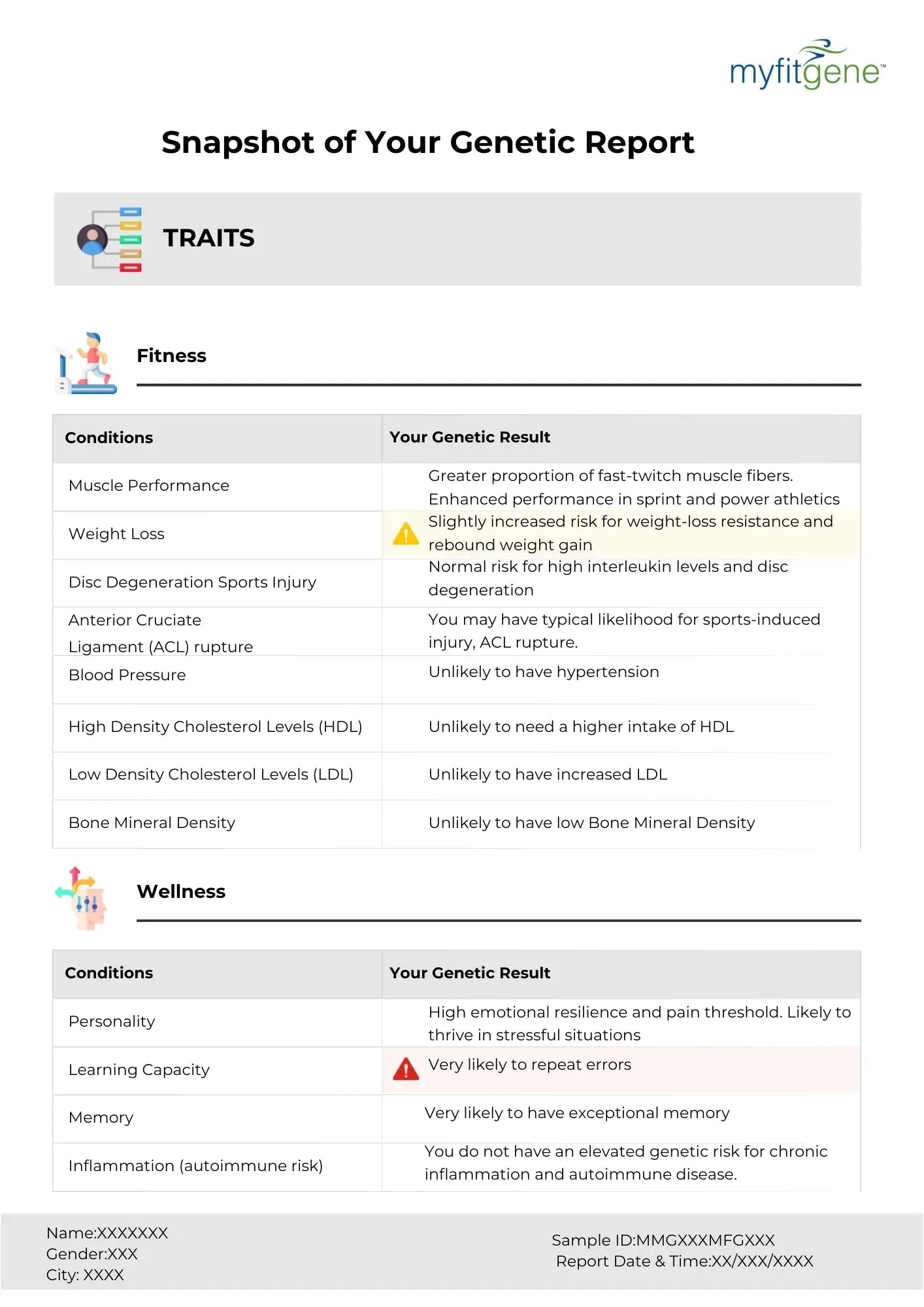
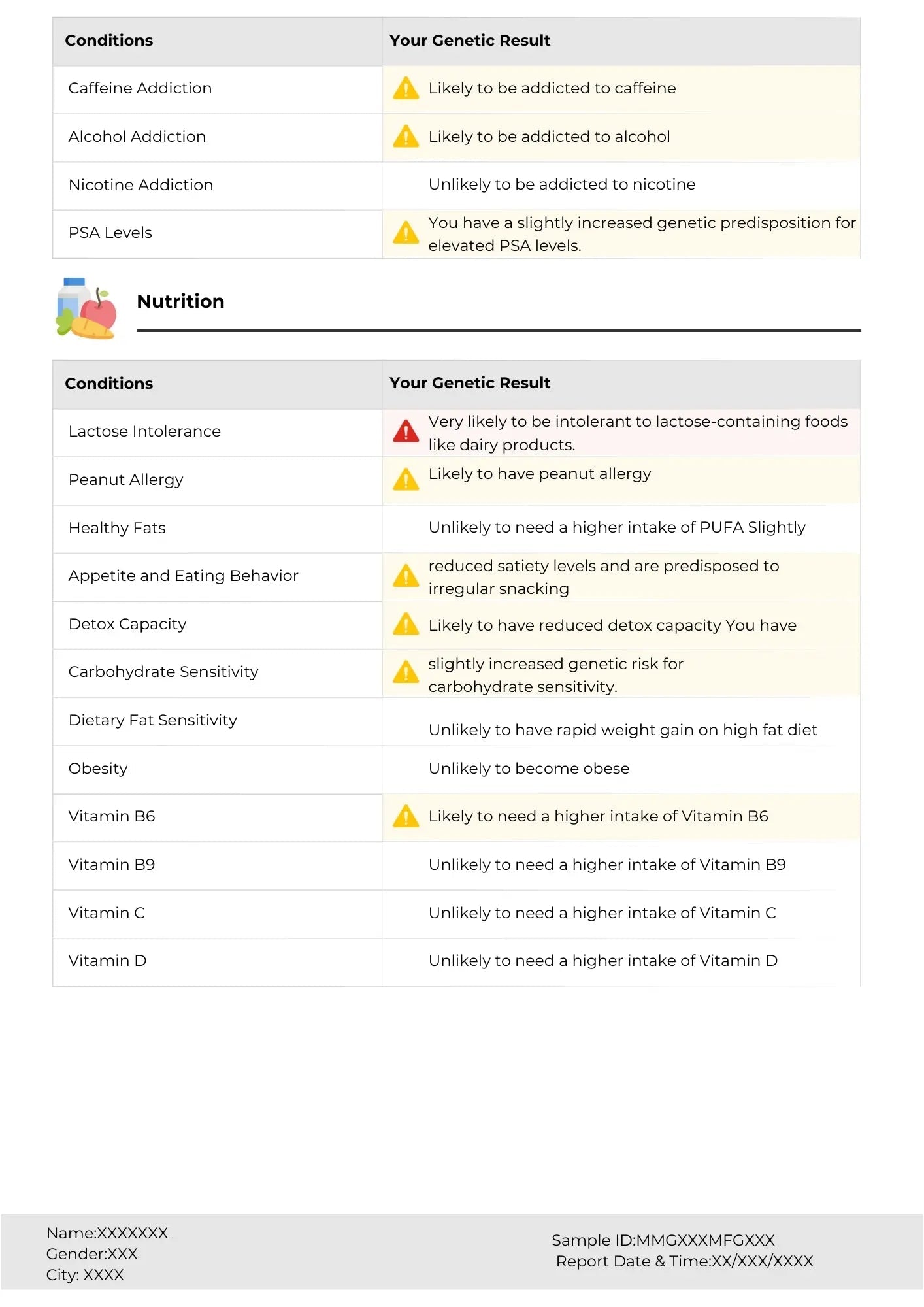
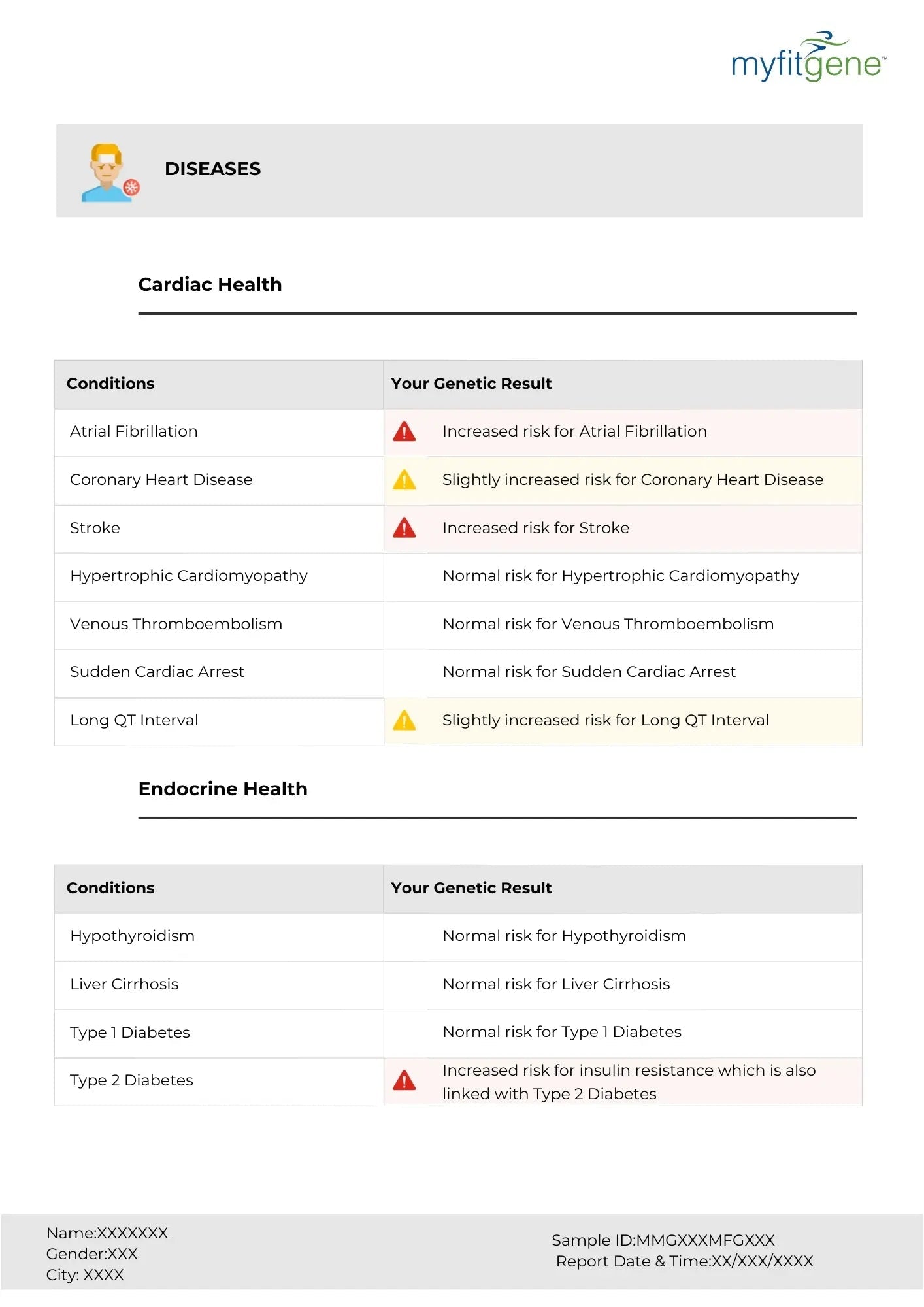
Genomepatri by MapmyGenome analyses your FADS1, FADS2, APOE, and other fat metabolism gene variants — revealing your optimal omega-3 intake strategy and personalised dietary fat recommendations.