

Healthcare has traditionally been reactive — we wait for symptoms to appear, then seek diagnosis and treatment. But what if you could identify your health risks years or even decades before symptoms develop, and take targeted action to prevent or delay disease? This is the promise of predictive genetic testing — and it's increasingly becoming a reality.
Predictive genetic testing analyzes your DNA to identify variants associated with an elevated risk of developing specific health conditions. It doesn't predict the future with certainty, but it provides a powerful, personalized risk map that can guide smarter health decisions throughout your life.
What Is Predictive Genetic Testing?
Predictive genetic testing (also called presymptomatic genetic testing) examines your DNA for variants that are associated with an increased risk of developing conditions that have not yet manifested. It is distinct from:
- Diagnostic genetic testing — Used to confirm or rule out a suspected condition in someone already showing symptoms
- Carrier testing — Identifies whether you carry a gene variant that could be passed to your children
- Pharmacogenomic testing — Determines how your genes affect your response to medications
Predictive testing is most powerful when used proactively — before disease develops — to guide prevention, lifestyle modification, and targeted screening.
What Conditions Can Predictive Genetic Testing Identify Risk For?
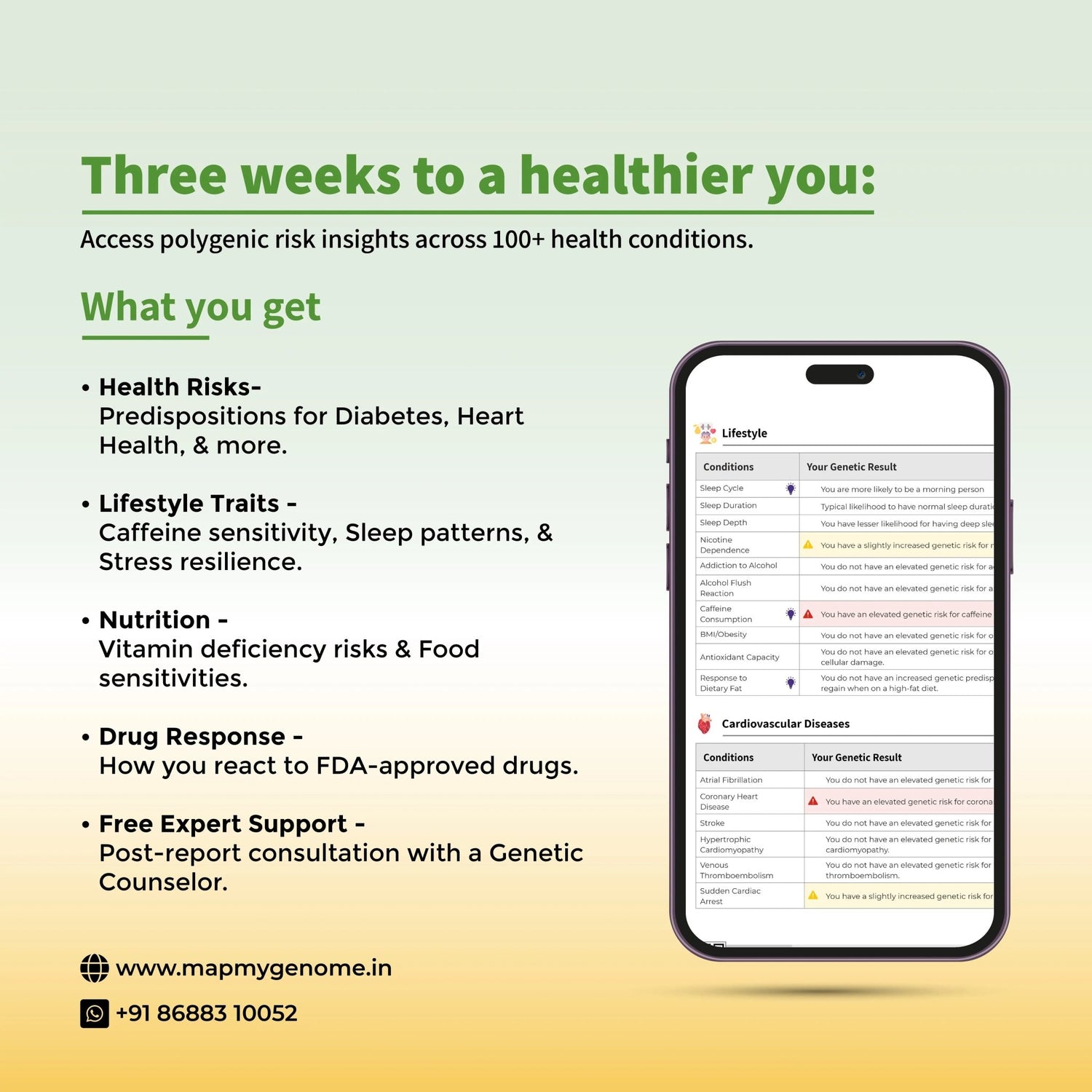
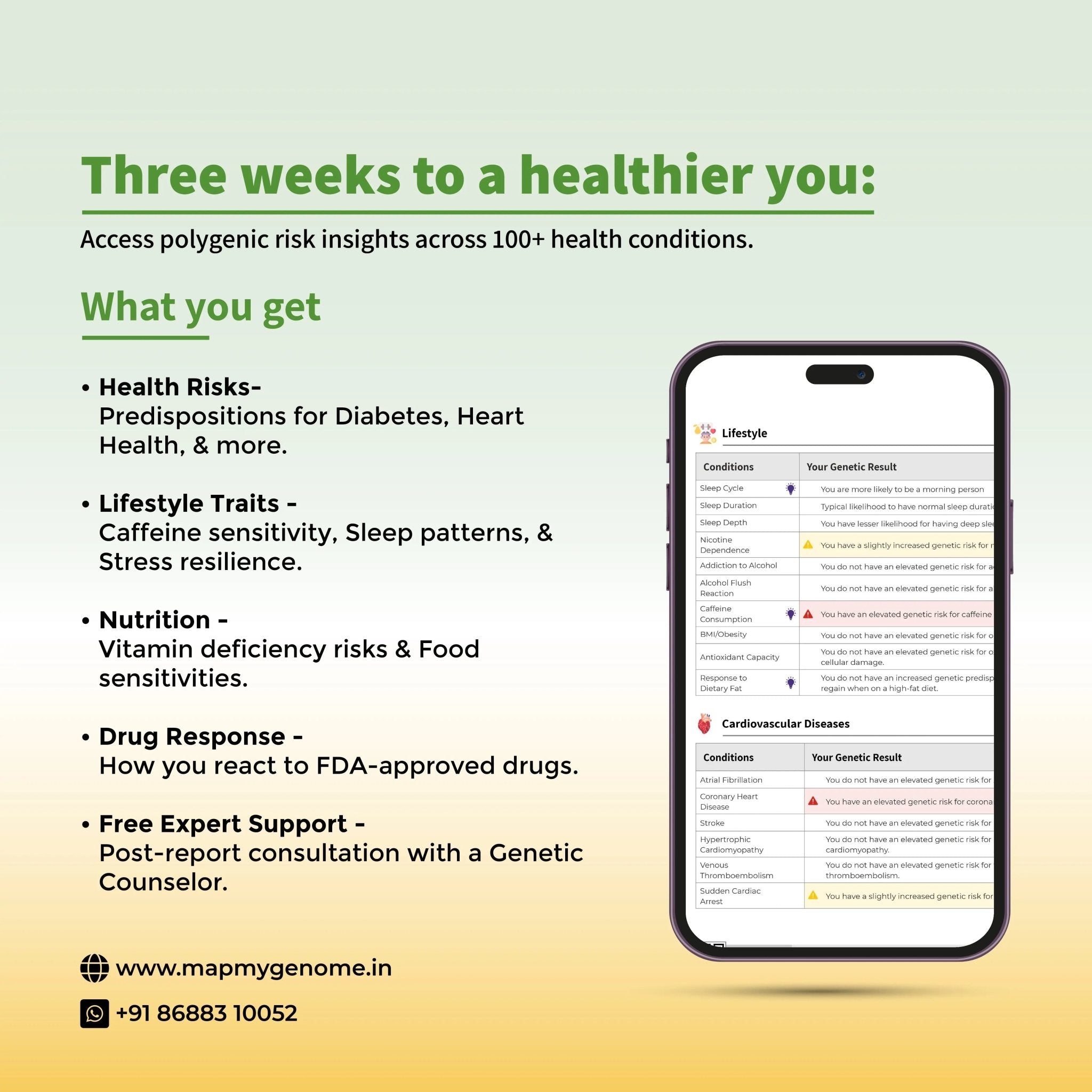
Predictive genetic testing can provide risk insights for a wide range of conditions, including:
- Cardiovascular disease — Coronary artery disease, hypertension, familial hypercholesterolaemia
- Type 2 diabetes and metabolic syndrome
- Cancer — Breast (BRCA1/2), colorectal (Lynch syndrome), prostate, ovarian
- Neurological conditions — Alzheimer's disease (APOE4), Parkinson's disease
- Autoimmune conditions — Rheumatoid arthritis, lupus, celiac disease
- Hereditary conditions — Thalassemia, sickle cell anaemia, cystic fibrosis (carrier status)
- Metabolic conditions — Obesity predisposition, vitamin deficiencies, food intolerances
How Predictive Genetic Testing Works
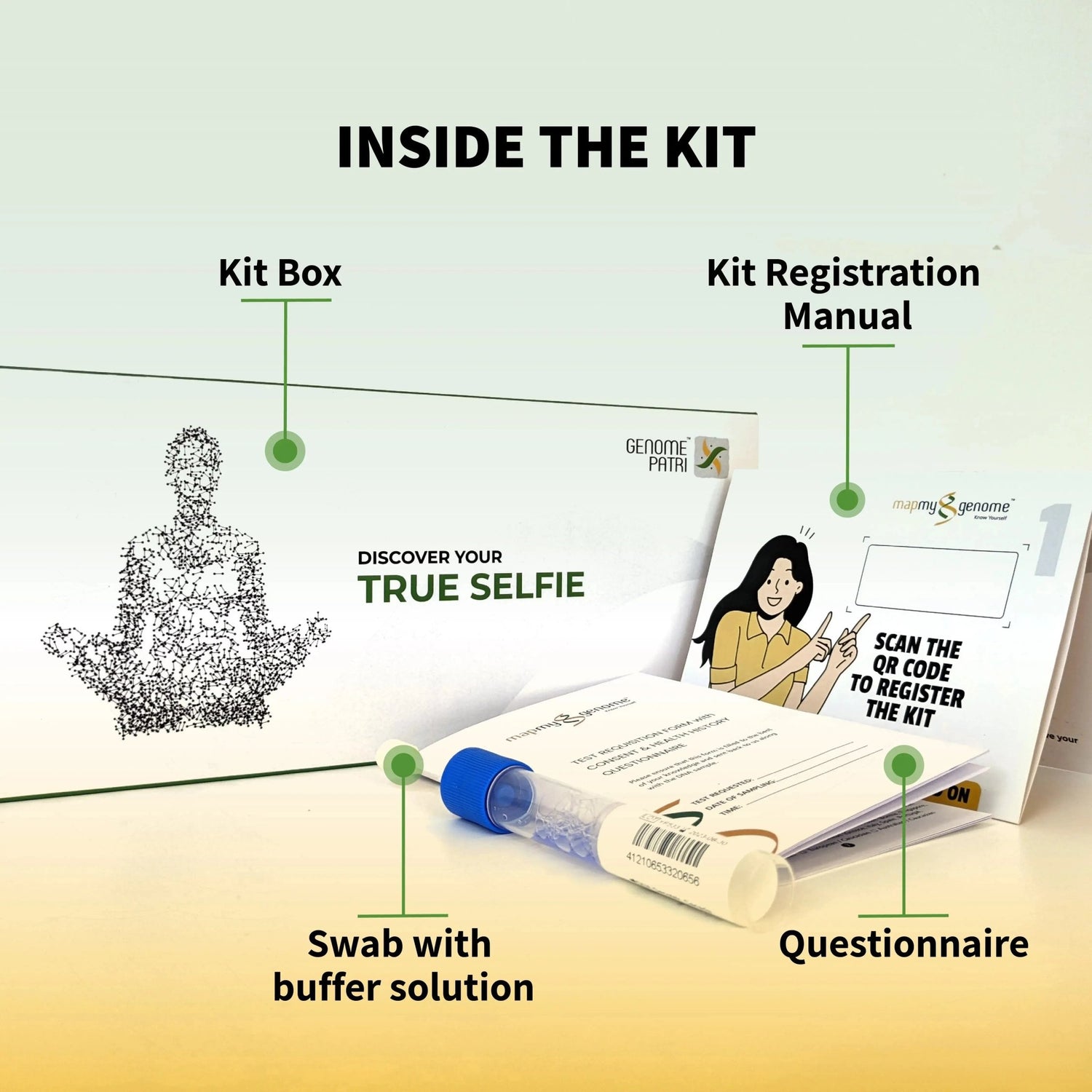
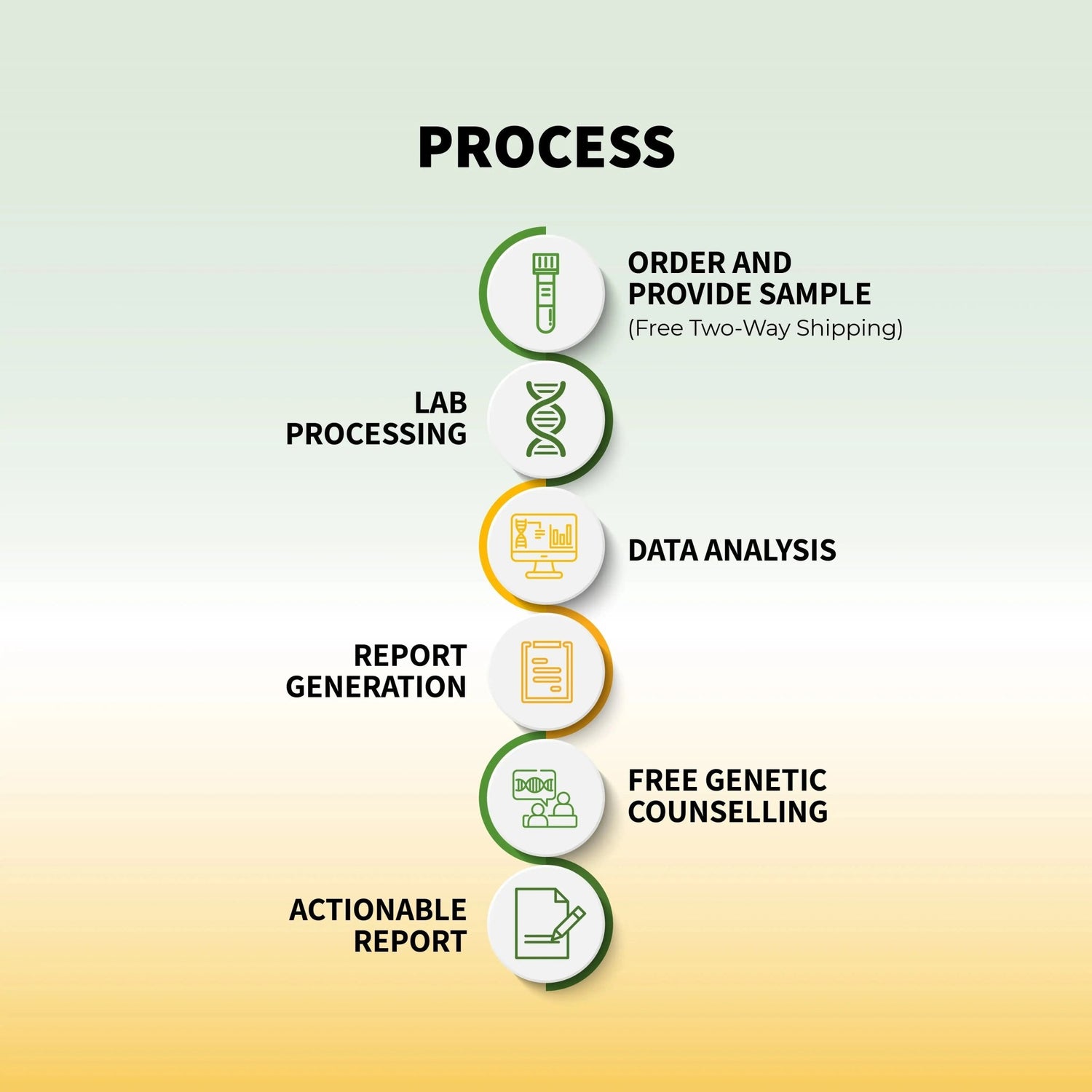
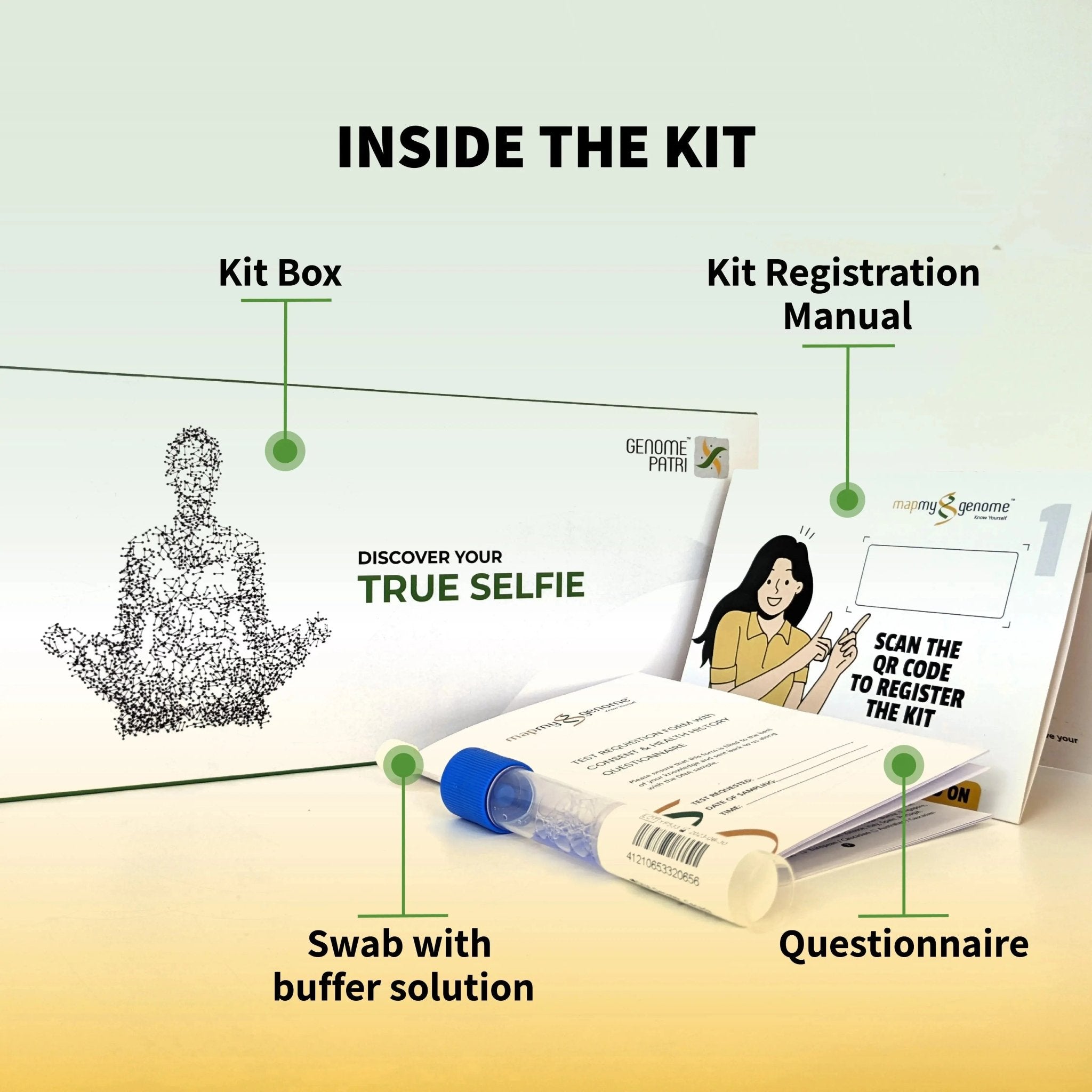
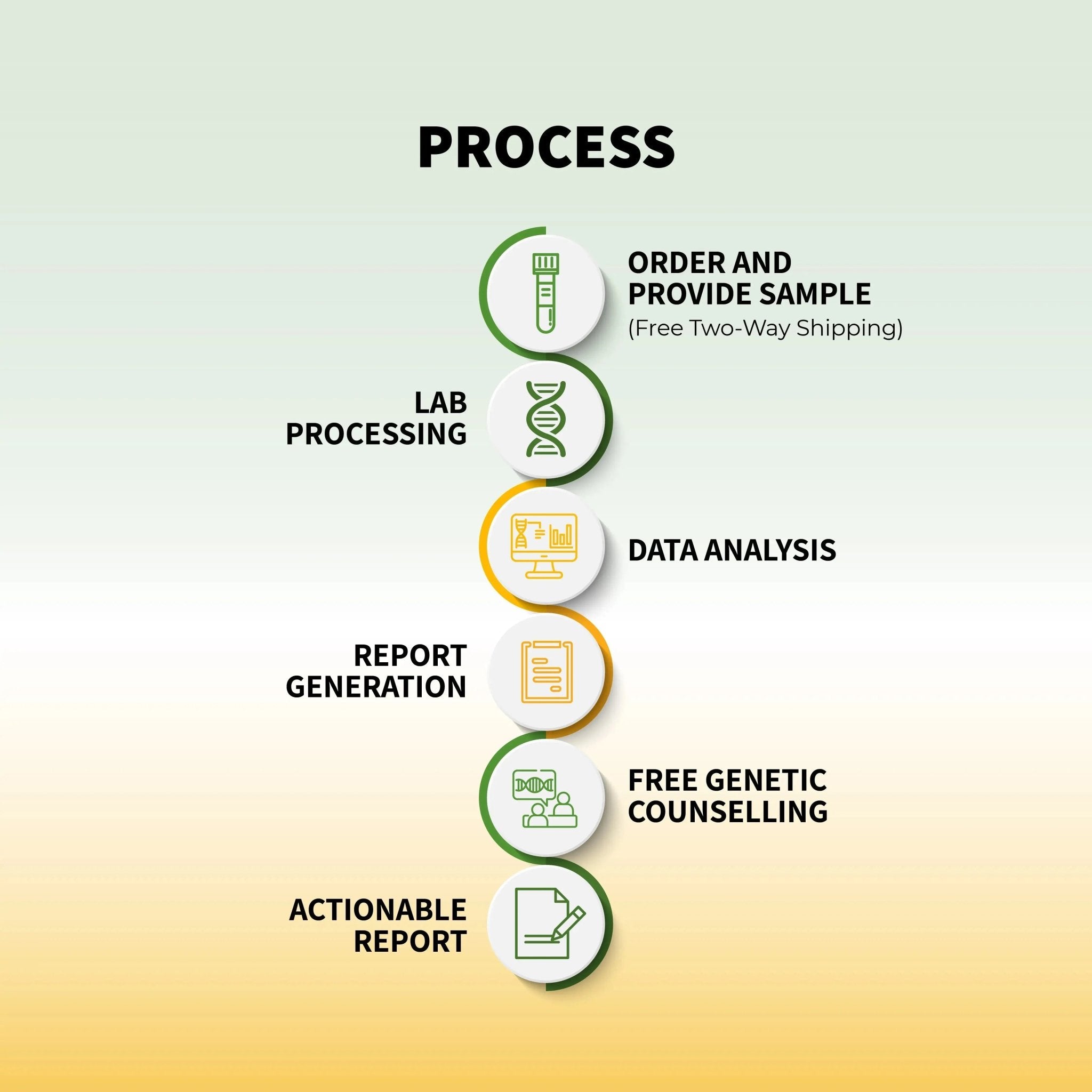
- Sample collection — A simple saliva sample collected at home (or blood in a clinical setting)
- Genotyping or sequencing — Your DNA is analyzed in a certified laboratory to identify genetic variants across hundreds of thousands of positions in your genome
- Risk calculation — Your variants are compared against large population databases and peer-reviewed research to calculate your relative risk for specific conditions
- Report generation — Results are presented as risk categories (elevated, average, reduced) with explanations of the relevant genes and variants
- Genetic counselling — A trained genetic counsellor helps you interpret your results, understand their implications, and develop an appropriate action plan
The Proactive Steps: What to Do with Your Results
For Elevated Cardiovascular Risk
- Adopt a heart-healthy diet (Mediterranean or DASH approach)
- Prioritize regular aerobic exercise (150+ minutes per week)
- Monitor blood pressure, cholesterol, and blood sugar more frequently
- Discuss preventive medications (statins, aspirin) with your doctor if appropriate
- Quit smoking and limit alcohol
For Elevated Diabetes Risk
- Reduce refined carbohydrate and sugar intake
- Prioritize strength training and aerobic exercise to improve insulin sensitivity
- Monitor fasting blood sugar and HbA1c annually (or more frequently)
- Maintain a healthy weight — even modest weight loss significantly reduces diabetes risk
For Elevated Cancer Risk
- Discuss more frequent or earlier screening with your doctor (e.g., mammograms from age 30 for BRCA carriers)
- Consider preventive medications or procedures where evidence supports them
- Inform first-degree relatives so they can consider testing
- Adopt lifestyle factors that reduce cancer risk (healthy weight, limited alcohol, no smoking, regular exercise)
For Elevated Neurological Risk
- Prioritize brain-protective lifestyle habits: regular aerobic exercise, cognitive engagement, quality sleep, social connection
- Manage cardiovascular risk factors (which also protect brain health)
- Consider more frequent cognitive assessments as you age
The Importance of Genetic Counselling
Predictive genetic testing results can be emotionally complex — particularly for high-penetrance conditions like BRCA mutations or APOE4. Genetic counselling is an essential component of responsible predictive testing. A trained genetic counsellor can:
- Help you understand what your results do and don't mean
- Contextualize your risk within your full health picture
- Discuss the implications for family members
- Support you in making informed decisions about next steps
- Provide emotional support for difficult results
Who Should Consider Predictive Genetic Testing?
- Anyone with a family history of chronic disease (heart disease, cancer, diabetes, neurological conditions)
- People who want a personalized, proactive approach to their health
- Couples planning to start a family (carrier screening)
- Individuals taking multiple medications who want to optimize drug response
- Anyone interested in understanding their biological aging rate and longevity risks
- Health-conscious individuals who want to move beyond generic wellness advice
FAQs About Predictive Genetic Testing
Is predictive genetic testing the same as a diagnosis?
No. Predictive testing identifies risk — not disease. A positive result means elevated probability, not certainty. Clinical diagnosis requires evaluation by a qualified healthcare professional.
What if my results show high risk for a serious condition?
A high-risk result is not a sentence — it's an opportunity. With the right lifestyle changes, screening, and medical guidance, many people with high genetic risk never develop the condition. Work with a genetic counsellor and your doctor to create a personalized prevention plan.
Should I share my results with family members?
Genetic risk is shared within families. If you carry a significant risk variant, first-degree relatives (parents, siblings, children) may also carry it and benefit from testing. A genetic counsellor can help you navigate these conversations.
Conclusion: The Future of Health Is Proactive and Personal
Predictive genetic testing represents a fundamental shift in how we approach health — from waiting for disease to preventing it. By understanding your genetic risk profile, you gain the information to make smarter, more targeted choices about diet, exercise, screening, and medical care. The earlier you know, the more time and options you have to act. Your DNA is not your destiny — but it is one of the most powerful guides to a healthier future.
🧬 Start Your Predictive Health Journey Today
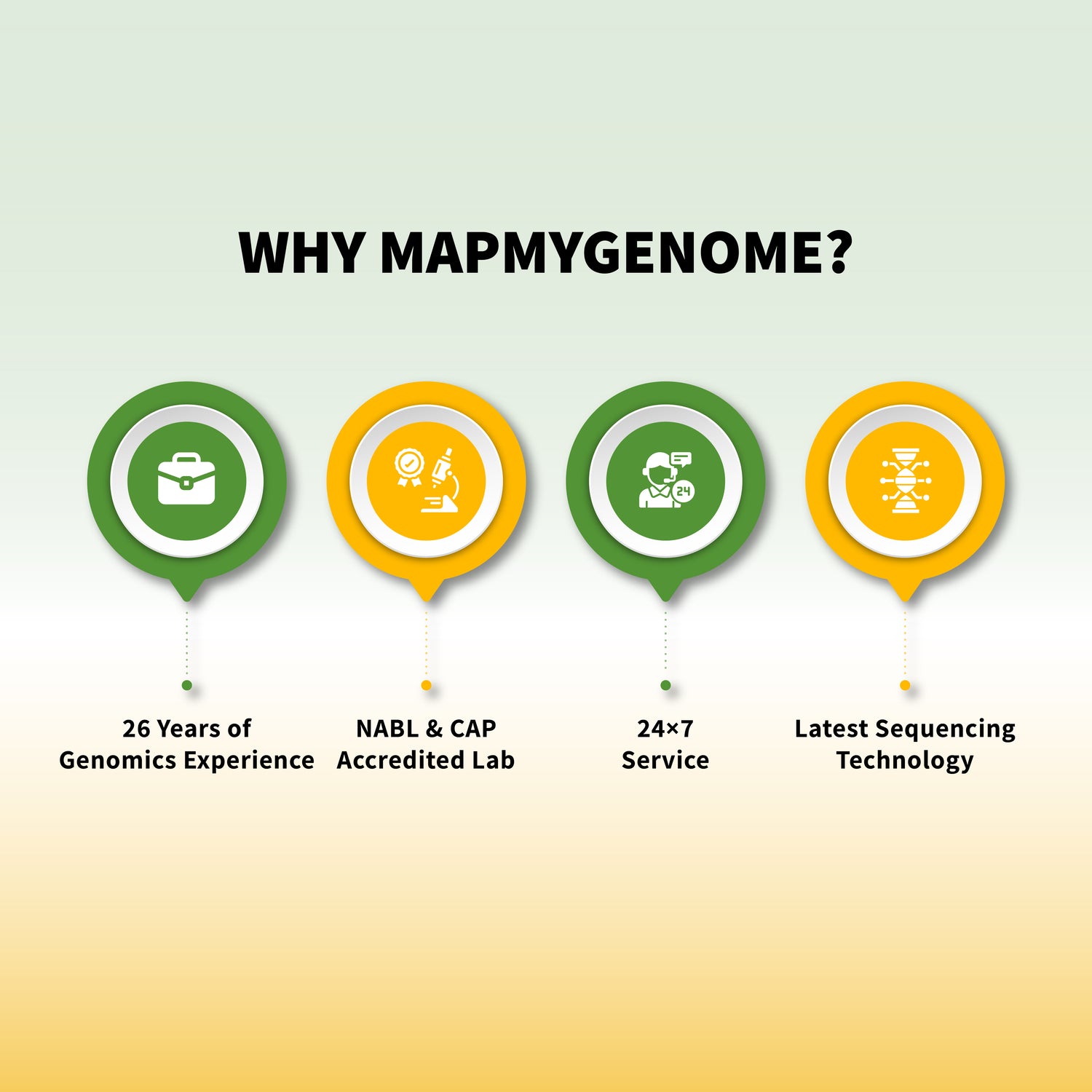
Genomepatri by MapmyGenome is India's most comprehensive predictive DNA wellness test — covering 100+ health traits including disease risk, nutrition, metabolism, fitness, and drug response. Every report includes access to certified genetic counselling to help you understand your results and build a personalized action plan.
⭐⭐⭐⭐⭐ Rated 4.97/5 by 143+ customers
→ Order Genomepatri — India's #1 At-Home DNA Wellness Test (₹7,999)
Not sure which test is right for you? Book a genetic counselling session for personalized guidance from one of MapmyGenome's specialists.