

Sometimes It’s Okay If the Only Thing You Did Today Was Breathe — World Pneumonia Day
In 2009, the Stop Pneumonia Initiative designated November 12 as World Pneumonia Day — to raise awareness about pneumonia, a leading killer of children, and to advocate for global action to protect, prevent, and effectively treat this deadly illness.
Pneumonia killed 740,180 children under the age of 5 in 2019 — accounting for 14% of all deaths of children under five, and 22% of all deaths in children aged 1 to 5. This is greater than the number of deaths from any single infectious disease, including HIV, malaria, or tuberculosis. Deaths are highest in South Asia and sub-Saharan Africa.
What Is Pneumonia?
Pneumonia is an acute respiratory infection that affects one or both lungs. It causes the air sacs (alveoli) to fill up with fluid or pus, causing cough with phlegm or pus, fever, chills, and difficulty breathing.
Causes
Viruses, bacteria, and fungi can all cause pneumonia. Common causes include:
Influenza viruses
Respiratory syncytial virus (RSV)
SARS-CoV-2 (COVID-19)
Streptococcus pneumoniae (pneumococcus)
Mycoplasma pneumoniae (especially in children)
Symptoms
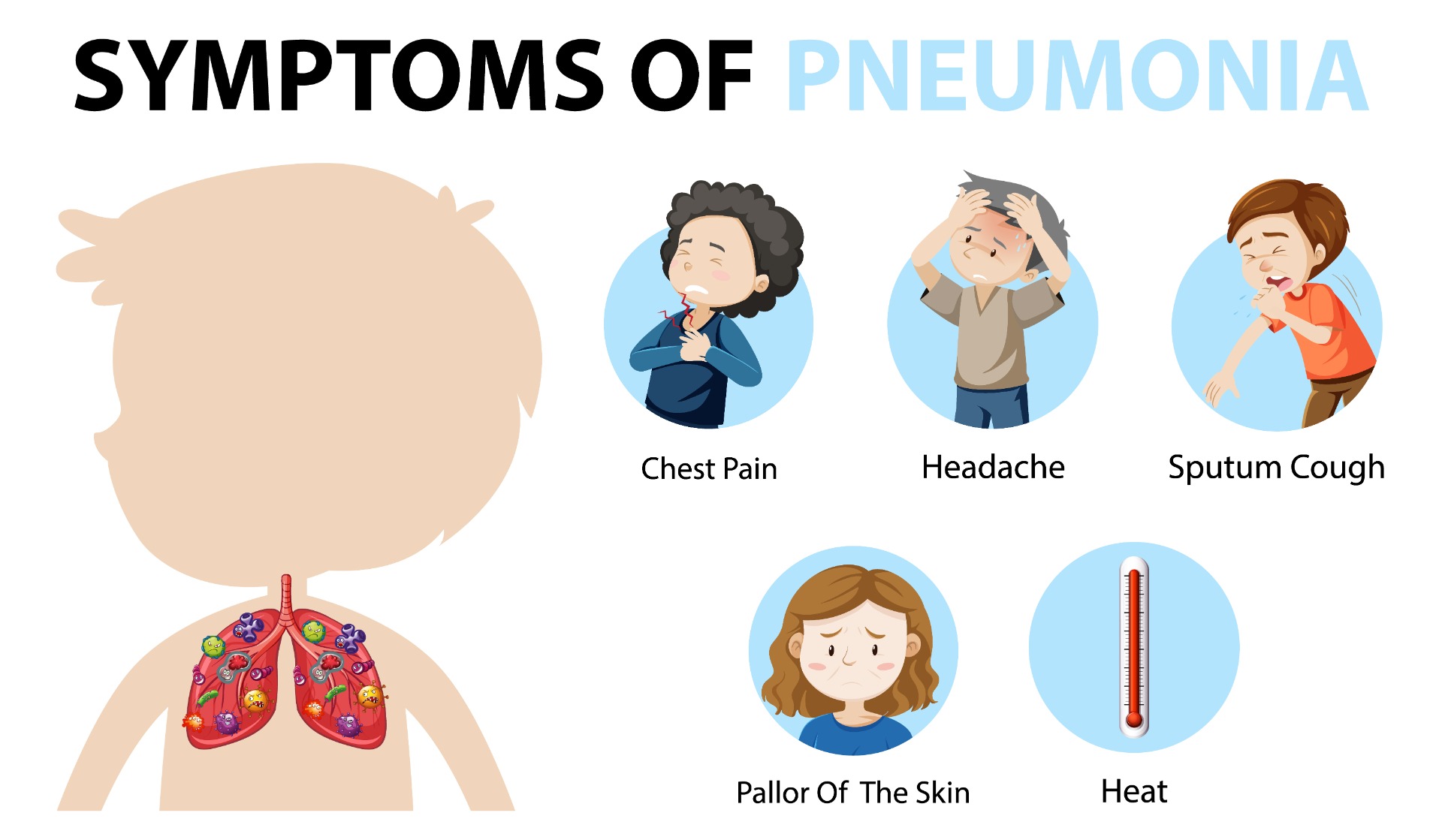
Chest pain when breathing or coughing
Cough, which may produce phlegm
Fever, sweating, and shaking chills
Fatigue
Shortness of breath
Nausea, vomiting, or diarrhoea
Confusion or changes in mental awareness (in adults aged 65 and older)
Diagnosis
Diagnosis is based on health history and the extent of illness, confirmed by chest X-ray, blood tests, sputum culture, pulse oximetry, chest CT scan, bronchoscopy, or pleural fluid culture.
Treatment
Treatment depends on the type of pneumonia, age, and underlying health conditions. Mild pneumonia can be treated at home with anti-bacterial, antiviral, or anti-fungal medicines as prescribed. Serious pneumonia requires hospitalisation with IV antibiotics, fluids, and oxygen therapy. Critical cases may require ventilator support.
Prevention
Wash hands regularly
Clean and disinfect frequently touched surfaces
Cough or sneeze into a tissue or your elbow
Limit contact with cigarette smoke or quit smoking
Take good care of underlying conditions (asthma, diabetes, heart disease)
Ensure children receive pneumococcal and influenza vaccinations
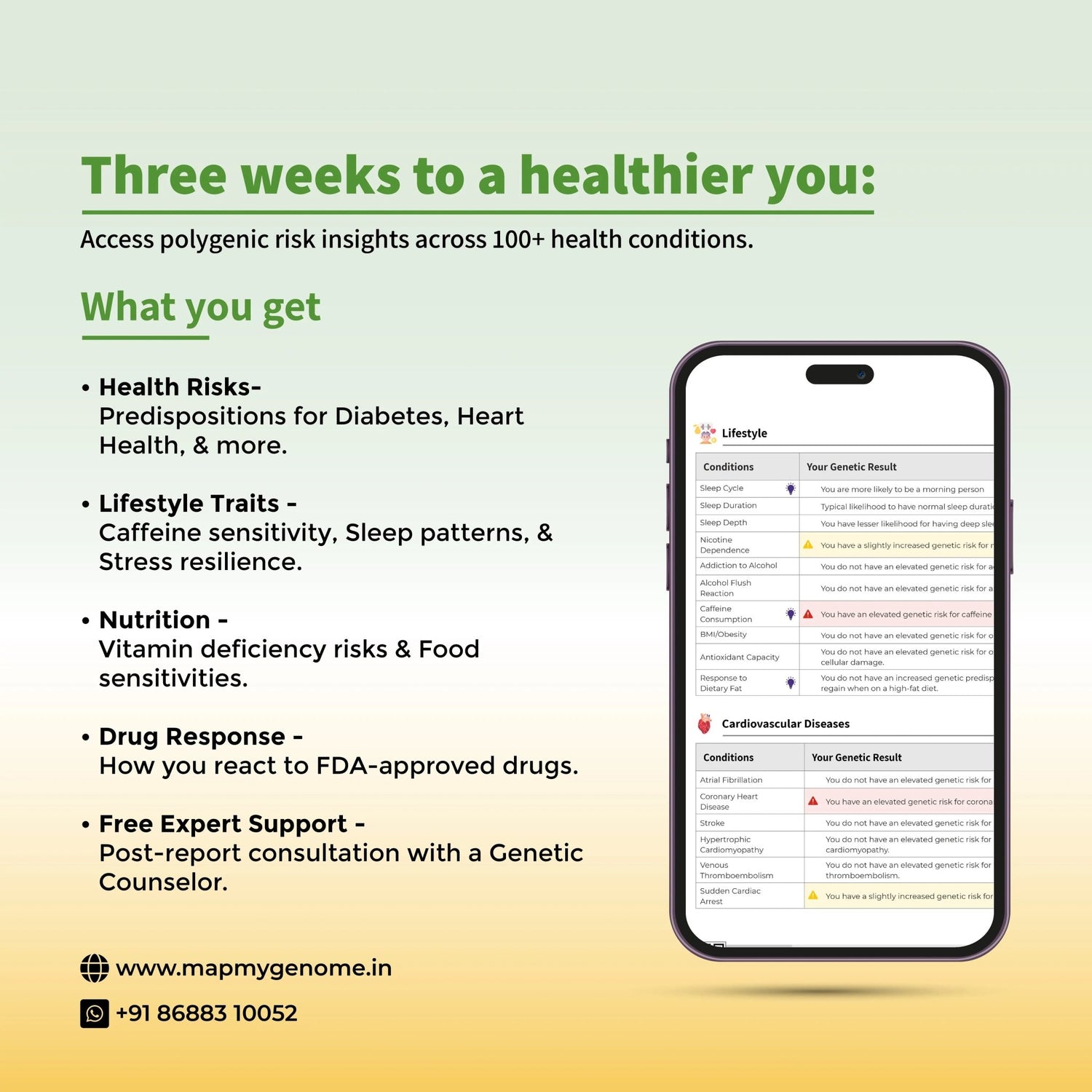
Know Your Genetic Respiratory and Immune Health Profile
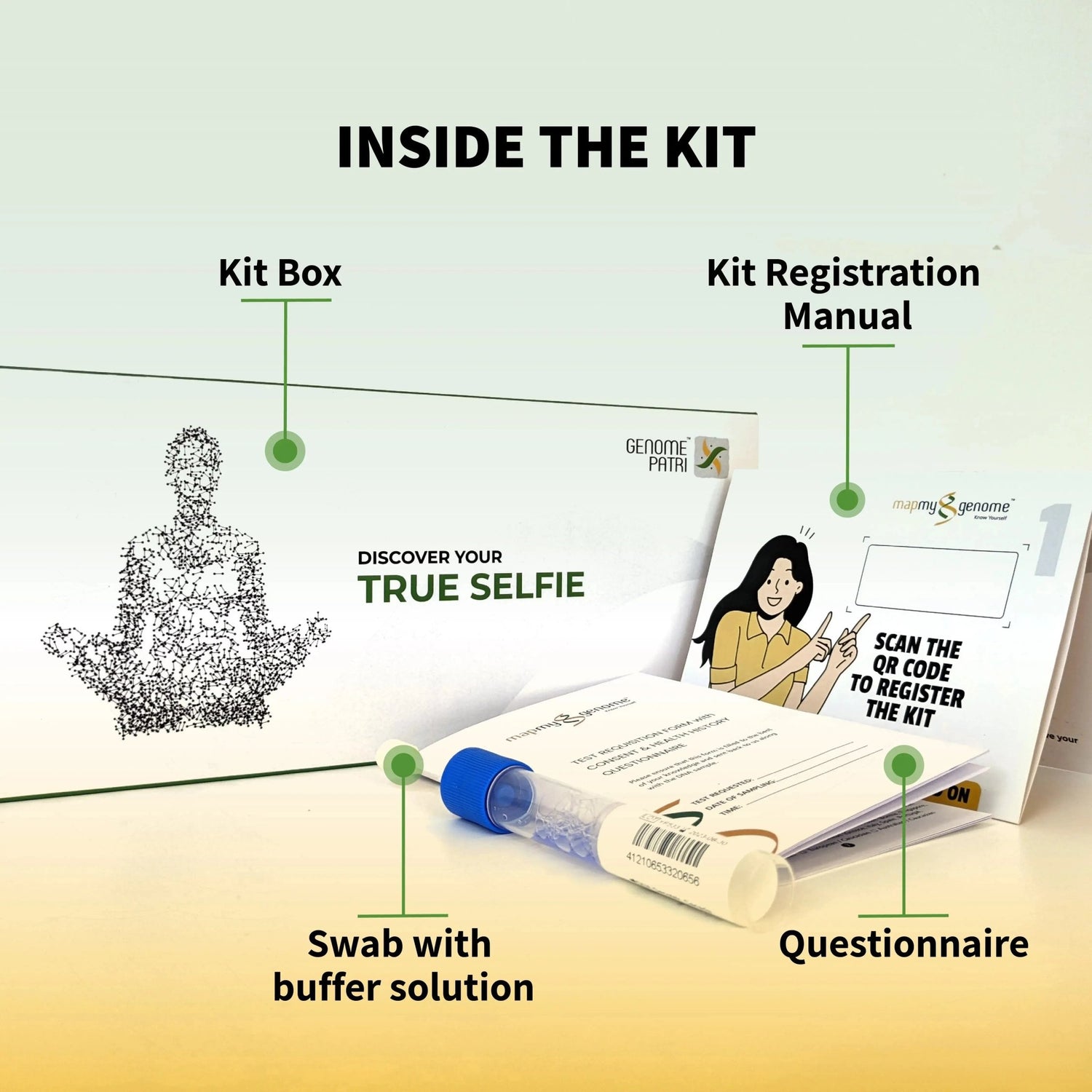
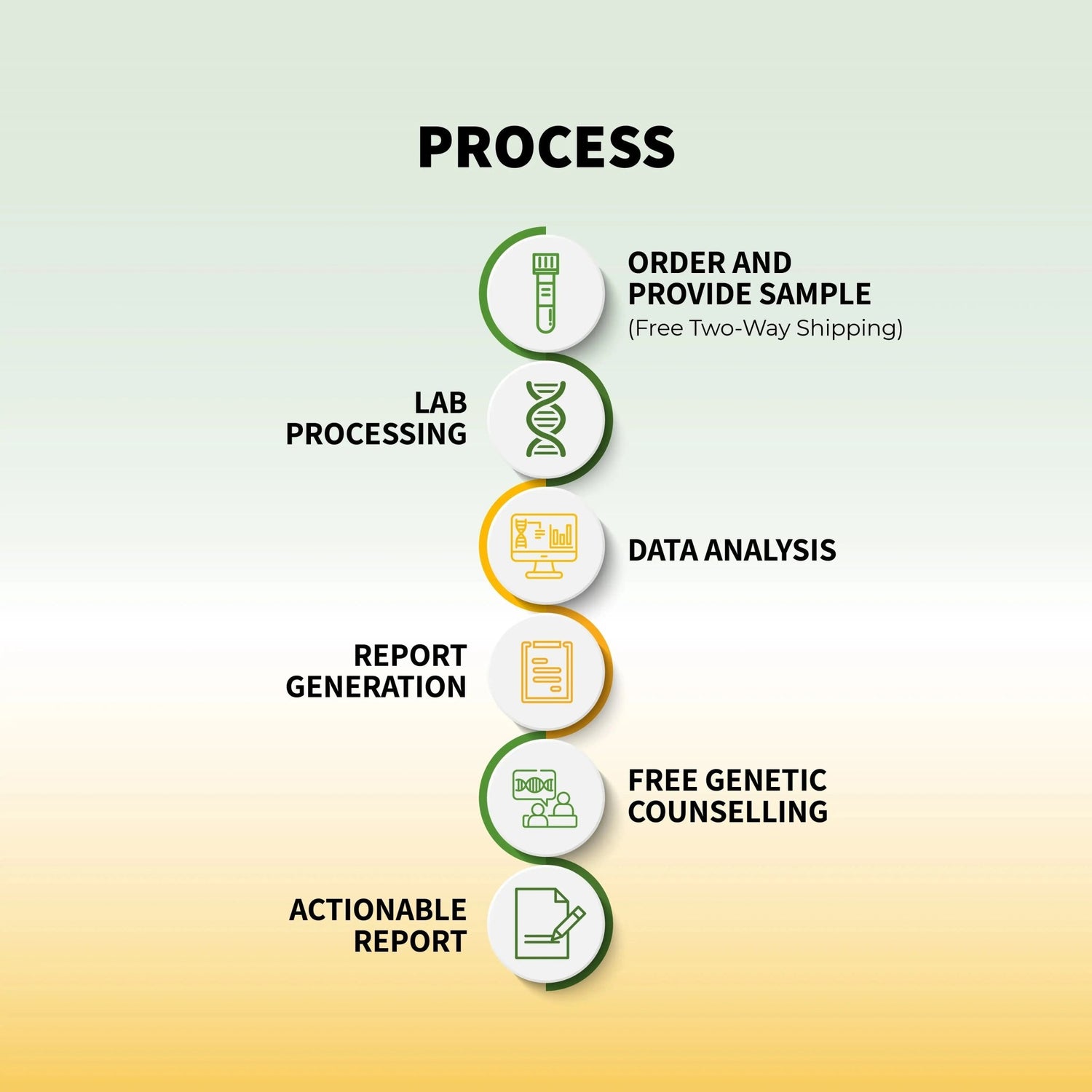
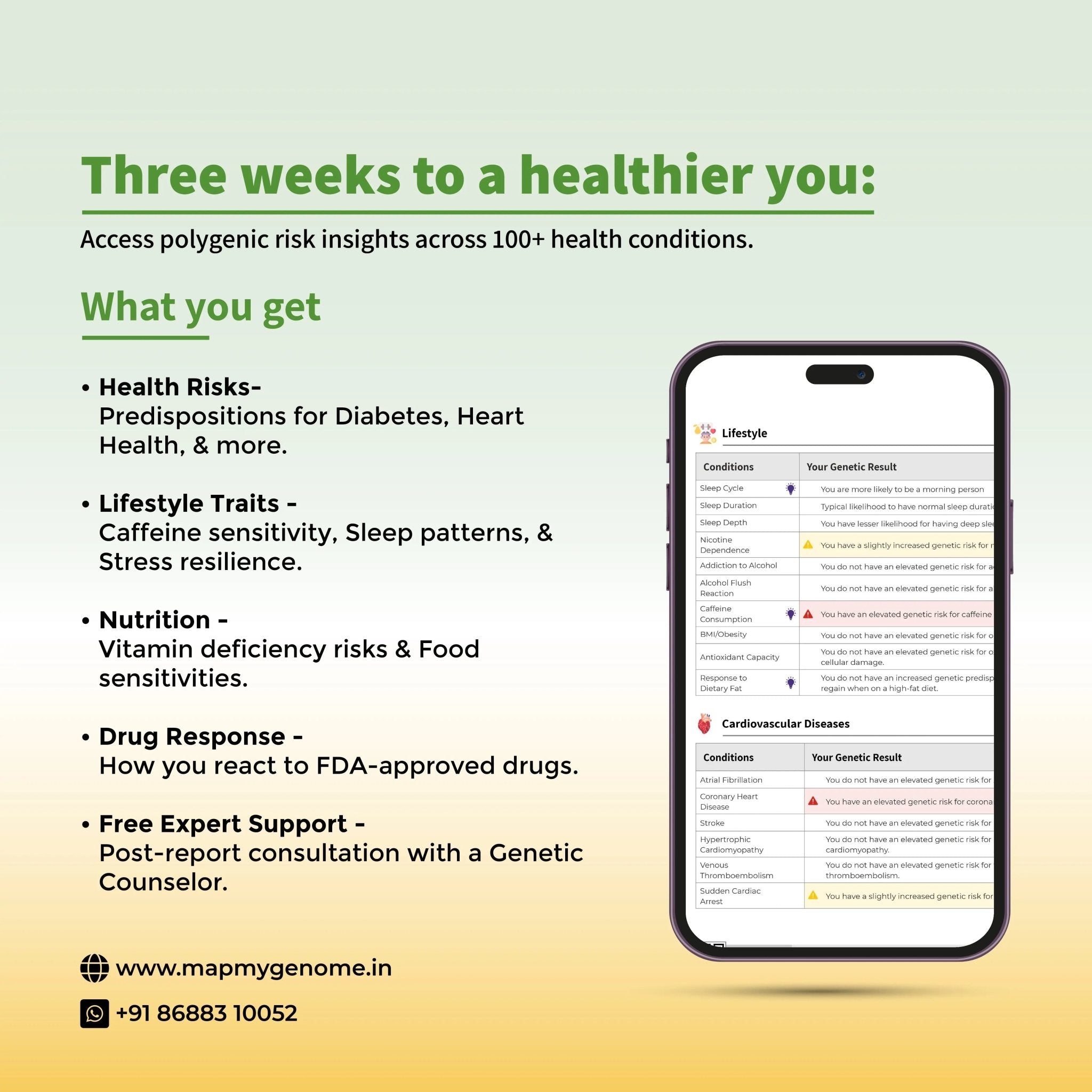
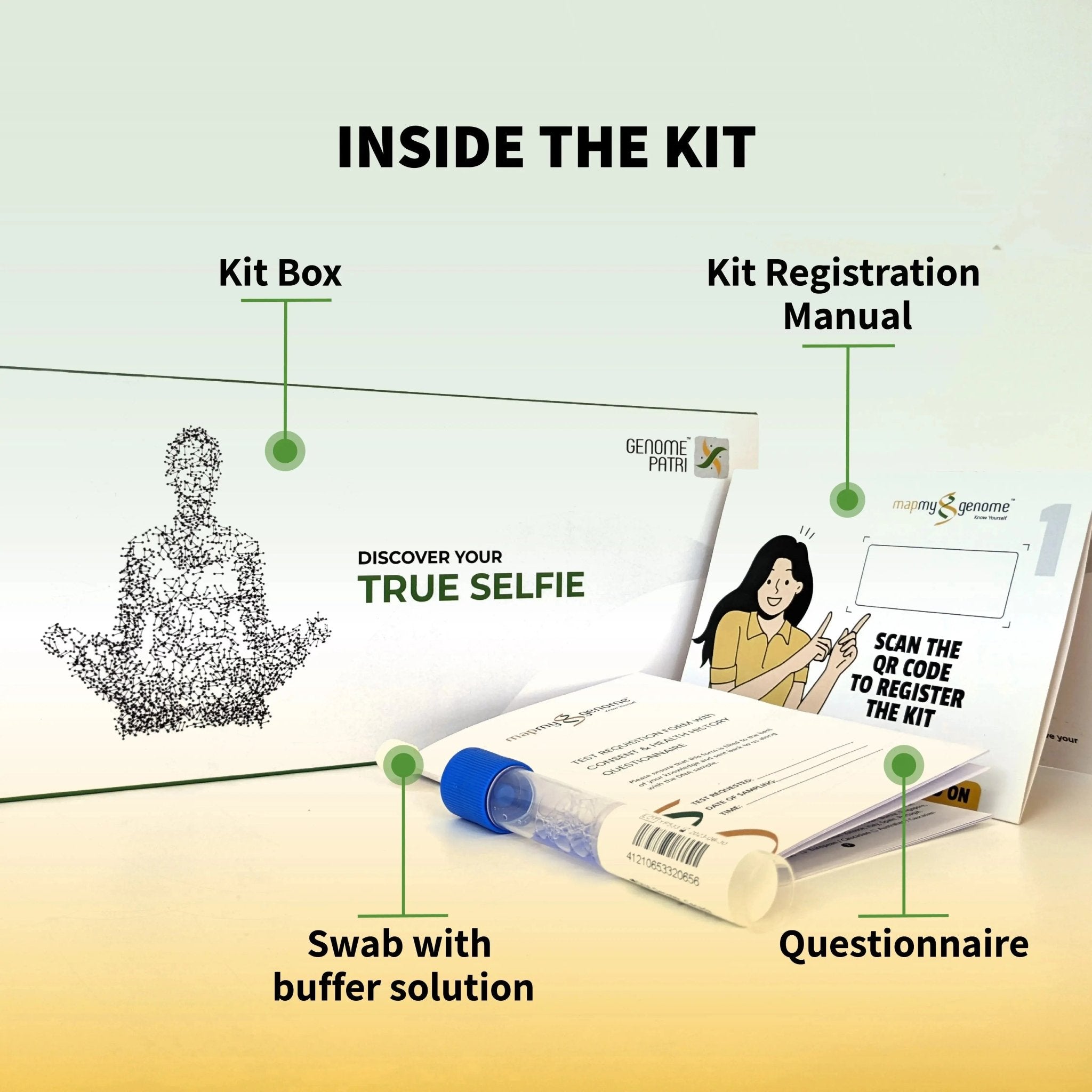
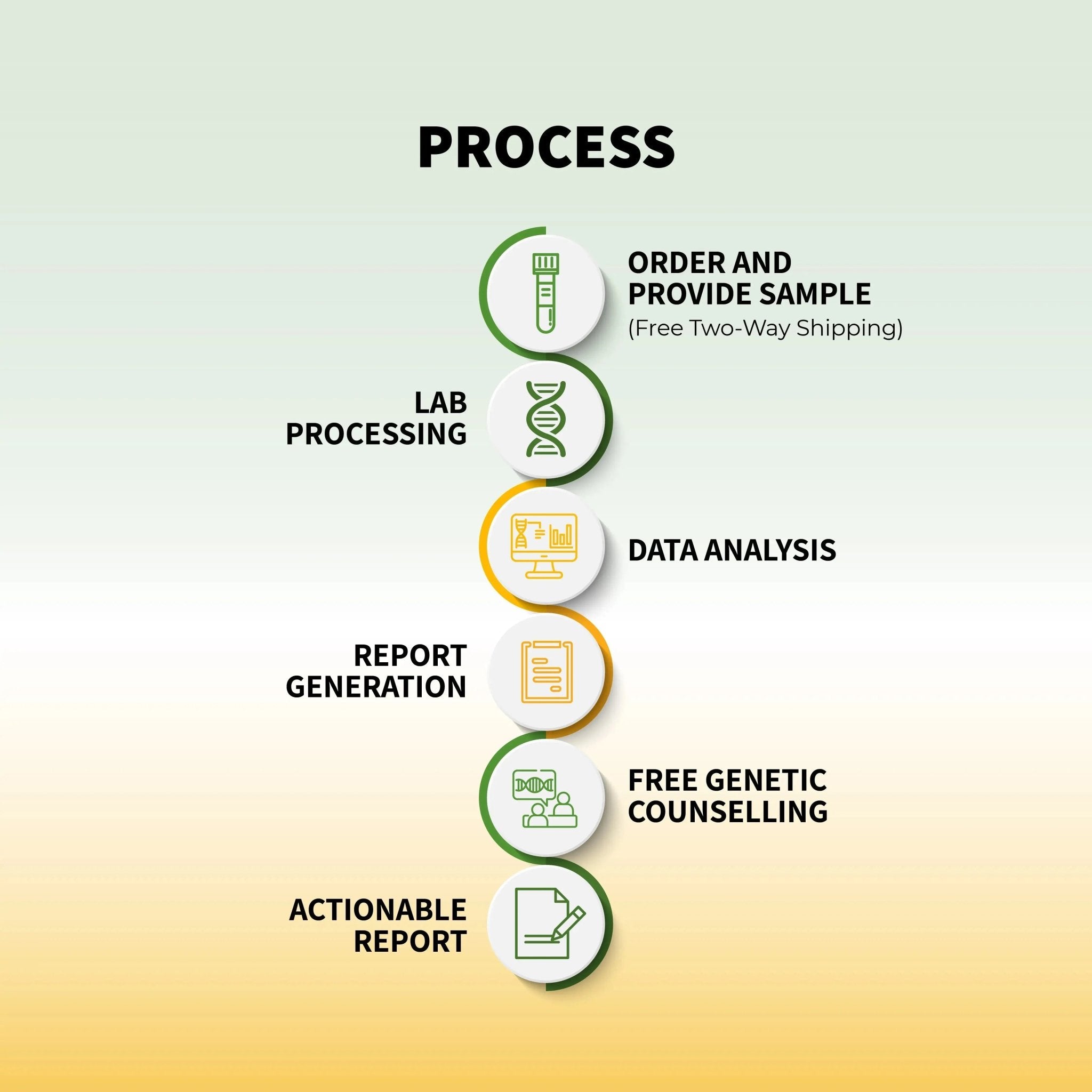
Genomepatri by MapmyGenome covers genetic predisposition to respiratory conditions, immune function, and 100+ other health traits. Includes certified genetic counselling to help you understand your results and take proactive steps.