

Stress in Children: Preventive Measures
Stress is not just an adult problem. Children experience stress too — from academic pressure and social challenges to family changes and the constant stimulation of modern life. Left unaddressed, chronic stress in children can affect their physical health, emotional wellbeing, academic performance, and long-term mental health.
Common Signs of Stress in Children
Physical: Headaches, stomach aches, sleep disturbances, bedwetting (in younger children)
Emotional: Irritability, mood swings, excessive crying, fearfulness, withdrawal
Behavioural: Regression to younger behaviours, aggression, reluctance to go to school, loss of interest in previously enjoyed activities
Cognitive: Difficulty concentrating, forgetfulness, negative self-talk
Common Causes
Academic pressure and exam anxiety
Bullying or social difficulties with peers
Family changes — divorce, relocation, new sibling, loss of a loved one
Overscheduling and lack of free play time
Exposure to distressing news or events
Preventive Measures for Parents
1. Create a Safe Space for Communication
Make it easy for your child to talk about their feelings without fear of judgment. Listen actively and validate their emotions.
2. Maintain Routines
Predictable daily routines provide children with a sense of security and control. Regular mealtimes, bedtimes, and family rituals reduce anxiety.
3. Encourage Physical Activity & Play
Exercise is one of the most effective stress relievers for children. Unstructured play is equally important for emotional regulation and creativity.
4. Limit Screen Time & News Exposure
Excessive screen time and exposure to distressing news can amplify anxiety. Set healthy boundaries and model balanced media use.
5. Teach Simple Relaxation Techniques
Deep breathing, mindfulness, and progressive muscle relaxation can be taught to children as young as 5–6 years old.
6. Seek Professional Help When Needed
If stress symptoms persist or significantly impact your child’s daily functioning, consult a paediatrician or child psychologist. Early intervention makes a significant difference.
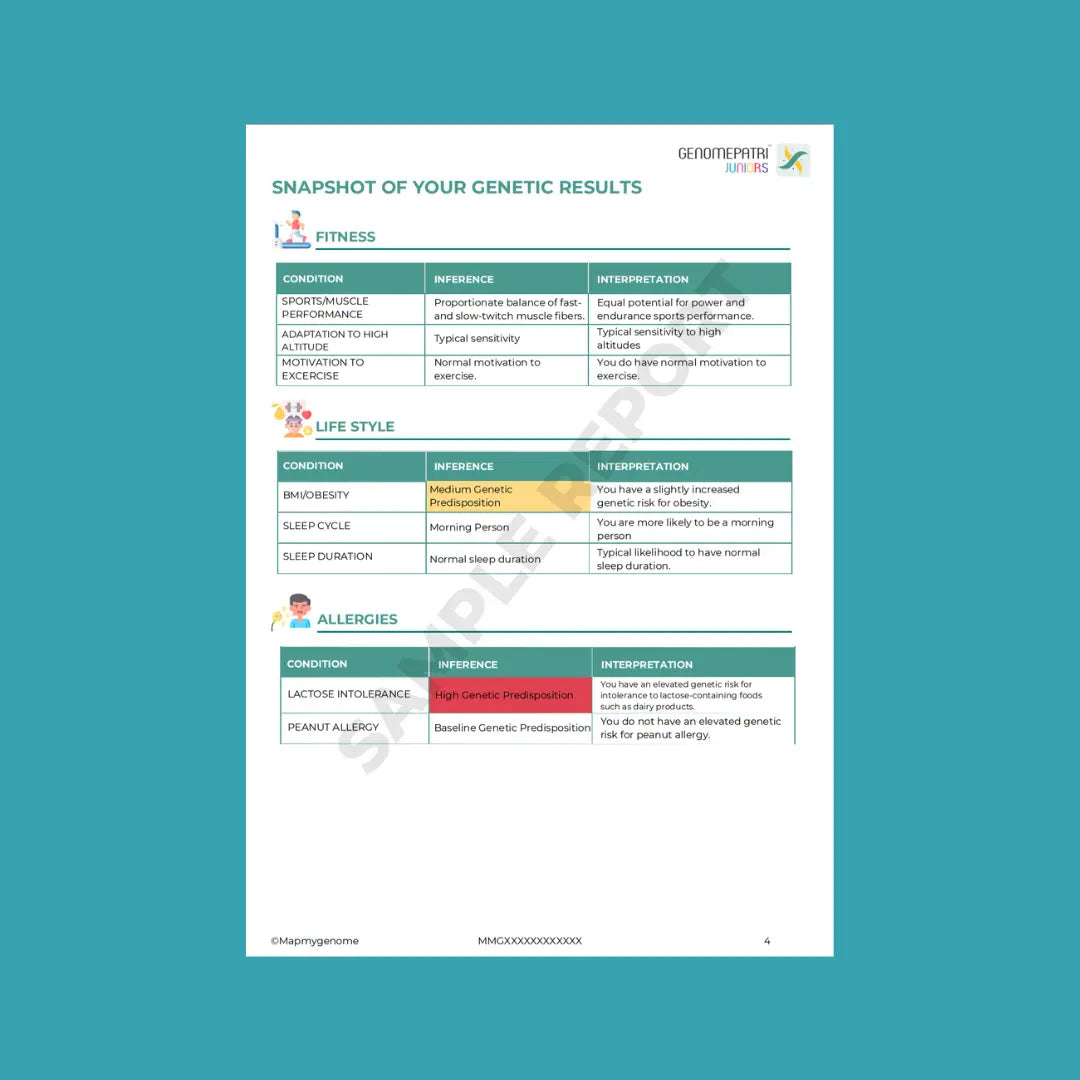
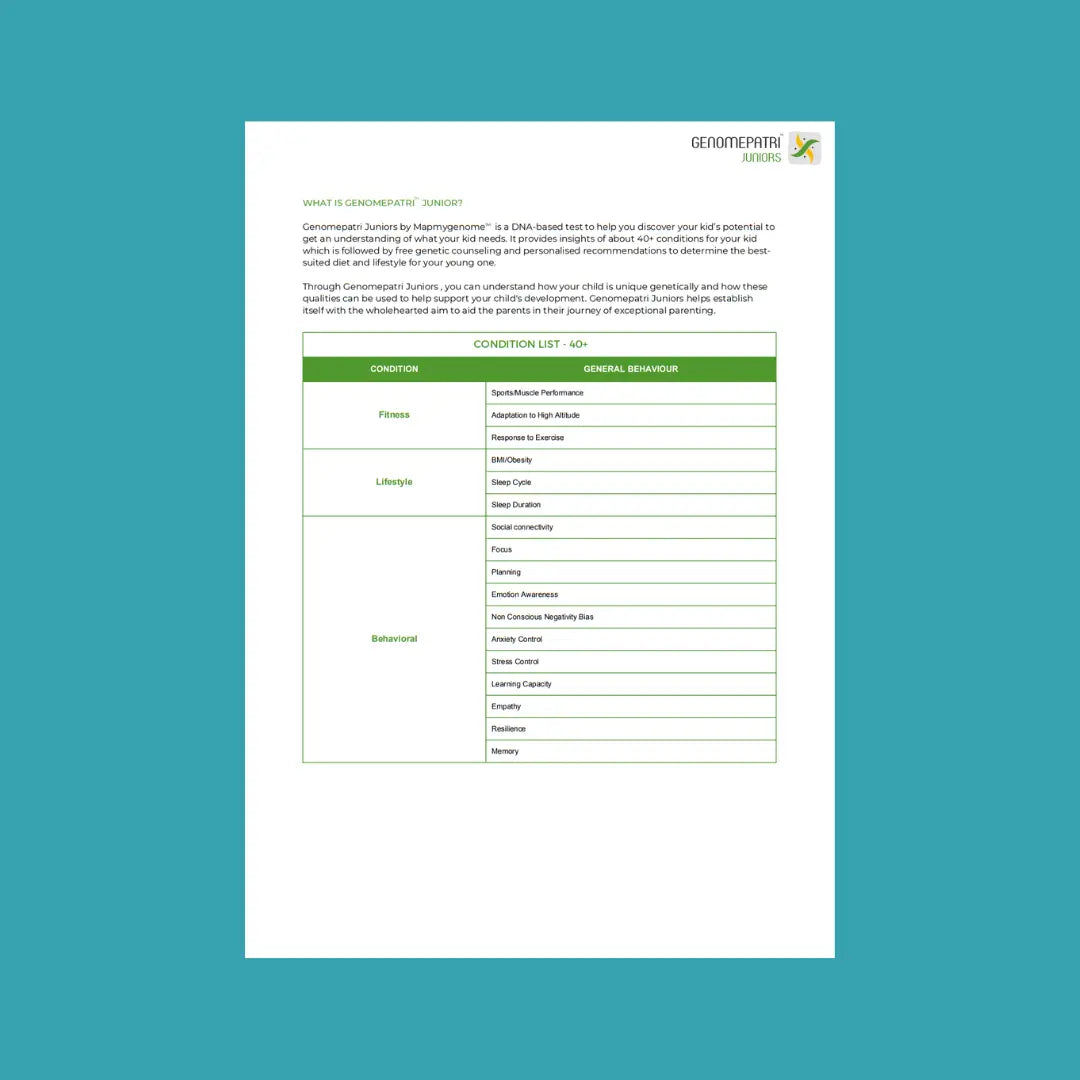
Understand Your Child’s Genetic Health Profile
Genetics influences temperament, stress response, and predisposition to anxiety and mood disorders. Genomepatri by MapmyGenome provides insights into neurological and mental health genetic markers — helping parents and healthcare providers tailor support to each child’s unique biology.