

Most everyone who is into fitness, athletics, sports, or weight management has considered using supplements to aid their journey. In this age of long working hours and compact families, supplements have percolated down to the desk drawers of even those who just need a quick way of maintaining their nutritional requirements on the go.
YOU are unique. YOU are built differently from others around you. YOU are genetically, molecularly, nutritionally, metabolically unique. What works for one, might not work for the other — and there is no “one size fits all” solution in supplementation.
Key Supplements and What Your Genes Say
Protein Shakes
For individuals with a high genetic risk for Chronic Kidney Disorder (CKD), high amounts of protein can accelerate kidney damage. Those with a high risk for CKD need to monitor their protein intake and check their renal health regularly when on a high-protein diet.
Mass Gainers
Before stocking up, check your genetic predisposition to fat metabolism, gluten intolerance, and risk for chronic kidney disease. Those with variants affecting dietary fat metabolism may find mass gainers push them toward fat rather than muscle.
Fat Burners
At the core of most fat burners is copious amounts of caffeine (300mg+). If you have genetic variants that hamper caffeine metabolism, or increase your underlying risk for cardiac conditions, these supplements carry elevated risk. Understanding your genomic profile vis-à-vis caffeine metabolism and cardiovascular risk is imperative before using these products.
Omega-3 and CLA
Understanding your innate genetic predisposition to maintaining Omega-3/Omega-6 levels in the body can help you choose the right supplement and dosage. Higher doses of CLA can worsen insulin resistance in those with a metabolic disorder or high genomic risk for diabetes.
Creatine
One of the safest and most well-researched supplements available — but individuals with a high genomic risk for kidney or liver problems should avoid higher dosages.
BCAAs
High BCAA intake has been shown to deplete Vitamin B levels — particularly problematic for someone with an underlying genetic risk for Vitamin B6 deficiency, since B6 is imperative for breaking down BCAAs.
Multivitamins
Rather than taking the first one off the shelf, choose one with a higher concentration of the vitamin you actually need. Your genomic risk for vitamin deficiencies is the perfect starting point for discovering just this.
The Bottom Line
Thinking supplements? Think personal genomics first. Your DNA tells you which supplements you actually need, which ones to avoid, and at what dosage — so you can supplement smarter, not harder.
Find Out Which Supplements Your DNA Actually Needs
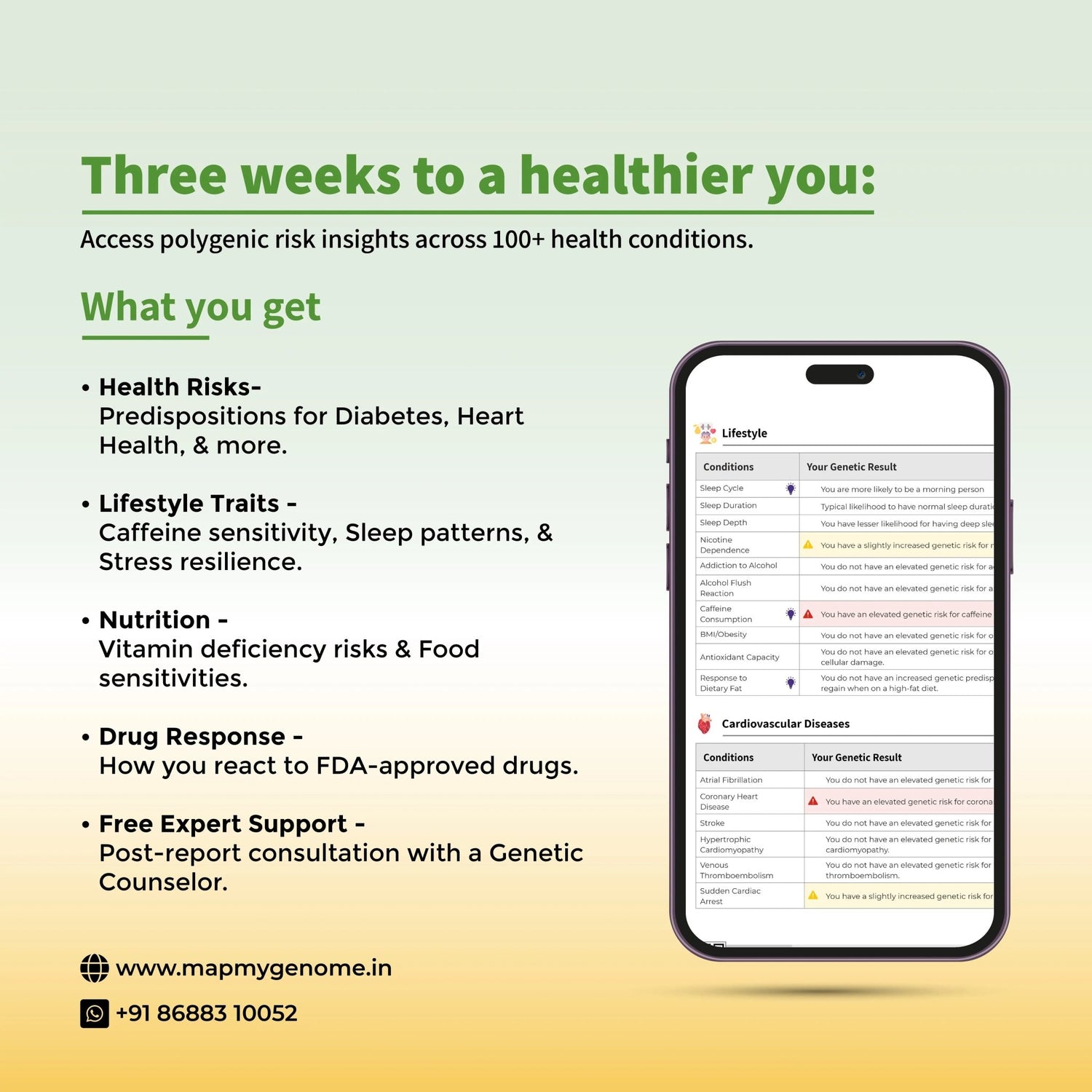
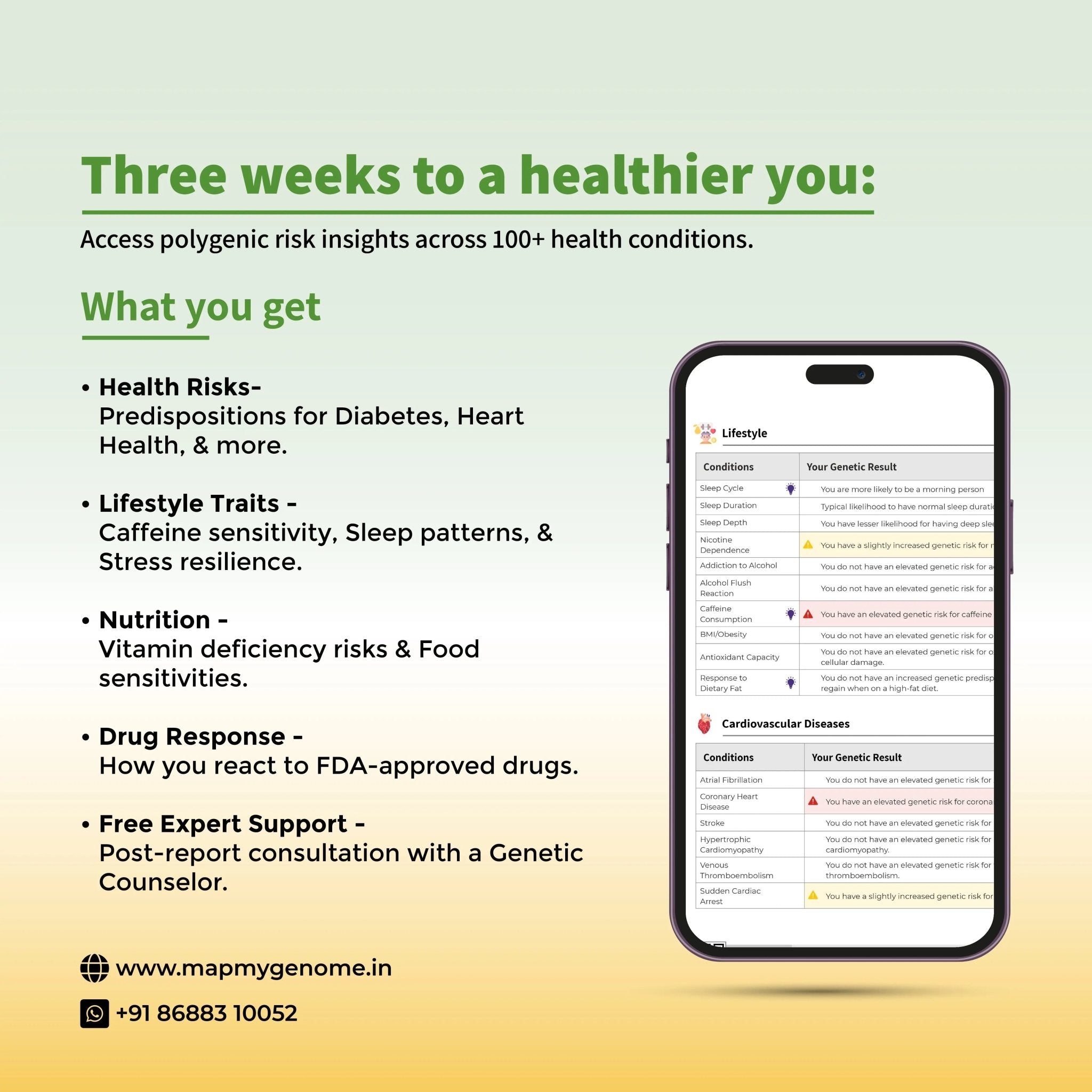
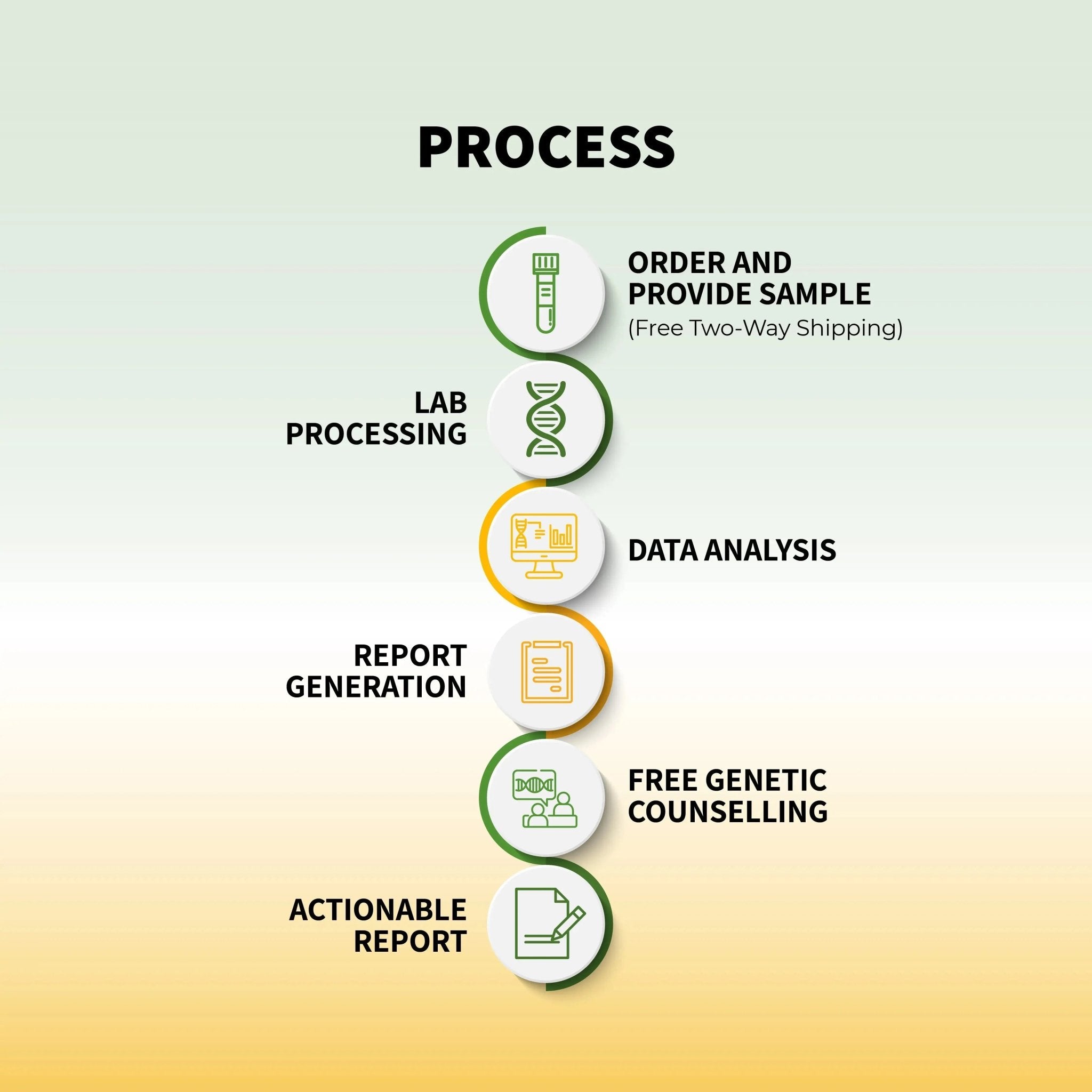
MyFitGene and Genomepatri by MapmyGenome analyse your vitamin metabolism, fat metabolism, caffeine response, kidney risk, and 100+ other genetic traits — so you can build a supplement plan that’s truly personalised to your biology.