

Genetic testing for cancer is one of the most powerful tools in modern oncology — enabling early detection of hereditary cancer risk, guiding treatment decisions, and empowering individuals to take preventive action before symptoms appear.
What is Genetic Testing for Cancer?
Genetic testing for cancer analyses your DNA to identify inherited mutations that significantly increase your risk of developing certain cancers. These tests look for mutations in specific genes — such as BRCA1, BRCA2, MLH1, MSH2, and others — that are known to be associated with hereditary cancer syndromes.
Types of Genetic Tests for Cancer
- Hereditary Cancer Panel Testing: Screens multiple cancer-risk genes simultaneously. Recommended for individuals with a personal or family history of cancer.
- Single-Gene Testing: Tests for a specific mutation known to run in the family.
- Tumour Genetic Testing (Somatic Testing): Analyses the DNA of a tumour to identify mutations that can guide targeted therapy decisions.
- Liquid Biopsy: Detects tumour DNA circulating in the blood, useful for monitoring treatment response and detecting recurrence.
Who Should Consider Genetic Testing for Cancer?
- Those with a strong family history of cancer, especially if diagnosed at a young age
- Individuals diagnosed with cancer at an early age, which may suggest a hereditary cause
- Those with rare cancers such as male breast cancer or medullary thyroid cancer
- Anyone with a known family member who has tested positive for a cancer-related genetic mutation
- Individuals of Ashkenazi Jewish descent (higher prevalence of BRCA mutations)
What a Positive Result Means
Testing positive for a hereditary cancer mutation does not mean you will definitely develop cancer — but it does mean your risk is significantly elevated. Armed with this knowledge, you can:
- Begin enhanced surveillance (earlier and more frequent screenings)
- Consider risk-reducing medications (chemoprevention)
- Discuss preventive surgical options with your doctor
- Alert family members who may also be at risk
The Role of Genetic Counselling
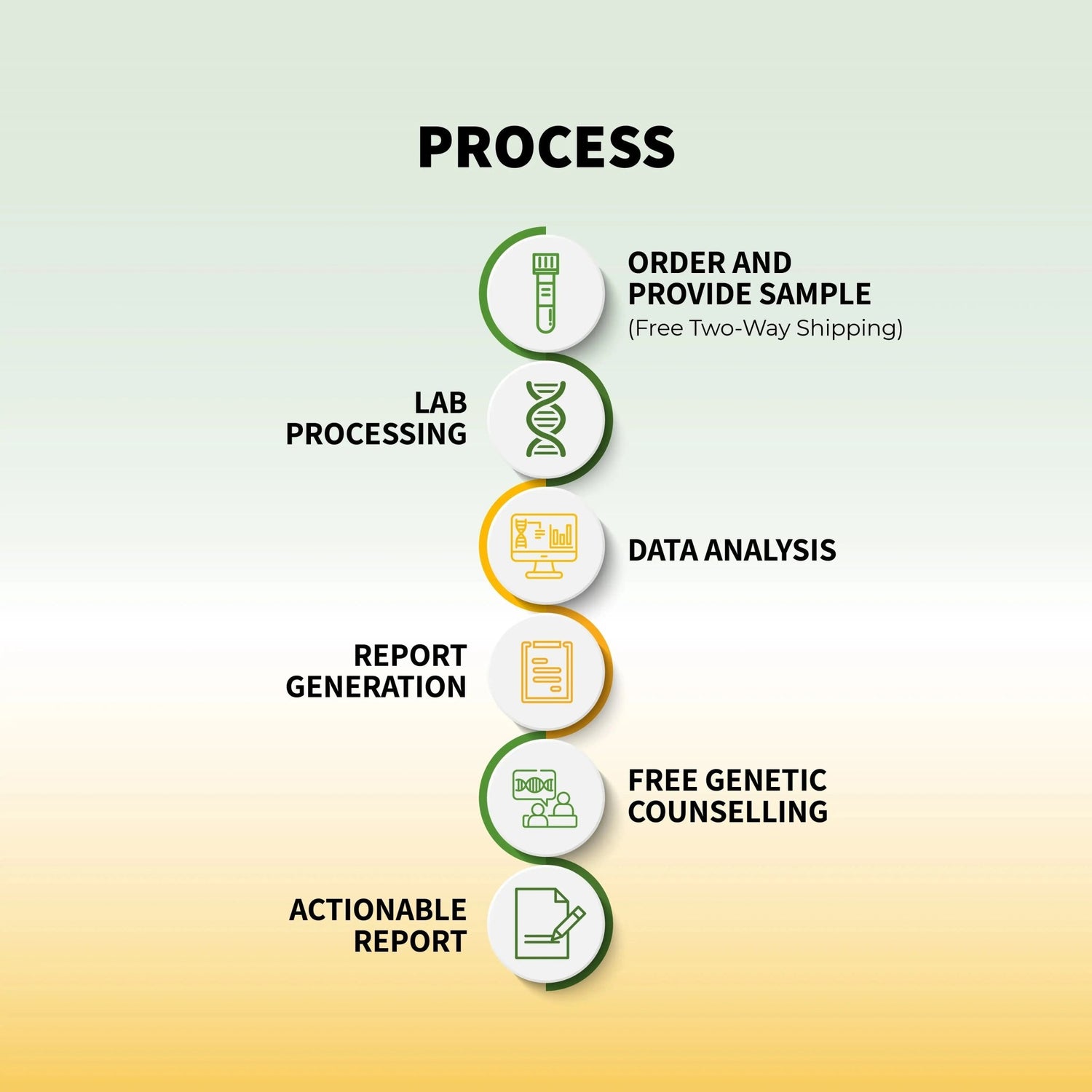
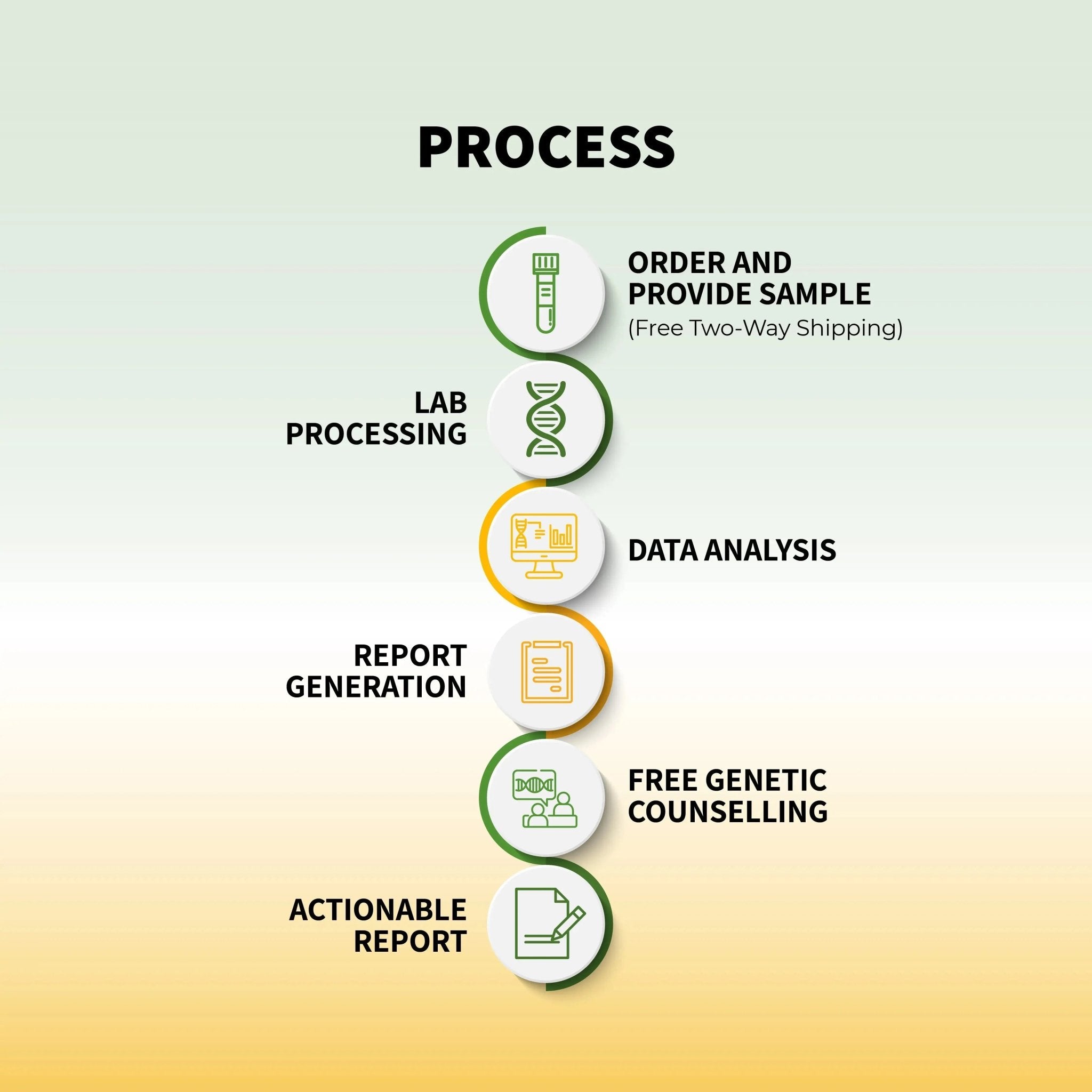
Genetic counselling is an essential part of the cancer genetic testing process. A genetic counsellor helps you understand your results, assess your family history, and develop a personalised risk management plan.
Conclusion
Genetic testing for cancer is a proactive, potentially life-saving step. Whether you’re managing a cancer diagnosis or looking to understand your hereditary risk, genetic testing provides the insights needed for more personalised, effective care.
Know Your Hereditary Cancer Risk
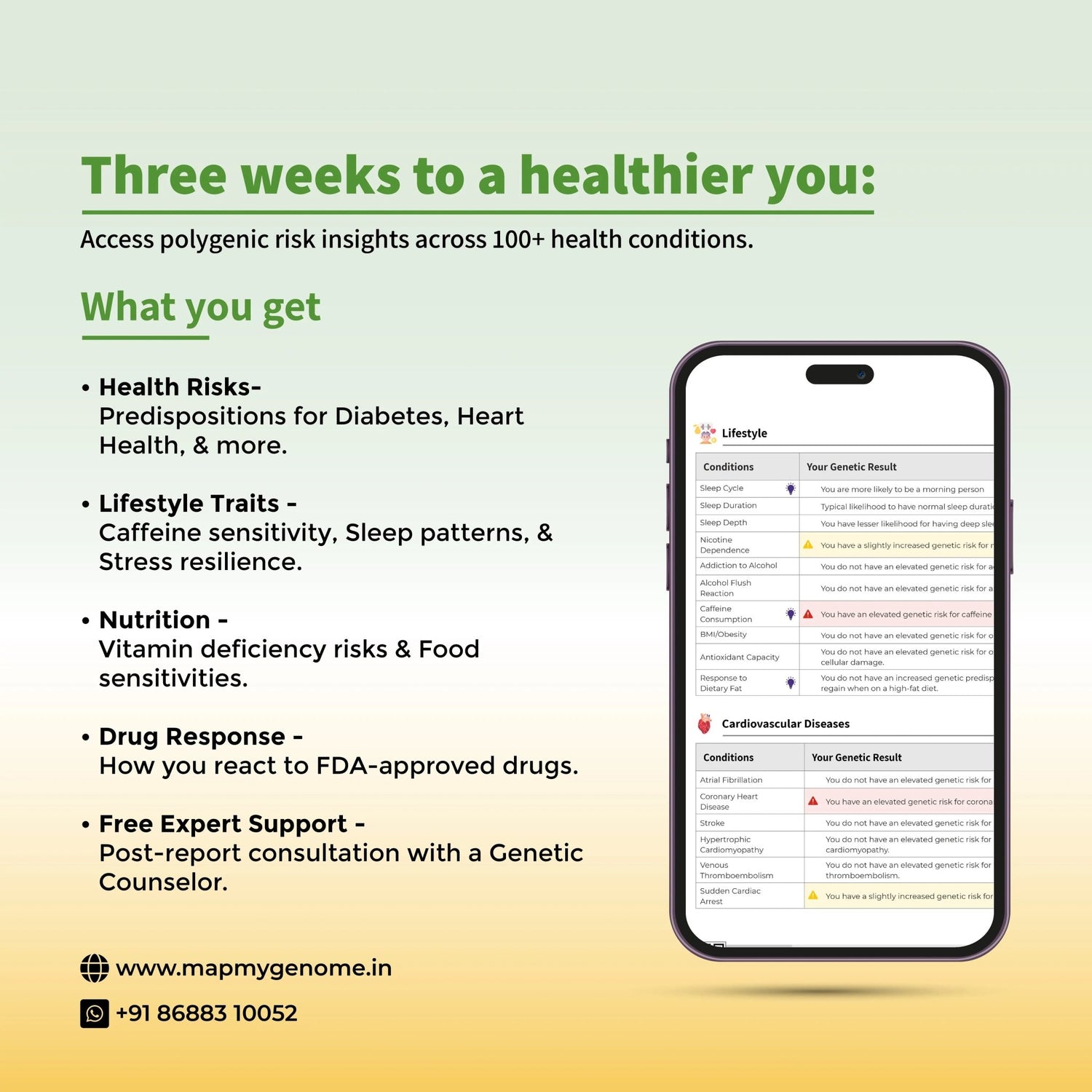
OncoMap by MapmyGenome screens your genetic predisposition to 15+ hereditary cancers — including breast, ovarian, colorectal, and prostate — with BRCA1, BRCA2, and HRR gene panel analysis. Genetic counselling included.