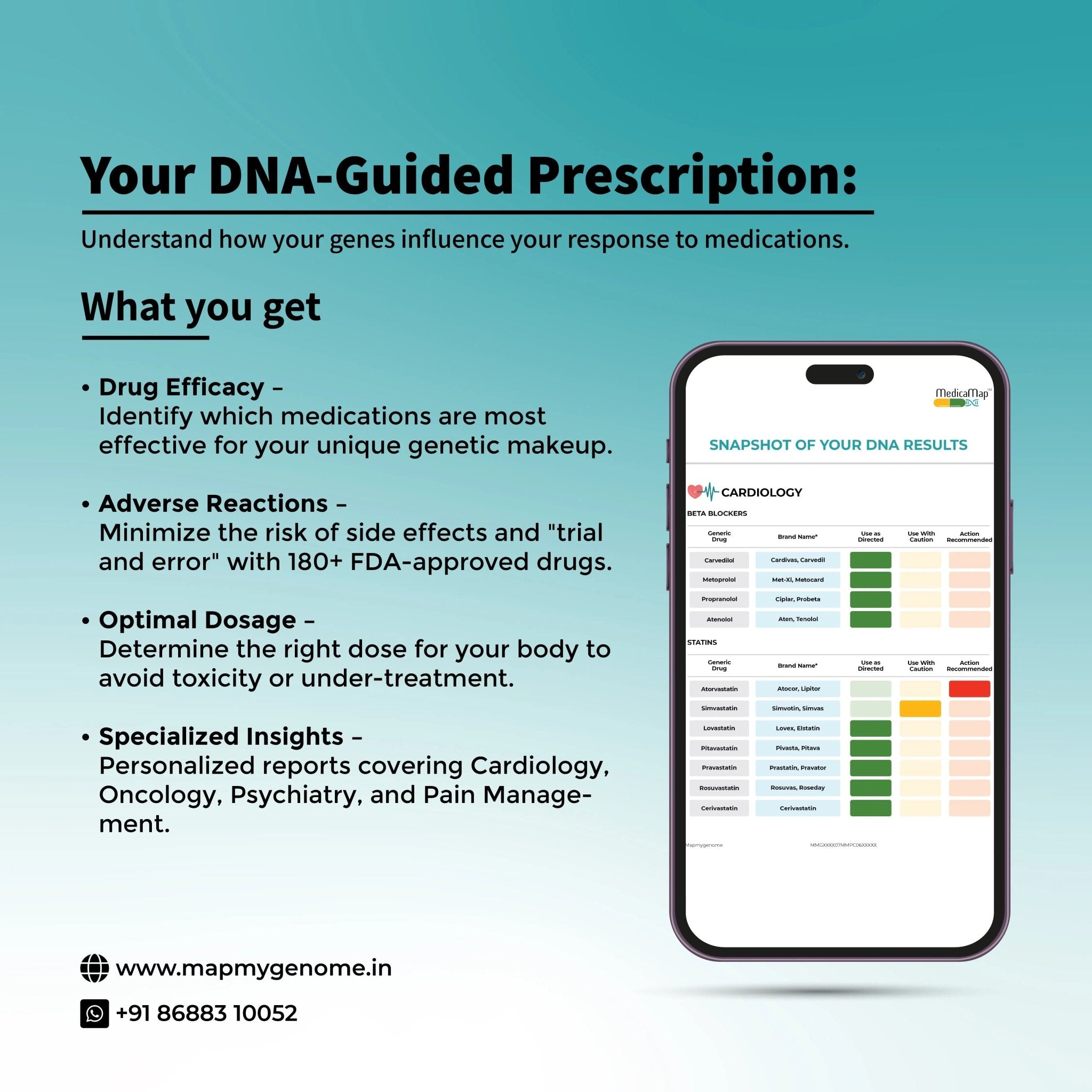


Pharmacogenomics is the study of how your genes affect your response to drugs. It is a key pillar of personalised medicine — helping doctors prescribe the right medication at the right dose for the right patient, based on their unique genetic makeup.
What is Pharmacogenomics?
Every person metabolises medications differently. Two people taking the same drug at the same dose can have very different responses — one may experience significant side effects while the other sees no benefit at all. These differences are largely driven by genetic variations in drug-metabolising enzymes, drug transporters, and drug targets.
Pharmacogenomics analyses these genetic variations to predict how an individual will respond to a specific medication — enabling more precise, effective, and safer prescribing.
Key Genes in Pharmacogenomics
- CYP2D6: Metabolises approximately 25% of all commonly prescribed drugs, including antidepressants, antipsychotics, beta-blockers, and opioids. Variants can make you a poor, normal, or ultra-rapid metaboliser.
- CYP2C19: Affects metabolism of proton pump inhibitors, antidepressants, and antiplatelet drugs like clopidogrel.
- CYP2C9: Influences metabolism of warfarin (blood thinner) and NSAIDs.
- TPMT: Affects metabolism of thiopurine drugs used in cancer and autoimmune disease treatment.
- SLCO1B1: Influences statin metabolism; variants increase the risk of statin-induced muscle toxicity.
Clinical Applications of Pharmacogenomics
- Psychiatry: Identifying which antidepressants or antipsychotics are most likely to be effective and well-tolerated.
- Cardiology: Optimising anticoagulant and antiplatelet therapy dosing.
- Oncology: Selecting chemotherapy agents based on tumour genetics and patient metabolism.
- Pain Management: Personalising opioid prescribing based on CYP2D6 status.
- Infectious Disease: Identifying patients at risk of adverse reactions to HIV or tuberculosis medications.
Benefits of Pharmacogenomic Testing
- Reduces trial-and-error prescribing
- Minimises adverse drug reactions
- Improves treatment efficacy
- Reduces healthcare costs associated with ineffective treatments
- Empowers patients to make informed decisions about their medications
Conclusion
Pharmacogenomics is transforming how medications are prescribed — moving away from a one-size-fits-all approach toward truly personalised treatment. As genetic testing becomes more accessible, pharmacogenomic insights will become a standard part of clinical care.
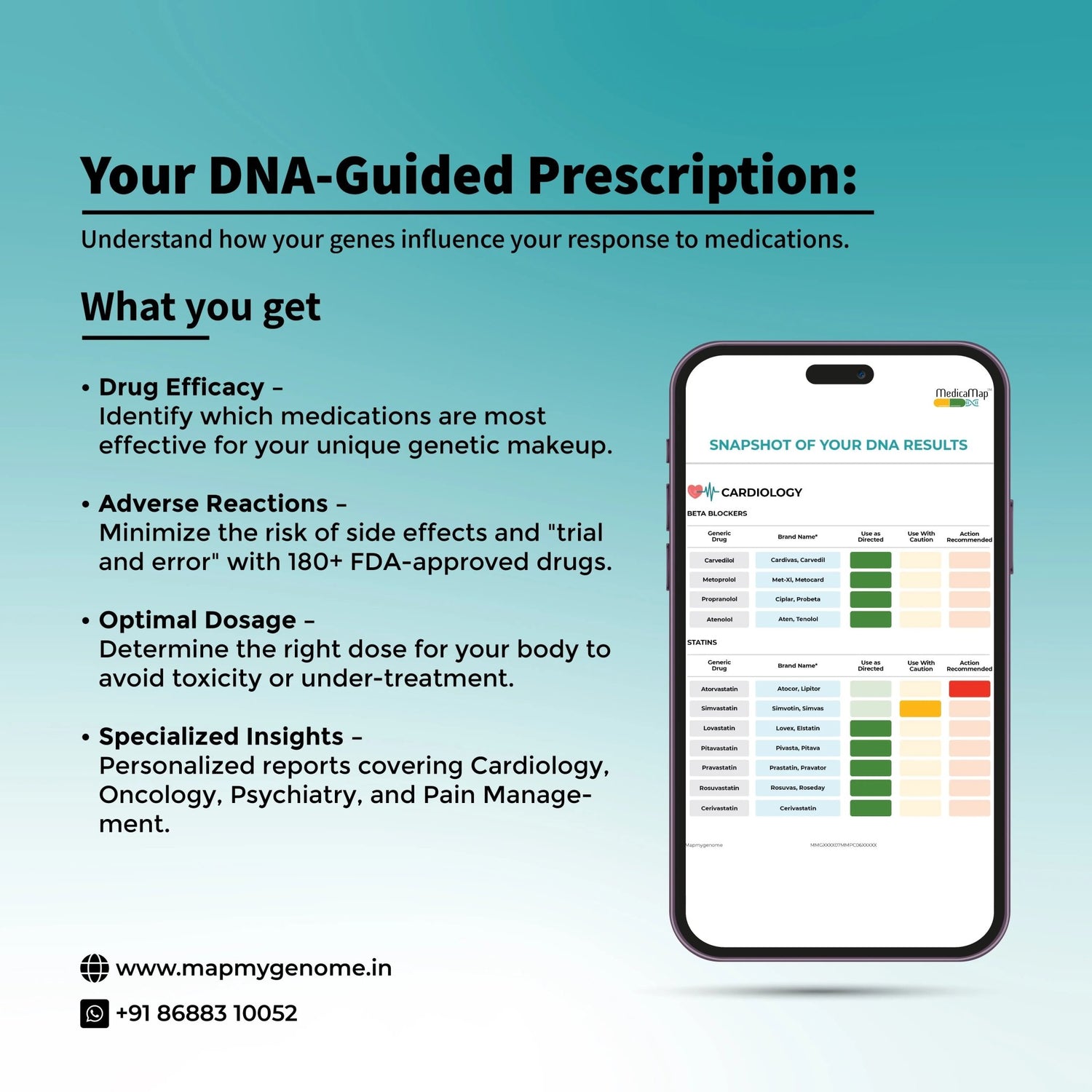
Personalise Your Medication Plan with Your DNA
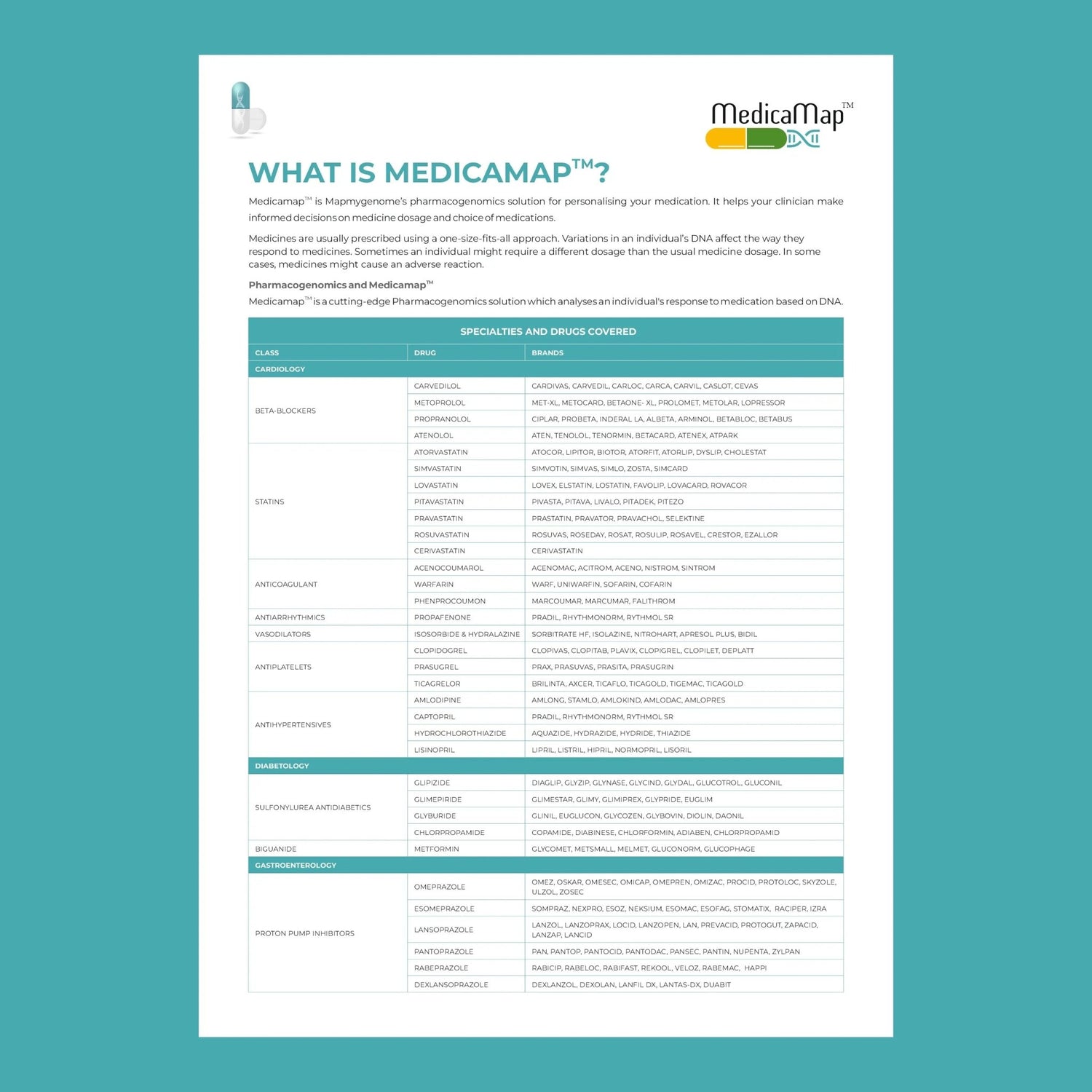
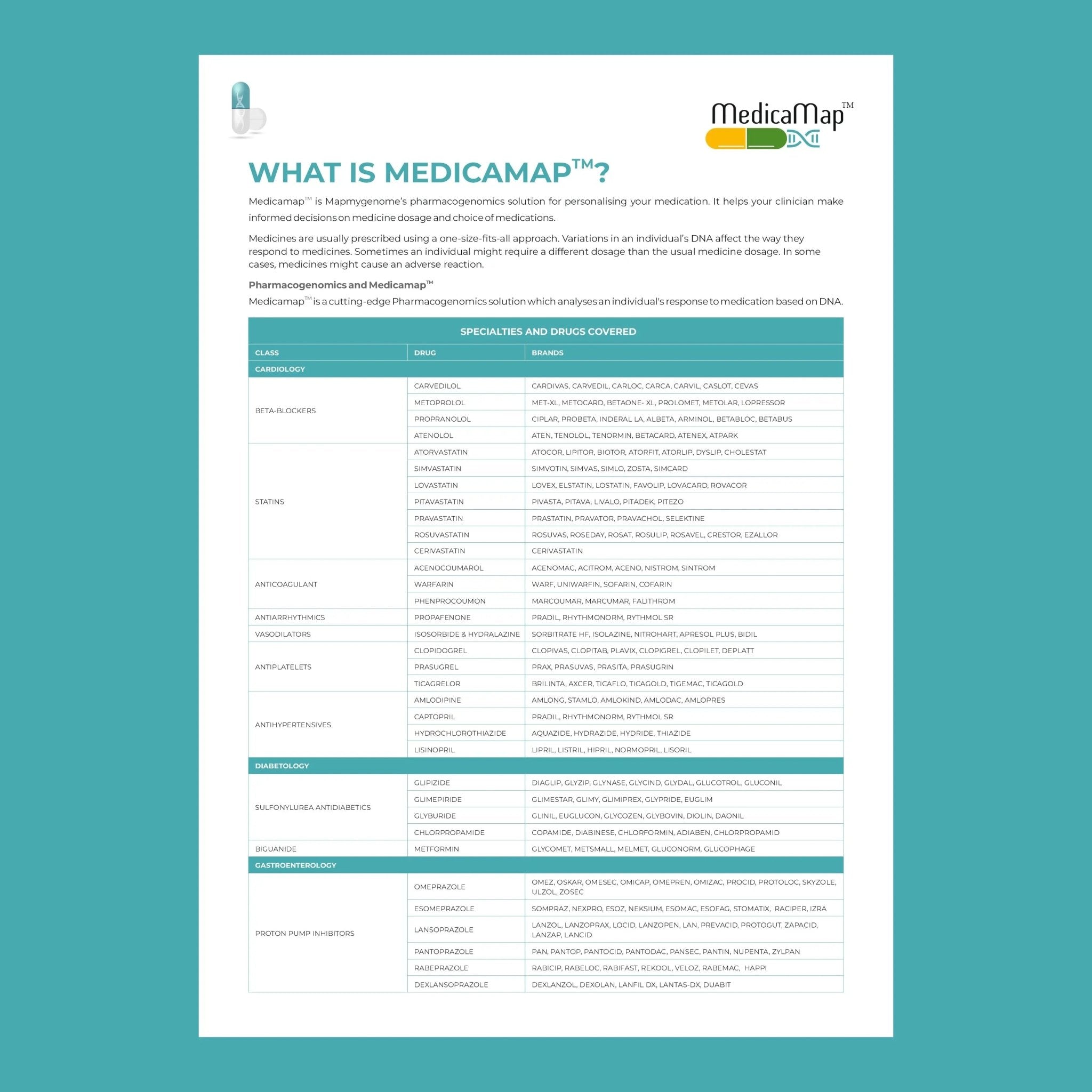
Genomepatri by MapmyGenome includes a comprehensive drug response report — analysing how your genes affect your response to 100+ commonly prescribed medications across cardiology, psychiatry, oncology, and more.