

Heart attacks are a leading cause of death worldwide, making it crucial to recognize their symptoms and seek prompt medical attention. Whether you're concerned about your heart health or simply want to be prepared, this guide will help you understand the signs of a heart attack and what steps to take.
What is a Heart Attack?
A heart attack (myocardial infarction) occurs when blood flow to part of the heart muscle is blocked, causing damage or death to heart tissue. This blockage is usually due to a buildup of fat, cholesterol, and other substances forming a plaque in the coronary arteries.
Common Heart Attack Symptoms
- Chest Pain or Discomfort: Pressure, squeezing, fullness, or pain in the center of the chest, lasting more than a few minutes or coming and going.
- Upper Body Pain: Pain or discomfort radiating to the arms, back, neck, jaw, or stomach.
- Shortness of Breath: May occur with or without chest discomfort, at rest or during activity.
- Cold Sweats: Unexpected or unexplained sweating.
- Nausea or Vomiting: Can accompany other symptoms.
- Lightheadedness or Dizziness: Feeling faint can be a warning sign.
Heart Attack Symptoms in Women
Women are more likely to experience shortness of breath, nausea or vomiting, back or jaw pain, and unexplained fatigue — sometimes without classic chest pain. Recognizing this broader range of symptoms is critical for timely intervention.
Silent Heart Attacks
Not all heart attacks present with obvious symptoms. Silent heart attacks — particularly common in people with diabetes — can be identified through routine medical examinations and ECGs.
Key Risk Factors
High blood pressure, high cholesterol, smoking, diabetes, obesity, sedentary lifestyle, family history, age, and chronic stress all increase heart attack risk. Genetics plays a significant role — a family history of heart disease can substantially elevate your personal risk.
What to Do if You Suspect a Heart Attack
- Call Emergency Services immediately. Time is critical.
- Chew aspirin if the person is not allergic and can chew.
- Keep the person calm and resting while waiting for emergency responders.
- Perform CPR if the person becomes unconscious and unresponsive (if you are trained).
Preventing Heart Attacks
Adopt a heart-healthy diet, exercise regularly (at least 150 minutes of moderate activity per week), quit smoking, manage stress, and maintain a healthy weight. Regular check-ups and knowing your numbers — blood pressure, cholesterol, blood sugar — are essential.
🧬 Know your heart risk before symptoms appear.
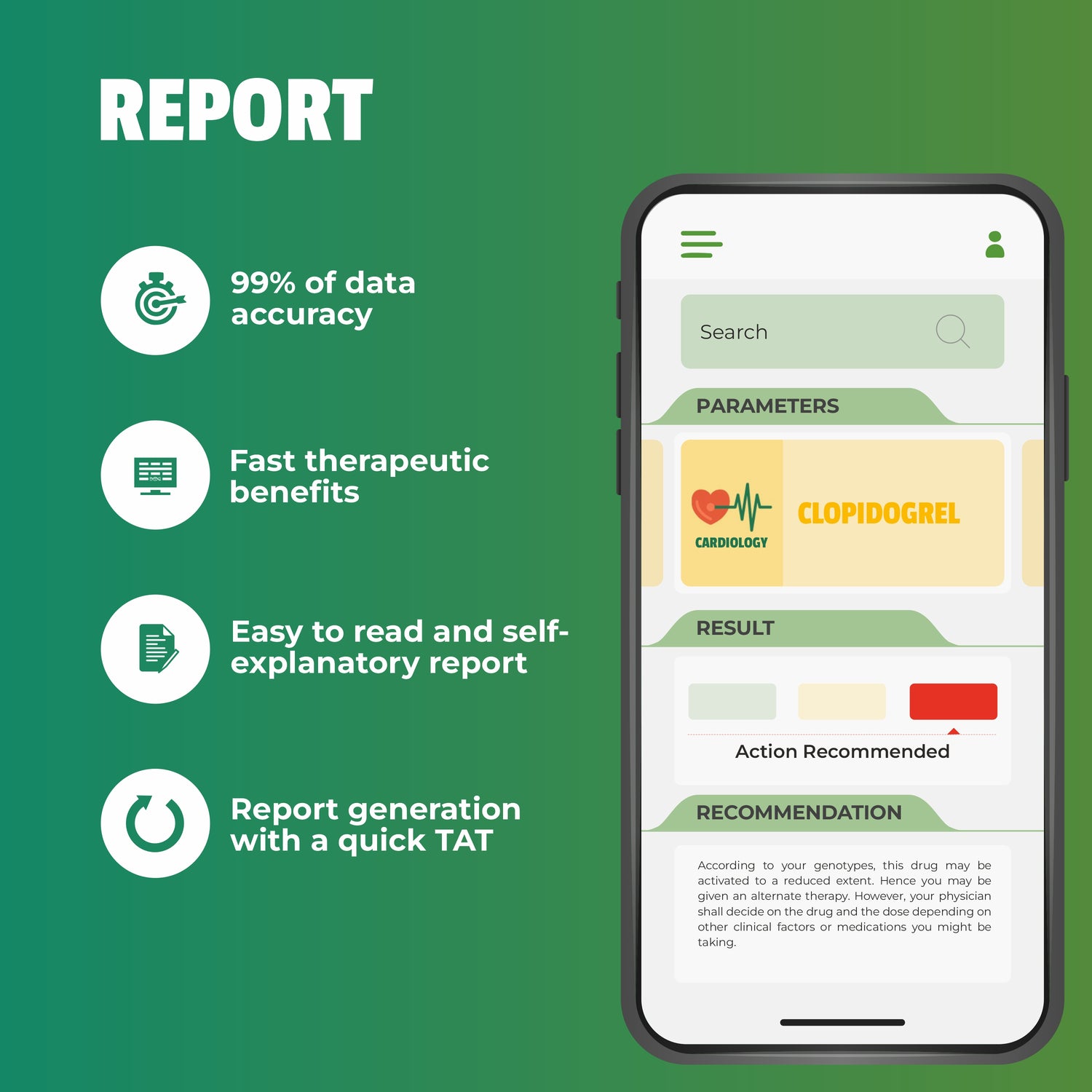
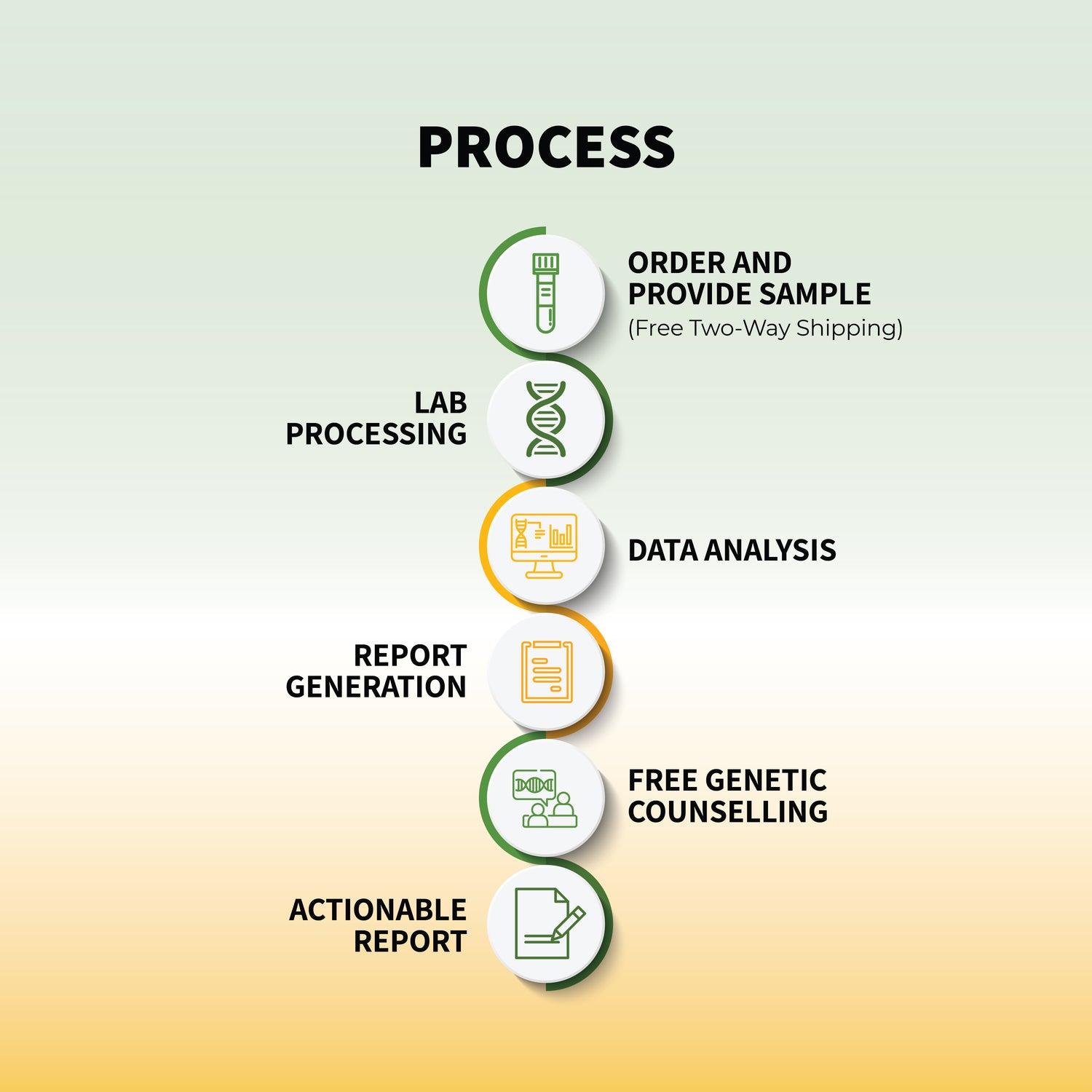
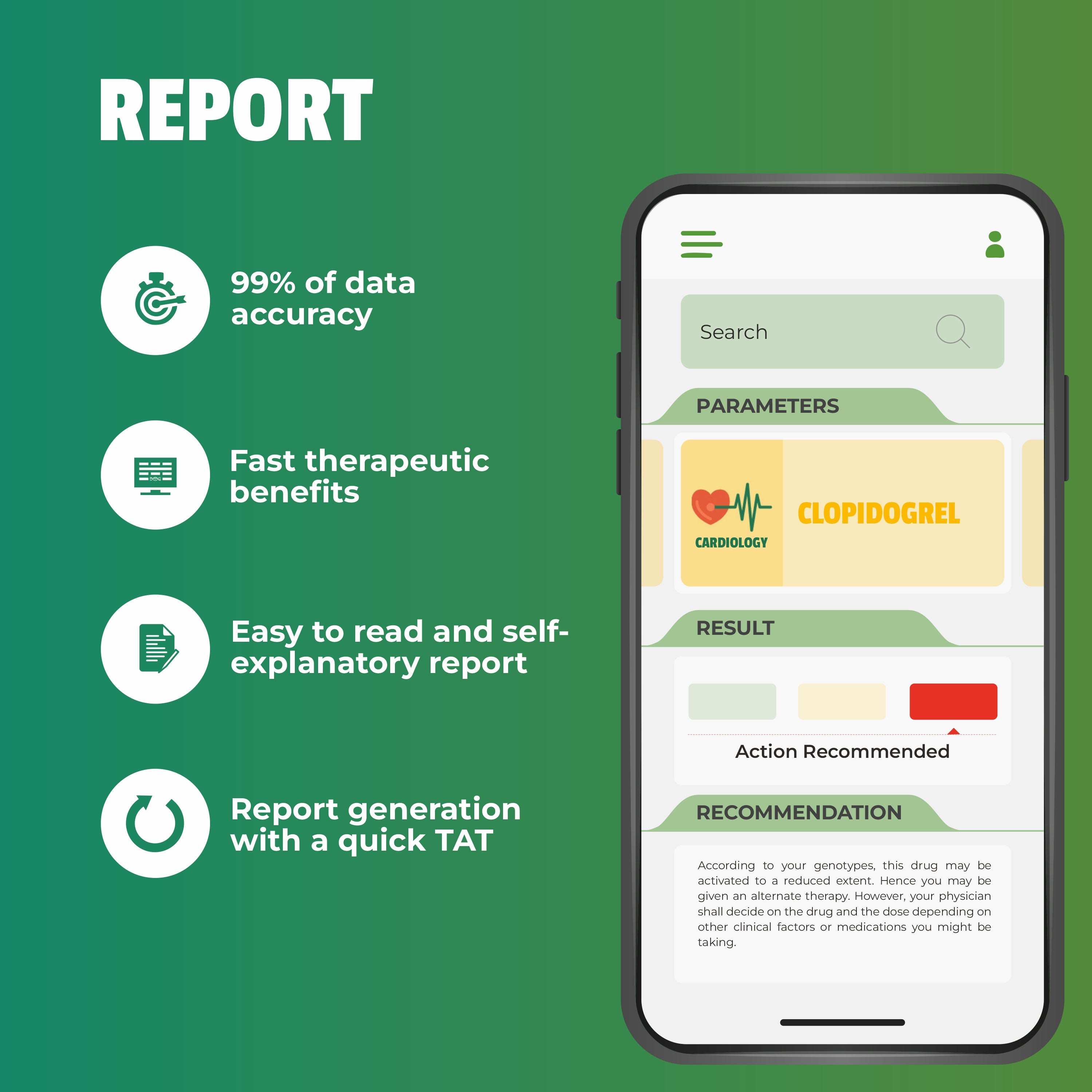
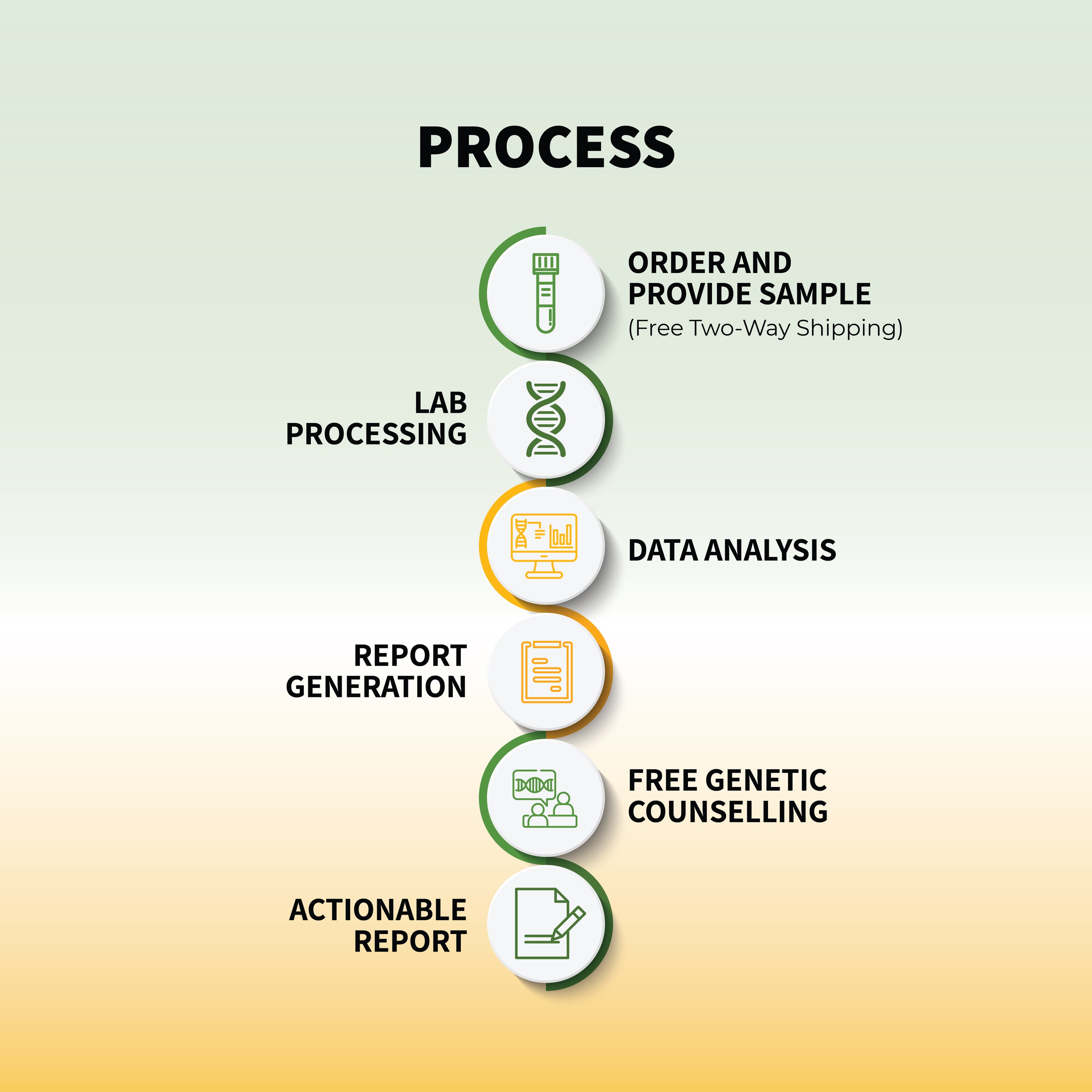
Genomepatri by MapmyGenome reveals your genetic predisposition to heart disease, hypertension, and cholesterol disorders — so you can take proactive steps with a personalized action plan from our genetic counselors.