

The gut microbiome plays a pivotal role in maintaining your overall health. The trillions of microorganisms that reside in your gut — bacteria, fungi, viruses — affect everything from digestion to immunity and even mental health. With gut health becoming a hot topic in wellness circles, gut microbiome tests have gained popularity as a tool to help you better understand the state of your digestive health.
What is the Gut Microbiome?
The gut microbiome refers to the vast community of microorganisms living in your gastrointestinal tract. These microorganisms contribute to essential bodily functions, such as:
- Digesting food: Certain gut bacteria help break down complex carbohydrates and fibres that your body cannot digest on its own.
- Producing vitamins: Some gut bacteria produce essential vitamins like vitamin K and certain B vitamins.
- Supporting immune function: A healthy gut microbiome helps regulate your immune system, protecting you from harmful pathogens.
- Influencing mental health: The gut and brain are connected through the gut-brain axis, with gut bacteria playing a role in mood regulation and mental health.
Disruption in the balance of your gut microbiome, known as dysbiosis, has been linked to digestive disorders, obesity, diabetes, autoimmune diseases, and mental health issues like anxiety and depression.
What is a Gut Microbiome Test?
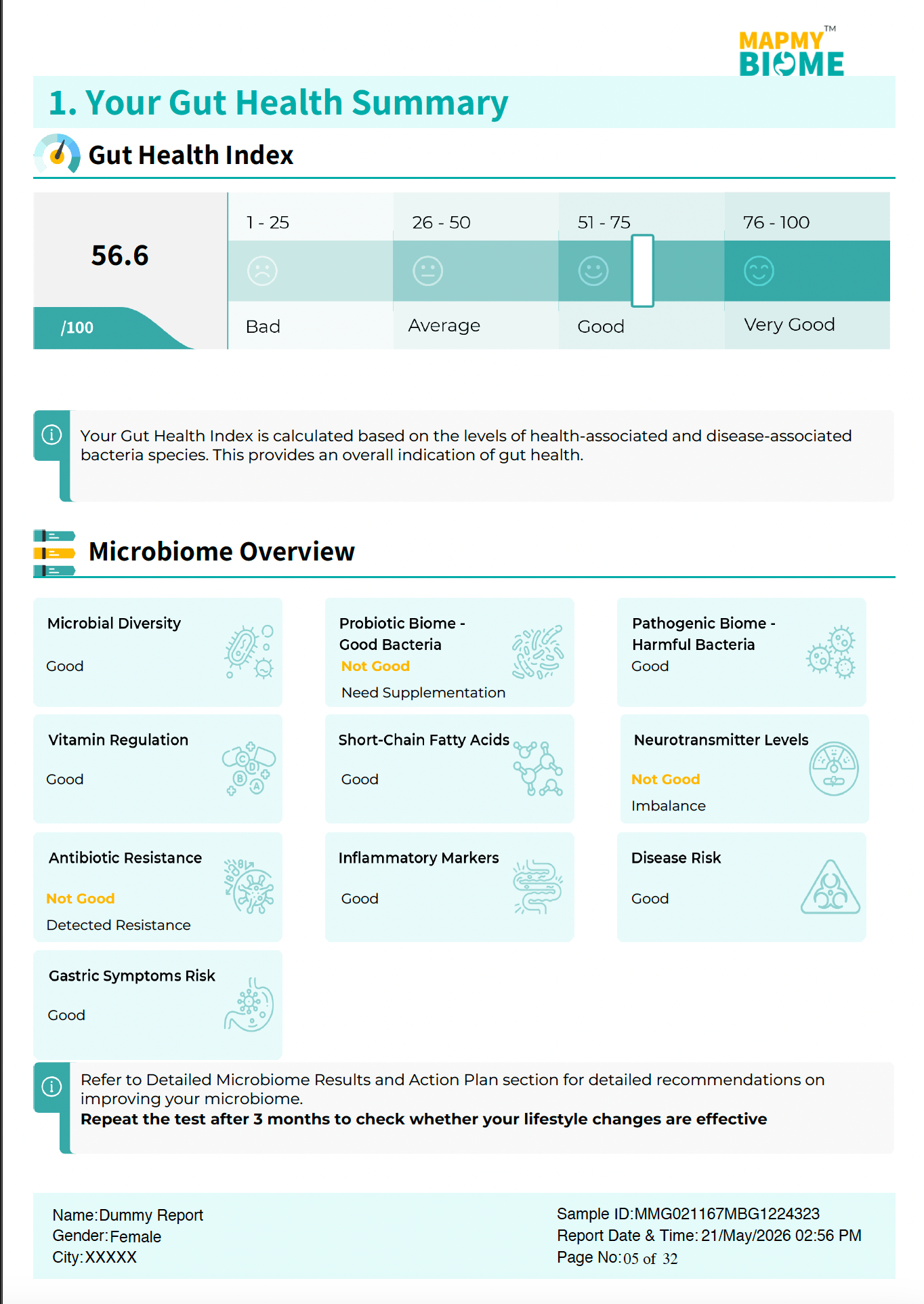
A gut microbiome test analyses the composition of your gut bacteria by examining a stool sample. The test provides a detailed breakdown of the types and quantities of microorganisms in your gut — helping identify imbalances, potential dietary deficiencies, and any harmful bacteria that might be causing health issues.
Why Should You Take a Gut Microbiome Test?
1. Improve Digestive Health
If you frequently experience bloating, gas, constipation, diarrhoea, or indigestion, a gut microbiome test can pinpoint the underlying causes and help you make targeted dietary changes.
2. Enhance Immune Function
A significant portion of your immune system resides in your gut. Imbalances in gut bacteria can weaken your immune defences, leaving you more susceptible to infections and chronic conditions.
3. Support Mental Health
Gut health is intricately linked to mental health via the gut-brain axis. An imbalance in gut bacteria can affect mood regulation. Individuals suffering from anxiety, depression, or brain fog may benefit from assessing whether dysbiosis is contributing to these issues.
4. Personalised Nutrition
Your gut microbiome influences how you metabolise food and absorb nutrients. A microbiome test allows for a personalised approach to nutrition by identifying the types of foods that work best for your unique gut composition.
5. Identify Food Sensitivities
Food sensitivities and intolerances can lead to digestive discomfort, skin issues, fatigue, and other health problems. A gut microbiome test can reveal whether imbalances in gut bacteria are contributing to these sensitivities.
How Does the Gut Microbiome Test Work?
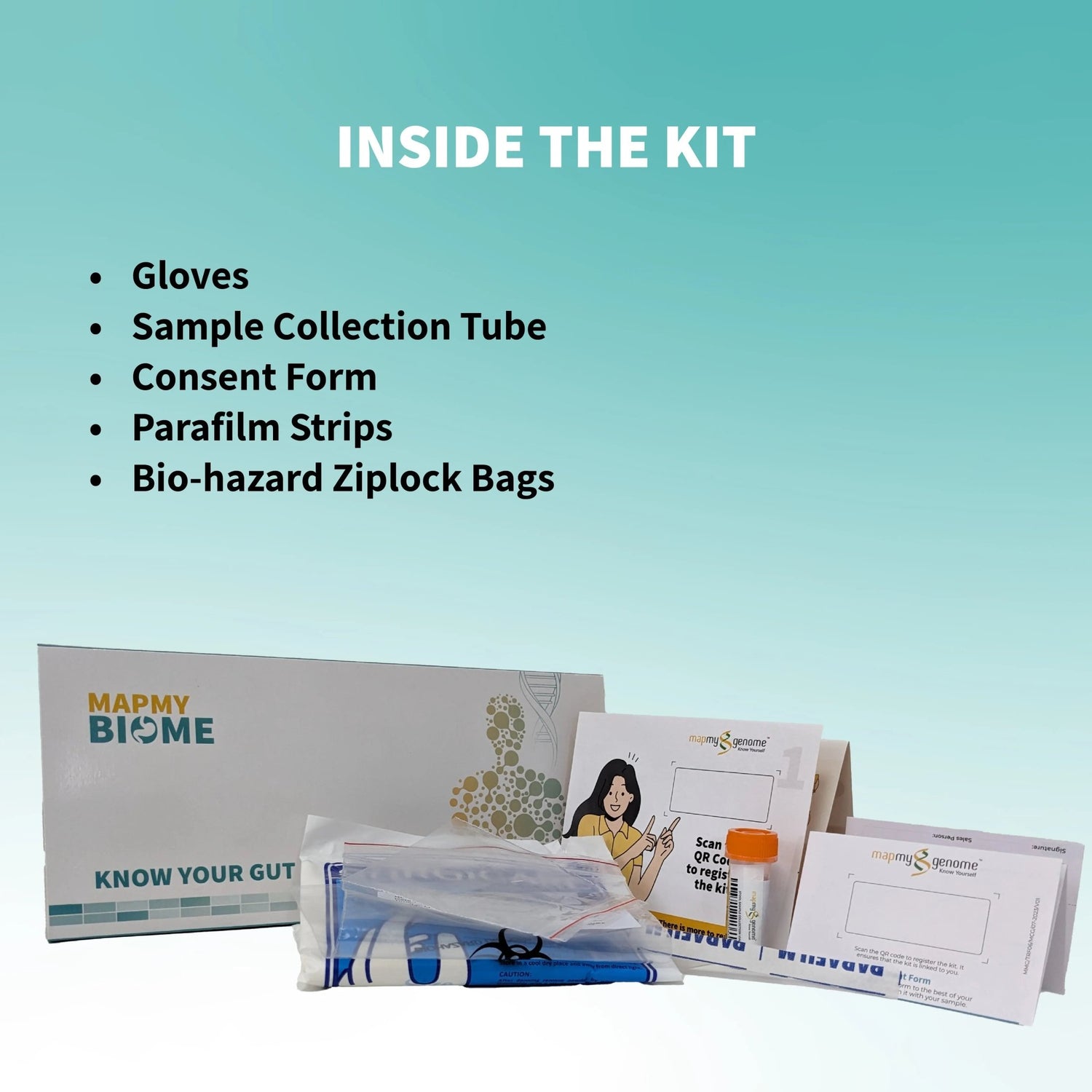
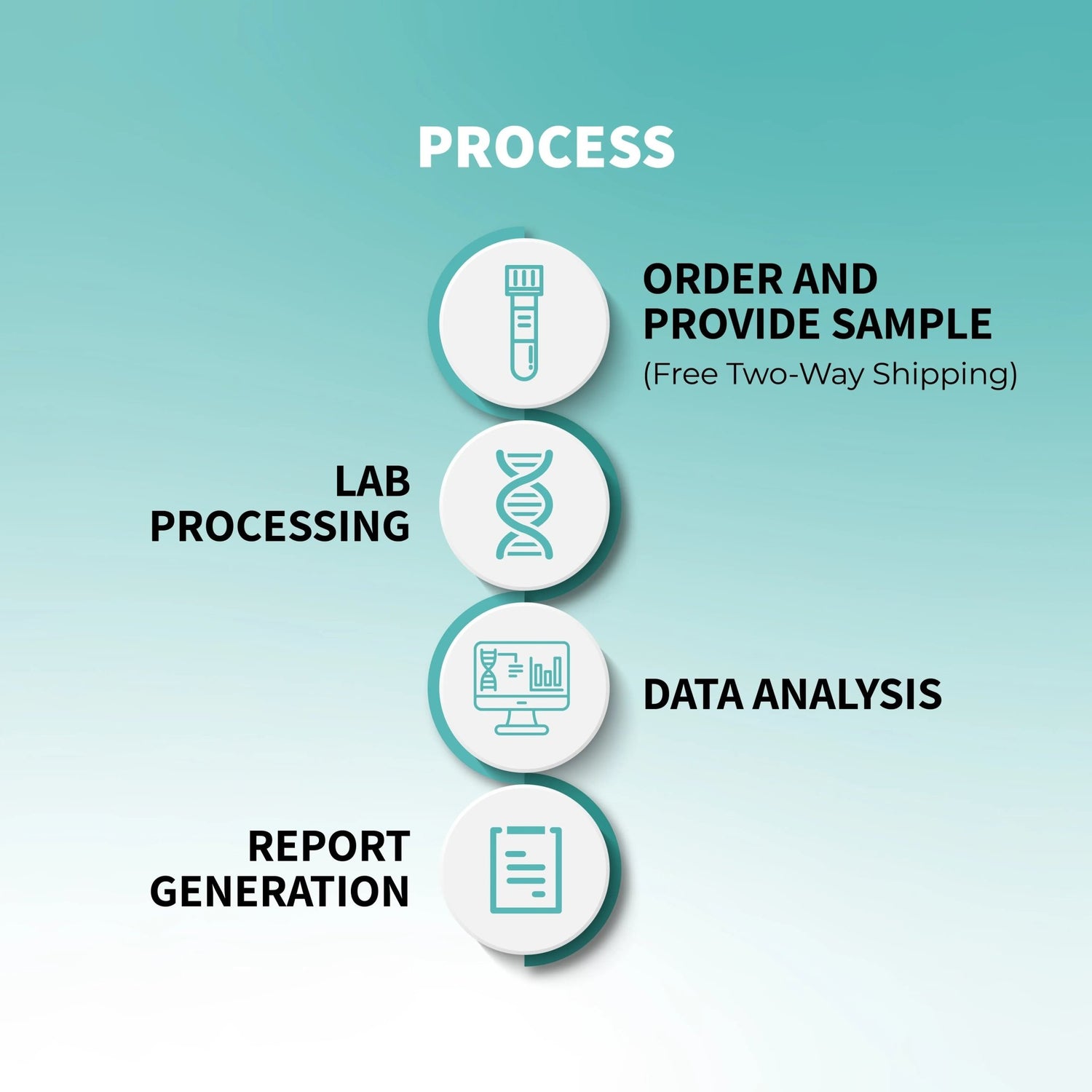
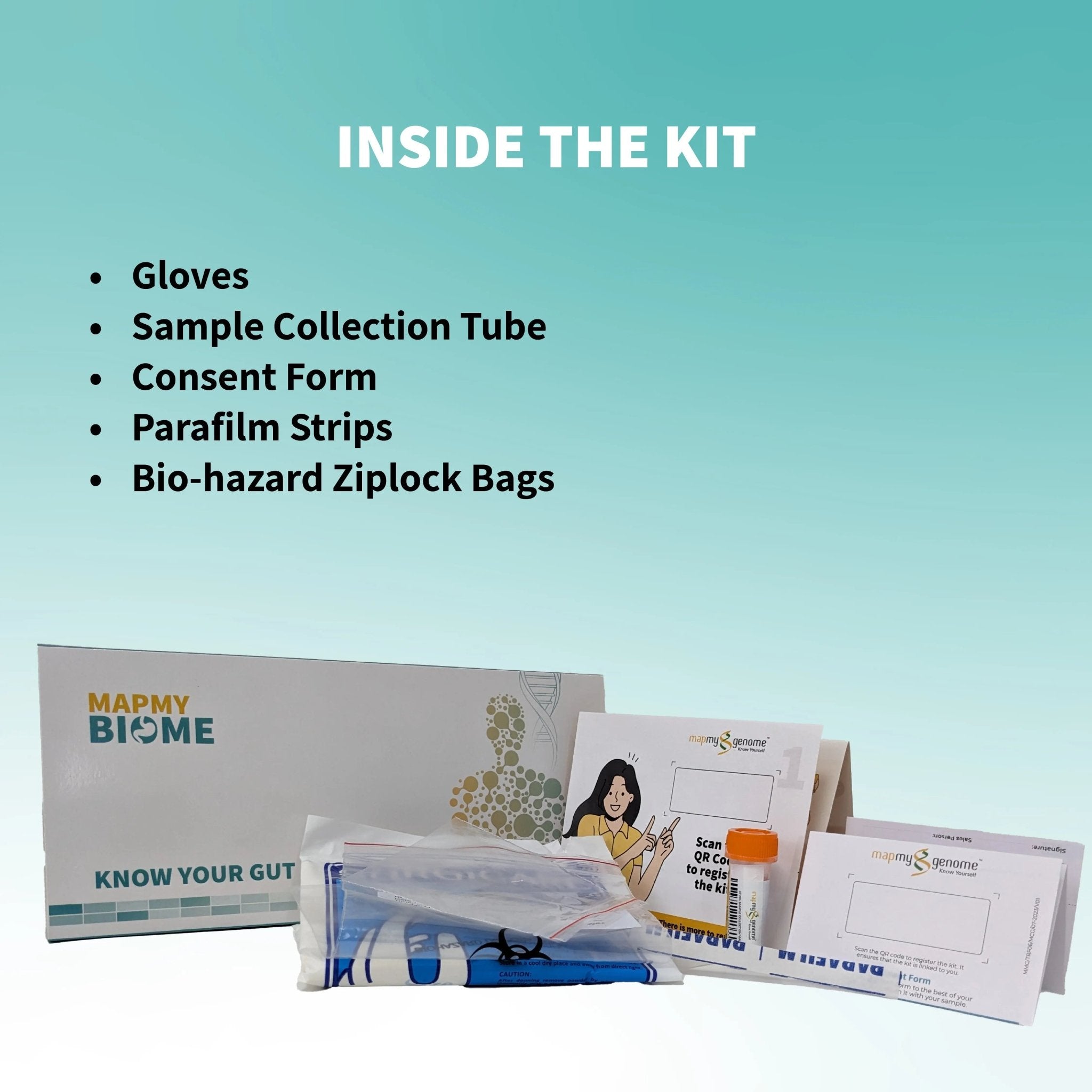
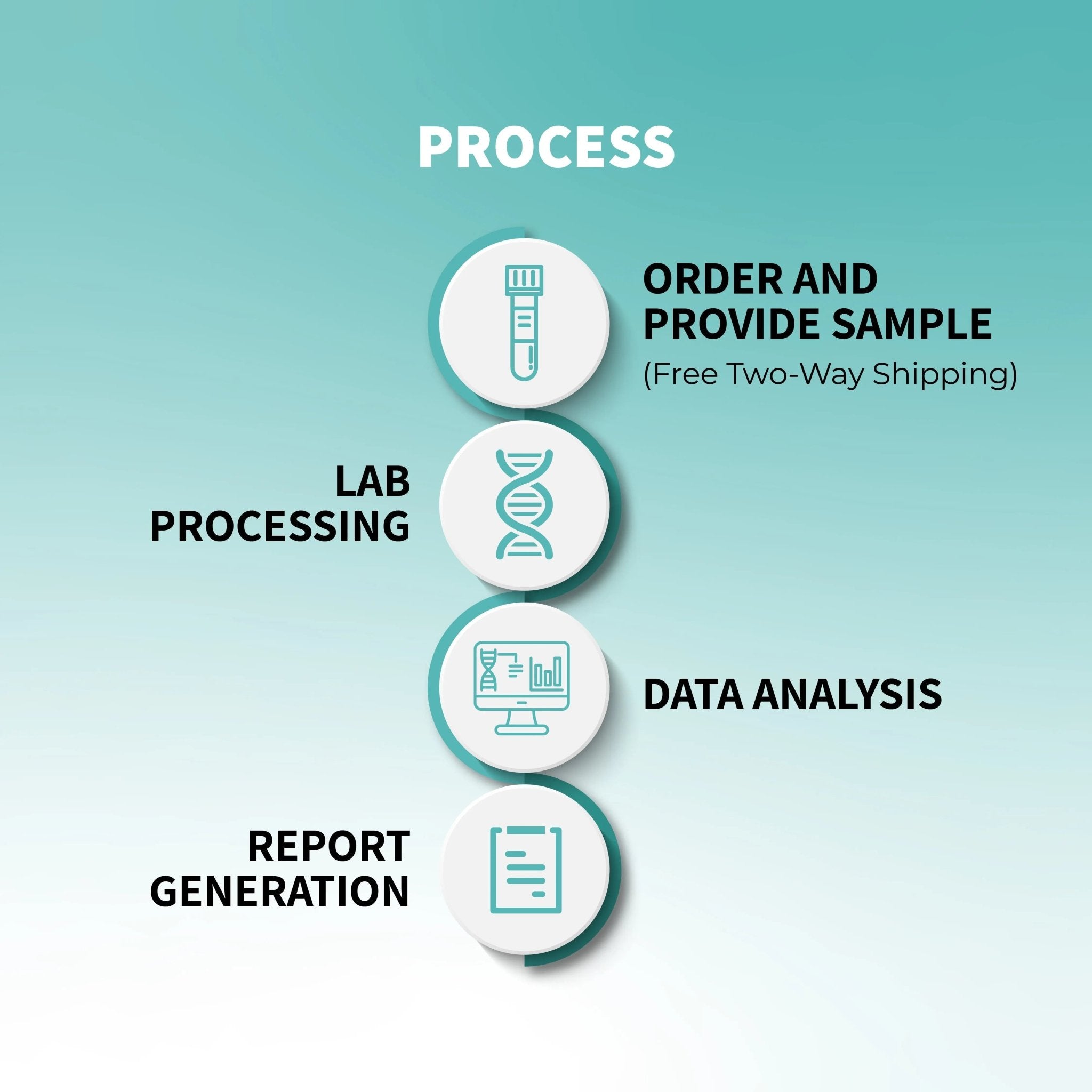
- Order the Test Kit: Order online or through your healthcare provider. The kit includes instructions and materials to collect a small stool sample.
- Collect the Sample: Follow the instructions to collect your stool sample using the provided container and swab.
- Send the Sample to the Lab: The lab uses advanced sequencing technologies such as 16S rRNA sequencing or shotgun metagenomics to identify the types of bacteria in your gut and their relative abundance.
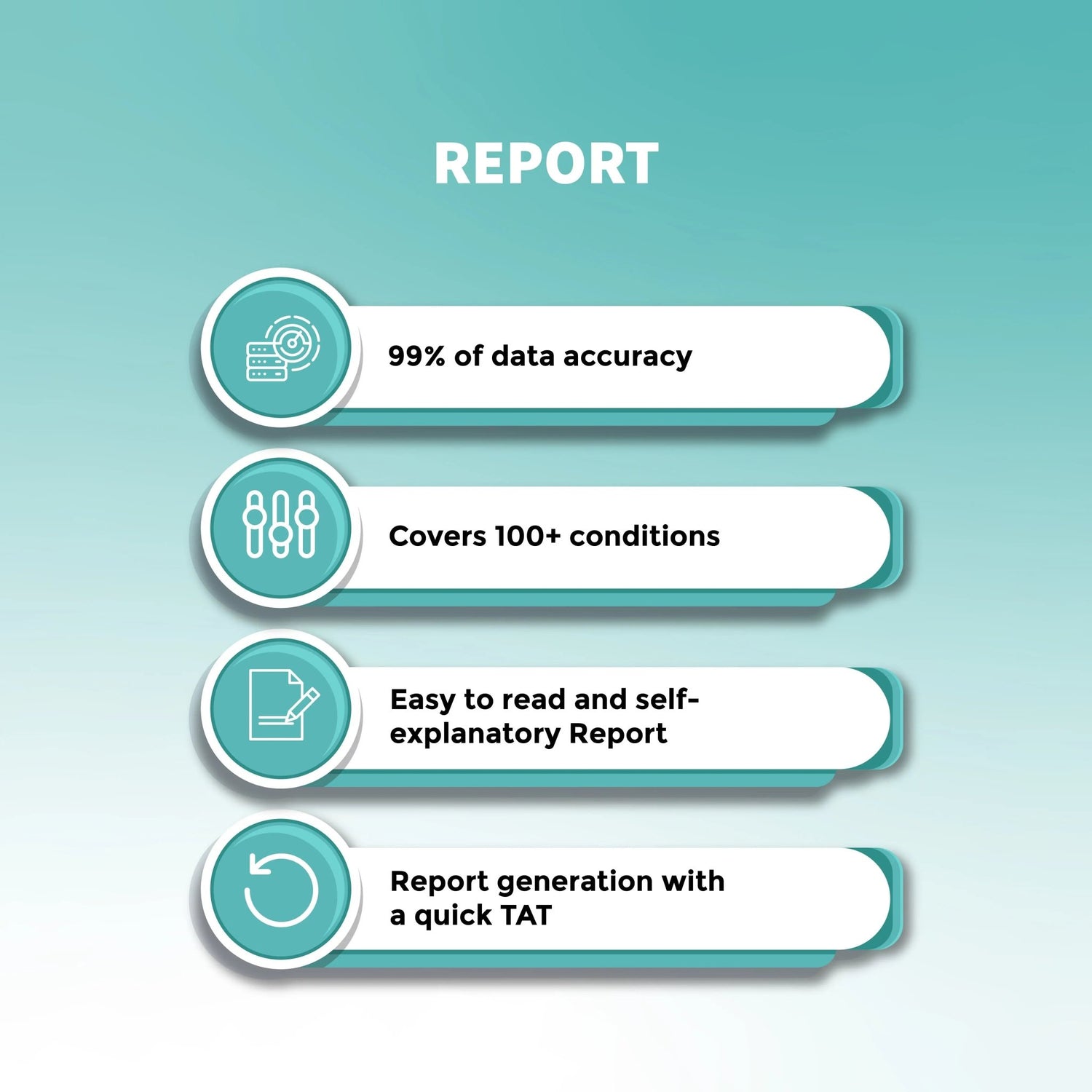
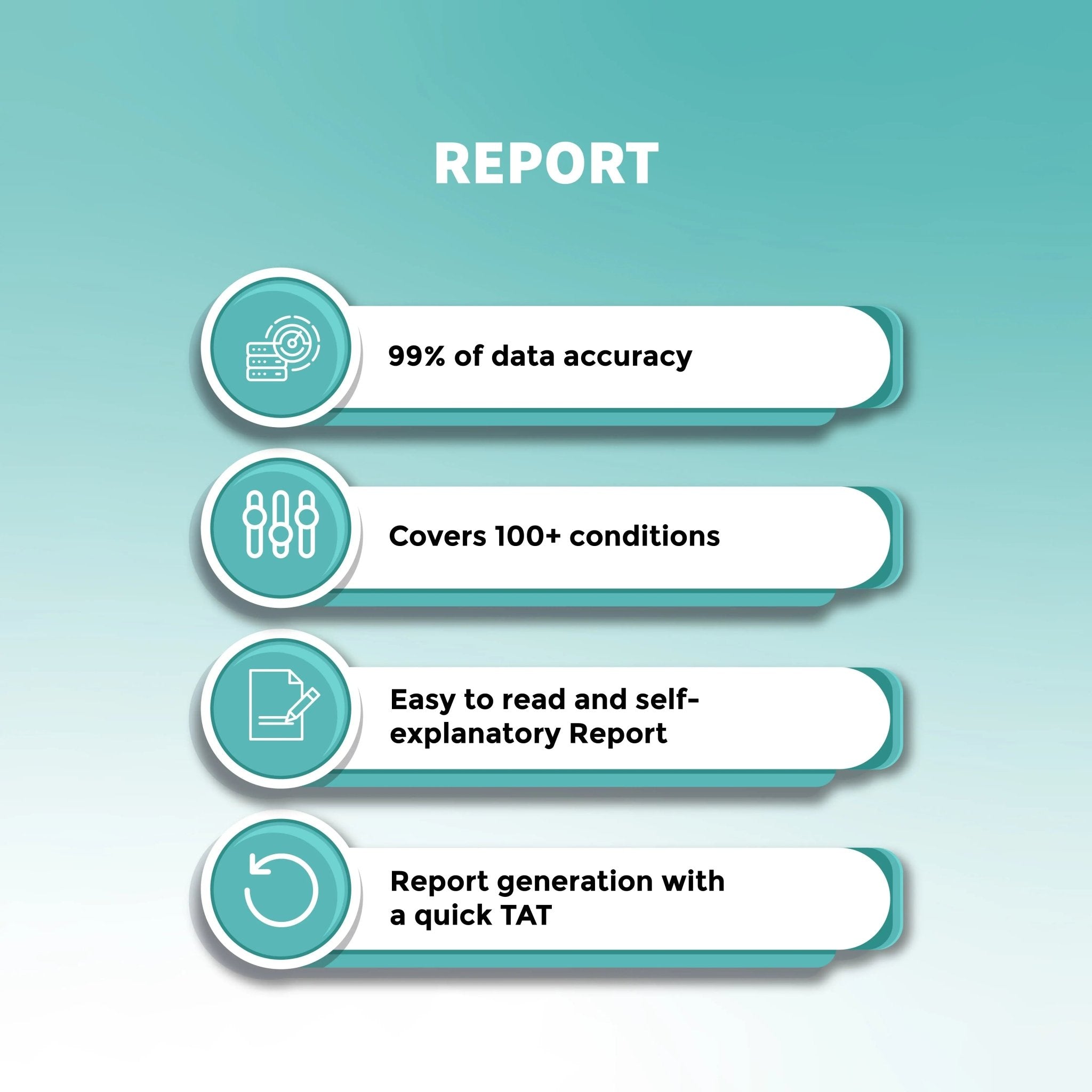
- Receive Your Results: You’ll receive a detailed report of your gut microbiome composition, including diversity, imbalances, and any harmful bacteria present.
- Get Personalised Recommendations: Based on your results, you’ll receive personalised dietary and lifestyle recommendations — including specific probiotic supplements, dietary adjustments, or lifestyle changes.
How to Use Gut Microbiome Test Results to Improve Your Health
- Incorporate Probiotic-Rich Foods: If your test shows low levels of beneficial bacteria, introduce more yogurt, kefir, sauerkraut, idli, dosa, and other fermented foods into your diet.
- Eat More Prebiotic Foods: Feed your beneficial bacteria with fibre-rich foods like garlic, onions, bananas, oats, and legumes.
- Reduce Processed Foods: Processed foods, sugar, and artificial additives can disrupt your gut microbiome. Focus on whole, nutrient-dense foods.
- Stay Hydrated: Adequate water intake supports digestion and helps maintain a healthy gut environment.
- Manage Stress: Chronic stress can negatively impact your gut microbiome. Incorporate stress-reducing practices like meditation, yoga, or regular exercise.
Understand What’s Living in Your Gut
MapmyBiome by MapmyGenome uses shotgun metagenomics sequencing — the gold standard in gut microbiome analysis — to reveal your exact microbial composition and give you personalised diet, probiotic, and lifestyle recommendations.