

Pregnancy brings with it a mix of excitement and anxiety — and for many couples, questions about their baby's health are among the most pressing. Non-Invasive Prenatal Testing (NIPT) has transformed prenatal screening, offering highly accurate information about chromosomal conditions from as early as 10 weeks of pregnancy, with no risk to the baby.
What Is NIPT?
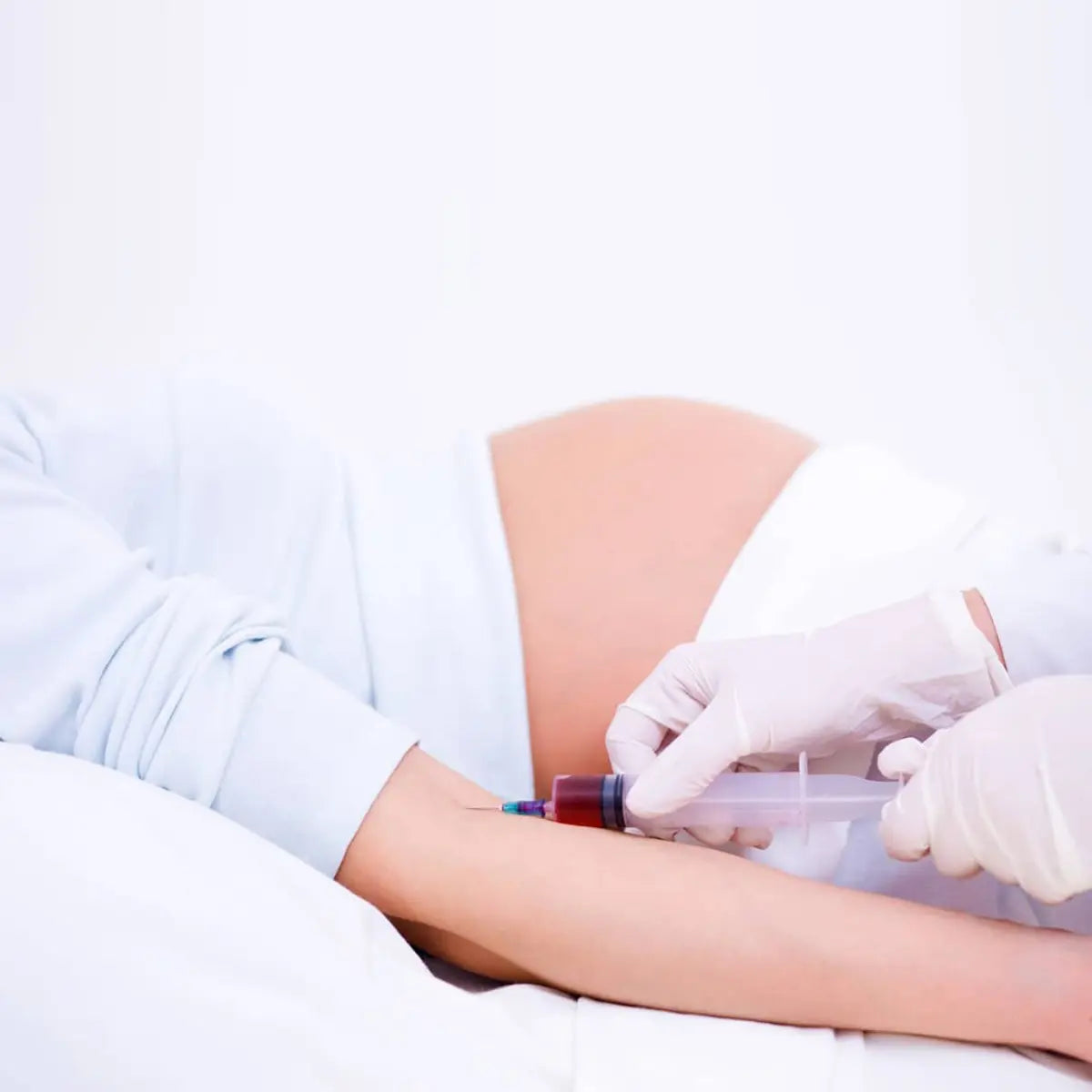
NIPT (Non-Invasive Prenatal Testing) is a prenatal screening test that analyzes cell-free fetal DNA (cfDNA) circulating in the mother's blood. During pregnancy, small fragments of the baby's DNA cross the placenta and enter the mother's bloodstream. NIPT analyzes these fragments to screen for chromosomal abnormalities — all from a simple maternal blood draw.
What Does NIPT Screen For?
- Trisomy 21 (Down syndrome) — >99% sensitivity and specificity
- Trisomy 18 (Edwards syndrome)
- Trisomy 13 (Patau syndrome)
- Sex chromosome abnormalities (Turner syndrome, Klinefelter syndrome, XXX, XYY)
- Microdeletion syndromes (in expanded panels) — including DiGeorge syndrome, Prader-Willi syndrome, and others
- Fetal sex determination (optional)
How Is NIPT Different from Other Prenatal Tests?
vs. First-Trimester Combined Screening
First-trimester combined screening (nuchal translucency ultrasound + blood tests) has a detection rate of approximately 85–90% for Down syndrome with a 5% false positive rate. NIPT has a detection rate of >99% with a false positive rate of <0.1% — significantly more accurate.
vs. Amniocentesis and CVS
Amniocentesis and CVS are diagnostic tests — they provide definitive chromosomal diagnoses. However, they carry a small procedural risk (approximately 0.5–1% risk of pregnancy loss). NIPT is a screening test — it identifies pregnancies at elevated risk but does not provide a definitive diagnosis. Positive NIPT results should be confirmed with amniocentesis or CVS before any clinical decisions are made.
When Is NIPT Recommended?
NIPT is recommended for all pregnant women, but is particularly important for women of advanced maternal age (35+), those with a previous pregnancy affected by a chromosomal condition, those with abnormal first-trimester screening results, and those with a family history of chromosomal conditions. It can be performed from 10 weeks of pregnancy.
Understanding Your NIPT Results
A low-risk result means the test did not detect evidence of the screened conditions — but does not completely rule them out. A high-risk result means the test detected evidence suggesting an elevated risk — but is not a diagnosis. Confirmatory diagnostic testing is required. A genetic counsellor can help you understand your results and navigate next steps.
FAQs
Is NIPT safe for the baby?
Yes. NIPT requires only a maternal blood draw — there is no risk to the pregnancy whatsoever.
Can NIPT detect all chromosomal abnormalities?
No. NIPT screens for specific chromosomal conditions. It does not detect all genetic conditions or structural birth defects. A normal NIPT result does not guarantee a healthy baby.
India’s Most Accurate Non-Invasive Prenatal Test
MapmyGenome's BabyMap NIPT screens for chromosomal abnormalities including Down syndrome, Edwards syndrome, and Patau syndrome from as early as 10 weeks — with no risk to your pregnancy. Backed by NABL-certified labs and expert genetic counsellors.