

Mental health struggles are among the most common — and most stigmatized — health challenges in India. An estimated 150 million Indians need mental health care, yet fewer than 30 million receive it. The gap between need and treatment is driven by stigma, lack of awareness, shortage of mental health professionals, and the pervasive cultural message that mental health struggles should be endured in silence. This needs to change.
The Scale of Mental Health Challenges in India
Depression and anxiety are among the most common health conditions globally, affecting hundreds of millions of people. In India, the National Mental Health Survey found that approximately 10.6% of adults have a mental health disorder — with depression, anxiety, and substance use disorders being the most prevalent. Suicide is the leading cause of death among young Indians aged 15–29.
Despite this enormous burden, India has fewer than 0.3 psychiatrists per 100,000 population — compared to a recommended minimum of 3 per 100,000. The treatment gap — the proportion of people with mental health conditions who receive no treatment — exceeds 80% for most conditions.
Why People Struggle in Silence
Stigma
Mental health stigma — the negative attitudes, beliefs, and behaviors directed at people with mental health conditions — is the primary barrier to help-seeking in India. Fear of being labeled "mad," concerns about social and professional consequences, and internalized shame prevent millions of people from seeking the help they need and deserve.
Lack of Awareness
Many people don't recognize their symptoms as mental health conditions. Depression may be experienced as physical symptoms (fatigue, pain, digestive problems) rather than sadness. Anxiety may be attributed to stress or personality rather than recognized as a treatable condition.
Access Barriers
Mental health services are concentrated in urban areas and are often expensive. In rural India, mental health professionals are virtually absent. Telemedicine and digital mental health platforms are beginning to address this gap, but access remains severely limited.
The Genetic Component of Mental Health
Mental health conditions have significant genetic components. Depression, anxiety, bipolar disorder, schizophrenia, and ADHD all run in families. Understanding your genetic predispositions doesn't mean your fate is sealed — but it does mean you can be more alert to early warning signs and more proactive about prevention and early intervention.
Pharmacogenomics is also transforming mental health treatment. Genetic variants in CYP2D6 and CYP2C19 affect how antidepressants and antipsychotics are metabolized — influencing both efficacy and side effect risk. Knowing your pharmacogenomic profile can help your doctor choose the right medication from the start, reducing the trial-and-error that often discourages people from continuing treatment.
You Don't Have to Struggle Alone
- Talk to someone you trust: A friend, family member, or colleague. Breaking the silence is the first step.
- See a doctor: Your GP is a good first point of contact. Mental health conditions are medical conditions — they deserve medical attention.
- Use digital resources: Apps, online therapy, and helplines provide accessible support. iCall (9152987821) and Vandrevala Foundation (1860-2662-345) offer free mental health support in India.
- Be patient with yourself: Recovery takes time. Seeking help is a sign of strength, not weakness.
FAQs
Is it normal to feel anxious or depressed?
Occasional anxiety and sadness are normal human experiences. When these feelings are persistent, severe, or interfere with daily functioning, they may indicate a mental health condition that warrants professional attention. There is no shame in seeking help.
How do I find a mental health professional in India?
The Vandrevala Foundation, iCall, and the National Institute of Mental Health and Neurosciences (NIMHANS) provide referrals. Many private hospitals have psychiatry and psychology departments. Telemedicine platforms like Practo and 1mg offer online mental health consultations.
Understand Your Genetic Mental Health and Medication Profile
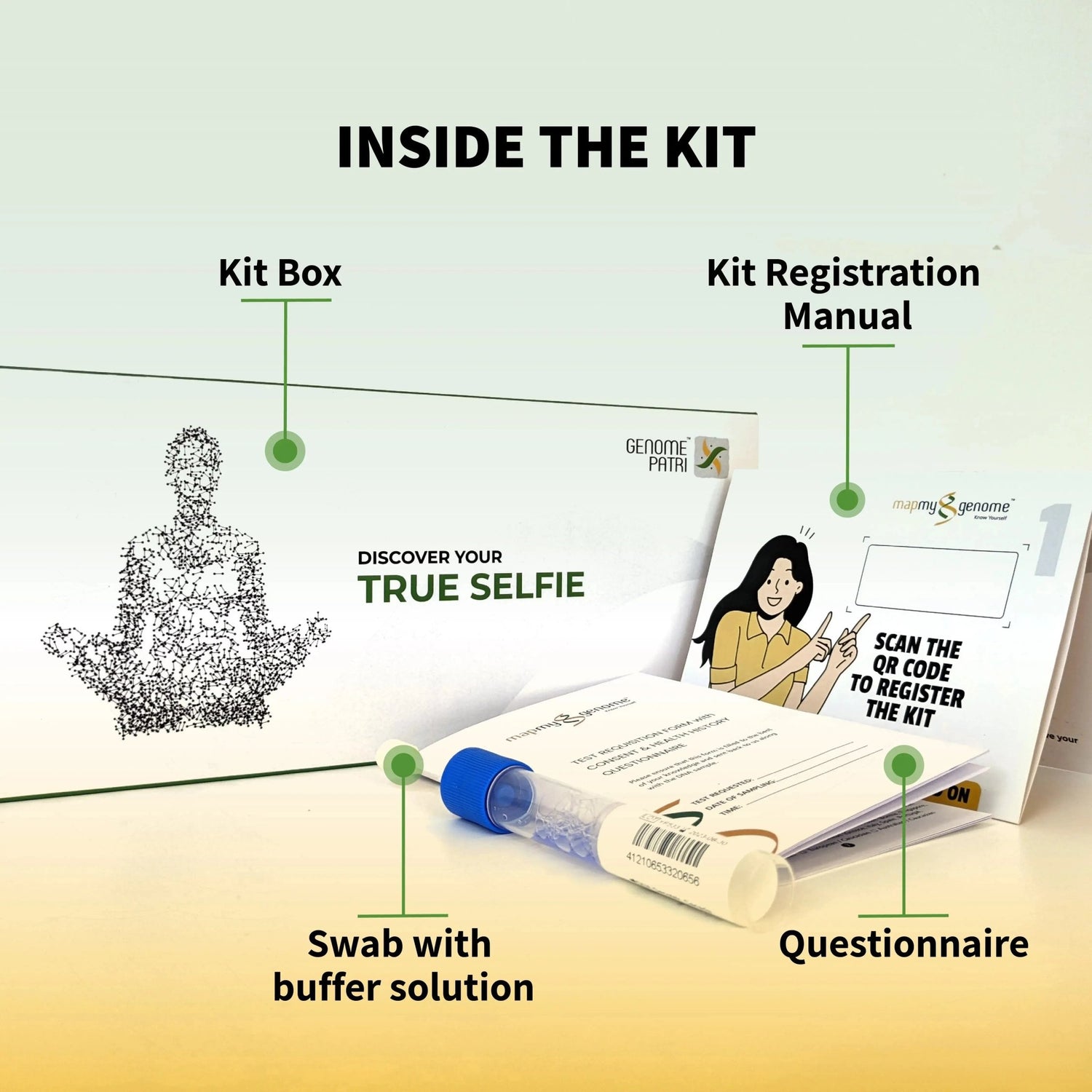
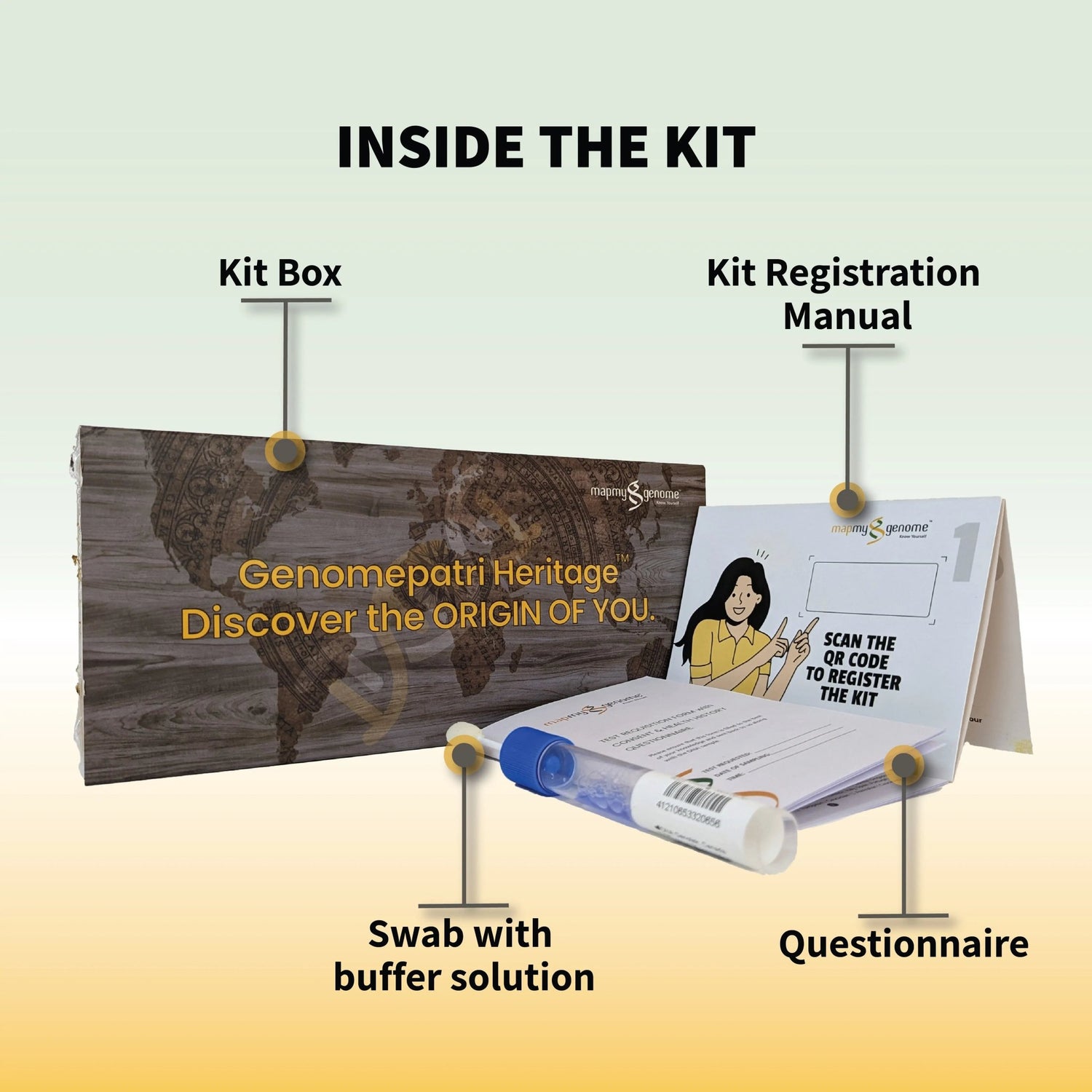
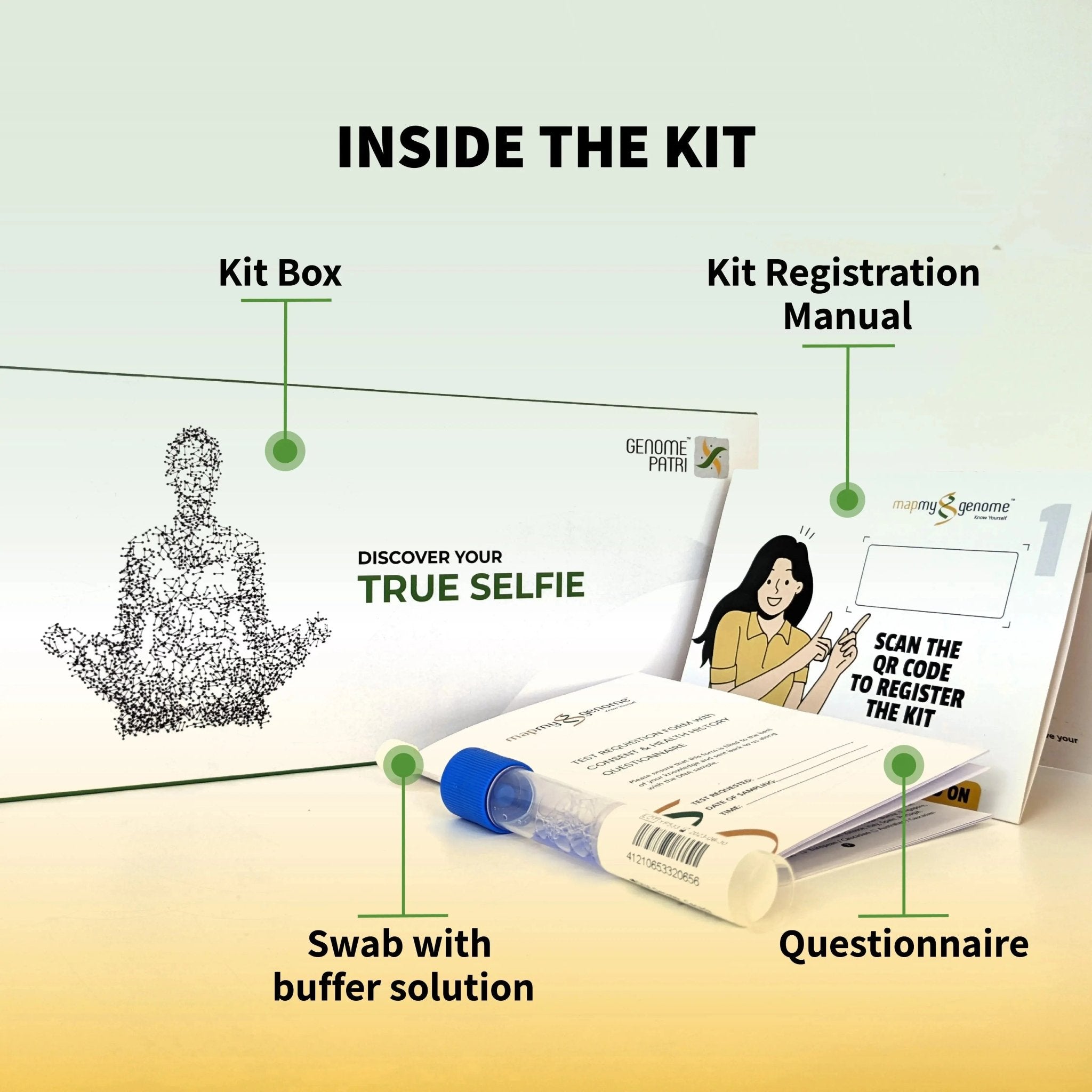
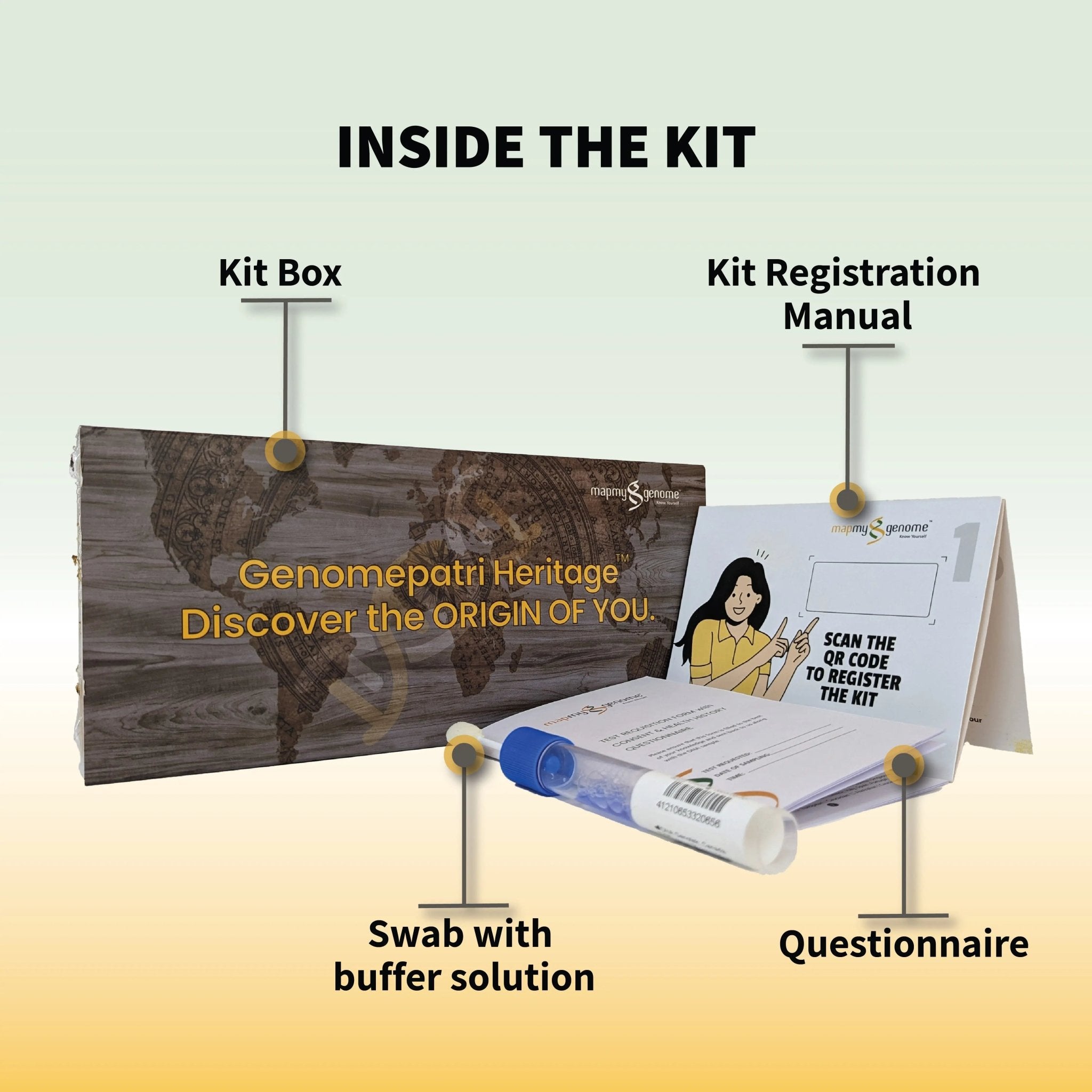
Genomepatri and MedicaMap by MapmyGenome include genetic insights into mental health predispositions and pharmacogenomic profiles for psychiatric medications — helping you and your doctor make more informed decisions about prevention and treatment.