

We all know that food plays a big role in how we feel—but did you know what you eat can also affect your cancer risk? Science says your plate can be a powerful shield against certain types of cancer, especially when combined with genetic awareness.
What's the Connection Between Food and Cancer?
Cancer isn't just about genes—it's about how your environment and lifestyle interact with your DNA. Some people may have a genetic cancer risk, but the foods they eat can influence whether or not those genes actually get triggered. This is where epigenetics comes in — certain foods can actually turn on or off genes linked to inflammation, cell repair, and tumor growth.
10 Best Foods to Fight Cancer (According to Science)
1. Cruciferous Vegetables
Broccoli, cauliflower, cabbage, kale, and Brussels sprouts contain sulforaphane—a compound known to boost your body's detox pathways and kill cancer cells in lab studies. A study from Johns Hopkins University found sulforaphane may reduce the size and number of cancer cells in the prostate.
2. Berries
Blueberries, raspberries, and strawberries are full of antioxidants and ellagic acid, which protect your cells from damage and slow the growth of cancer.
3. Tomatoes
Tomatoes are rich in lycopene, a pigment that may help reduce the risk of prostate and breast cancer. Cooking them boosts lycopene availability.
4. Garlic and Onions
Members of the allium family have been shown to lower the risk of stomach and colorectal cancers. Garlic activates enzymes that neutralize carcinogens.
5. Turmeric
This golden spice contains curcumin, a powerful anti-inflammatory and antioxidant compound. Research suggests curcumin may slow cancer cell growth in breast, bowel, and stomach cancers.
6. Green Tea
Rich in catechins, green tea may prevent cancer by blocking the formation of cancer-causing compounds and reducing tumor growth.
7. Leafy Greens
Spinach, arugula, swiss chard, and kale are high in folate and carotenoids, both linked to lower risks of several cancers, especially breast and colorectal.
8. Fatty Fish
Salmon, sardines, and mackerel are loaded with omega-3 fatty acids, which are anti-inflammatory and support cell health.
9. Legumes
Beans, lentils, and chickpeas contain fiber, which keeps your gut healthy and may reduce the risk of colorectal cancer.
10. Whole Grains
Brown rice, oats, barley, and quinoa provide fiber, antioxidants, and minerals that support healthy digestion and lower cancer risk.
Anti-Cancer Diet Tips You Can Start Today
Fill Half Your Plate with Plants — Vegetables, fruits, and whole grains should be the stars of your meal.
Choose "Good Fats" — Use olive oil, nuts, seeds, and fatty fish instead of fried or processed fats.
Cut Back on Processed Meats — Limit bacon, sausage, and ham—they're linked to increased colorectal cancer risk.
Limit Sugar and Refined Carbs — High sugar intake can lead to obesity, which increases the risk for many cancers.
Hydrate with Herbal Teas & Water — Green tea or turmeric lattes are great anti-cancer options.
Real-Life Anti-Cancer Meal Ideas
Breakfast: Oats with blueberries, walnuts, and a drizzle of honey
Lunch: Quinoa salad with spinach, tomatoes, chickpeas, and olive oil
Snack: Green tea and a handful of almonds
Dinner: Grilled salmon with steamed broccoli and brown rice
Dessert: Greek yogurt with strawberries
FAQs About Foods That Prevent Cancer
Q1: Can diet really prevent cancer?
Yes, while no diet can offer 100% protection, research shows that eating a plant-rich diet can lower your cancer risk significantly—especially for colon, breast, and stomach cancers.
Q2: Is there a genetic test to assess cancer risk?
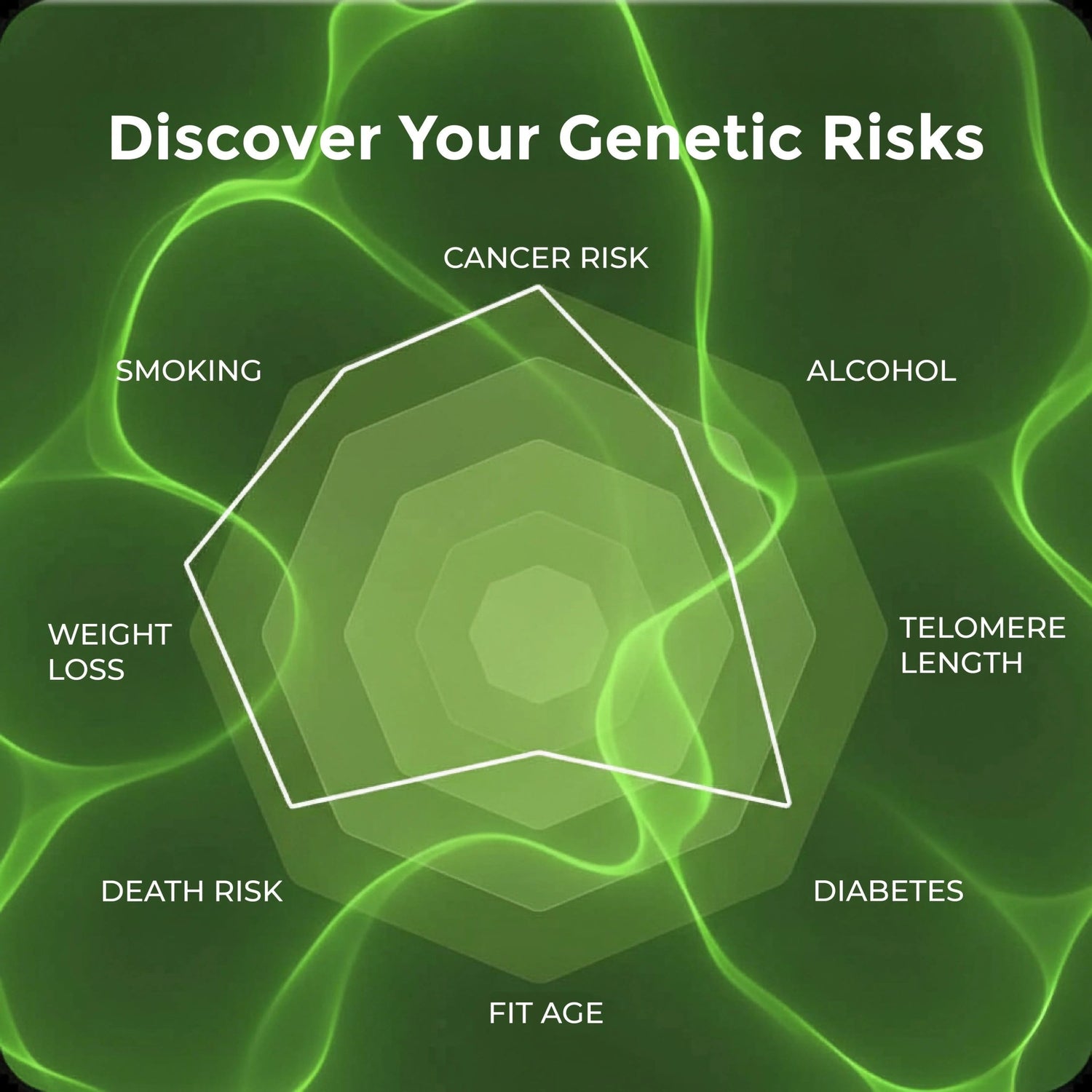
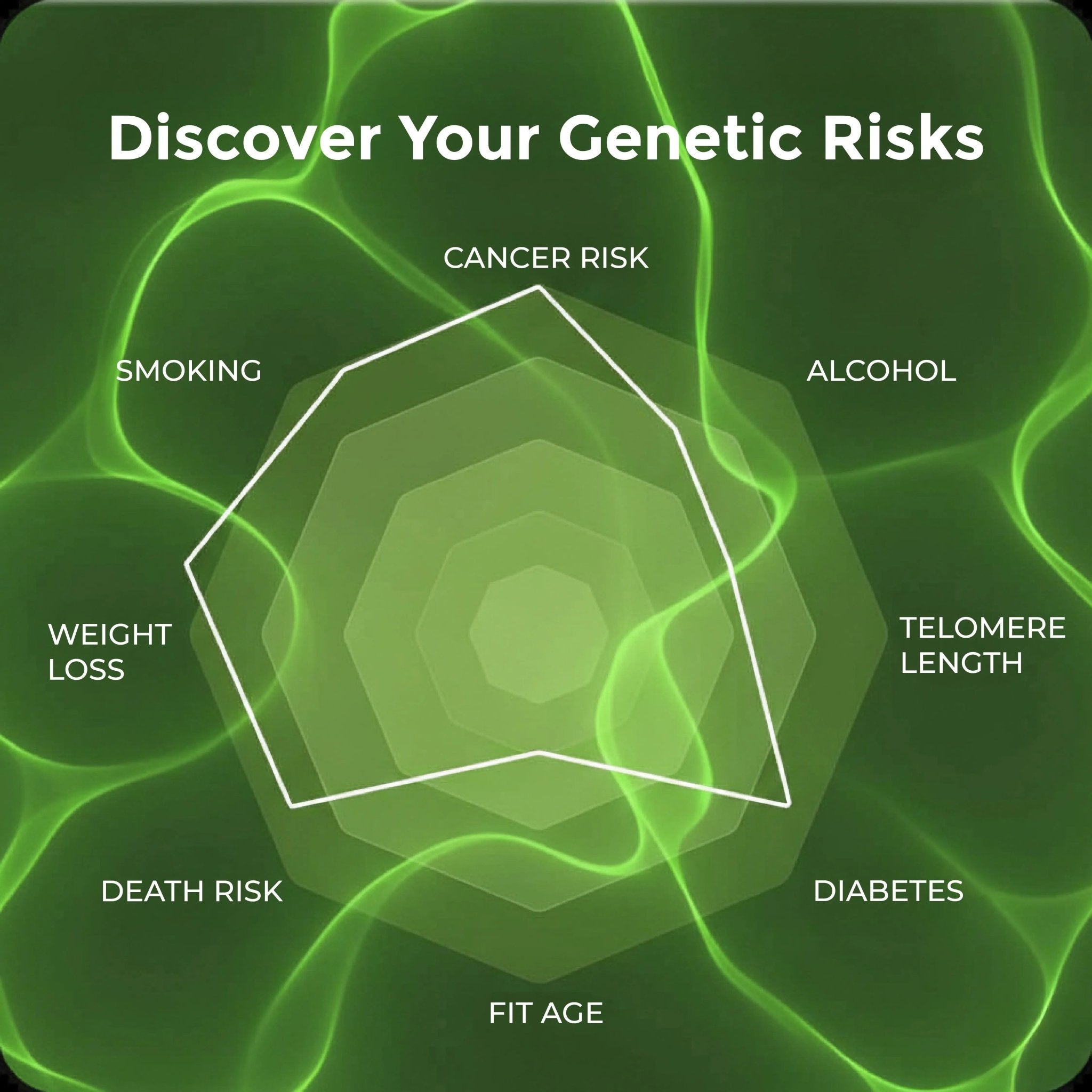
Yes! Tests like DNA OncoScreen help identify inherited gene mutations associated with cancer risk. Knowing your risk can help you make smarter food and lifestyle choices.
Q3: What foods should I avoid to lower cancer risk?
Limit processed meats, red meat, sugary drinks, and ultra-processed snacks. Choose whole, minimally processed options whenever possible.
Know Your Genetic Cancer Risk — Then Eat to Protect Yourself
Genomepatri by MapmyGenome assesses your genetic predisposition to cancer and 100+ other conditions — so you can combine the right anti-cancer foods with a personalised prevention plan backed by NABL-certified labs and expert genetic counsellors.