


Ever wonder why some people build muscle faster, run longer, or bounce back from a hard workout in half the time? The answer is partly in your DNA. Genetic testing for fitness is changing how we approach training, nutrition, and recovery — moving beyond generic plans to strategies built around your unique biological blueprint.
What Is a Genetic Test for Fitness?
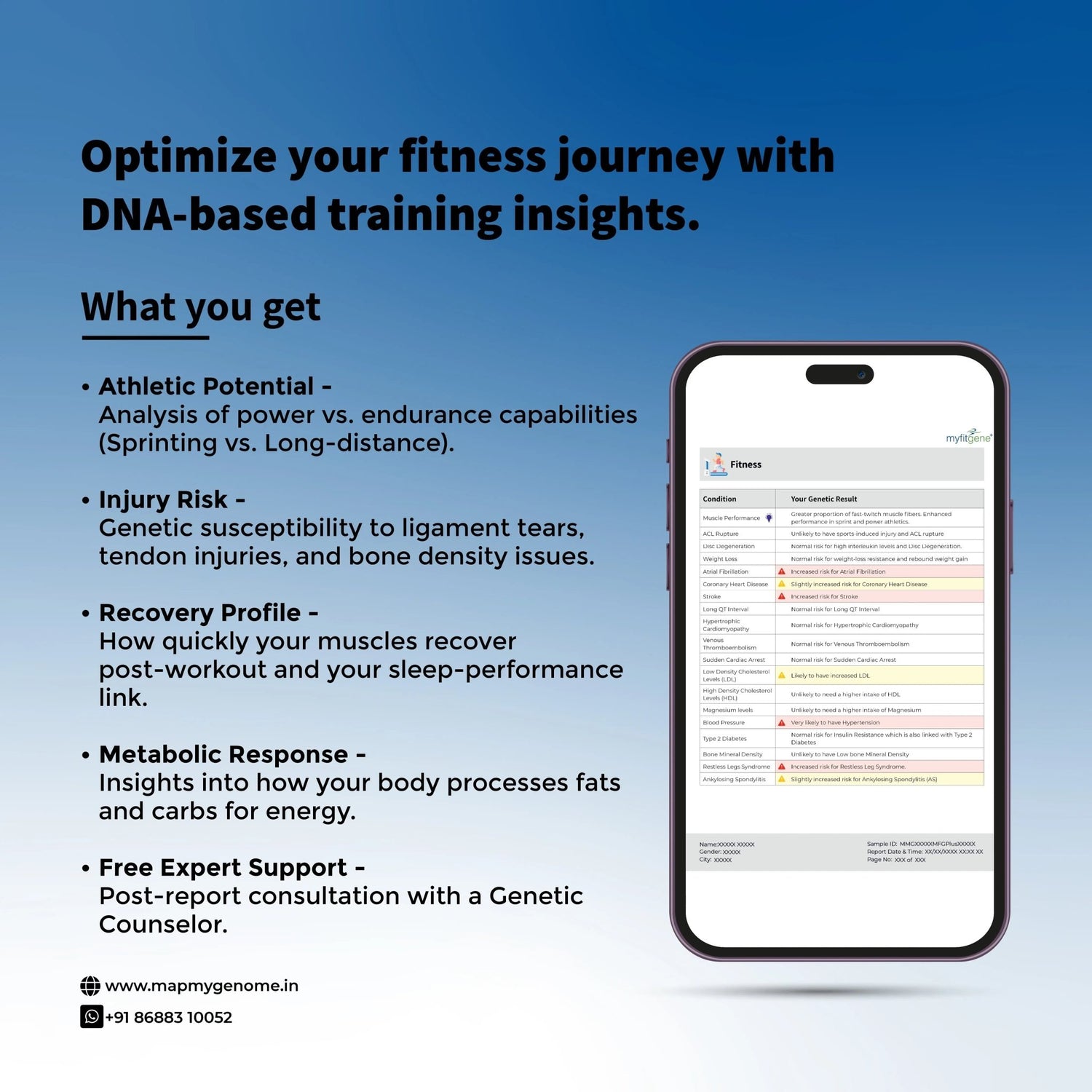
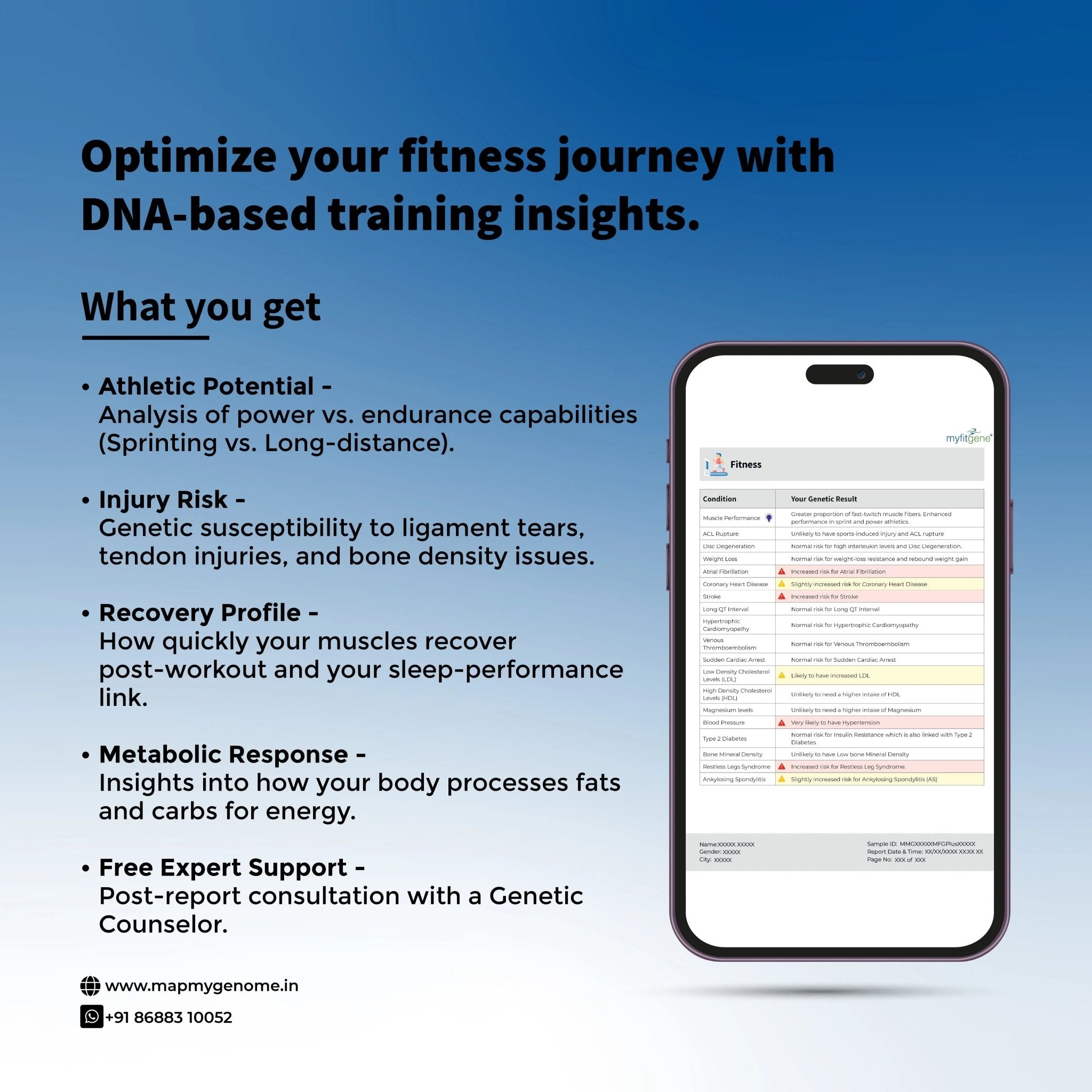
A fitness genetic test analyzes specific markers in your DNA that are linked to muscle strength, endurance, metabolism, recovery speed, and injury risk. The results help you understand how your body is naturally wired to respond to different types of exercise — so you can train smarter, not just harder.
Why Your DNA Matters for Fitness
- Muscle fibre composition — whether you're naturally better suited to power/speed or endurance activities
- Recovery rate — how quickly your muscles repair after training
- Injury susceptibility — your connective tissue strength and joint stability
- Metabolic efficiency — how your body converts food into energy during exercise
- VO2 max potential — your ceiling for aerobic capacity and endurance
Key Genetic Markers That Influence Fitness
ACTN3 — The "Speed Gene"
ACTN3 encodes alpha-actinin-3, a protein found exclusively in fast-twitch muscle fibres. People with the RR variant tend to excel at power and sprint-based activities, while those with the XX variant may be better suited to endurance sports.
ACE — Endurance and Heart Function
The ACE gene influences cardiovascular efficiency. The I (insertion) variant is associated with better endurance performance, while the D (deletion) variant is linked to greater strength and power output.
COL5A1 — Connective Tissue and Injury Risk
COL5A1 encodes a type of collagen critical for tendon and ligament integrity. Certain variants are associated with higher risk of soft tissue injuries like Achilles tendon rupture and ACL tears.
VEGF — Oxygen Delivery to Muscles
VEGF influences the growth of blood vessels and oxygen delivery to working muscles — a key factor in endurance performance.
PPARGC1A — Mitochondrial Efficiency
This gene regulates mitochondrial biogenesis. Variants here influence how well your body adapts to endurance training and how efficiently it burns fat for fuel.
Benefits of Fitness Genetic Testing
- Personalized training plans — Know whether to prioritize strength, endurance, or a combination
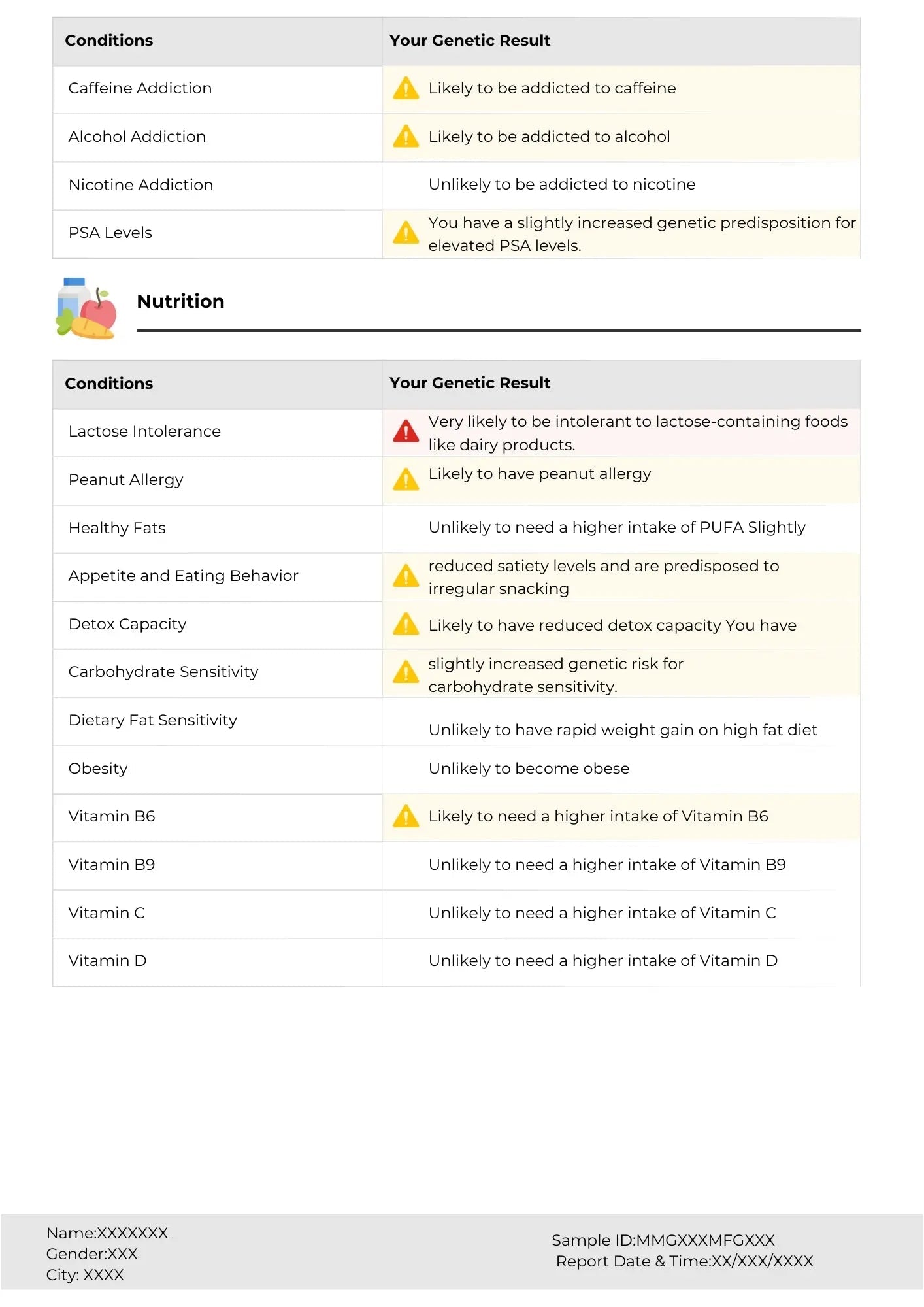
- Optimized nutrition — Understand your carbohydrate sensitivity, protein needs, and fat metabolism
- Injury prevention — Identify connective tissue vulnerabilities before they become problems
- Smarter recovery — Tailor rest periods and recovery protocols to your genetic recovery rate
- Realistic goal-setting — Understand your natural strengths and where you'll need to work harder
FAQs About Fitness Genetic Testing
What is the best genetic test for fitness in India?
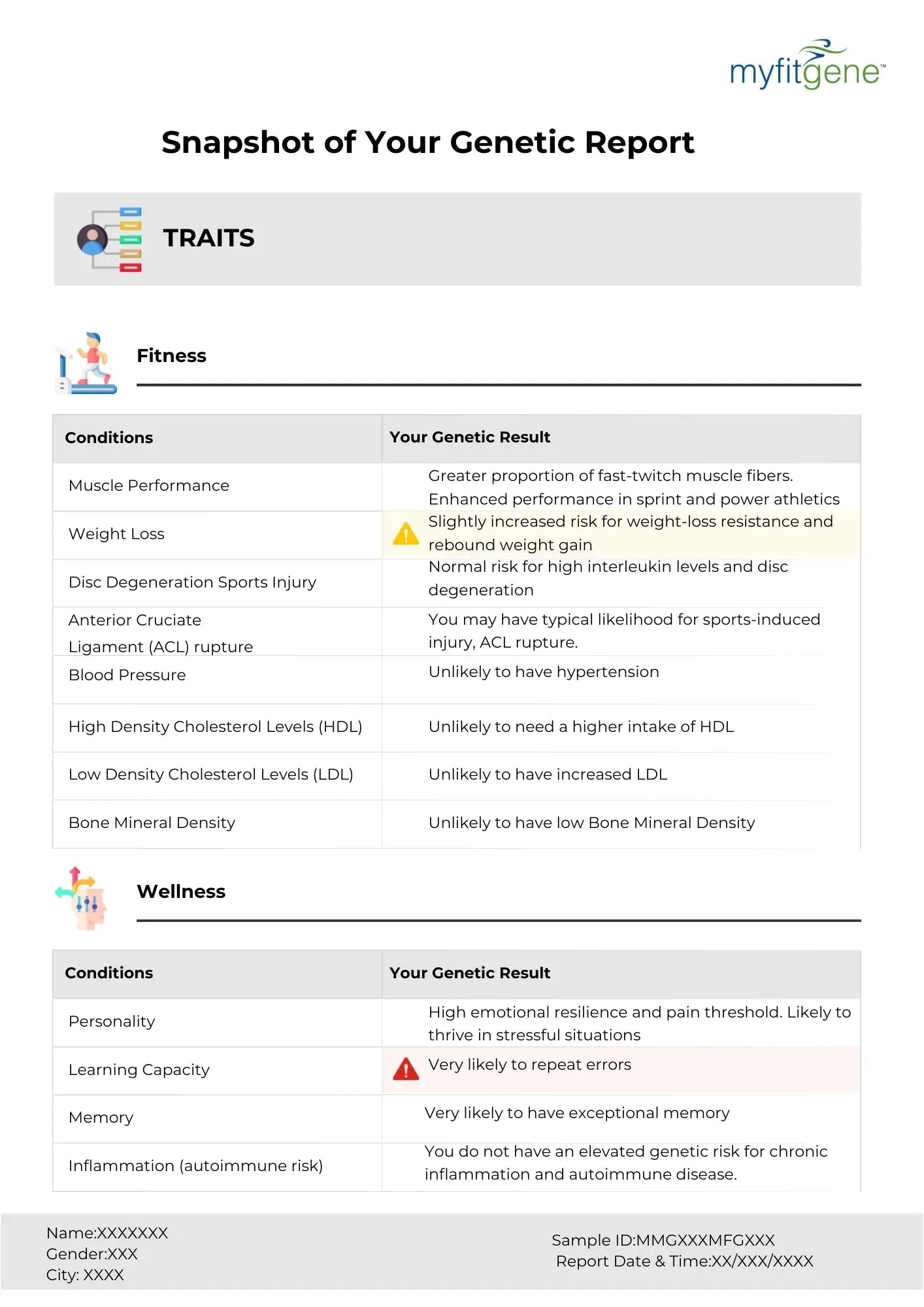
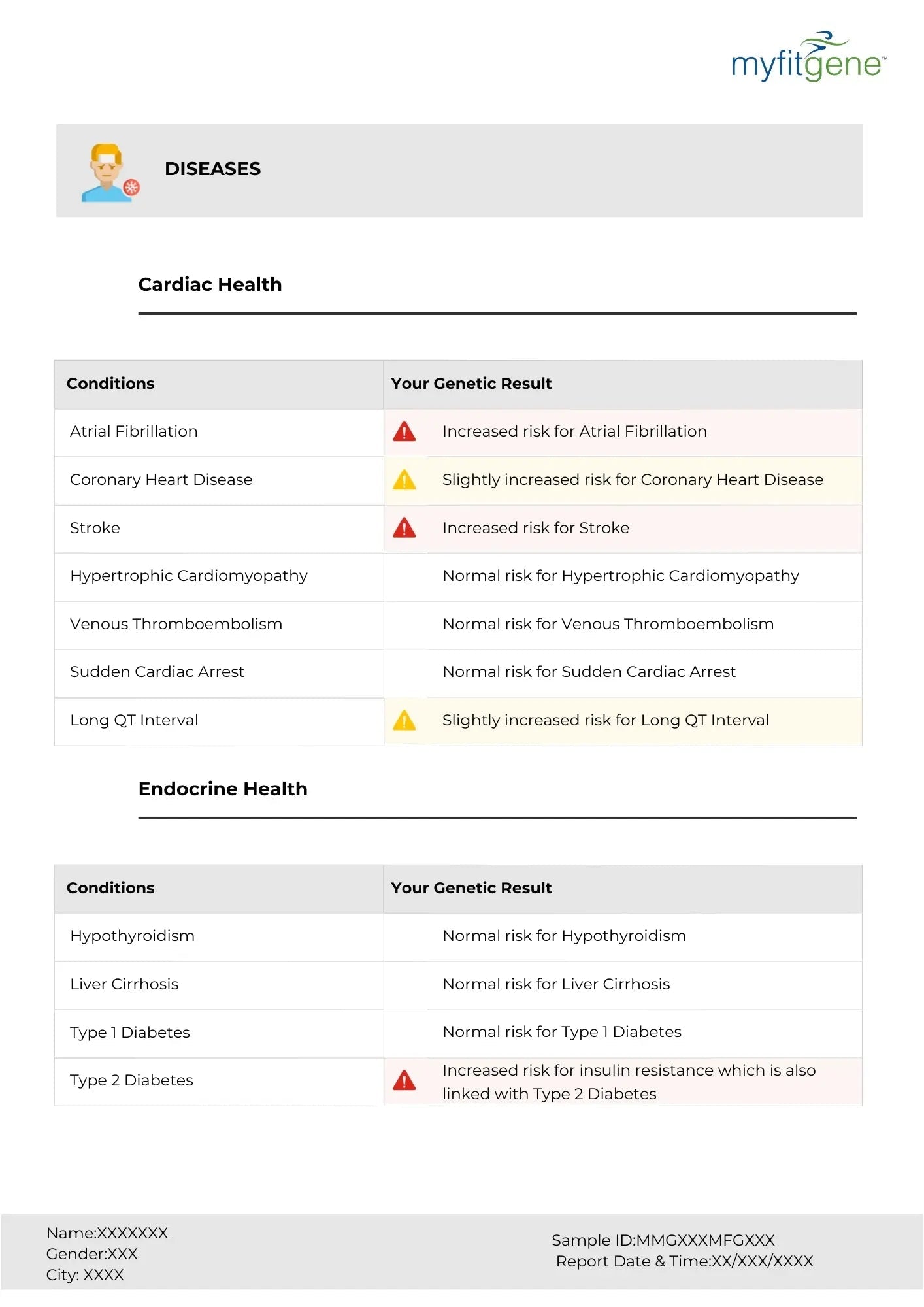
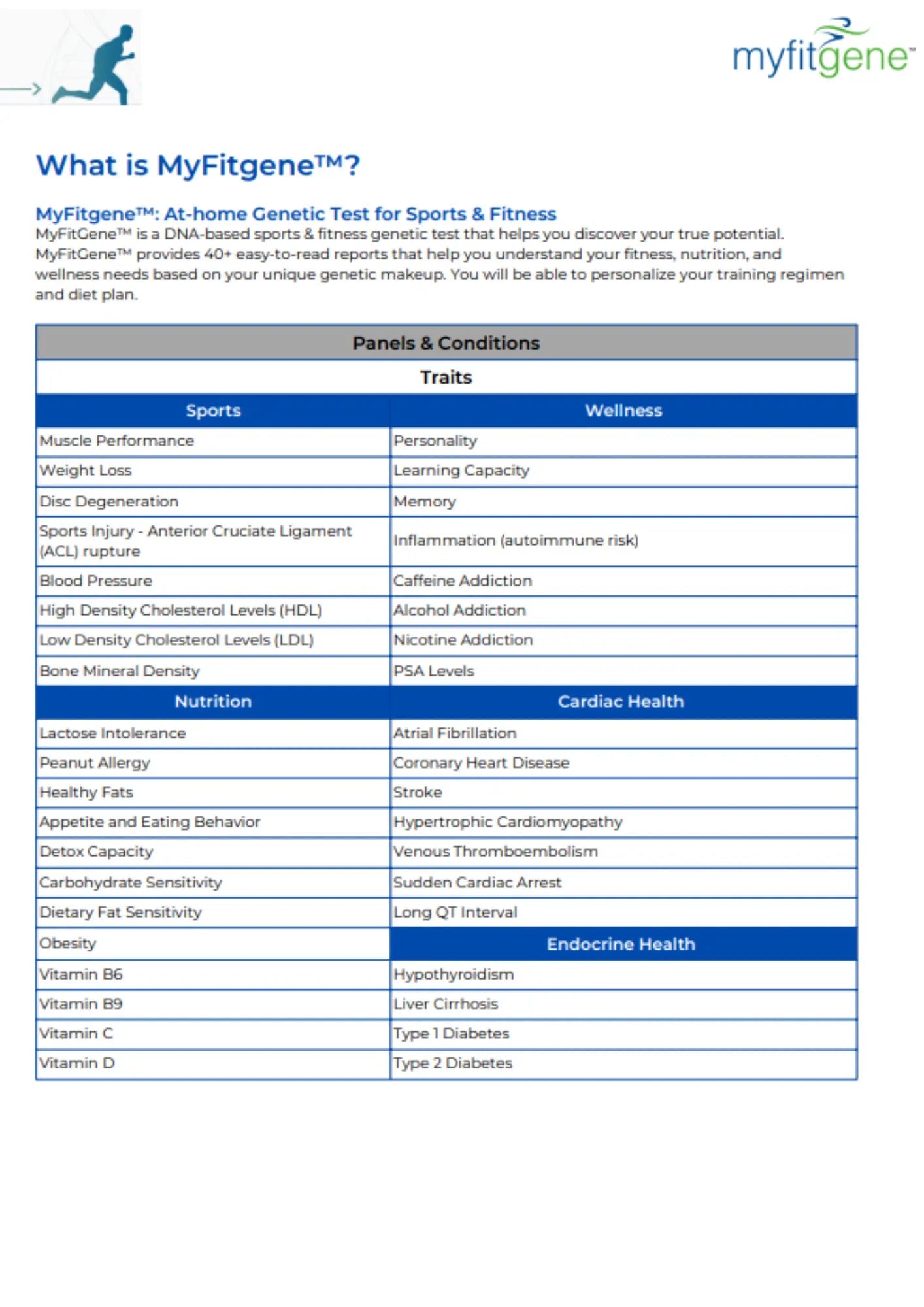
Myfitgene by MapmyGenome is India's leading at-home fitness DNA test, covering 40+ reports on muscle performance, endurance, nutrition, recovery, and injury risk.
Can a DNA test really improve my workout results?
Yes — by helping you train in alignment with your genetic strengths and address your vulnerabilities. It won't replace hard work, but it ensures your effort is directed in the most effective direction.
Are these tests only for athletes?
Not at all. Anyone looking to improve their fitness, understand their body better, or optimize their health can benefit from a fitness genetic test.
Train Smarter with Your DNA
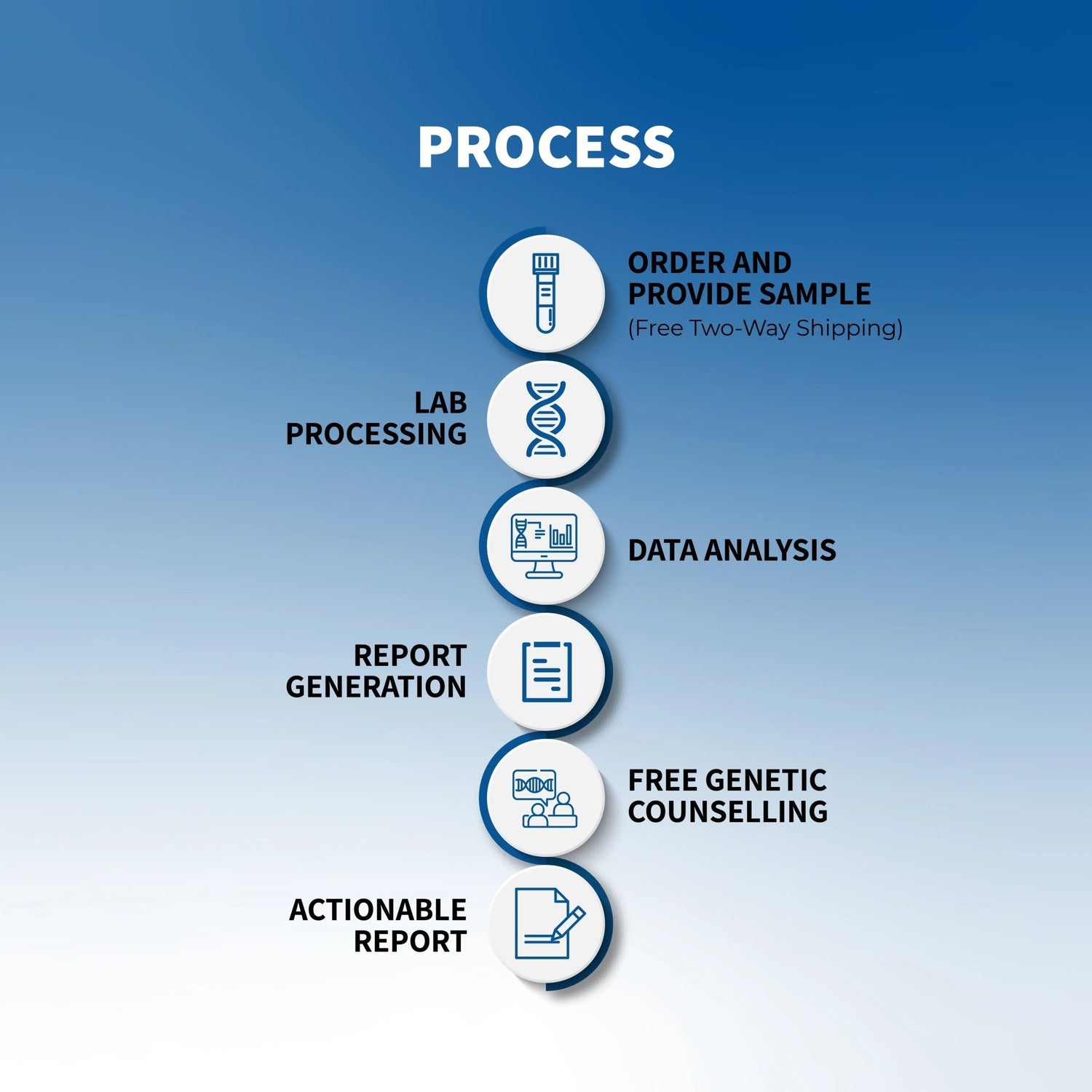
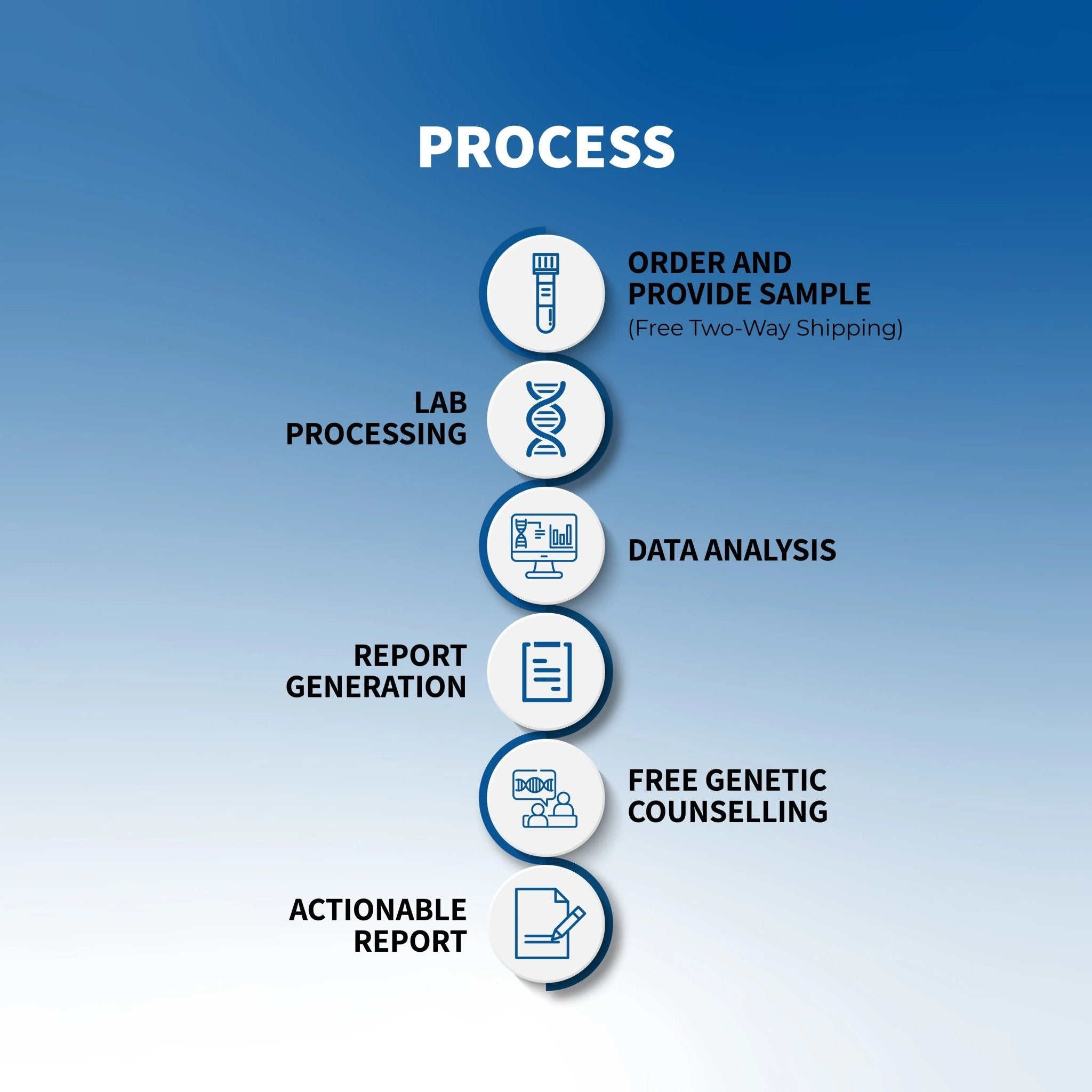
Myfitgene by MapmyGenome is India's most comprehensive DNA-based fitness and nutrition test — covering 40+ reports on muscle type, endurance capacity, injury risk, metabolism, and optimal nutrition. All from a simple saliva sample at home.







1 মন্তব্য
Some genetic markers are associated with injury risk. Awareness of these predispositions could lead to the implementation of preventative measures and safer training practices. For example, identifying a higher risk for tendon injuries based on COL1A1 variants might encourage exercises that improve joint stability.