

From Our Experts: Genetic Testing for Colorectal Cancer
Pooja Ramchandran is a pioneer in the field of genetic counselling in India and VP of Genetic Counselling at MapmyGenome. She graduated from Johns Hopkins University in 2008 and has been practising clinical genetic counselling in India ever since — making her the first genetic counsellor in the country with a formal degree in the field.
“The most common genetically inherited cancer is Lynch Syndrome, also called Hereditary Non-Polyposis Colorectal Cancer (HNPCC). About 1 in 300 individuals with colorectal cancer have it — but only 5% know it. Comprehensive genetic testing is available and can help patients make the most of their family history information. Discussing a family history of cancer with a genetic counsellor can feel like a scary conversation, but it is crucial for awareness and prevention.” — Pooja Ramchandran, VP Genetic Counselling, MapmyGenome
What Is Lynch Syndrome?
Lynch Syndrome (Hereditary Non-Polyposis Colorectal Cancer, or HNPCC) is the most common hereditary colorectal cancer syndrome. It is caused by inherited mutations in DNA mismatch repair (MMR) genes — most commonly MLH1, MSH2, MSH6, and PMS2. People with Lynch Syndrome have a significantly elevated lifetime risk of colorectal cancer (up to 80% in some cases), as well as increased risk of endometrial, ovarian, gastric, urinary tract, and other cancers.
Why Genetic Testing for Colorectal Cancer Is Critical
Early detection saves lives — individuals with Lynch Syndrome who undergo regular colonoscopy surveillance have significantly lower colorectal cancer mortality
Family cascade testing — once a Lynch Syndrome mutation is identified in one family member, other relatives can be tested to determine their own risk
Surgical decision-making — knowledge of Lynch Syndrome status influences surgical options for individuals already diagnosed with colorectal cancer
Reproductive planning — couples where one partner has Lynch Syndrome can explore preimplantation genetic testing (PGT) to avoid passing the mutation to children
Who Should Consider Genetic Testing?
Individuals diagnosed with colorectal cancer before age 50
Individuals with a personal or family history of multiple Lynch-associated cancers
Individuals with two or more close relatives with colorectal or endometrial cancer
Anyone with a known Lynch Syndrome mutation in the family
Genetic Testing and Counselling for Colorectal Cancer Risk
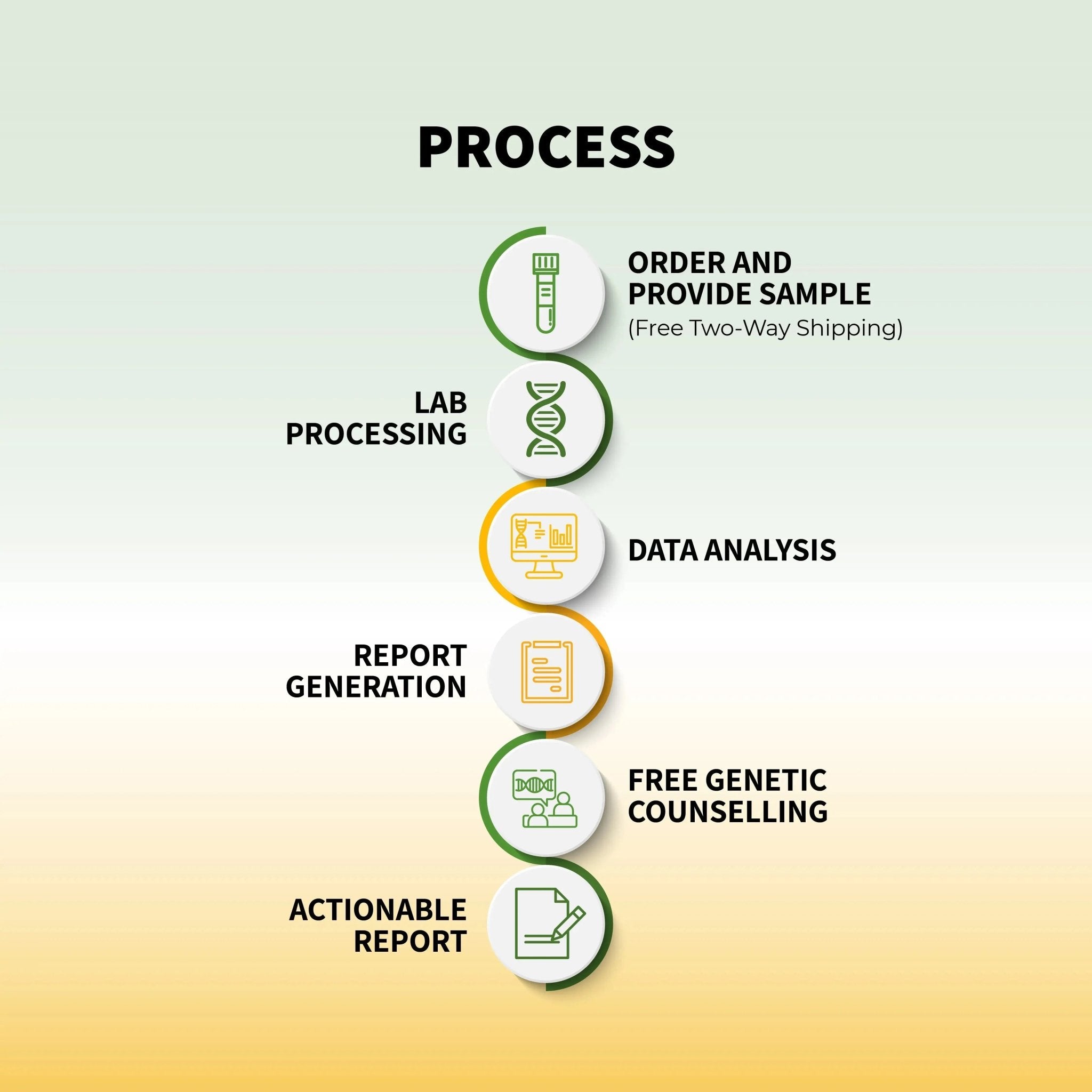
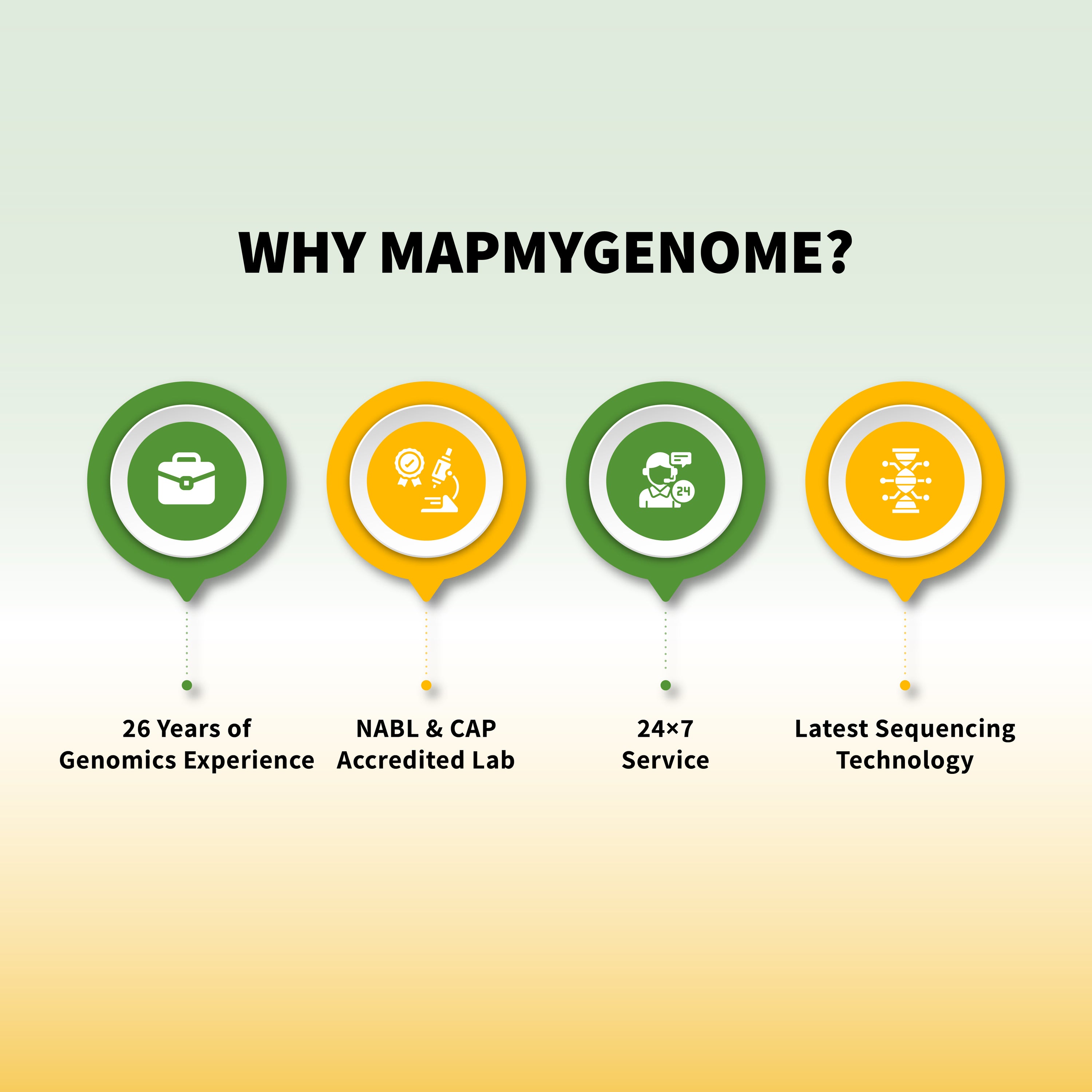
MapmyGenome offers genetic counselling and testing for hereditary colorectal cancer — including Lynch Syndrome evaluation and comprehensive cancer risk assessment. All tests are processed in our CAP & NABL-accredited laboratory.