

Keto? Atkins? Juicing? Know Your Genes for the Perfect Diet!
Keto. Atkins. Juicing. Intermittent fasting. Paleo. The diet industry is worth billions — and yet obesity and metabolic disease rates continue to rise. Why? Because there is no one-size-fits-all diet. The perfect diet is the one that works for your unique biology — and your biology is written in your genes.
Why Diets Work Differently for Different People
Two people can follow the exact same diet and get completely different results. One person thrives on a high-fat ketogenic diet; another gains weight on it. One person loses weight easily on a low-carb diet; another struggles. The reason is nutrigenomics — the science of how your genes interact with the food you eat.
Key Genes That Influence Your Diet Response
FTO (Fat Mass and Obesity gene) — variants in FTO are associated with increased appetite, higher BMI, and greater risk of obesity. People with high-risk FTO variants may need to be more careful about caloric intake and portion sizes
PPARG (Fat Storage) — influences how efficiently the body stores dietary fat. Certain variants are associated with better response to low-fat diets
FADS1/FADS2 (Fat Metabolism) — determine how efficiently the body converts plant-based omega-3s to EPA and DHA
TCF7L2 (Carbohydrate Metabolism) — the strongest known genetic risk factor for type 2 diabetes; influences how the body responds to carbohydrates
LCT (Lactose Tolerance) — determines whether you can digest lactose (milk sugar) into adulthood
MTHFR (Folate Metabolism) — variants affect how efficiently the body processes folate, influencing requirements for B vitamins
The Bottom Line
Instead of following the latest diet trend, the smartest approach is to understand your genetic makeup and build a diet that works with your biology — not against it. A genetic nutrition test can reveal your optimal macronutrient ratios, food sensitivities, vitamin and mineral requirements, and metabolic tendencies.
Skip the Fads — Eat Right for Your Genes
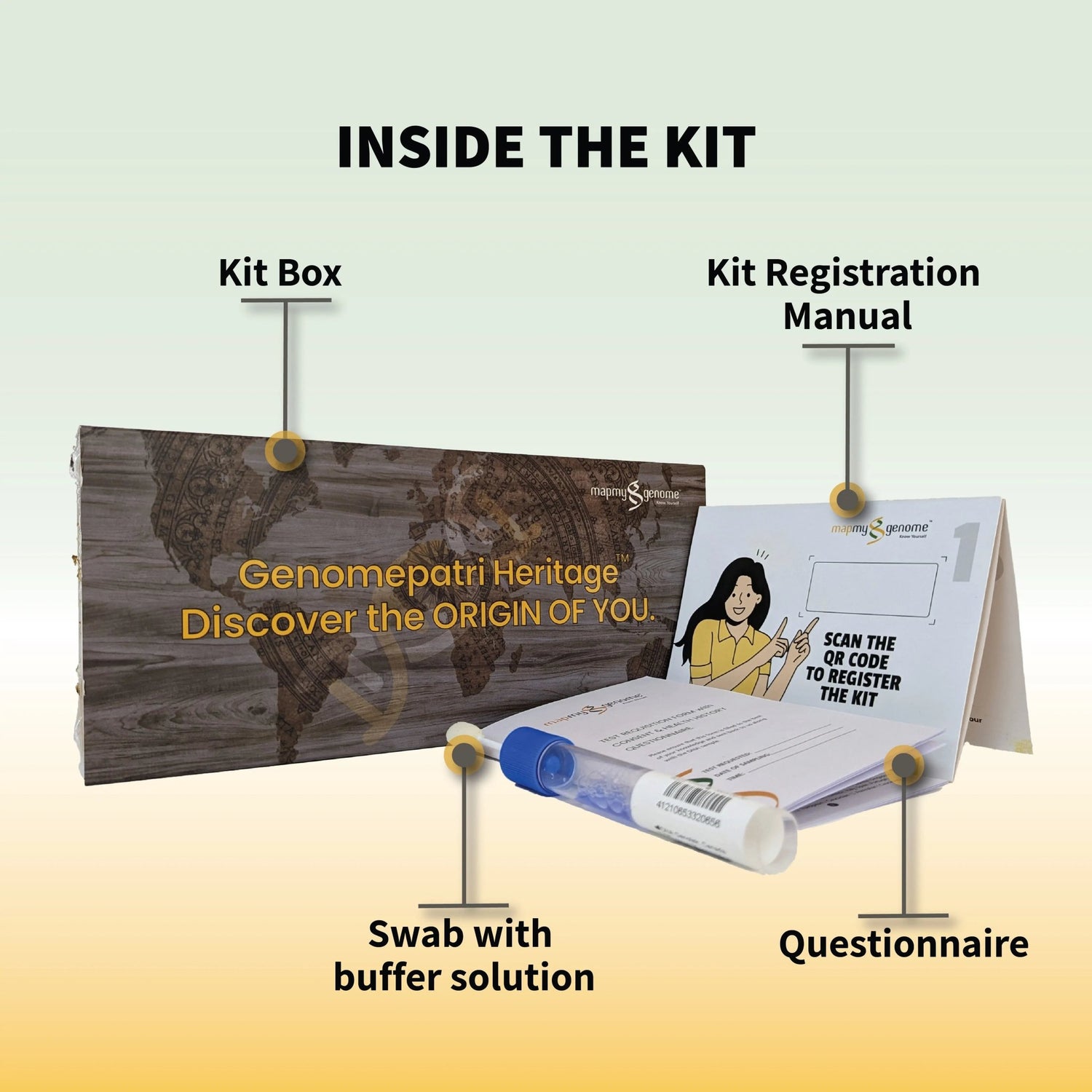
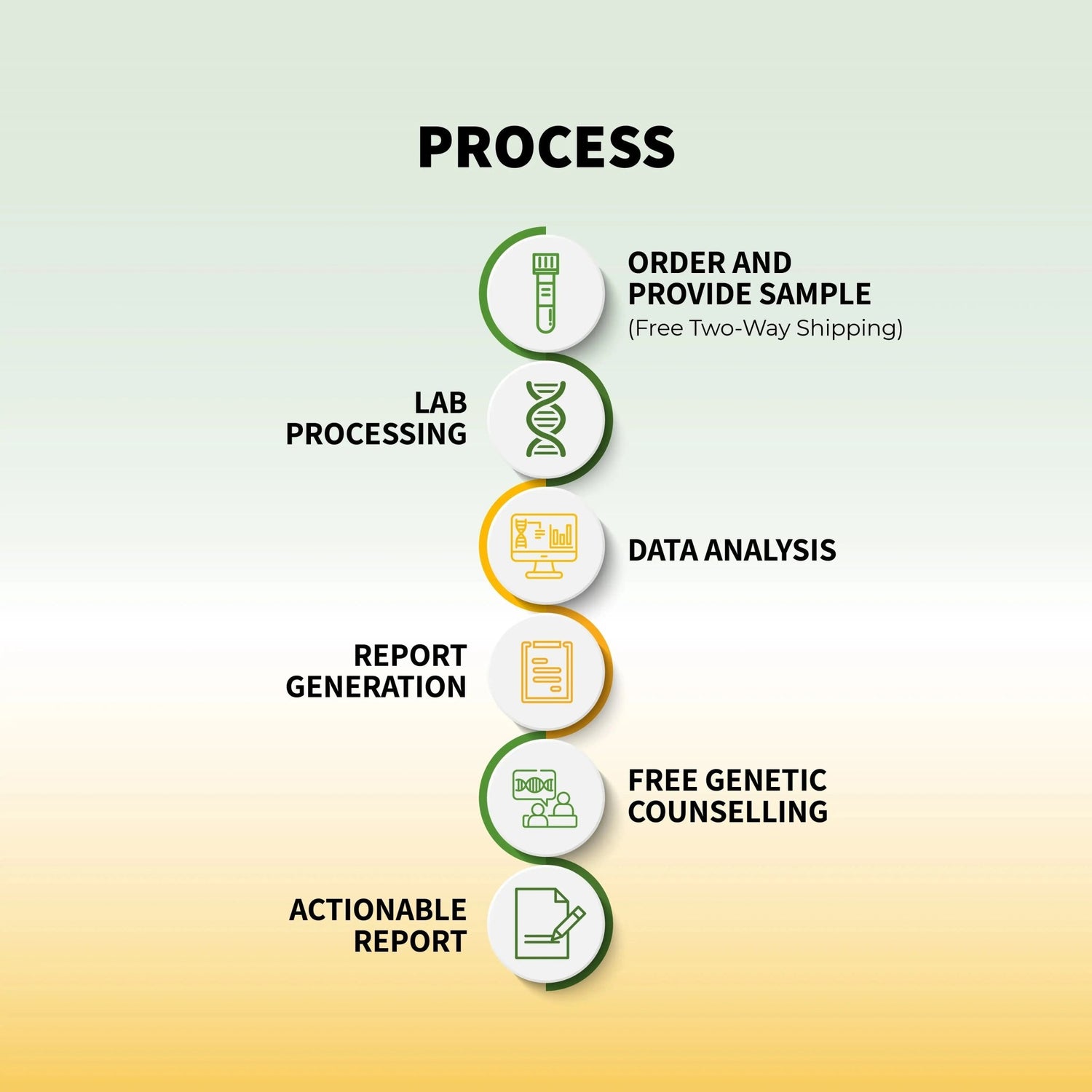
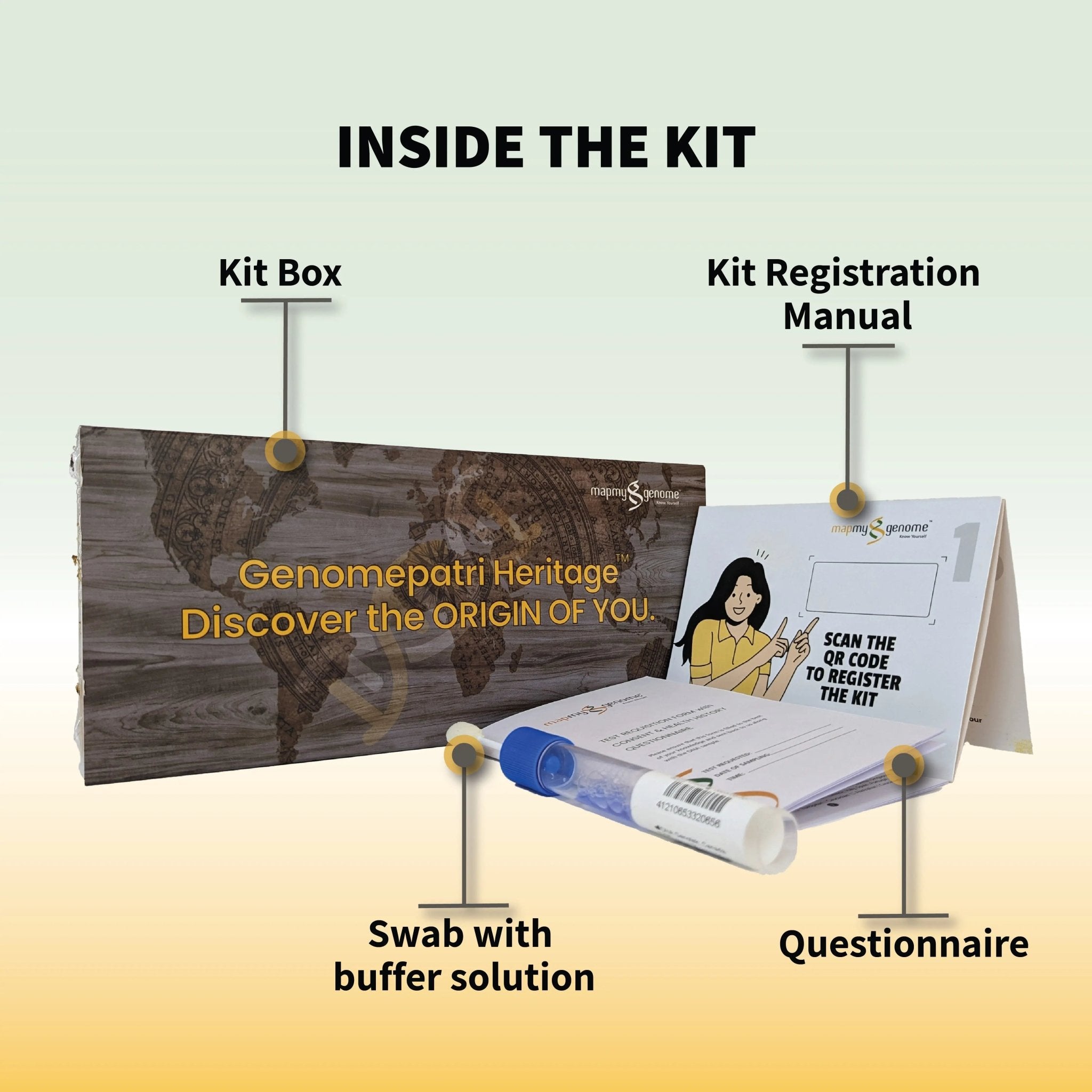
Genomepatri by MapmyGenome covers nutrition, metabolism, food sensitivities, and 100+ health traits. Mininutrigene offers a dedicated nutrigenomics profile. Both include certified genetic counselling to help you build a personalised diet plan that actually works for your unique biology.