

The Science Behind Covid for the Avid Reader
For those who want to go beyond the headlines and understand the actual science of SARS-CoV-2 — how it works, how it spreads, and why some people are more severely affected than others — this article is for you.
What Is SARS-CoV-2?
SARS-CoV-2 (Severe Acute Respiratory Syndrome Coronavirus 2) is the virus that causes COVID-19. It belongs to the coronaviridae family — a large family of viruses that cause illnesses ranging from the common cold to more severe diseases such as MERS and SARS. SARS-CoV-2 has a positive-sense, single-stranded RNA genome and is characterised by its distinctive spike proteins, which it uses to bind to and enter human cells.
How Does It Infect Human Cells?
The spike protein of SARS-CoV-2 binds to the ACE2 (Angiotensin-Converting Enzyme 2) receptor on the surface of human cells — particularly in the respiratory tract, lungs, heart, kidneys, and gut. Once bound, the virus injects its RNA into the cell, hijacks the cell’s machinery to replicate itself, and releases new virus particles that go on to infect more cells.
Why Do Some People Get Sicker Than Others?
This is where genetics becomes fascinating. The 0.1% variation in human DNA — Single Nucleotide Polymorphisms (SNPs) — influences immune response, ACE2 receptor expression, inflammatory response, and susceptibility to comorbidities like diabetes and hypertension that worsen COVID-19 outcomes. Variants in genes including MBL, OAS1, IL1A, IL18, and the HLA system have been associated with differential COVID-19 susceptibility and severity.
The Cytokine Storm
In some patients, the immune system overreacts to SARS-CoV-2 — releasing a flood of inflammatory proteins called cytokines. This “cytokine storm” can cause severe lung damage, multi-organ failure, and death. Genetic variants in immune signalling genes (interleukin family, tumour necrosis factor) increase the likelihood of cytokine storm and worsen outcomes.
Know Your Genetic Immune Profile
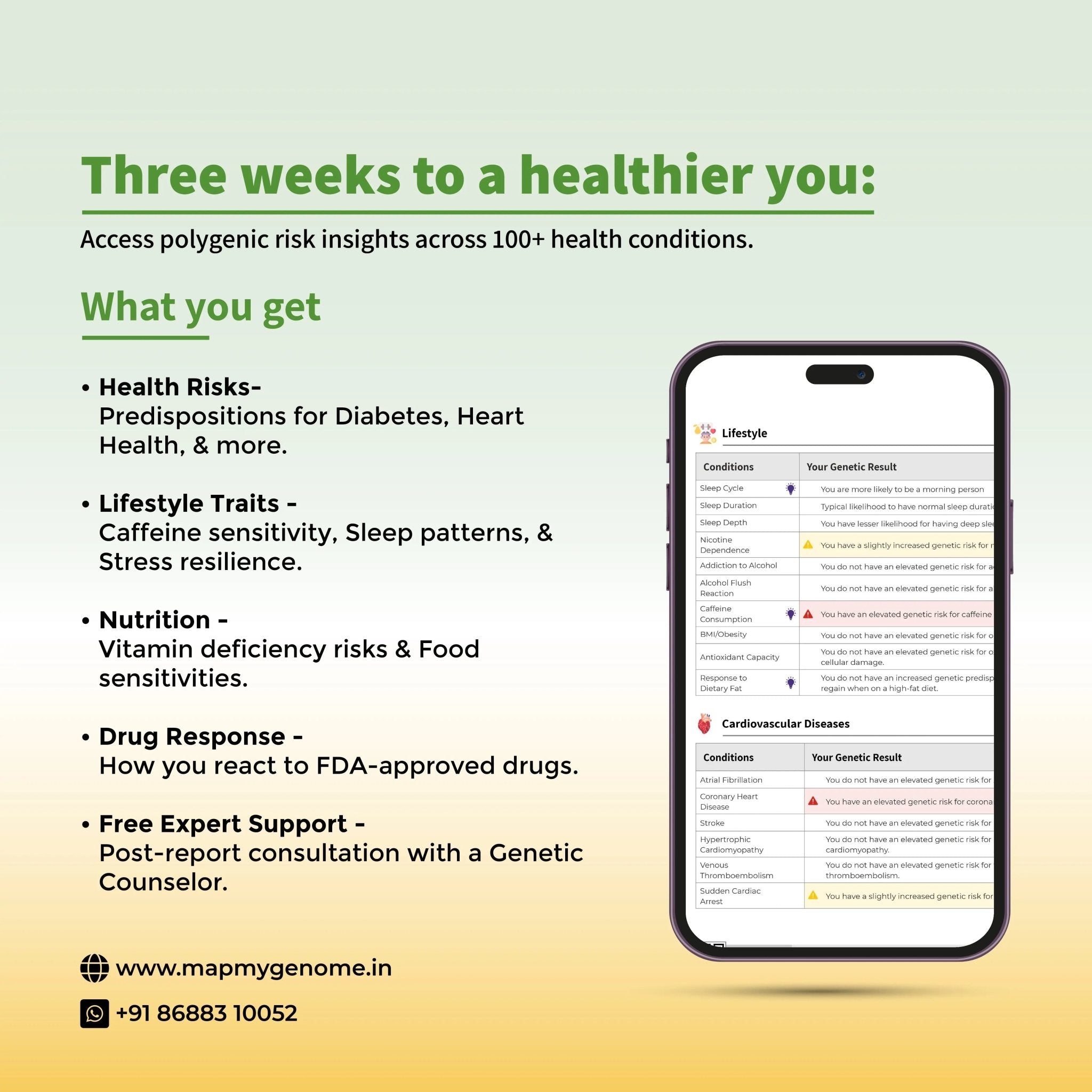
Genomepatri by MapmyGenome analyses your genetic predisposition to immune-related conditions, vitamin deficiencies, inflammatory response, and comorbidities that affect COVID-19 severity — helping you personalise your prevention and health plan.