

Parkinson’s Disease: Genetics, Symptoms, and the Role of Genetic Counselling
Parkinson’s disease is a neurodegenerative disorder that affects brain function, resulting in symptoms associated with motor movements that gradually progress and worsen with time.
Symptoms
Tremors especially at rest — in hands, arms, legs, jaw, or head
Rigidity in muscles, mainly in the limbs
Slow movements (bradykinesia)
Impaired coordination and balance, which can lead to falls
Insomnia, depression, anxiety, fatigue, and dysautonomia
About 25% of people with Parkinson’s may also experience visual hallucinations and delusions
Early symptoms are subtle and can be mistaken for normal ageing. The onset of symptoms is usually around age 60, though some people are diagnosed at or before age 50. Typically, people experience Parkinsonian gait — leaning forward and walking with small quick steps with reduced arm swinging.
Causes and Genetics
Parkinson’s disease is caused by impairment of the substantia nigra — the area of the brain that controls movement — where dopamine-producing neurons are lost. Reduction of dopamine causes movement-related concerns. Loss of norepinephrine-producing nerve endings may explain symptoms such as fatigue and irregular blood pressure.
Most people diagnosed with Parkinson’s disease have no family history. Only about 5% have a single genetic change causing Parkinson’s that is inherited from parents. However, genetic factors that predispose risk have been identified. Environmental factors alone — such as exposure to chemicals or serious head trauma — are not sufficient to cause Parkinson’s disease.
Treatment
L-dopa: The most common therapy, improving dopamine levels in the brain
Deep Brain Stimulation: Reduces movement-related symptoms such as tremors, slow movements, and rigidity
Medications to control non-motor symptoms and affect other brain chemicals
The Role of Genetic Counselling
Owing to the diversity of genetic and non-genetic causes of Parkinson’s disease, genetic counselling can be of great value — helping families assess their family and medical history to identify possible genetic causes, facilitating informed decision-making, and guiding management of symptoms. Individuals diagnosed with Parkinson’s may need long-term care as the disease progresses; support groups can be helpful for both individuals and caregivers.
Resources for Parkinson’s disease in India: Parkinson’s Society India — Locate a Support Centre
Understand Your Genetic Risk for Parkinson’s Disease
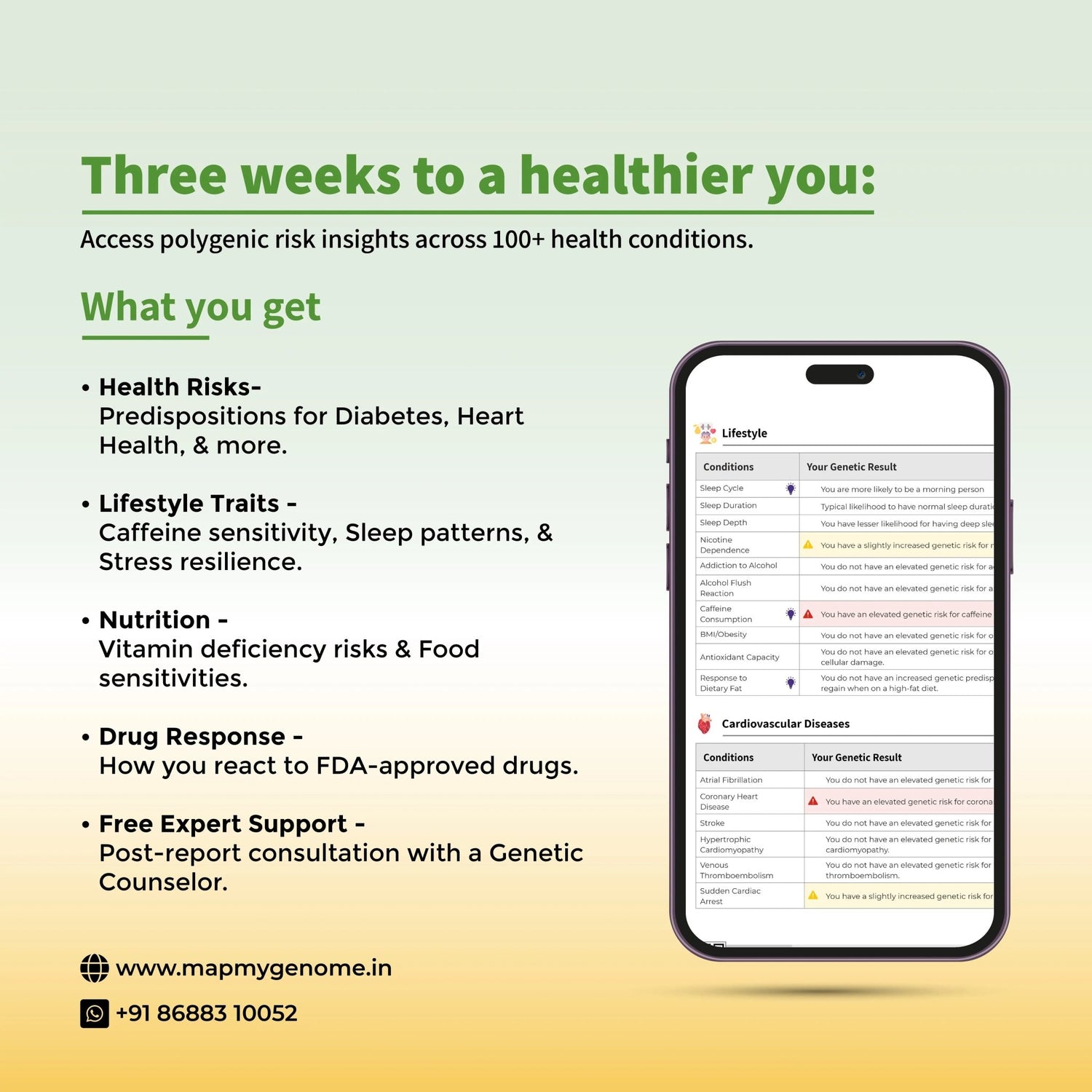
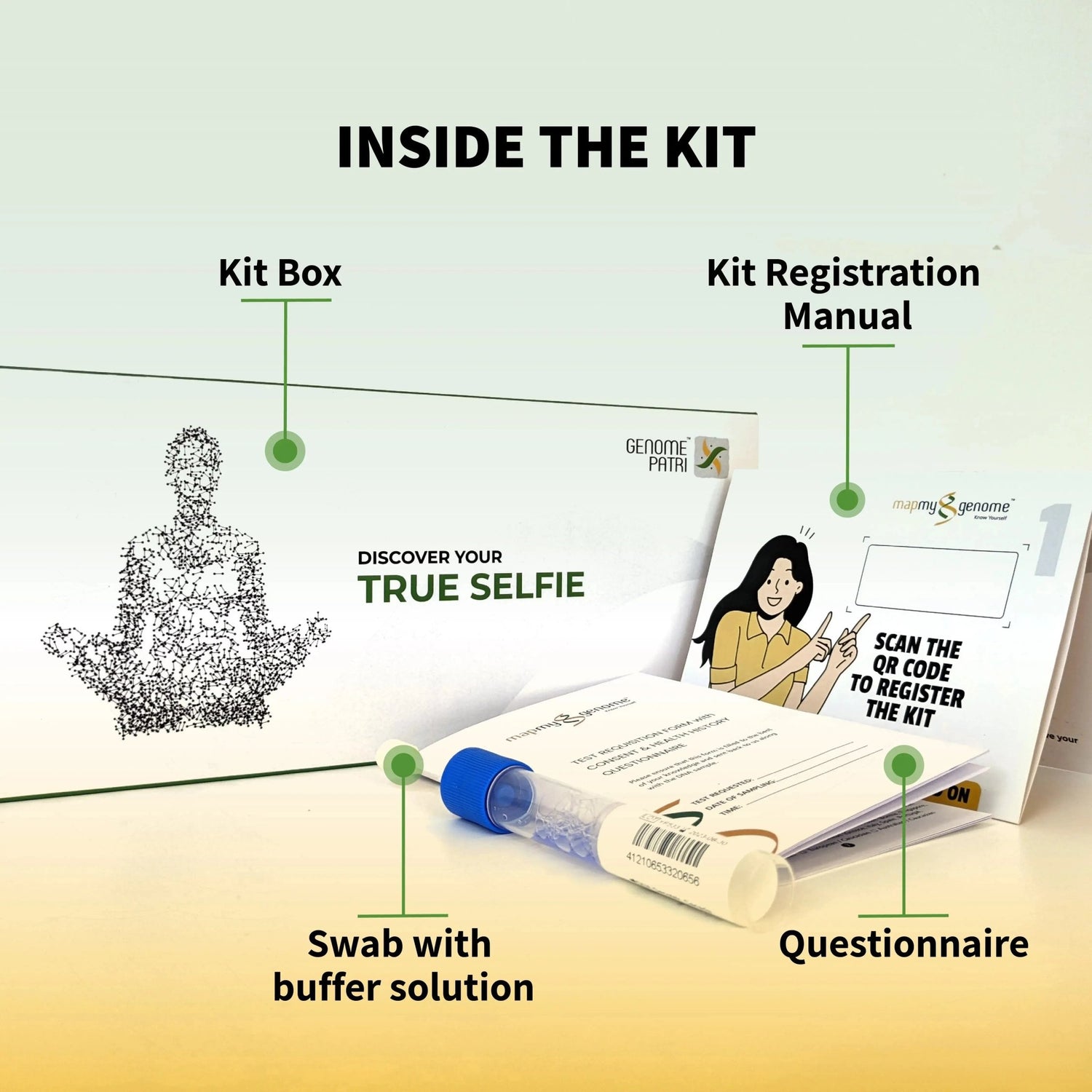
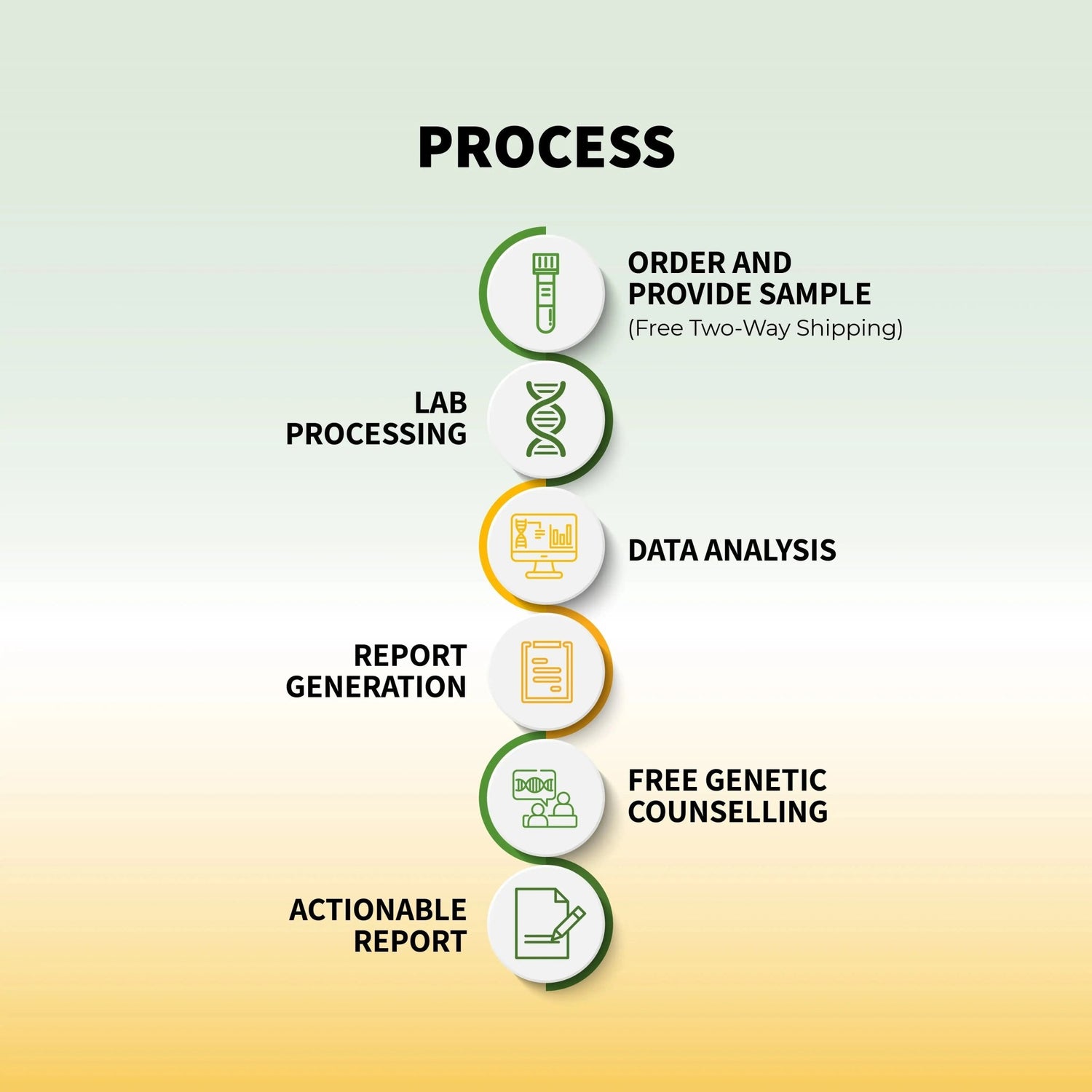
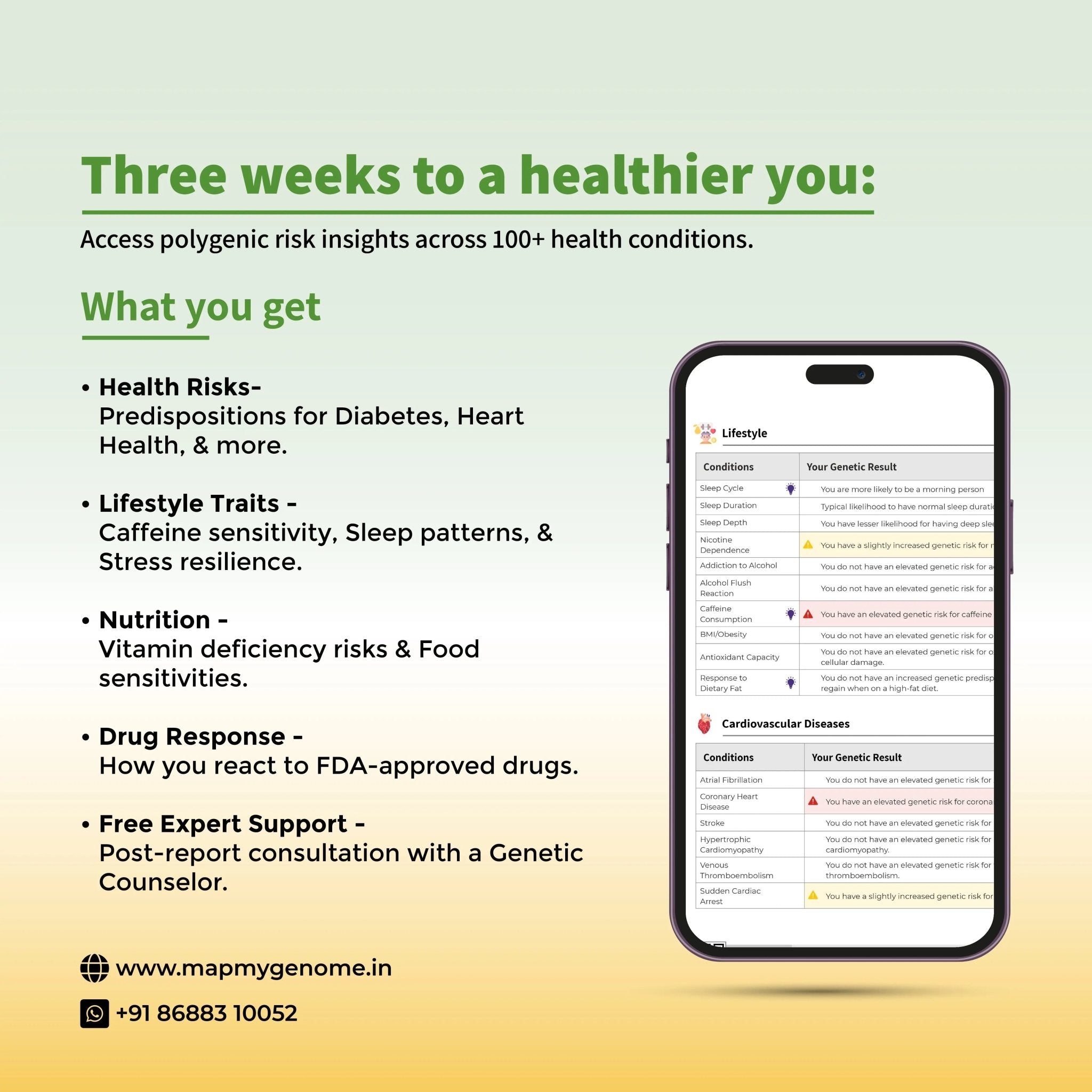
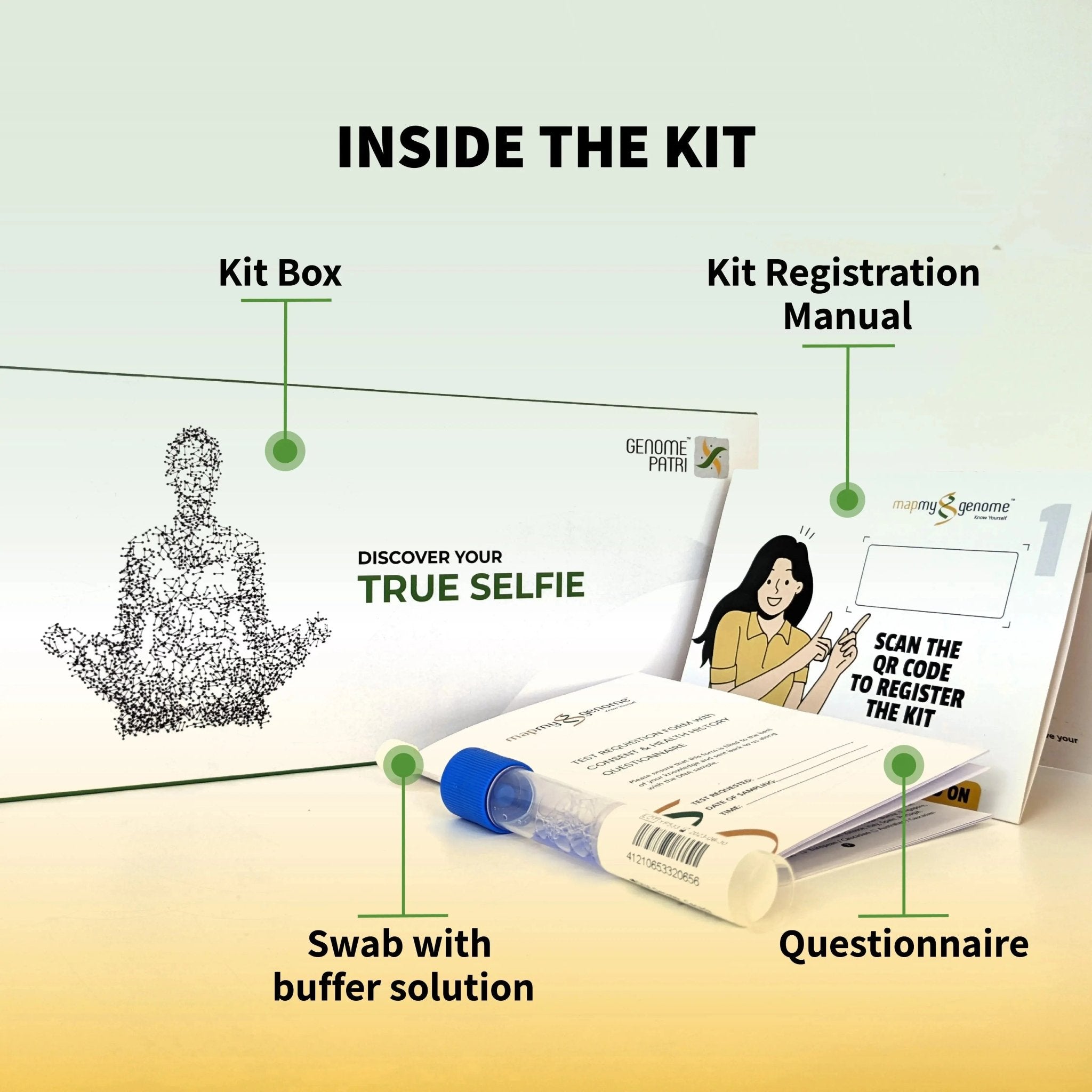
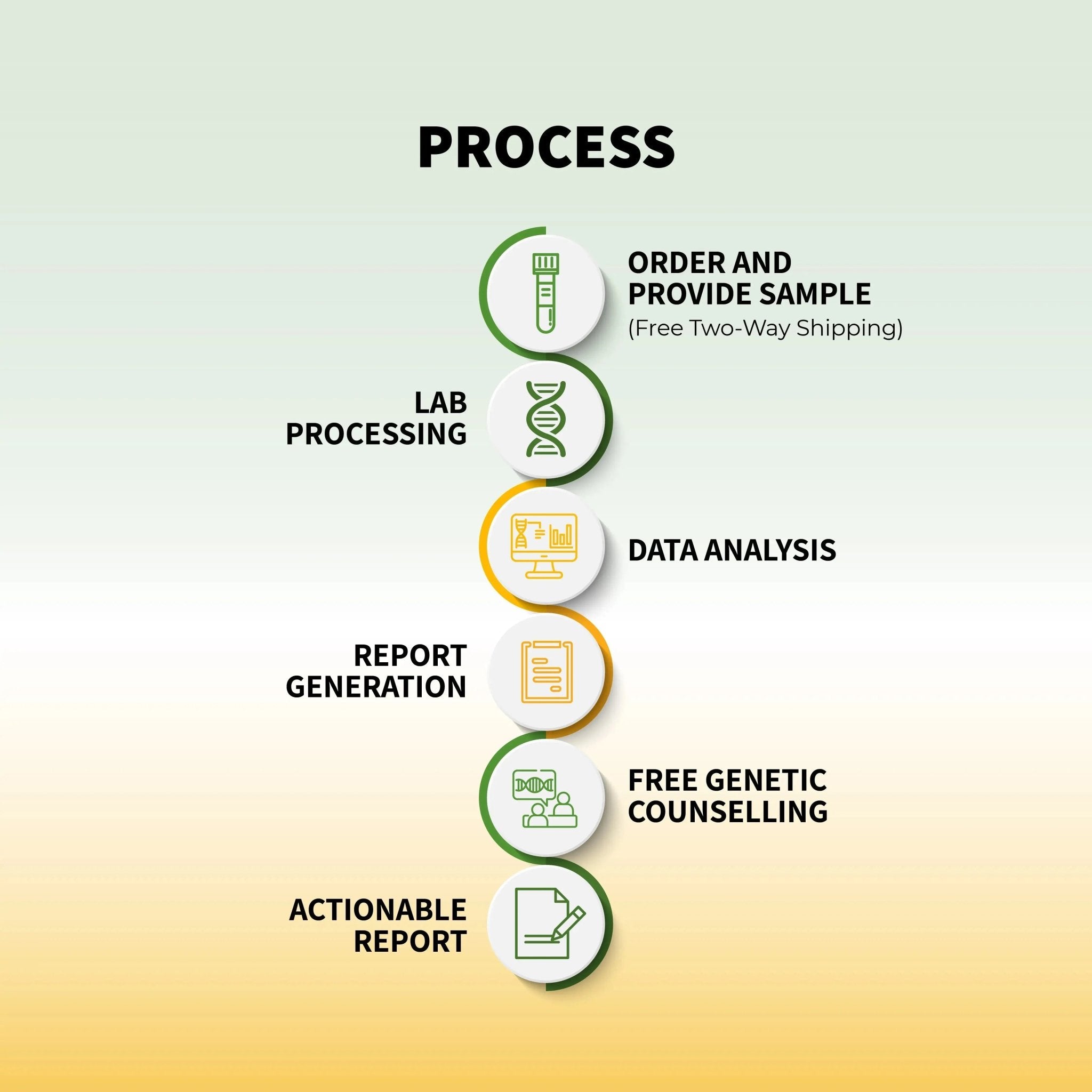
Genomepatri by MapmyGenome screens your genetic predisposition to Parkinson’s disease and other neurodegenerative conditions. Our certified genetic counsellors can help you and your family understand your risk, interpret results, and plan proactive health management.