

Tobacco use remains one of the leading causes of preventable death worldwide, responsible for over 8 million deaths annually. In India, tobacco consumption — whether smoked or smokeless — is deeply embedded in cultural habits, making cessation a significant public health challenge.
But quitting tobacco is not simply a matter of willpower. Your genes play a major role in how strongly you become addicted to nicotine, how difficult withdrawal feels, and how likely you are to relapse. Understanding the biology of nicotine dependence is the first step toward overcoming it.
How Tobacco Harms Your Body
Tobacco smoke contains over 7,000 chemicals, hundreds of which are toxic and at least 70 of which are known carcinogens. Regular tobacco use is linked to:
- Lung, throat, mouth, and oesophageal cancers
- Chronic obstructive pulmonary disease (COPD)
- Cardiovascular disease and stroke
- Type 2 diabetes
- Reduced fertility and pregnancy complications
- Accelerated skin aging and tooth decay
The Genetics of Nicotine Dependence
Variants in genes like CHRNA5, CHRNA3, and CHRNB4 — which encode nicotine receptors in the brain — are strongly associated with nicotine dependence, the number of cigarettes smoked per day, and difficulty quitting. People with certain genetic variants experience stronger cravings and more severe withdrawal symptoms, making cessation harder without targeted support.
Knowing your genetic profile can help you and your doctor choose the most effective cessation strategy — whether that’s nicotine replacement therapy, medication, behavioural support, or a combination.
Steps to Quit Tobacco
- Set a quit date and tell family and friends for accountability
- Identify your triggers and plan alternatives
- Consider nicotine replacement therapy (patches, gum, lozenges)
- Speak to your doctor about prescription cessation medications
- Seek behavioural counselling or support groups
- Be patient — most people need multiple attempts before quitting for good
Understand Your Nicotine Dependence Genetically
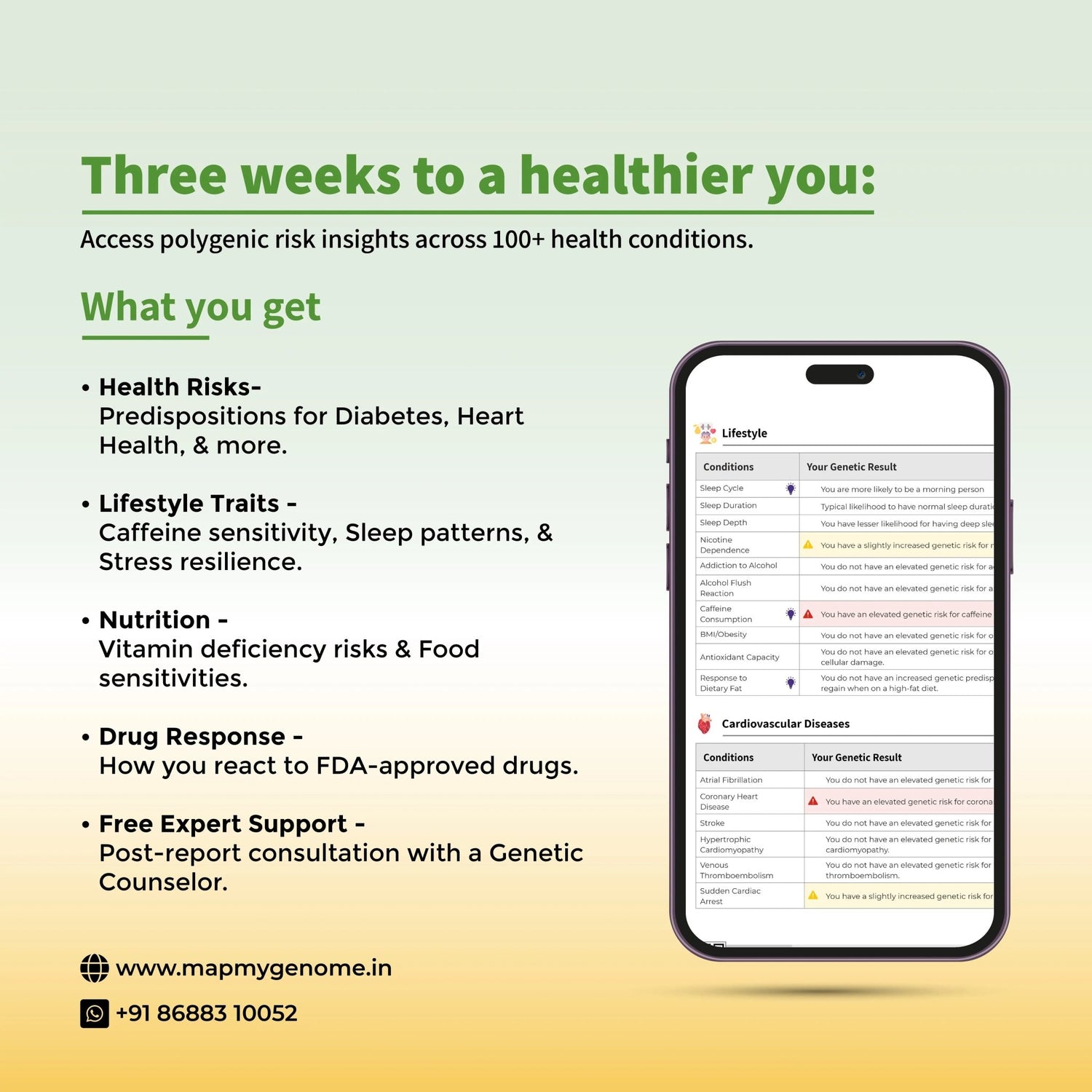
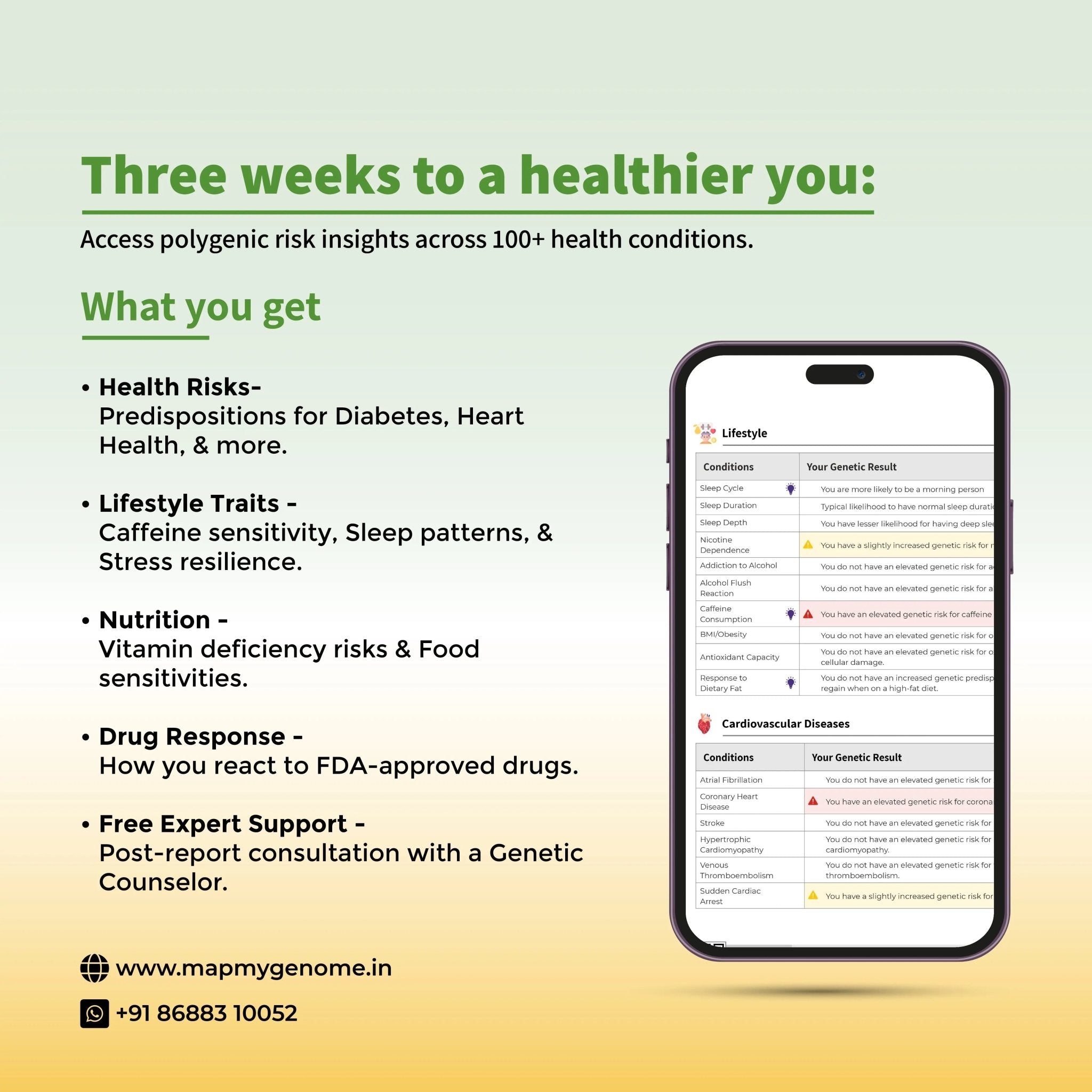
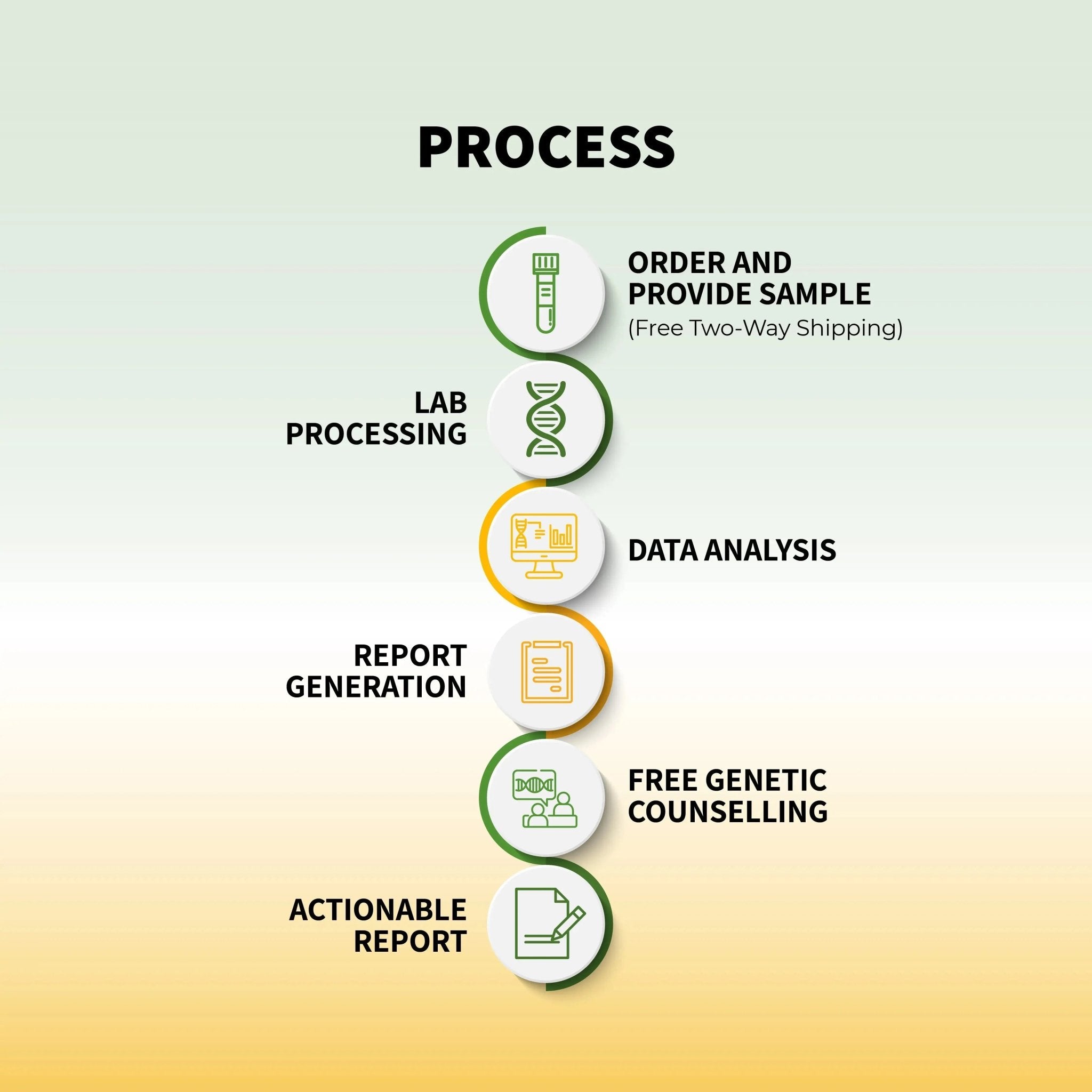
MapmyGenome’s Genomepatri includes insights into your genetic predisposition to nicotine dependence and lung cancer risk — giving you and your doctor the information needed to build a more effective, personalised quit plan.
→ Order Genomepatri — India's Most Comprehensive DNA Health Test
Questions? Reach us at info@mapmygenome.in or call 1800 102 4595.